20,000+ Broiler Chicken Cage Equipment for Uganda Farm
 time:
2026-01-17
time:
2026-01-17 20,000+ Broiler Chicken Cage Equipment for Uganda Farm
If you’re running or planning a large-scale poultry operation in Uganda and looking to raise over 20,000 broiler chickens, choosing the right equipment is not just important—it’s critical to your success. The East African climate, high humidity, and fluctuating temperatures mean that your farm needs more than just basic chicken cages. It requires a smart, durable, and efficient broiler chicken cage system designed to maximize growth, minimize labor, and reduce disease risk.
At Livi Machinery, we’ve helped dozens of farms across Uganda and East Africa upgrade their operations with custom-designed broiler cage systems tailored to local conditions. Whether you’re expanding from a small flock or starting a new commercial project, this guide will walk you through everything you need to know about building a reliable 20,000+ bird broiler cage setup that delivers results—year after year.
Efficient Design That Works in Uganda’s Climate
Uganda’s tropical weather brings both opportunities and challenges for poultry farming. While the warm temperatures support year-round farming, high humidity and seasonal rains can increase the risks of heat stress, bacterial infections, and ammonia build-up. That’s why standard floor-raising methods often fall short at scale—broilers grown on litter are more prone to diseases like coccidiosis and breast blisters, especially when moisture levels rise.
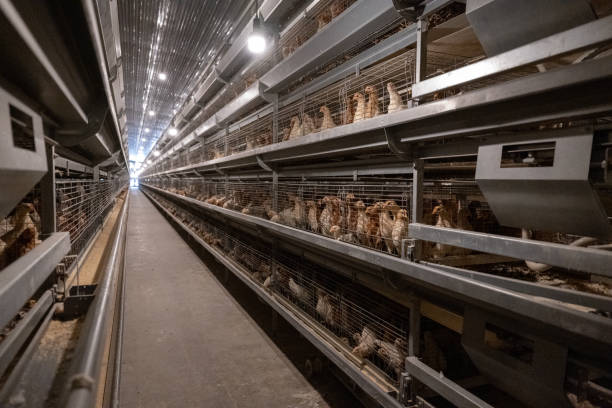
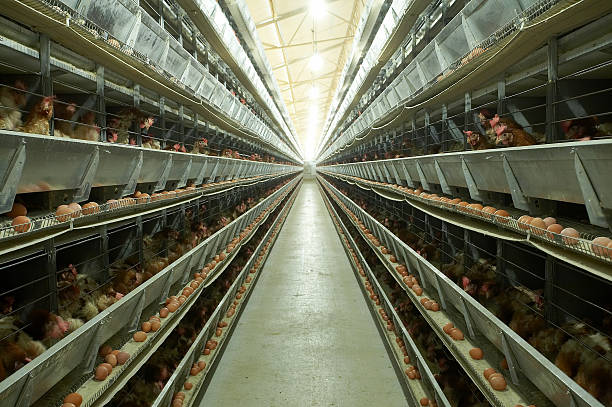
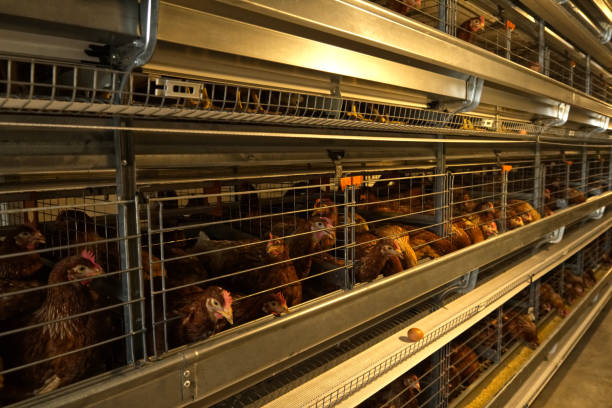
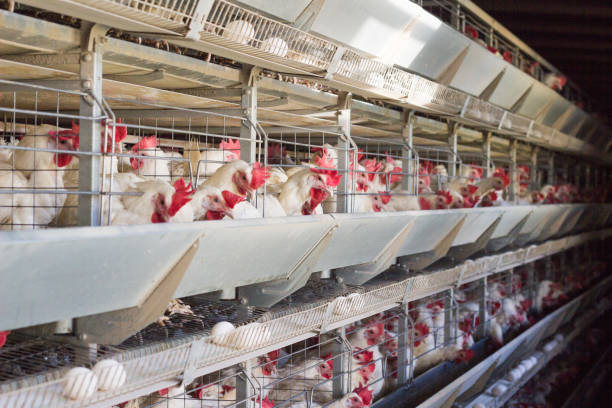
This is where a modern broiler cage system shines. Our multi-tier cage designs keep birds elevated above waste, improving air circulation, reducing contact with feces, and dramatically cutting down disease transmission. For a 20,000+ farm, we recommend a three-tier cage layout with automatic feeding, drinking, and manure removal systems. This setup saves space, cuts labor costs by up to 60%, and supports faster weight gain thanks to improved hygiene and reduced stress.
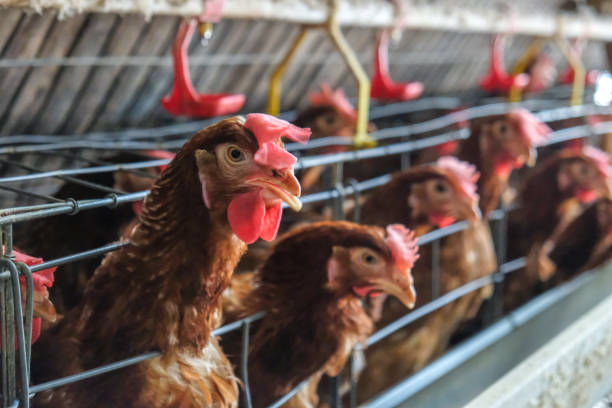
The cages themselves are built from galvanized steel wire with anti-corrosion coating—essential for withstanding humid conditions near Lake Victoria or in western Uganda. Each bird has enough room (around 550–600 cm² per bird) to grow efficiently without overcrowding, while the adjustable feeders and nipple drinkers ensure even distribution of food and water. We also integrate cooling options like tunnel ventilation or fogging systems for regions like Jinja or Mbarara, where summer temperatures can spike.
High Capacity Without Sacrificing Health or Growth
One of the biggest concerns farmers face when scaling up is maintaining consistent growth rates and feed conversion ratios (FCR). With over 20,000 birds, even a slight drop in FCR adds up quickly in feed costs. Our cage systems are engineered to solve this by creating an optimal controlled environment.
Each module in the system typically holds 1,000 to 1,200 broilers, making management easier—farmers can separate batches by age, monitor health trends, and apply treatments selectively if needed. Automation plays a big role here. Automatic feed lines ensure every bird gets fresh, measured feed without wastage. Nipple drinking systems prevent water spillage and contamination, keeping floors drier and healthier.
We also include sloped manure trays that let droppings fall through grates into collection belts below. These belts run once or twice daily, removing waste before it builds up ammonia gases. This not only improves air quality but also reduces respiratory issues—a common problem in densely stocked houses.
Our clients using these systems in Kampala, Hoima, and Mbale report broilers reaching market weight (2.5–3 kg) in just 38–42 days, with FCRs under 1.6—significantly better than traditional floor-reared flocks. The cleaner environment also means lower mortality rates (often under 3%) and fewer antibiotic treatments, which is becoming increasingly important as Ugandan consumers demand safer, residue-free poultry.
Turnkey Solutions From Planning to Installation
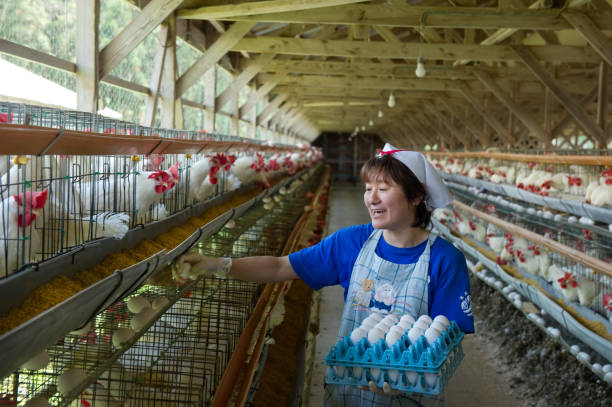
Starting a 20,000+ broiler farm isn’t just about buying cages—it’s about creating a complete breeding ecosystem. At Livi Machinery, we don’t just ship containers full of equipment. We work with you from day one: helping design the house layout, calculating airflow needs, selecting compatible generators and cooling systems, and training your team to manage daily operations.
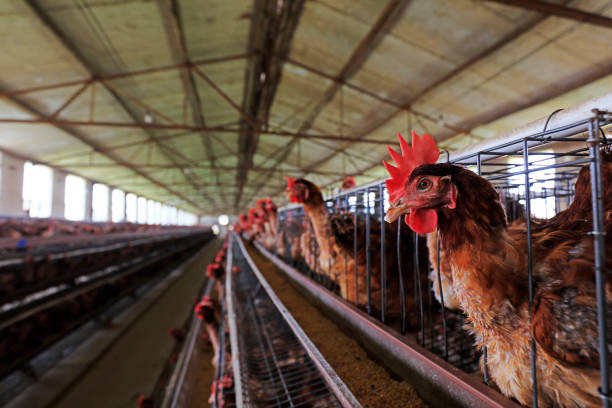
For example, a typical 20,000-bird setup requires around 700–800 square meters of space. We provide detailed blueprints showing where to place fans, heaters, cage rows, feed silos, and access paths. If you’re building from scratch, we partner with local contractors to ensure proper roofing, insulation, and electrical wiring. And if you’re retrofitting an existing shed, we customize modular cage units to fit your dimensions.
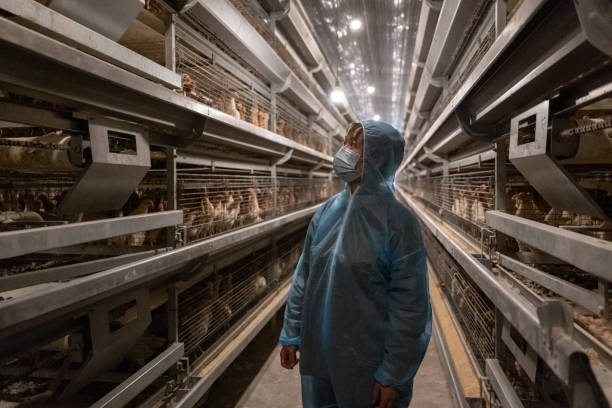
Once the site is ready, our technicians travel to Uganda to supervise installation. We set up the cage frames, connect feeding and watering lines, test automation controls, and do a full system check before handing over. During this time, we train your staff on maintenance routines—like cleaning nipple drinkers, adjusting feed flow, and monitoring temperature sensors—so you can operate smoothly from day one.
We’ve delivered turnkey projects in Uganda within 45 days, from container arrival at Mombasa Port to full operation. Many farms go on to expand to 50,000+ capacity within two years, thanks to the scalability of our modular design.
Ready to Build Your High-Performance Broiler Farm?
If you’re serious about building a profitable, long-term broiler operation in Uganda, don’t settle for outdated methods. Modern cage systems aren’t just about saving labor—they’re about unlocking higher growth, lower losses, and consistent profits. With over a decade of experience supplying farms across Africa, Livi Machinery is your trusted partner for complete broiler solutions.
We’ve helped farmers in Kenya, Tanzania, Rwanda, and beyond scale successfully—and now we’d love to help you. Whether you need a full 20,000+ system or want to start with a pilot unit, we offer free consultations, customized quotes, and after-sales support.
Leave us your name, phone number, and farm size, and we’ll send you a detailed plan—including 3D designs, pricing, and ROI estimates—within 24 hours. Let’s turn your vision of a modern, efficient broiler farm into reality.
Frequently Asked Questions
What size house do I need for 20,000 broiler chickens in cages?
You’ll need roughly 700 to 800 square meters of covered poultry house space. Multi-tier cage systems use vertical space efficiently, so you don’t need an extremely wide building. We provide exact measurements based on your land and expansion plans.
How much does a full automatic broiler cage system cost?
A complete turnkey system for 20,000 birds ranges from $70,000 to $95,000, depending on automation level, ventilation type, and whether you include backup power. We offer flexible payment terms and financing assistance through partners.
Can I install this system myself, or do I need experts?
While some farmers assemble simpler setups with local workers, we strongly recommend professional installation—especially for automated components. Our team handles full setup in Uganda, ensuring everything runs perfectly from day one.
Are these cages suitable for Uganda’s rainy season?
Absolutely. Our cages are made from hot-dip galvanized steel with anti-rust coating. Combined with raised flooring and covered sheds, they protect against moisture damage and last 10+ years with basic care.
Do cage systems really improve broiler growth?
Yes. Farms using our systems see faster weight gain, better FCR, and lower death rates. Keeping birds dry and away from waste reduces stress and disease, allowing them to convert feed more efficiently.
Can I start with 10,000 birds and expand later?
Definitely. Our modular design lets you start smaller and add more cages as you grow. Just design your house with future expansion in mind—we’ll help you plan accordingly.
Where is the equipment shipped from, and how long does delivery take?
All equipment ships from Zhengzhou, China. Delivery to Mombasa Port takes 25–35 days by sea. From there, we coordinate inland transport to Uganda via truck, usually within 7–10 days.
Is training provided for operating the equipment?
Yes, we include on-site training during installation. Your team will learn how to operate feeders, drinkers, manure belts, and environmental controls safely and efficiently.
Do you supply spare parts in Uganda?
We provide a full set of free spare parts with every order. Long-term, we ship replacements quickly and also work with distributors in East Africa to make parts more accessible.
How do I get a quote or speak to someone directly?
Just leave your contact details—we’ll call you within the same day to discuss your farm goals and send a personalized quotation with photos, videos, and layout options.