50000 Birds Layer Farming Cages for Zimbabwe Farms
 time:
2025-12-24
time:
2025-12-24 50000 Birds Layer Farming Cages for Zimbabwe Farms
Running a large-scale layer farming operation in Zimbabwe? You’re not alone — poultry farming is booming across the country thanks to growing demand for eggs and affordable protein sources. But with growth comes challenges: how do you efficiently manage 50,000 laying hens without sacrificing bird health, egg quality, or profitability? The answer lies in modern layer farming cages designed for high-density, low-maintenance, and smart production systems. At Zhengzhou Livi Machinery Manufacturing Co., we’ve helped dozens of commercial farms across Africa scale up using durable, automated chicken cage systems — including full setups for 50,000-bird operations like yours.
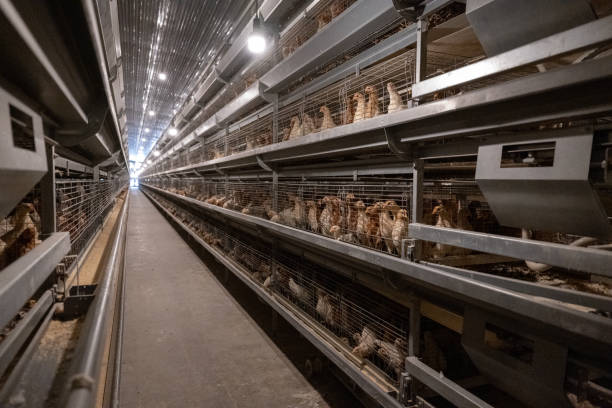
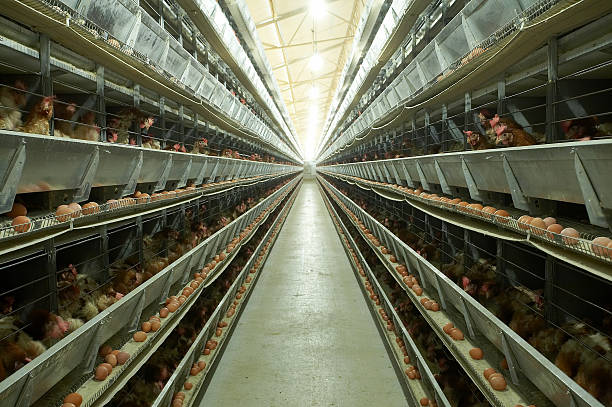
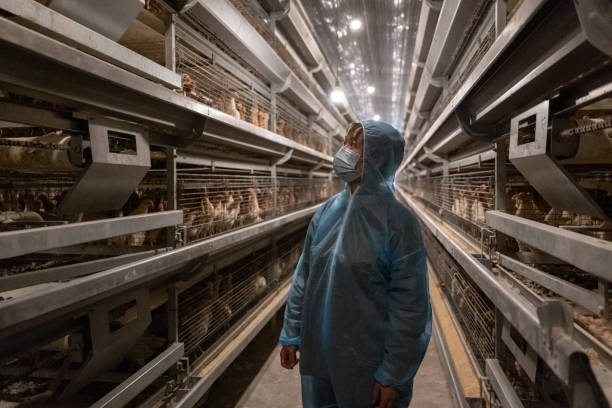
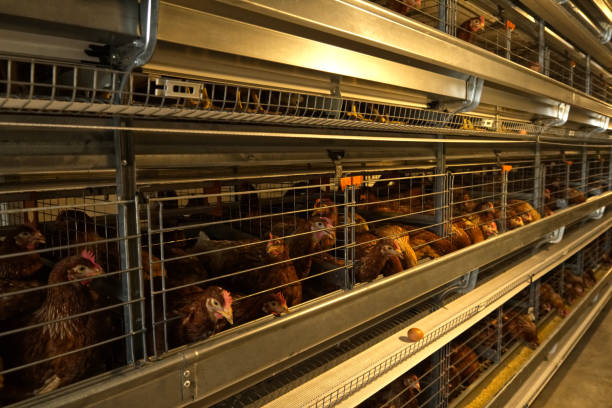
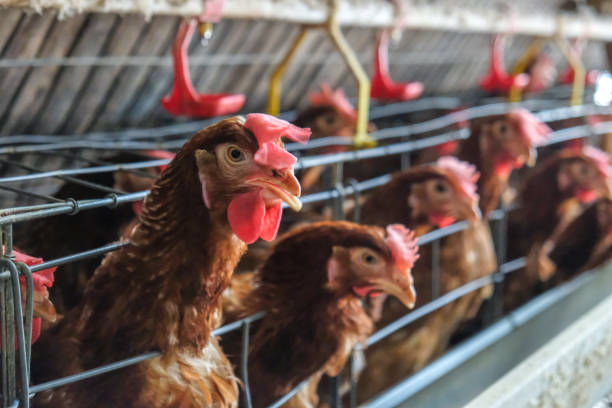
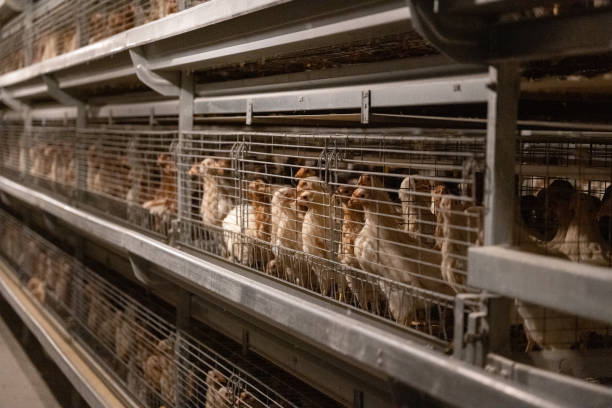
Whether you’re setting up a new farm in Harare, Bulawayo, or rural Mashonaland, planning your housing system well ahead is crucial. A properly configured cage layout doesn’t just save space — it improves ventilation, reduces labor, enhances biosecurity, and ultimately boosts your return on investment. Our standard solution for a 50,000-hen layer farm includes multi-tier A-frame cage systems arranged in long house configurations (typically 120m x 14m), which can comfortably accommodate all birds while maintaining optimal air flow and access for feeding and cleaning. These cages are made from galvanized steel to resist rust — essential in Zimbabwe’s variable climate — and feature anti-pecking mesh, adjustable feed troughs, and sloped floors that allow eggs to roll gently into collection trays.
### Why Choose Modern Cage Systems Over Deep Litter?
Many smallholder farmers still use deep litter systems because they’re familiar and require less upfront investment. But when dealing with 50,000 layers, deep litter becomes expensive, dirty, and difficult to manage. Accumulated manure leads to high ammonia levels, respiratory issues in birds, and increased risk of disease outbreaks like coccidiosis and red mites. Labor costs also skyrocket as more workers are needed for daily cleaning, bedding supply, and pest control.
With cage systems, waste drops directly into manure belts or collection pits below, keeping birds clean and dry. Automated manure removal (which we offer as an add-on) makes this process even easier — some of our clients run full houses with only 6–8 staff per shift. Feeding and watering can be fully automated too. Our layer farms come equipped with chain feeders that distribute consistent portions across all tiers, reducing waste and competition among birds. Nipple drinking lines ensure constant access to fresh water and minimize spillage — a big win in areas where water isn’t always abundant.
Another major benefit of cages is improved egg yield and hygiene. Eggs laid in cages roll immediately to central collection points, avoiding contact with droppings or dirt. This means fewer dirty eggs, less breakage, and higher market value. Most of our Zimbabwean customers report a 5–7% increase in saleable eggs after switching from floor systems to caged housing. Combine that with better feed conversion ratios (FCR) due to reduced activity and stress, and you’re looking at stronger monthly profits.
### Smart Features That Make Life Easier on Big Farms
You might think technology adds complexity, but today’s smart poultry equipment actually simplifies large-scale management. For example, our layer farming cages include features like automatic egg collection conveyors, climate-controlled ventilation systems, and even remote monitoring via smartphone apps. Imagine being able to check temperature, humidity, feed levels, and lighting schedules from your phone — whether you’re down the road or traveling abroad.
Lighting programs are especially important in layer farms. Hens need precise photoperiods to maintain peak production. Too little light? Lay rates drop. Too much? Stress increases and mortality may rise. We install programmable LED lighting systems that follow scientifically proven schedules: gradually increasing daylight during rearing and stabilizing at 14–16 hours once pullets begin laying. These lights consume up to 80% less power than traditional bulbs and last years longer — a key advantage in regions prone to load-shedding or high electricity bills.
Then there’s ventilation. In hotter parts of Zimbabwe like Beitbridge or Gweru, summer temperatures often exceed 35°C. Without proper airflow, heat stress can cause reduced appetite, lower egg size, and sudden deaths. Our poultry houses use tunnel ventilation systems with cooling pads at one end and powerful exhaust fans at the other. As warm outside air passes through wet pads, it cools before entering the house, dropping internal temps by 5–8°C. Together with ridge vents and side curtains, this creates uniform air distribution and prevents dead zones.
Even egg collection gets smarter. Instead of manual gathering three times a day, our turnkey projects include conveyor belts under each cage row. Collected eggs move steadily to an end packing station where workers inspect, count, and pack them efficiently. Some farms integrate weighing scales and grading machines here, further cutting processing time and human error.
All these systems work together to create a seamless production line — from chick placement at 16 weeks to peak lay at 28 weeks and beyond. And because everything is modular, expansion is easy if you decide to grow to 75,000 or 100,000 birds later on.
### From Design to Delivery — We Guide You Every Step
Starting a 50,000-bird operation isn’t something you wing — it requires expert planning and support. That’s why we don’t just sell cages; we deliver full-service solutions. Once you share basic details (like available land size, local climate, flock age, and production goals), our team drafts a custom farm layout showing cage rows, equipment placement, walkways, and service areas.
We help source compatible brooders, feed silos, generators, and water tanks — either through us or local partners. If needed, we arrange shipping containers, handle customs documentation for Zimbabwean import regulations, and dispatch experienced technicians for installation supervision. Training is included too — your staff will learn how to operate feed systems, collect manure safely, troubleshoot common issues, and carry out routine maintenance.
Our builds have already taken root across Southern Africa — from Zambia to Malawi and South Africa. Clients appreciate the durability of our galvanized structures (minimum 15-year lifespan), the ease of cleaning between batches, and the scalable design that matches local power and labor realities.
Ready to build a future-proof layer farm in Zimbabwe? Don’t leave efficiency to chance. Tell us about your project — acreage, budget range, preferred start date — and we’ll send a free proposal with 3D layout, equipment list, and transparent pricing within 48 hours. Message us today and get closer to launching a smarter, cleaner, and more profitable egg business.
—
**Frequently Asked Questions**
What capacity options do you offer besides 50,000 birds?
Yes, we customize farms for 10,000 up to 200,000 birds. Whether you’re expanding step-by-step or building big from the start, we adjust layout and systems accordingly.
Are your cages suitable for Zimbabwe’s weather?
Absolutely. All our cages use hot-dipped galvanized steel, which resists corrosion from rain, humidity, and manure gases. Frames stay strong even after years of tropical sun and seasonal rains.
Can I automate a farm without stable electricity?
Yes. Many of our clients use solar hybrid systems or diesel generators to power automation. We design backup-ready electrical plans so critical systems like ventilation keep running during outages.
How long does delivery take to Zimbabwe?
From order confirmation, manufacturing takes 25–30 days. Shipping from China to Beira or Durban ports takes 25–35 days, plus inland trucking to your site. Total timeline: roughly 8–10 weeks.
Do you provide installation support?
Yes. We send trained supervisors to oversee assembly, connect automation components, test all systems, and train your team before handing over the farm.
What is the expected egg production per hen in your cages?
With good management, expect 90–93% peak lay rates (around 46,000–47,000 eggs per day). Proper nutrition, vaccination, and environment play key roles — we guide you on best practices.
Is it hard to clean cage systems?
Not at all. Unlike deep litter, cages allow quick washing with pressure sprayers. Manure belts reduce residue buildup. Most farms complete full cleaning in 2–3 days between flocks.
Can I finance the setup?
While we don’t offer direct financing, we provide official invoices and documentation you can use to apply for agricultural loans from banks or government schemes in Zimbabwe.
How often should I replace parts?
Major components like frames and mesh last 15+ years. Wear items like feeders, drinkers, and motors usually last 5–8 years with regular maintenance.
Do you work with local distributors in Zimbabwe?
Currently, we ship directly from China to avoid markup and ensure quality control. However, we partner with reliable freight forwarders who handle port clearance and transport efficiently.