Chicken Farm Planning for Beginners: Setting Up Your Poultry Business with Battery Cages
Chicken Farm Planning for Beginners: Setting Up Your Poultry Business with Battery Cages
So, you’re thinking about starting a chicken farm? That’s fantastic! The poultry business can be incredibly rewarding, and with careful planning, you can build a successful and profitable operation. If you’re considering using battery cages, you’re probably looking at maximizing space and efficiency. This guide is designed for beginners looking to navigate the initial steps of setting up a chicken farm with battery cages, covering everything from planning and regulations to choosing equipment and managing your flock.
Understanding the Basics: Battery Cages Explained
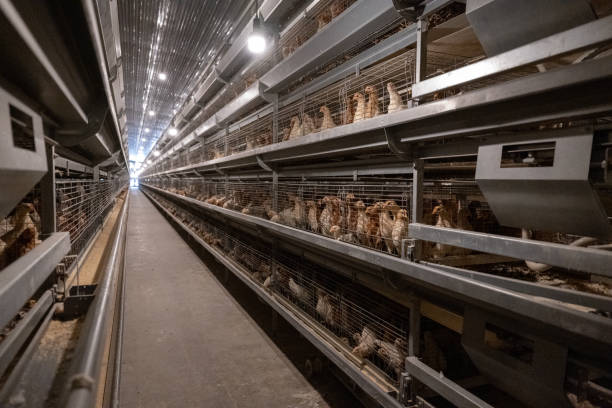
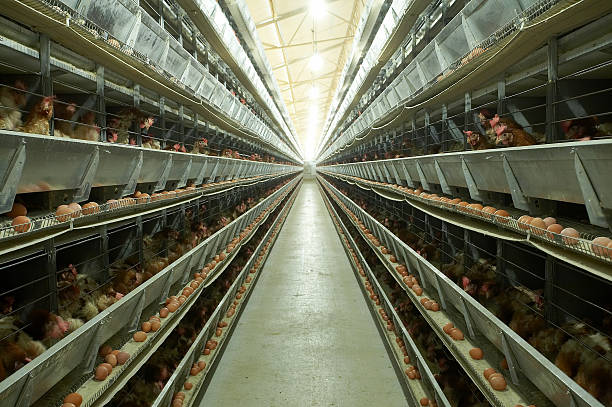
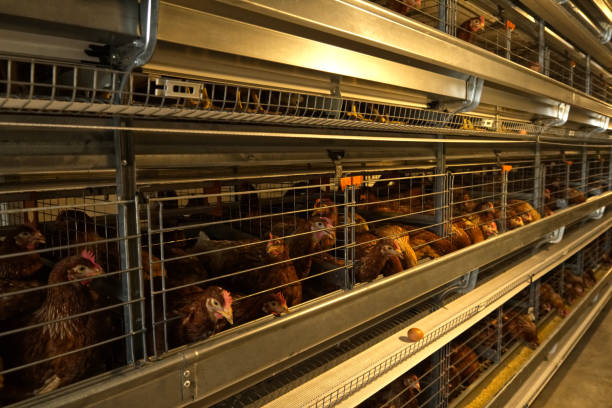
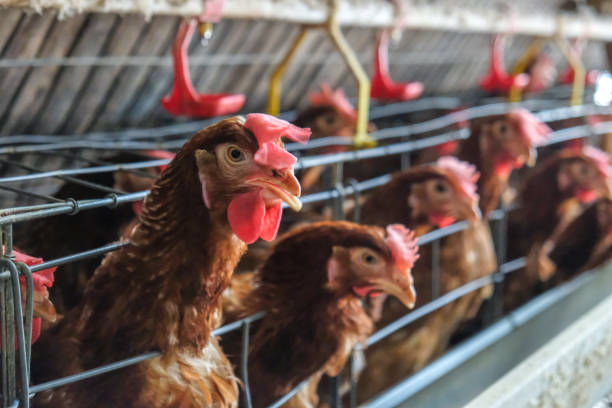
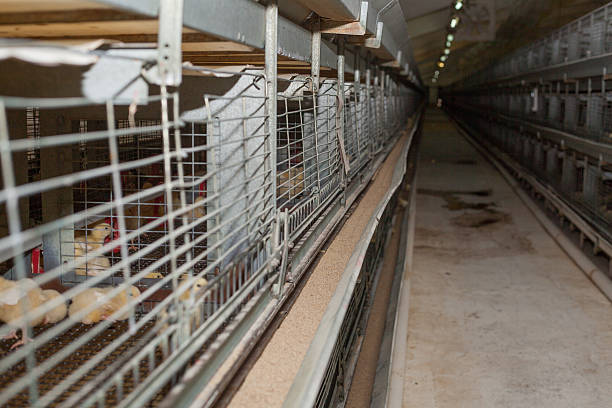
First things first, let’s clarify what battery cages are. These are housing systems used primarily for egg-laying hens. They consist of rows of identical cages joined together, sharing common divider walls. Typically, each cage houses multiple hens, providing them with easy access to food and water. The sloped floors make it easy for eggs to roll out for collection, simplifying the process and minimizing egg damage. Battery cages are known for their efficient use of space, allowing farmers to keep a large number of birds in a relatively small area.
Why Choose Battery Cages?
Before we delve deeper, let’s quickly talk about why battery cages might be the right choice for you. The main advantages include:
Increased Efficiency: Battery cages maximize space, allowing you to house more chickens in a smaller area. This can lead to higher egg production per square foot.
Improved Hygiene: The design of battery cages makes it easier to manage manure, reducing the risk of disease and improving overall hygiene.
Easier Egg Collection: Sloped floors and automated collection systems make egg gathering quick and efficient, saving you time and labor.
Better Monitoring: It’s easier to monitor individual hens for health issues in a cage system, allowing for prompt treatment.
Step 1: Crafting a Solid Business Plan
Before you order a single chicken or a single cage, you need a well-thought-out business plan. This plan serves as your roadmap and will be crucial for securing funding and staying on track.
Market Analysis: Who are you selling to? Are you targeting local markets, restaurants, or larger distributors? Figure out the demand for eggs or chicken in your area and identify your potential customers. Research your competition and understand their pricing strategies.
Production Goals: How many chickens do you plan to raise? How many eggs do you want to produce per week or month? Set realistic goals based on your market analysis and your capacity.
Financial Projections: This is where you crunch the numbers. Estimate your startup costs (land, cages, chickens, equipment), operating expenses (feed, labor, utilities), and projected revenue. Calculate your break-even point and potential profit margins. A well-researched financial plan is a must!
Management Plan: How will you manage your daily operations? Who will be responsible for feeding, cleaning, and egg collection? Outline your staffing needs and management structure.
Marketing Strategy: How will you reach your target customers? Will you sell directly at farmers’ markets, supply local restaurants, or partner with distributors? Develop a plan for promoting your products and building your brand.
Step 2: Navigating Regulations and Permits
Poultry farming is subject to regulations and permits at the local, state, and federal levels. Don’t skip this crucial step! Contact your local agricultural extension office or department of agriculture to learn about the specific requirements in your area.
Zoning Regulations: Ensure that your chosen location is zoned for agricultural use and that poultry farming is permitted.
Environmental Regulations: Understand the rules regarding manure management, water usage, and waste disposal. You may need permits for manure storage facilities or wastewater treatment systems.
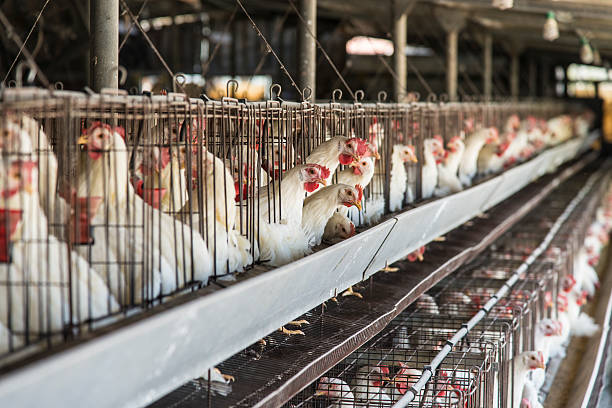
Animal Welfare Regulations: Familiarize yourself with animal welfare standards, including space requirements, ventilation, and access to food and water. While battery cages are widely used, some regions have specific regulations regarding their use.
Food Safety Regulations: Comply with food safety regulations for egg production and handling. This may include requirements for sanitation, temperature control, and traceability.
Business Licenses and Permits: Obtain the necessary business licenses and permits to operate your farm legally.
Step 3: Choosing the Right Location
The location of your chicken farm can significantly impact its success. Consider the following factors when selecting a site:
Accessibility: Choose a location that is easily accessible for deliveries of feed and supplies, as well as for transporting your products to market.
Proximity to Markets: Being close to your target markets can reduce transportation costs and improve the freshness of your products.
Utilities: Ensure access to reliable sources of electricity and water. Chickens require a constant supply of clean water, and electricity is needed for lighting, ventilation, and automated equipment.
Zoning and Regulations: Double-check that the location meets all zoning and environmental regulations.
Space: You’ll need enough space for your chicken houses, feed storage, processing facilities (if applicable), and room for expansion.
Drainage: Good drainage is essential to prevent water buildup and maintain a dry environment for your chickens.
Biosecurity: Consider the proximity to other poultry farms. Being too close to other farms can increase the risk of disease outbreaks.
Step 4: Selecting and Setting Up Your Battery Cages
Choosing the right battery cages is a critical decision. Consider factors like the size of your flock, your budget, and the specific needs of your operation.
Cage Size and Capacity: Battery cages come in various sizes and capacities. Choose cages that provide enough space for your hens to move comfortably and access food and water. Overcrowding can lead to stress and reduced egg production.
Construction Materials: Look for cages made from durable, corrosion-resistant materials like galvanized steel. This will ensure that your cages last for many years.
Ventilation: Proper ventilation is essential for maintaining air quality and preventing the buildup of harmful gases like ammonia. Ensure that your chicken house has adequate ventilation systems.
Feeding and Watering Systems: Consider automated feeding and watering systems to reduce labor costs and ensure that your chickens have constant access to food and water. Nipple drinkers are a popular choice for battery cages.
Egg Collection System: Choose an egg collection system that is efficient and minimizes egg damage. Automated egg collection systems can significantly reduce labor costs.
Manure Removal System: Opt for a manure removal system that is easy to clean and maintain. Automatic manure removal systems can save you a lot of time and effort.
Cage Layout: Plan the layout of your cages carefully to maximize space and efficiency. Ensure that there is enough room for walkways and equipment.
Installation: Follow the manufacturer’s instructions carefully when installing your battery cages. Ensure that all cages are properly aligned and securely fastened.
Step 5: Choosing Your Chickens
The breed of chicken you choose will depend on your production goals.
Layer Breeds:
White Leghorn: Known for their high egg production and efficient feed conversion.
Rhode Island Red: A dual-purpose breed that lays brown eggs and can also be raised for meat.
Hybrids: Many hybrid breeds are available that offer a combination of high egg production and good disease resistance.
Sourcing Your Chicks:
Hatcheries: Purchase chicks from reputable hatcheries that guarantee the health and quality of their birds.
Local Breeders: Consider buying chicks from local breeders. This can help you support local businesses and ensure that your birds are well-adapted to your climate.
Step 6: Managing Your Flock: Health and Nutrition
Once your chickens arrive, proper management is crucial for their health and productivity.
Nutrition: Provide your chickens with a balanced diet that meets their nutritional needs. Use a commercially formulated layer feed that is specifically designed for egg-laying hens. Ensure that your chickens have constant access to fresh, clean water.
Health Management: Implement a comprehensive health management program to prevent and control diseases. Vaccinate your chickens against common poultry diseases. Monitor your flock regularly for signs of illness, such as decreased egg production, lethargy, or unusual behavior. Consult with a veterinarian if you suspect any health problems.
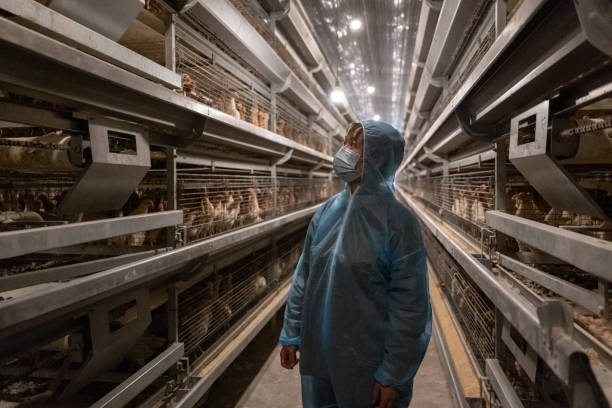
Biosecurity: Implement strict biosecurity measures to prevent the introduction and spread of diseases. Control access to your farm, disinfect equipment and vehicles, and practice good hygiene.
Lighting: Provide your chickens with adequate lighting. Layer hens need about 14-16 hours of light per day to maintain optimal egg production.
Temperature Control: Maintain a comfortable temperature in your chicken house. Provide adequate ventilation to prevent overheating in the summer and supplemental heat in the winter.
Record Keeping: Keep detailed records of your flock’s health, egg production, feed consumption, and other important data. This information will help you identify problems early and make informed management decisions.
Step 7: Egg Collection and Handling
Proper egg collection and handling are essential for maintaining egg quality and safety.
Frequency: Collect eggs frequently, ideally several times a day, to minimize the risk of contamination and damage.
Cleaning: Clean eggs as soon as possible after collection. Use a dry brush or sandpaper to remove dirt and debris. Do not wash eggs unless they are heavily soiled.
Storage: Store eggs in a cool, dry place at a temperature of 40-45°F (4-7°C). This will help to preserve their freshness and quality.
Grading and Packaging: Grade your eggs according to size and quality. Package them in clean, sanitized cartons.
Transportation: Transport eggs in a refrigerated vehicle to maintain their temperature and prevent spoilage.
Step 8: Waste Management
Proper waste management is crucial for preventing environmental pollution and maintaining good hygiene.
Manure Storage: Store manure in a designated area that is protected from the elements. Ensure that the storage area is properly designed to prevent runoff and contamination of groundwater.
Manure Disposal: Dispose of manure in an environmentally responsible manner. Options include spreading it on cropland as fertilizer, composting it, or selling it to farmers or gardeners.
Composting: Composting manure is a great way to reduce its volume and odor. It also produces a valuable soil amendment.
Regulations: Comply with all regulations regarding manure management and waste disposal.
Final Thoughts
Starting a chicken farm with battery cages requires careful planning, attention to detail, and a commitment to animal welfare and environmental responsibility. By following the steps outlined in this guide, you can lay the foundation for a successful and rewarding poultry business. Remember to stay informed about industry best practices and adapt your management strategies as needed. Good luck, and happy farming! Remember to always research local regulations and best practices for animal welfare in your area. Battery cages, while efficient, are a subject of ethical debate, and it’s important to be aware of the different perspectives and potentially explore alternative cage-free systems in the future.