Find the Best Deals on Automatic Layer Cages for Your Indian Poultry Farm
Find the Best Deals on Automatic Layer Cages for Your Indian Poultry Farm
For Indian poultry farmers aiming to maximize egg production and efficiency, automatic layer cages are a game-changer. These systems not only streamline operations but also contribute to improved bird welfare and reduced labor costs. Finding the best deals requires careful research and an understanding of the factors that influence pricing and quality. This comprehensive guide will help you navigate the market and secure the most advantageous deals on automatic layer cages for your Indian poultry farm.
Understanding Automatic Layer Cages
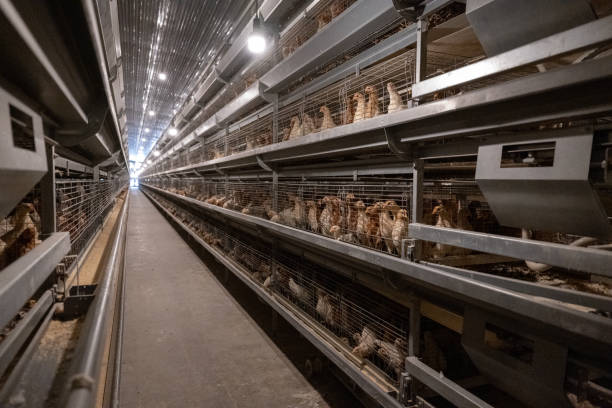
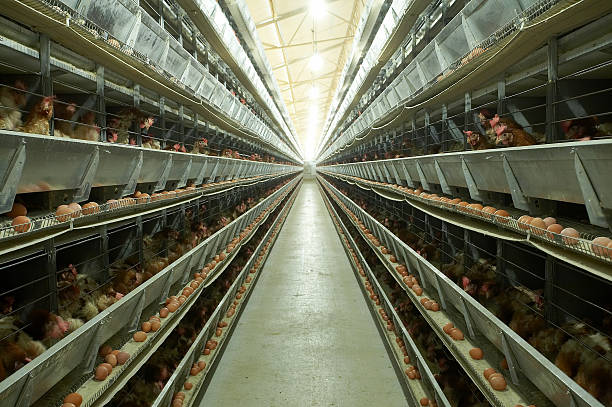
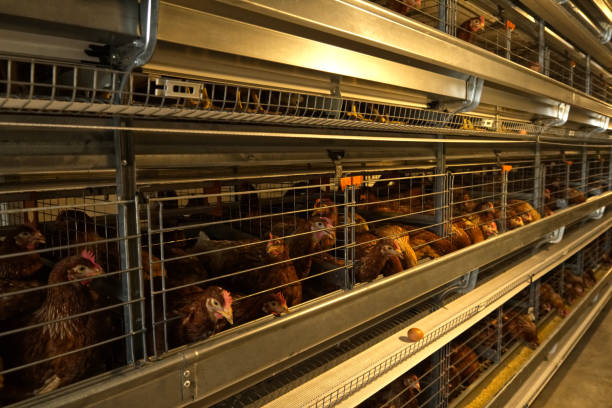
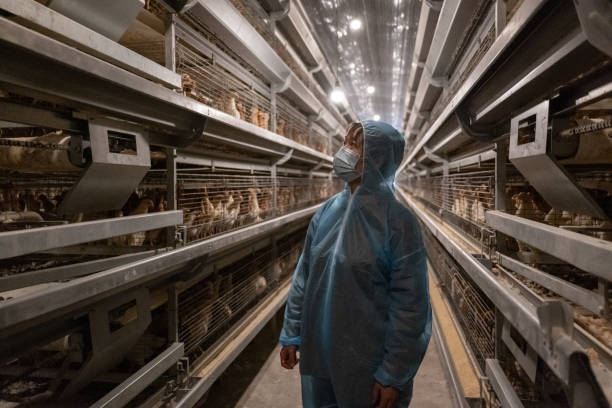
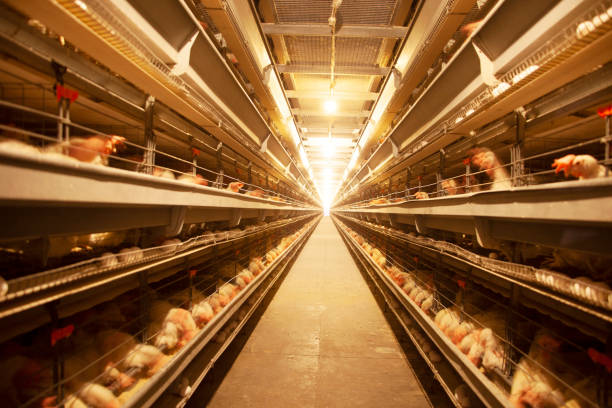
Before diving into how to find the best deals, it’s essential to understand what automatic layer cages entail and the benefits they offer. Automatic layer cages are designed to automate crucial tasks like feeding, watering, egg collection, and manure removal. This automation significantly reduces the manual labor required, allowing farmers to focus on other critical aspects of farm management.
Benefits of Automatic Layer Cages
Increased Egg Production: Hens in well-maintained cage systems tend to lay more eggs due to a controlled environment that minimizes stress and competition.
Reduced Labor Costs: Automation minimizes the need for manual labor, resulting in significant cost savings over time.
Improved Hygiene: Automatic manure removal systems contribute to a cleaner environment, reducing the risk of disease outbreaks.
Better Bird Welfare: Modern cage designs prioritize bird comfort with adequate space, proper ventilation, and easy access to food and water.
Efficient Space Utilization: Layer cages allow for higher stocking densities compared to traditional free-range systems, maximizing land use.
Enhanced Egg Quality: Clean and automated egg collection systems ensure better egg quality, reducing the risk of contamination and breakage.
Factors Affecting the Price of Automatic Layer Cages
Several factors influence the price of automatic layer cages, and understanding these can help you make informed decisions and negotiate better deals.
Cage Material: The type of material used in constructing the cages significantly affects the price. Galvanized steel is a common and durable option, but the quality of galvanization and the gauge of the steel can vary, impacting the cost.
Automation Level: The extent of automation directly influences the price. Fully automatic systems with advanced features like automatic feeding, watering, egg collection, and manure removal will be more expensive than semi-automatic systems.
Cage Design and Size: The design and size of the cages play a role in pricing. Different cage configurations (A-frame, H-frame) and the number of tiers affect material usage and manufacturing complexity.
Manufacturer Reputation and Brand: Established manufacturers with a reputation for quality and reliability often charge a premium. However, their products typically come with better warranties and after-sales service.
Import Duties and Taxes: If you are importing cages, import duties, taxes, and shipping costs will add to the overall expense.
Installation Costs: Consider the cost of installation, which can vary depending on the complexity of the system and the distance from the supplier.
Customization: Customizing the system to meet specific farm requirements can increase the cost, but it ensures that the cages are perfectly suited to your needs.
After-Sales Service and Warranty: A comprehensive warranty and reliable after-sales service can justify a higher price, as they provide peace of mind and protect your investment in the long run.
Where to Find the Best Deals
Finding the best deals on automatic layer cages requires a strategic approach. Here are some effective methods to explore:
Direct Manufacturers: Contacting manufacturers directly can often yield the best prices. Many manufacturers offer competitive rates and are willing to negotiate, especially for bulk orders.
Online Marketplaces: Platforms like Alibaba, IndiaMART and industry-specific B2B marketplaces list numerous suppliers of poultry equipment. Compare prices and specifications from different vendors to identify potential deals.
Trade Shows and Exhibitions: Attending poultry trade shows and exhibitions in India and internationally provides an opportunity to meet manufacturers and suppliers face-to-face, view their products, and negotiate prices.
Local Dealers and Distributors: Local dealers and distributors can offer competitive prices, especially if they have established relationships with manufacturers. They also provide the advantage of local support and faster delivery.
Referrals and Recommendations: Seek referrals from other poultry farmers or industry experts. Recommendations can lead you to reliable suppliers offering good deals.
Auction Sites: Occasionally, you might find good deals on auction sites, but exercise caution and thoroughly vet the seller before making a purchase.
Tips for Negotiating the Best Price
Once you have identified potential suppliers, negotiation is key to securing the best deal. Here are some tips to help you negotiate effectively:
Do Your Research: Before negotiating, gather information on the average market price of similar cages. This will give you a benchmark to work with.
Get Multiple Quotes: Obtain quotes from several suppliers to compare prices and leverage them during negotiation.
Be Clear About Your Requirements: Clearly communicate your specific requirements, including cage dimensions, automation level, and any customization needs. This helps suppliers provide accurate quotes and allows you to compare apples to apples.
Negotiate Payment Terms: Discuss payment terms with the supplier. Negotiate for favorable terms such as installment payments or discounts for upfront payments.
Inquire About Discounts: Ask about discounts for bulk orders, seasonal promotions, or special offers.
Bundle Purchases: If you need other poultry equipment, consider bundling your purchases to negotiate a better overall price.
Be Prepared to Walk Away: If the supplier is unwilling to meet your price expectations, be prepared to walk away. This demonstrates that you are serious and may prompt them to reconsider their offer.
Build a Relationship: Building a good relationship with the supplier can lead to better deals in the long run. Treat them with respect and communicate your needs clearly.
Key Features to Look for in Automatic Layer Cages
When evaluating automatic layer cages, consider these key features to ensure you are investing in a high-quality system:
Durable Construction: Look for cages made from galvanized steel with a thick coating to prevent rust and corrosion.
Adequate Cage Space: Ensure the cages provide sufficient space for hens to move comfortably, promoting their well-being and egg production.
Effective Ventilation: Proper ventilation is crucial for maintaining air quality and preventing disease outbreaks. Look for cages with good ventilation systems.
Automated Feeding System: The feeding system should be reliable and efficient, delivering feed uniformly to all cages.
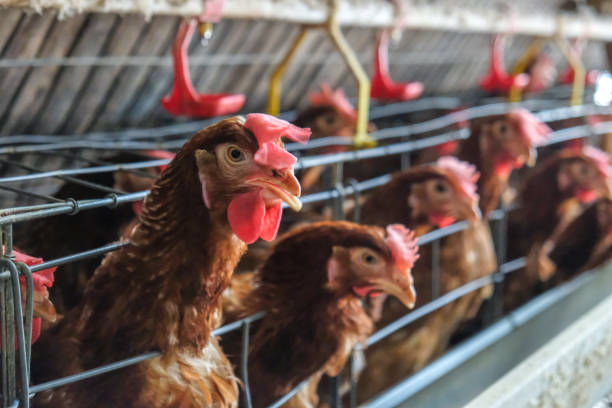
Automated Watering System: The watering system should provide a constant supply of fresh water to the hens. Nipple drinkers are a common and effective choice.
Automated Egg Collection System: The egg collection system should be gentle and efficient, minimizing egg breakage and contamination.
Automated Manure Removal System: The manure removal system should effectively remove waste, keeping the cages clean and reducing the risk of disease.
Easy Maintenance: Choose cages that are easy to clean and maintain, reducing downtime and extending the lifespan of the system.
Bird-Friendly Design: The cage design should minimize stress and injuries to the hens. Features like smooth surfaces and rounded edges are important.
Assessing Supplier Reliability
Choosing a reliable supplier is crucial for a successful investment. Here are some factors to consider when assessing supplier reliability:
Experience and Reputation: Look for suppliers with extensive experience in the poultry equipment industry and a good reputation for quality and service.
Customer Reviews and Testimonials: Read customer reviews and testimonials to get an idea of the supplier’s reliability and customer satisfaction.
Certifications and Standards: Check if the supplier has relevant certifications and adheres to industry standards for quality and safety.
Warranty and After-Sales Service: Ensure the supplier offers a comprehensive warranty and reliable after-sales service, including technical support and spare parts availability.
Factory Visits: If possible, visit the supplier’s factory to assess their production capabilities and quality control processes.
Financial Stability: Check the financial stability of the supplier to ensure they are capable of fulfilling their obligations.
Communication and Responsiveness: Assess the supplier’s communication and responsiveness. A reliable supplier should be prompt and clear in their communication.
Installation and Maintenance Considerations
Proper installation and regular maintenance are essential for the long-term performance of automatic layer cages.
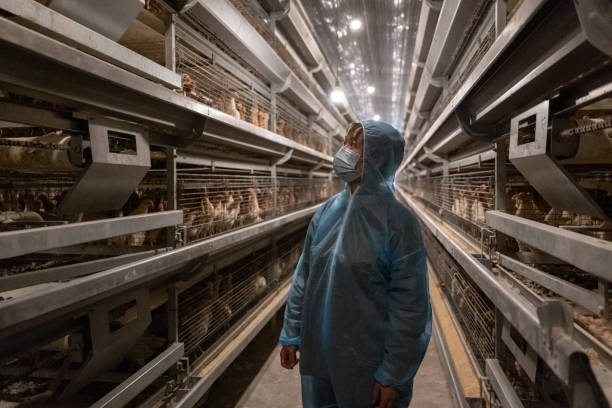
Professional Installation: Hire experienced professionals to install the cages properly. This ensures that the system functions correctly and avoids potential problems.
Regular Maintenance: Establish a regular maintenance schedule to inspect and clean the cages, feeding system, watering system, egg collection system, and manure removal system.
Prompt Repairs: Address any issues or malfunctions promptly to prevent further damage and maintain optimal performance.
Training for Staff: Train your staff on how to operate and maintain the cages properly. This will help them identify and resolve minor issues before they escalate.
Spare Parts Availability: Ensure that spare parts are readily available from the supplier or local dealers. This will minimize downtime in case of breakdowns.
Financing Options for Automatic Layer Cages
Investing in automatic layer cages can be a significant expense. Explore these financing options to make the investment more manageable:
Bank Loans: Approach banks and financial institutions for loans specifically designed for agricultural businesses.
Government Subsidies: Check for government subsidies and schemes that offer financial assistance to poultry farmers.
Leasing Options: Consider leasing the cages instead of purchasing them outright. This can reduce the initial investment and provide tax benefits.
Supplier Financing: Some suppliers offer financing options to help customers purchase their equipment.
Microfinance Institutions: Explore microfinance institutions that provide small loans to entrepreneurs and small businesses.
Conclusion
Finding the best deals on automatic layer cages for your Indian poultry farm requires a comprehensive approach that involves understanding the factors affecting price, exploring various sourcing options, negotiating effectively, and assessing supplier reliability. By following the tips and guidelines outlined in this guide, you can make an informed decision and secure a deal that maximizes the value of your investment. Remember to prioritize quality, durability, and after-sales service to ensure the long-term success of your poultry operation. With the right automatic layer cage system, you can significantly increase egg production, reduce labor costs, and improve the overall efficiency of your farm, contributing to a more profitable and sustainable poultry business.