How Much Does It Cost to Set Up an Automatic Layer Farm in Nigeria?
How Much Does It Cost to Set Up an Automatic Layer Farm in Nigeria?
Setting up an automatic layer farm in Nigeria can be an exciting and profitable investment for those looking to enter the poultry industry. With the increasing demand for eggs and poultry products in Nigeria and the growing emphasis on automation to boost efficiency and reduce labor costs, more and more entrepreneurs are leaning toward modern, automated systems. However, a common question that comes up is: How much does it actually cost to set up an automatic layer farm in Nigeria? In this article, we’ll break down the various cost components involved, from infrastructure and equipment to feed and labor, helping you make an informed decision before jumping into this business.
Understanding the Scope of an Automatic Layer Farm
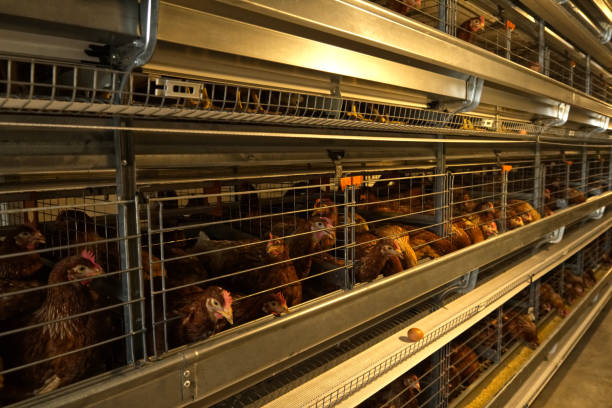
First things first, let’s understand what an automatic layer farm is. Unlike traditional layer farming where feeding, watering, egg collection, and manure removal are mostly manual, an automatic layer farm uses advanced mechanized systems to handle these processes. This not only increases productivity but also significantly reduces the amount of human labor required.
In Nigeria, where labor can sometimes be inconsistent and expensive, automatic systems are becoming increasingly attractive. These systems include automatic feeding lines, nipple watering systems, cage systems with manure belts, and automated egg collection belts—all designed to streamline the farming process.
Key Components of an Automatic Layer Farm Setup
To accurately estimate the cost, let’s go over the main components involved in setting up such a farm:
Infrastructure (housing/sheds)
Poultry cage systems (battery cages for layers)
Feeding systems (automatic feeding lines)
Watering systems (nipple drinkers)
Manure removal systems (manure belts or scrapers)
Egg collection systems (egg belts)
Ventilation and cooling systems
Power or solar backup systems
Initial cost of day-old chicks and feed
Vaccines, medications, and biosecurity equipment
Labor and management software (optional)
Cost of Infrastructure (Farm House/Sheds)
The first major expense is setting up the physical structure where the chickens will live. The shed size will depend on the number of birds you plan to keep.
For example, if you’re planning a medium-scale automatic layer farm with a capacity of 10,000 birds, the shed should be around 150 meters long and 12 meters wide—about 1,800 square meters. The cost of building such a shed in Nigeria can vary based on location, materials used, and quality of construction.
On average, you can expect:
Low-cost construction: ₦15,000 – ₦20,000 per square meter
Moderate to high-quality construction: ₦25,000 – ₦35,000 per square meter
So, a 1,800 square meter shed would cost approximately ₦27 million to ₦63 million depending on the level of finish, type of roofing, wall structure (block or steel), and internal fixtures.
Investment in Automatic Layer Cage Systems
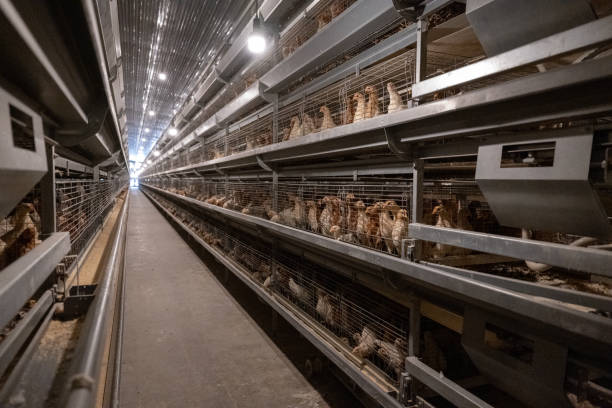
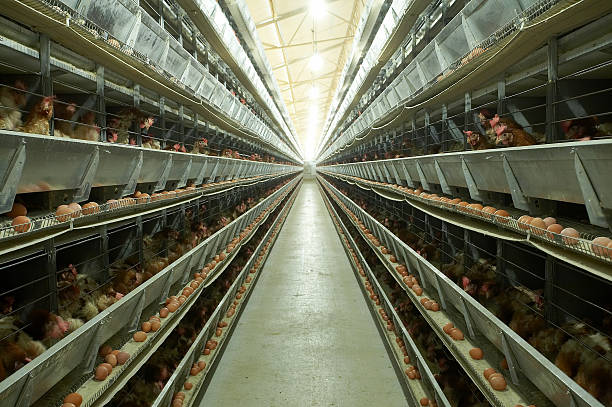
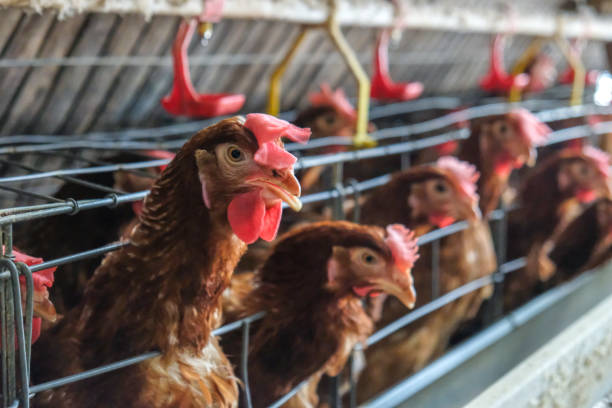
The next major cost is the automatic poultry cage system* used for housing the laying hens. This is the core of your automation strategy. Unlike older floor systems that are susceptible to contamination and require more labor, modern cage systems offer better hygiene, higher bird density, and automated care functions.
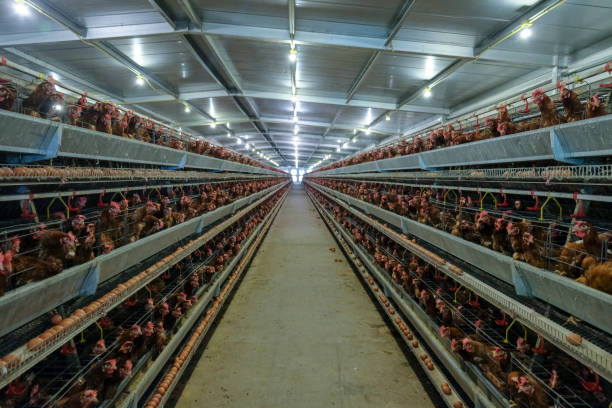
A standard automatic cage system for 10,000 layer birds includes:
Multi-tier cages (3–4 levels)
Integrated feeding lines
Nipple drinking systems
Manure belts or scrapers
Egg collection belts
The cost of a complete imported automatic cage system (from countries like China or Europe) ranges between ₦60 and ₦90 per bird capacity. For 10,000 birds, this works out to roughly ₦6 million to ₦9 million.
Locally made systems may be cheaper, but they often lack the durability, ease of maintenance, and performance of imported cages. Considering this is a long-term asset, investing in higher-quality cages is recommended.
Feeding System: The Heart of Automation
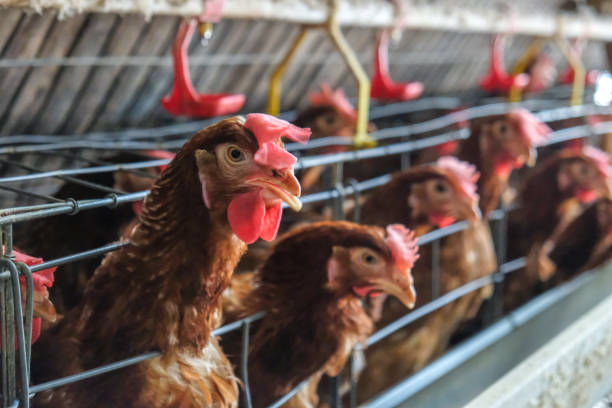
Automatic feeding systems eliminate the need for manual feeding and help reduce feed waste. Modern setups use chain link feeding systems or auger feeding systems, both of which ensure uniform feed distribution at fixed intervals.
For a 10,000-bird setup, the cost of installing a reliable automated feeding system can range from ₦1 million to ₦2 million, depending on whether it’s fully integrated with a control panel or manually operated.
Watering System: Nipple Drinkers for Better Hygiene
Traditional water troughs are not only labor-intensive to clean and refill but also pose contamination risks. Nipple drinkers are much more hygienic, reduce water spillage, and can be integrated with automatic pressure systems.
The cost of setting up a full watering system with PVC pipes and nipple drinkers for a 10,000-bird farm ranges between ₦800,000 and ₦1.5 million, including labor for installation and water pump setup.
Manure Removal Systems: Keeping the Farm Clean
Manure belts are a key feature of modern cage systems that help automate waste removal. They prevent disease outbreaks by keeping the environment cleaner and reducing ammonia buildup.
A complete manure removal system (including belts, scraper blades, and disposal area setup) for 10,000 birds can cost between ₦1.2 million and ₦2 million, depending on the number of belts and the efficiency of the system.
Egg Collection System: Efficiency in Harvesting
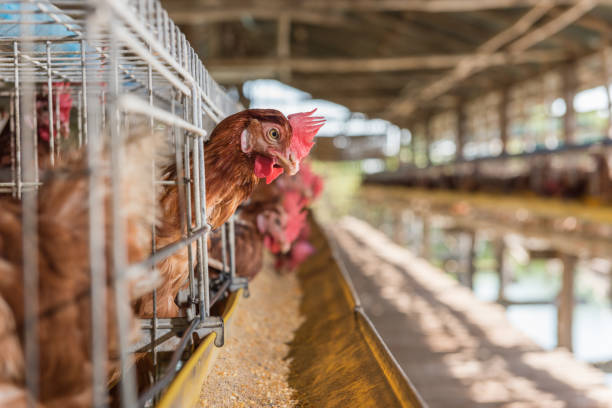
The egg collection system is another major time-saver. Instead of manually gathering eggs, a collection belt moves the eggs gently from the laying nests to a central collection point. This reduces breakage, saves labor, and improves hygiene.
Installation of an egg belt system for a medium-sized farm costs about ₦1 million to ₦1.8 million, depending on the length and integration with the cage system.
Ventilation and Cooling System: Critical for Bird Health
Layer hens are heat-sensitive, and Nigeria’s tropical climate means temperature control is crucial. Proper ventilation helps reduce heat stress, keeps ammonia levels low, and prevents disease outbreaks.
A complete system includes:
Tunnel ventilation with fans
Cooling pads or misters
Control system for temperature regulation
For a 10,000-bird farm, the cost can be between ₦2 million and ₦3.5 million, depending on the level of automation and equipment quality.
Power Backup Solutions
In Nigeria, consistent power supply is still a challenge. To avoid disruption of ventilation, feeding, and watering systems, setting up a diesel generator or solar system is essential.
A generator for a farm of this size should be at least 25-30 KVA, costing between ₦1.5 million and ₦3 million. Solar backup systems may be more expensive initially but offer long-term savings on fuel and maintenance. A basic solar system may cost ₦4 million to ₦7 million.
Chicks and Initial Feed Supply
Now that you’ve set up the physical farm and equipment, it’s time to bring in the birds and the feed. Day-old chicks (DOCs) are the starting point for any layer farm.
In Nigeria, the price of a DOC varies depending on the hatchery and the breed. Local breeds are cheaper, while imported breeds like Hy-Line, Isa Brown, or Shaver are more expensive.
Local breeds: ₦2,000 – ₦2,500 per chick
Imported breeds: ₦3,500 – ₦5,500 per chick
For 10,000 birds, using imported breeds, you’re looking at ₦35 million to ₦55 million for the chicks alone. This is one of the biggest upfront costs, so choose wisely based on your budget and market demand.
Feed accounts for 65–70% of operational costs in poultry farming. For the first four months (the growing stage), you’ll need broiler starter, grower, and pre-layer feed. Then, once the birds start laying, they’ll require layer mash.
For the first month, estimate a feed cost of at least ₦5 to ₦8 per bird per month, so around ₦500,000 to ₦800,000 for 10,000 birds. This will increase as birds mature.
Vaccines, Medications & Biosecurity
Maintaining a strong biosecurity system is essential to prevent disease outbreaks. Initial medical costs include:
Vaccines for Marek’s, Newcastle, Gumboro, E. coli, etc.
Water sanitizers and disinfectants
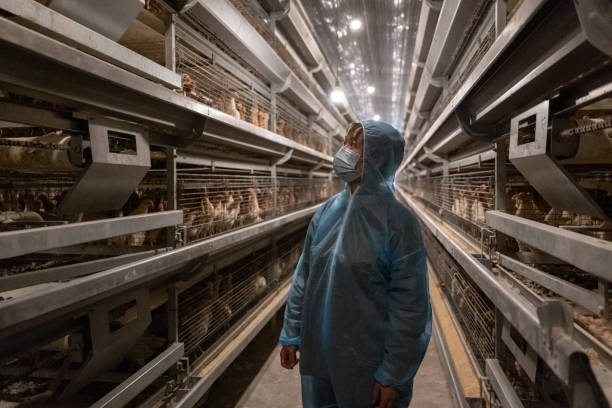
Protective wear for workers (boots, gloves, coveralls)
Foot and wheel baths
Poultry vet consultation fees
These costs can add up to ₦500,000 to ₦1 million, depending on sourcing and the number of scheduled vaccines.
Labor Costs and Management Tools
Even though the farm is automated, you’ll still need skilled farm workers for monitoring, maintenance, and management. A small team of 3–5 people is typically sufficient for a 10,000-bird unit.
Monthly labor costs in Nigeria range from ₦150,000 to ₦500,000 depending on experience and roles. If you plan to use farm management software or monitoring tools (not essential but helpful), that could add anywhere from ₦300,000 to ₦1 million to initial setup.
Putting It All Together: Total Estimated Cost
Let’s summarize the total cost for setting up a 10,000-bird automatic layer farm in Nigeria:
Farm infrastructure: ₦27 million – ₦63 million
Cage systems: ₦6 million – ₦9 million
Feeding system: ₦1 million – ₦2 million
Watering system: ₦800,000 – ₦1.5 million
Manure system: ₦1.2 million – ₦2 million
Egg collection system: ₦1 million – ₦1.8 million
Ventilation system: ₦2 million – ₦3.5 million
Power backup system: ₦1.5 million – ₦7 million
Day-old chicks: ₦35 million – ₦55 million
Initial feed (first 8 weeks): ₦1.5 million – ₦3 million
Medical & biosecurity supplies: ₦500,000 – ₦1 million
Labor (initial training/month): ₦500,000
Adding all of the above, the estimated total cost ranges from ₦85 million to ₦150 million for a medium-scale automatic layer poultry farm.
This may seem like a significant investment, and it is—but it’s one that, when managed well, can yield consistent long-term income. With proper management and market access, returns on investment can start kicking in as early as 5 to 7 months after operation begins.
Tips for Reducing Costs
While the initial setup is expensive, there are several ways you can reduce costs without compromising performance:
Negotiate for bulk equipment deals – Many equipment suppliers offer bulk purchasing discounts.
Use locally available materials for construction where possible.
Buy second-hand quality equipment (especially generators and ventilation systems).
Start small and expand organically instead of trying to set up everything at once.
Partner with experienced suppliers who can guide you in making cost-effective purchases.
Train your workers properly to avoid costly mistakes or mismanagement.
Financial Assistance and Grants
In Nigeria, there are a number of agricultural financing schemes and farm grant programs offered by the government and private agencies, such as:
Bank of Agriculture (BOA) loans
Anchor Borrowers Program (ABP)
AgriCRED Microfinance schemes
Private equity and agricultural investment funds
These programs can help mitigate the initial capital hurdle by providing loans at favorable interest rates or equity financing support.
Conclusion
Setting up an automatic layer farm in Nigeria comes with a significant upfront cost, but it is a sustainable and profitable business opportunity with the right knowledge and planning. By investing in automation, farmers can enjoy higher productivity, better bird health, reduced labor dependency, and greater profitability.
If you’re considering venturing into layer farming in Nigeria or upgrading your existing farm to an automatic system, it’s essential to plan your budget wisely, work with reputable equipment suppliers like Livi Machinery, and consult with local agric extension officers or professional poultry consultants to guide your setup journey. With automation, Nigerian poultry farmers have the opportunity to not only meet domestic egg demand but also position themselves favorably in regional and international markets.