50000 Layer Chicken Farm Equipment Solutions
50000 Layer Chicken Farm Equipment Solutions
Starting a 50,000-layer chicken farm is no small task. It’s a serious investment that requires smart planning, the right equipment, and long-term vision. Whether you’re expanding an existing operation or building from the ground up, choosing the correct poultry farming system can make the difference between profit and loss. At Zhengzhou Livi Machinery Manufacturing Co., Ltd., we’ve helped hundreds of farmers across Asia, Africa, and South America set up large-scale layer farms with efficiency, durability, and automation in mind. In this guide, we’ll walk you through everything you need to know about setting up a 50,000-bird layer farm — from cage selection to feeding systems, manure management, and climate control — so you can build a productive, low-maintenance, and high-return poultry business.
Designing the Right Layout for 50,000 Birds
Before any equipment touches the ground, proper farm layout is essential. For a 50,000-layer farm, most farmers opt for 5 poultry houses, each housing 10,000 birds, or just 2 larger houses with 25,000 birds each. The choice depends on your land availability, local climate, and management preferences. Smaller houses are easier to ventilate and manage during disease outbreaks, while fewer, larger houses reduce construction costs and simplify centralized monitoring.
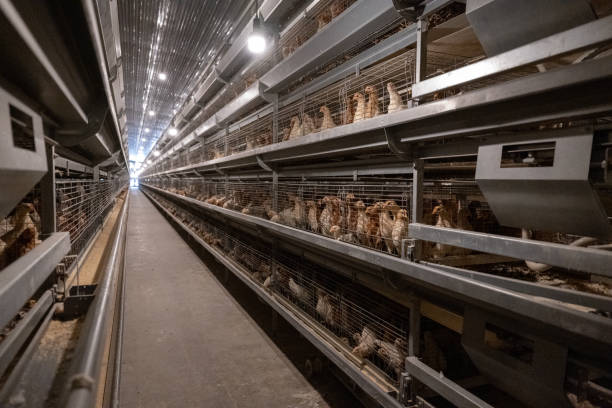
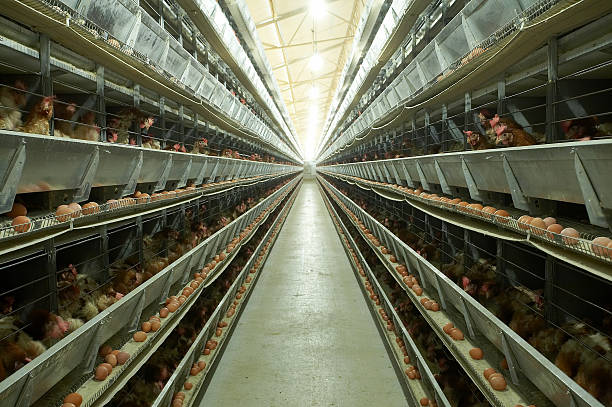
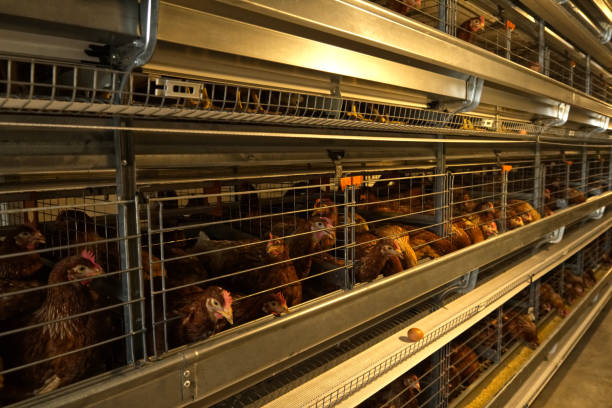
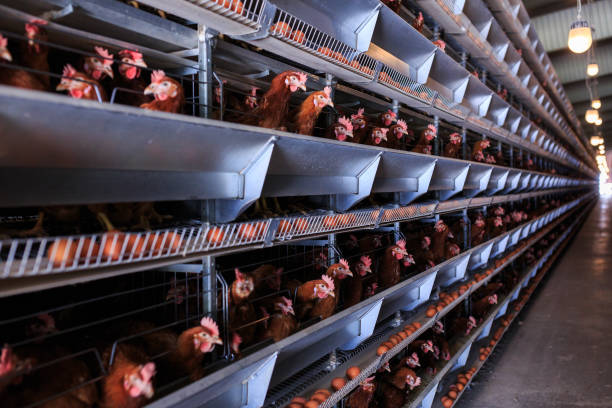
We recommend using A-frame or multi-tier battery cage systems arranged in three to four tiers per unit. These cages maximize space utilization — critical when managing tens of thousands of birds. One standard cage module holds around 8–10 birds, so for 50,000 layers, you’ll need roughly 5,500 to 6,000 cages depending on breed and bird size. Our hot-dip galvanized steel cages last over 15 years even in humid tropical climates and reduce corrosion risks significantly compared to regular painted metal.
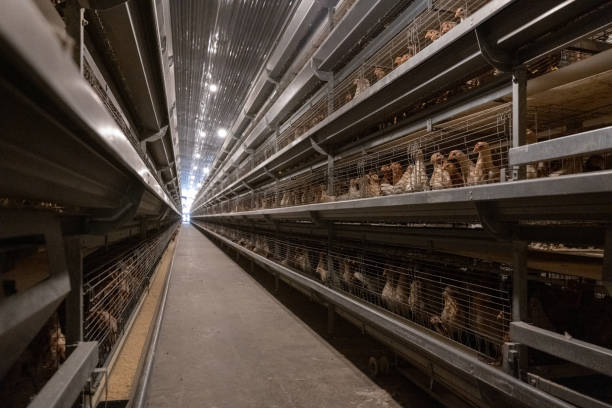
The shed dimensions typically range between 100m x 12m (for smaller units) up to 120m x 14m for high-capacity setups. Inside each house, cages should be arranged in double rows with enough walking space (at least 90 cm) between them for egg collection, feeding checks, and health inspections. Don’t forget headroom — at least 2 meters clearance above the top tier improves air circulation and makes cleaning easier.
Complete Automation: From Feeding to Egg Collection
Once the structure is planned, it’s time to bring in automation — the backbone of modern commercial layer farms. With 50,000 hens, doing things manually simply isn’t practical. Labor costs add up quickly, and inconsistencies in feeding or egg gathering hurt productivity.
Our full-line automation package includes automatic feed lines, drinking water systems, egg belts, manure removal belts, and environmental controllers. Let’s break these down:
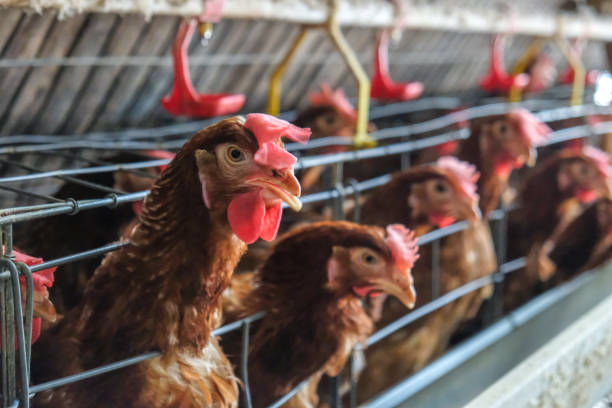
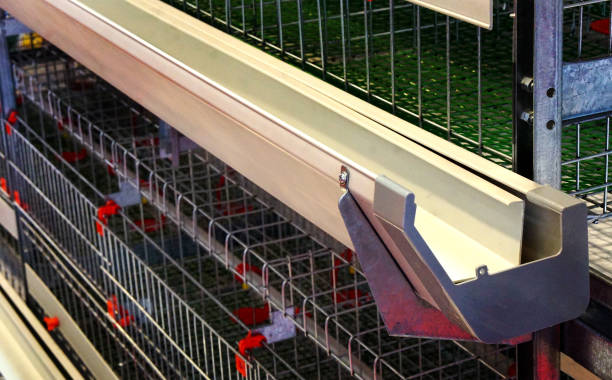
Automatic Feeding System: Chain-driven feeders run along each row of cages, delivering consistent amounts of feed every day. You only load the silo once, and the system distributes grain evenly across all sections. This prevents waste, reduces competition among birds, and ensures healthier, more uniform flocks.
Nipple Drinking Lines: Each cage connects to a pressure-regulated water line with stainless steel nipples. These prevent spillage, keep bedding drier, and help stop bacterial growth. Add medication or vitamins directly into the water tank when needed — perfect for vaccination or treating mild infections.
Egg Collection Belts: Instead of collecting eggs by hand (which increases breakage risk), automated egg belts gently move laid eggs toward the front of the shed. Workers collect them from a central table, reducing labor by up to 70%. Some premium models include egg counting sensors so you always know daily production.
Manure Removal System: Built-in scraper belts collect droppings every 1–2 days, keeping the environment clean and cutting ammonia levels. Collected manure can be composted and sold as organic fertilizer — opening up an extra revenue stream.
Tie all of this together with our smart control panel, which lets you monitor temperature, humidity, ventilation fan speed, and lighting schedules via smartphone or tablet. You can even get alerts if something goes wrong — like a power outage or blocked feeder.
Climate Control and Bird Welfare Matter More Than You Think
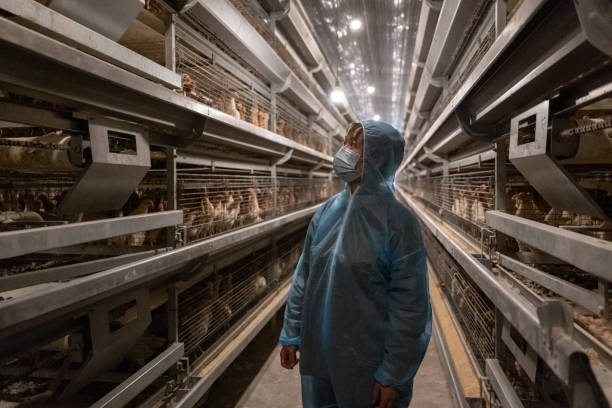
Many new farmers overlook one key factor: stress management. Chickens are sensitive creatures. Even small changes in temperature or airflow can disrupt laying cycles, increase mortality, or lead to feather pecking.
In hot regions like Nigeria, Pakistan, or Thailand, evaporative cooling pads combined with tunnel ventilation systems keep sheds up to 6–8°C cooler than outside temperatures. We install axial fans at one end and cooling pads at the other, creating a steady breeze across all cages. In colder areas like northern China or Eastern Europe, propane heaters or heat curtains protect young pullets during winter brooding.
Lighting also plays a crucial role. Layers need around 14–16 hours of light per day to maintain peak egg production. We use energy-efficient LED lights with programmable timers to simulate sunrise and sunset gradually — mimicking natural daylight patterns without shocking the birds.
Good air quality means low ammonia, CO₂, and dust levels. That’s where roof vents, side curtains, and air inlets come in. Our engineers design custom ventilation plans based on your region’s weather data so you’re prepared year-round.
Also, consider adding enrichment tools like perches or pecking blocks — they improve leg strength and reduce boredom-related aggression. Happy hens lay better, stay healthier, and live longer.
From Foundation to Full Operation – How Livi Supports Your Journey
At Livi Machinery, we don’t just sell equipment — we partner with you from day one. Our team offers free site consultation to help finalize shed design, calculate equipment needs, and suggest the best configuration for your budget and goals.
Once orders are confirmed, we handle manufacturing, packaging, and shipping directly from Zhengzhou Port to your destination within 25–30 days. All components arrive pre-drilled and labeled for easy assembly, and our technicians provide remote installation support through video calls. If needed, we can send an engineer to your location for on-site training (travel fees apply).
After setup, we continue supporting you with spare parts supply, maintenance guides, and troubleshooting tips via WhatsApp or email. Many of our clients join our annual online workshop where we share updates on poultry trends, biosecurity practices, and performance optimization techniques.
Whether you’re launching your first big farm or upgrading outdated facilities, our 50,000-layer chicken farm solution delivers reliability, productivity, and peace of mind. Thousands of satisfied customers trust Livi because we focus not only on hardware but on results — more eggs, less work, higher profits.
Ready to build your dream poultry farm? Get a free customized quote today — just leave your name, country, and phone number below, and one of our experts will contact you within 12 hours with a complete equipment list and layout plan tailored to your needs.