Build a 50000 Layer Poultry Farm Efficiently
Build a 50,000 Layer Poultry Farm Efficiently
Creating a large-scale layer poultry farm with a capacity of 50,000 birds can be a game-changing venture for any serious poultry farmer. Whether you’re expanding from a smaller operation or diving into commercial egg production for the first time, planning and execution are key. A well-designed 50,000-bird farm isn’t just about numbers—it’s about maximizing productivity, minimizing costs, and ensuring animal welfare through efficiency in design, equipment, and management practices. At Livi Machinery, we’ve helped hundreds of farmers across Asia, Africa, and South America build smart, scalable farms that run smoothly from Day One.
The reality is, building such a large farm efficiently means you can’t afford guesswork. Every decision—from layout and housing systems to feeding automation and climate control—impacts your daily operations, bird health, feed conversion ratio, and ultimately, your profits. The good news? With the right knowledge and support, setting up a high-performing 50,000-layer farm doesn’t have to be overwhelming. Let’s break down the essential components so you can move forward confidently.
How to Plan Your Farm Layout for Maximum Efficiency
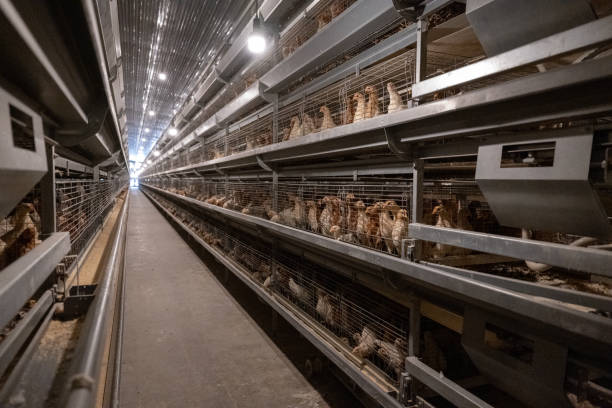
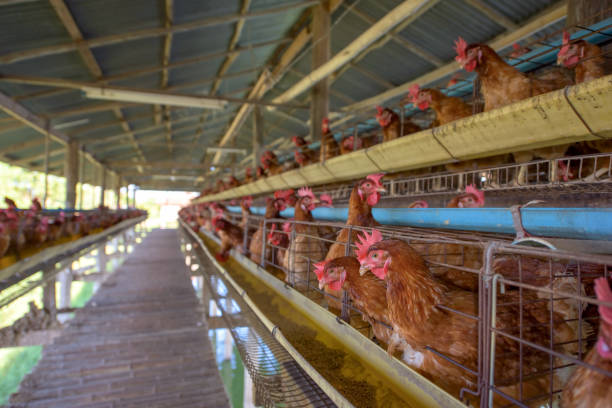
The journey begins with solid planning—and it starts on paper. Before a single chicken arrives, you need a blueprint tailored to your goals, terrain, climate, and local regulations. For a 50,000-layer farm, most farmers opt for 2–4 hen houses, each accommodating 12,500 to 25,000 birds. This modular setup offers better ventilation control, easier disease management, and room for future expansion.
When laying out your site, position buildings east-west to reduce direct sunlight exposure throughout the day, especially in hot climates. Leave at least 15 meters between houses for airflow and access. Place your main service road parallel to the buildings with individual access lanes for feed trucks, egg collection vehicles, and maintenance crews. Don’t forget buffer zones: include space for manure storage, water tanks, generator rooms, egg packing areas, and staff facilities.
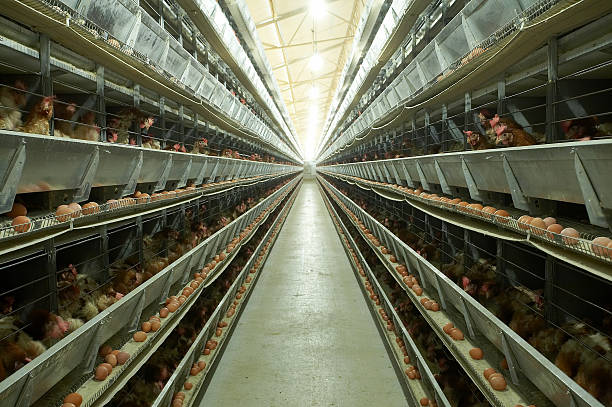
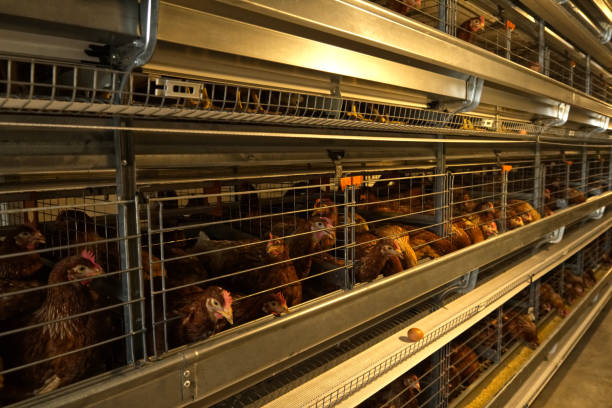
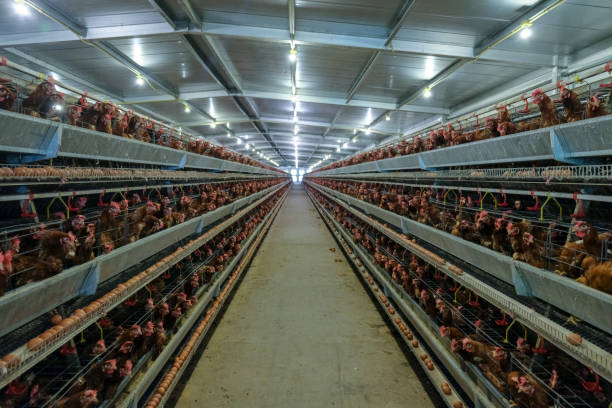
Your choice of cage system will define your entire operation’s flow. We recommend using three-tier or four-tier A-frame cage systems in all stages. These save floor space, improve worker ergonomics during egg collection and cleaning, and allow more uniform air circulation. With the right automated feeding and watering lines integrated into the cages, one technician can manage thousands of birds per hour. Automation not only cuts labor costs but also ensures consistency—birds get the same amount of food and water every day, which directly affects laying rates and egg quality.
Choosing the Right Equipment for Long-Term Success
You wouldn’t drive a luxury car without a reliable engine, and the same logic applies to your poultry house. High-quality equipment makes the difference between a farm that runs smoothly and one plagued by breakdowns, poor performance, and unnecessary stress.
Start with cages. Invest in hot-dipped galvanized steel cages—they cost more upfront but last over 15 years even in humid environments. Avoid painted or electric-galvanized metal, as they corrode faster. Our most popular model for 50k farms is the LIVI-3P6, which supports six hens per panel and features automatic manure removal belts beneath each tier. That means less manual scraping, improved hygiene, and lower ammonia levels.
Next, look at feeding systems. Chain-type automatic feeders distribute feed evenly along the full length of the house with minimal waste. Pair this with silos connected via auger conveyors so fresh feed enters the line daily without requiring heavy lifting. If you’re sourcing feed locally, consider having two silos—one for starter/developer mash and another for layer ration—as nutritional needs change over time.
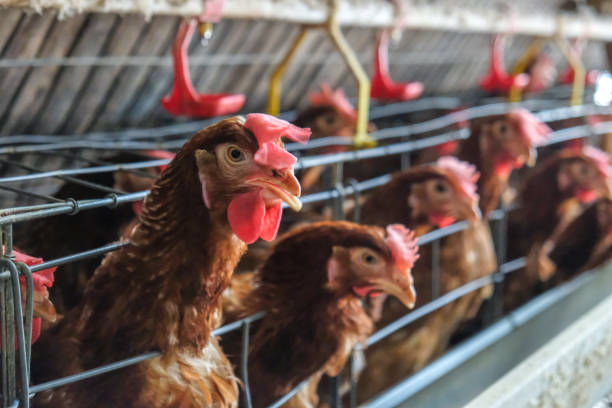
Drinking systems should be nipple-based, adjustable by height, and include pressure regulators. Nipple drinkers prevent water spillage and contamination, keeping litter dry and reducing coccidiosis risks. For farms in dusty or hard-water areas, install filters to protect the nozzles.
Ventilation and climate control cannot be overlooked. In tropical regions, use tunnel ventilation with inlet panels at one end and large exhaust fans at the other. Add fogging or evaporative cooling pads during peak summer months. In cooler climates, go for natural cross-ventilation supplemented by recirculation fans and heaters when needed. Remember, layers lay best between 18°C and 25°C. Temperature swings cause stress, reduced appetite, and inconsistent egg production.
Finally, don’t skip on lighting. LED-controlled timers simulate sunrise and sunset cycles to maintain a steady 14–16-hour light period. You can program dimming features gradually increase brightness, which reduces panic among birds and promotes calm behavior.
Streamline Daily Operations with Smart Management Tools
Efficiency isn’t just about hardware; it’s also about how you operate your farm every single day. Even the best-equipped farm will underperform if records aren’t kept, health protocols are ignored, or training is lacking.
Begin by setting up a simple monitoring system. Track daily egg output, mortality rate, feed consumption, and average body weight weekly. Use spreadsheets or mobile apps designed for poultry farming. When something changes—say, a sudden drop in eggs—you’ll spot it early and take action fast.
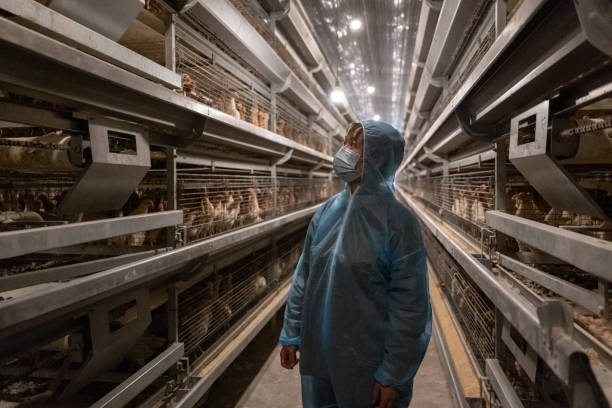
Health starts with biosecurity. Require all visitors and workers to wear boots and coveralls. Set footbaths with disinfectant outside each house entrance. Limit traffic between units, especially between young pullet houses and adult laying houses. Schedule regular vaccine reminders based on your region’s common diseases (like Newcastle or Gumboro).
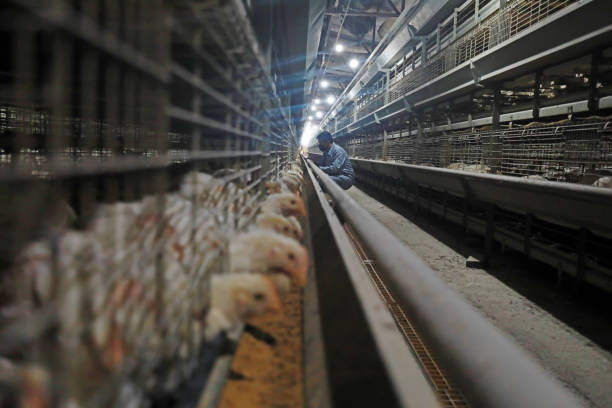
Introduce a standard operating procedure (SOP) for each task: morning checks, egg collection rounds, feeder inspections, manure belt runs, evening shutdown routines. Train your team thoroughly and retrain them monthly. A disciplined crew prevents small problems from becoming big ones.
Consider integrating IoT sensors into your house. Devices that monitor temperature, humidity, CO₂ levels, and even noise patterns can send alerts to your phone if conditions drift outside safe ranges. Some advanced farms now use camera AI to detect abnormal bird behaviors—an early sign of illness or discomfort.
Harvesting and selling eggs efficiently matters too. Install conveyor belts from the cages straight to a clean, chilled packing area. Grade eggs by size and quality before boxing them. Work with supermarkets, local wholesalers, or launch your own brand. The sooner you sell, the fresher your reputation stays.
Now is the Time to Build Smarter
Starting a 50,000-layer farm is a major step—but it’s far from impossible. With careful planning, smart investments in durable, automated equipment, and strong daily habits, your farm can become a model of modern, efficient poultry production. And you don’t have to do it alone.
At Livi Machinery, we offer complete turnkey solutions including custom design consultation, CE-certified equipment manufacturing, shipping logistics, and on-site installation training. Whether you’re in Kenya, Indonesia, or Peru, our engineers will help you build a farm that fits your budget, environment, and long-term vision.
If you’re ready to start—or want to review your current plan—don’t hesitate. Share your contact info below, and one of our experts will reach out within 24 hours to discuss your project. Let’s turn your dream farm into a productive reality.
Frequently Asked Questions
What is the ideal space per bird in a layer farm?
You should allow around 600 square centimeters (about 0.06 sqm) per laying hen in battery cage systems. That means a 50,000-bird farm would need roughly 3,000 square meters of hen house space, split across multiple sheds depending on design.
How much does it cost to set up a 50,000-layer farm?
Total costs vary widely by country and specification, but typically range from $250,000 to $500,000. This includes cages, feeders, drinkers, ventilation, power backup, and basic infrastructure. Automated systems add to initial cost but pay off in labor savings.
Can I run this type of farm myself without hired workers?
Running 50,000 layers solo is extremely difficult. Most successful farms employ 3–6 trained staff for daily tasks like feeding, egg gathering, health checks, and recordkeeping. Automation helps, but supervision is still essential.
Which breeds work best for large-scale egg production?
High-producing hybrids like Hy-Line Brown, ISA Brown, or Shaver Brown dominate commercial farming due to their excellent FCR, strong immunity, and consistent egg volume (over 90% production rate past 70 weeks).
Do I need government permits to start this size of farm?
Yes, in most countries you’ll need land use approval, environmental clearance, and sometimes animal husbandry registration. Check local agricultural authorities before construction begins.
How long before I start getting eggs?
Layers begin laying around 18–20 weeks old. If you start with day-old chicks, expect first eggs at about 5 months. Many farmers buy pullets close to point-of-lay to shorten the waiting time.
Is manure really worth managing?
Absolutely. Chicken manure is rich fertilizer and can generate extra income if composted properly. Unmanaged waste causes odor issues, attracts pests, and pollutes groundwater.
Should I connect my farm to the internet for smart monitoring?
While optional, connectivity gives real-time insights and remote warnings. Even simple SMS alerts for temperature spikes can save lives during heatwaves.
How often should cages be cleaned?
With automatic manure belts running daily, full deep-cleaning is only needed between flocks. But check mesh wires weekly to prevent clogging, and sanitize feeders and drinkers regularly.
What happens after the laying cycle ends?
Most farmers depopulate flocks around 72–80 weeks, then sell spent hens for stewing meat. After cleaning and disinfection, the house can be refilled with new pullets, starting the next cycle.