Automatic Egg Production Cage System for Poultry Farming
Automatic Egg Production Cage System for Poultry Farming
When it comes to modern poultry farming, especially egg production, efficiency and consistency are everything. As global demand for eggs continues to rise, farmers are under pressure to produce more with fewer resources—while maintaining high animal welfare standards. That’s where the Automatic Egg Production Cage System steps in as a game-changer. Designed for large-scale layer farms, this smart solution streamlines every part of the laying hen cycle, from feeding to egg collection, manure removal, and climate control—all with minimal human intervention.
Built with precision engineering and years of field-tested experience, an automatic egg production cage system isn’t just another piece of equipment—it’s the backbone of a modern, profitable poultry operation. At Livi Machinery, we’ve been helping farms across Asia, Africa, and South America upgrade their operations since 2012, combining durability with smart automation to deliver results that last. In this article, we’ll walk you through how these systems work, their key benefits, what to look for when choosing one, and why making the switch could be the best decision your farm ever makes.
How Does an Automatic Layer Cage System Work?
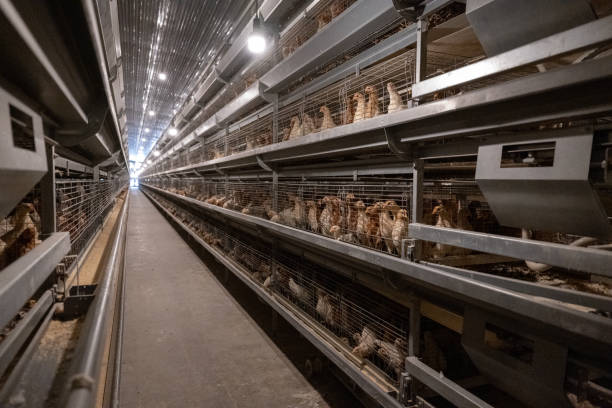
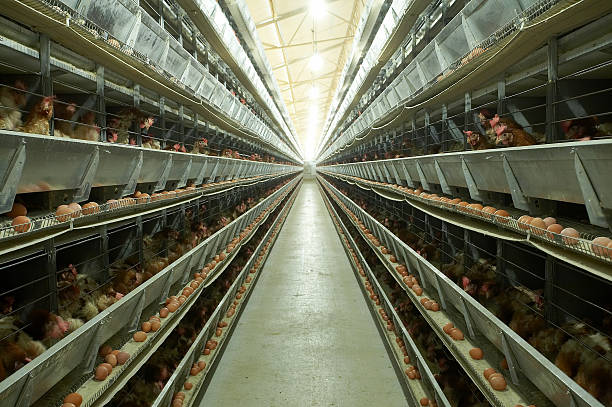
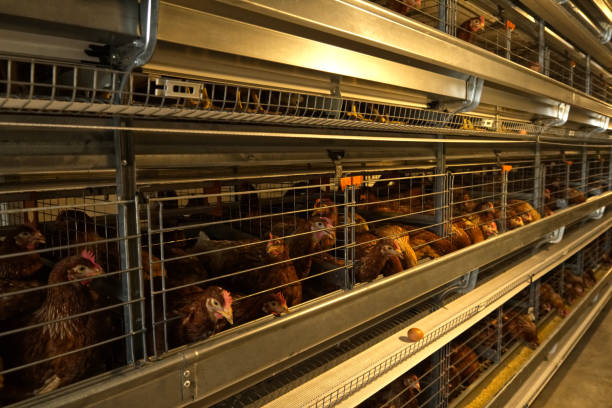
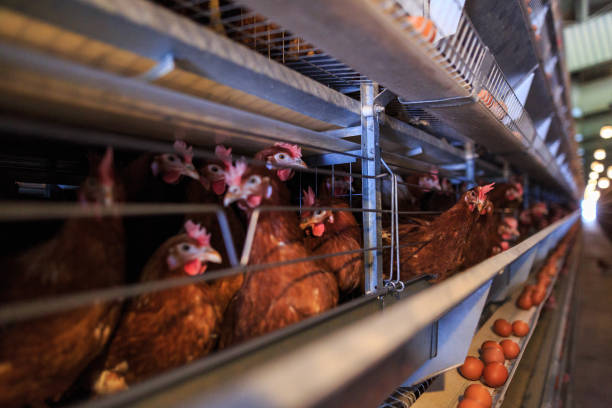
Think of an automatic egg production cage system as a fully integrated ecosystem for your hens. It starts with well-designed tiered cages—usually 2 to 4 levels high—that maximize space while keeping birds comfortable and healthy. Each cage is built with a slightly sloped floor so that once an egg is laid, it gently rolls onto a conveyor belt. From there, the egg travels smoothly to a centralized collection point, reducing breakage and contamination.
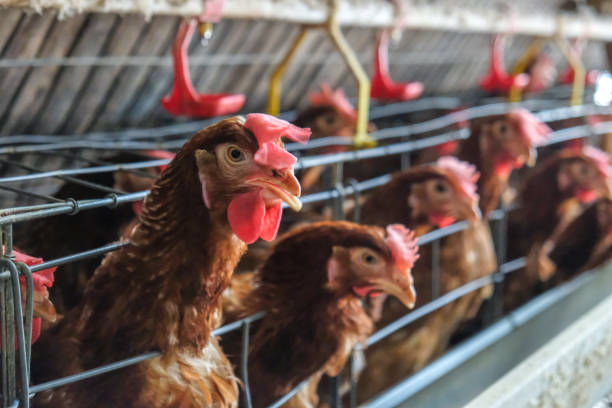
Feeding is handled by an automated feed line that runs the length of the house. A central silo stores the feed, which is distributed evenly multiple times a day using a chain or auger system. This ensures each bird gets consistent access to nutrition, which is crucial for strong eggshell quality and laying frequency. Water is delivered via nipple drinkers connected to a pressurized line, providing clean, fresh water on demand while minimizing spillage and disease risk.
One of the biggest headaches in traditional egg farming—manure management—is solved here too. Most automatic systems include a manure belt or scraper underneath each tier. These belts run periodically (often once or twice a week) to remove droppings before they build up, keeping the environment cleaner, reducing ammonia levels, and lowering health risks. Some advanced setups even integrate drying fans or composting units to turn waste into usable organic fertilizer.
Then there’s environment control. Modern cage houses use sensors to monitor temperature, humidity, and airflow. Fans, foggers, and tunnel ventilation systems kick in automatically to maintain ideal conditions year-round. Since hens lay best between 18°C and 24°C, this precise climate regulation directly impacts productivity. Add to that automated lighting programs, and you’ve got a setup where hens can focus on doing what they do best—laying eggs.
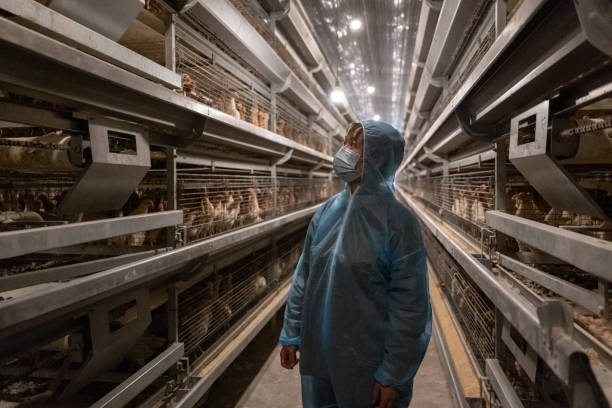
All of these components can be controlled from a single panel or even remotely via smartphone apps. That means you can check your flock status, adjust feed schedules, or review egg output from anywhere. For farmers managing thousands—or even tens of thousands—of birds, this level of oversight saves time, reduces stress, and prevents small issues from becoming big problems.
Why Upgrade to an Automated System?
You might be thinking: “My current setup works fine. Why spend money on automation?” The answer lies not just in convenience—but in long-term profitability and sustainability.
First, labor costs. Manual egg collection, feeding, and cleaning take hours every day and require multiple workers. On a medium-sized farm with 5,000 hens, you’re likely spending over 3-4 hours daily just gathering eggs and spreading feed. With an automatic system, that drops to under 30 minutes of monitoring and maintenance. Over a year, that’s hundreds of labor hours saved—and fewer payroll expenses.
Next, egg quality and yield. Because eggs are collected quickly and consistently, there’s far less chance of cracking, stepping, or soiling. This means more Grade A eggs and fewer losses. Studies show that farms using automated collection report 8–12% higher marketable egg rates compared to manual methods. Multiply that by thousands of eggs per day, and the financial impact adds up fast.
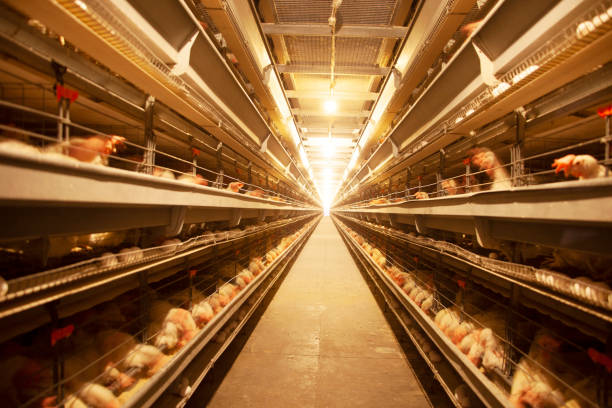
Healthier birds also mean longer laying cycles. With clean water, balanced feeding, dry floors, and stable temperatures, layers stay productive for more weeks. You’ll see better feed conversion ratios (FCR), meaning less feed is wasted and more goes into egg production. That improves margins significantly—especially when feed accounts for up to 70% of operational costs.
And let’s not forget scalability. If you plan to expand your operation in the future, starting with an automated foundation makes growth smoother. Adding 10,000 more birds is much easier when your core systems are already designed for volume and control.
For export-focused farms, automation also helps meet international food safety and traceability standards. Digital logs of feed intake, egg counts, mortality rates, and environmental data can support certification processes and give buyers confidence in your operation.
Choosing the Right System for Your Farm
Not all automatic egg production systems are created equal. Before investing, consider factors like flock size, local climate, available power supply, and future expansion plans. Working with an experienced manufacturer like Livi Machinery gives you access to tailored designs based on real-world performance—not just off-the-shelf models.
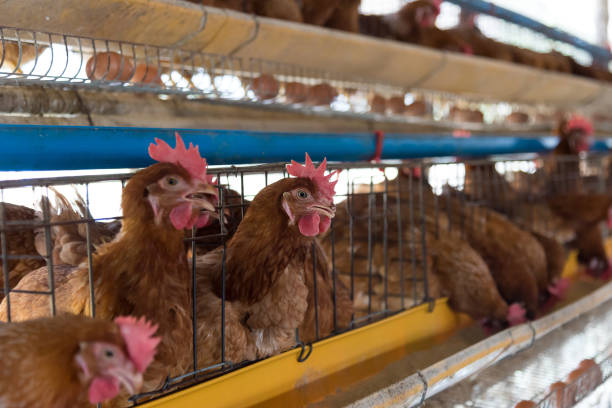
Look for cages made from hot-dip galvanized steel. It resists rust better than regular painted metal, which is critical in humid poultry environments. The wire spacing should prevent birds from getting injured while allowing eggs to roll freely. Adjustable cage depths help accommodate different breeds—from commercial ISA Browns to local hybrids.
The automation components matter just as much as the structure. Make sure the egg belt uses food-grade PVC, runs quietly, and has easy cleaning access. The feeding system should allow for variable portion control and avoid clogging. Manure belts need durable joints and resistance to tearing under heavy loads.
If you’re in a region with unstable electricity, ask about backup options—like solar-compatible controls or battery-supported sensors. Some of our clients in rural Kenya and Pakistan use hybrid energy setups to keep systems running during outages.
Installation support is another key factor. A good supplier doesn’t just ship containers—they guide site preparation, supervise assembly, train your team, and stay available for follow-up. At Livi, we offer full turnkey services: from barn design to final handover. We’ve helped set up farms in Vietnam, Bangladesh, and Ecuador, adapting each project to local needs and budgets.
Don’t hesitate to ask for demo videos, customer references, or visit ongoing projects. Seeing a live system in action tells you more than any brochure ever could.
Make the Smart Move Today
The shift from traditional to automated egg farming isn’t just about technology—it’s about staying competitive in a fast-evolving industry. Whether you’re running a 3,000-bird backyard expansion or planning a 50,000-hen commercial facility, upgrading to an automatic egg production cage system sets you up for success.
The initial investment pays back faster than you think—usually within 1.5 to 3 years through labor savings, increased egg sales, and reduced losses. Plus, with lower disease risk and stronger bird performance, your farm becomes more resilient and profitable in the long run.
Ready to take your poultry business to the next level? Tell us about your farm—size, location, current challenges—and we’ll design a customized automatic egg production solution that fits your goals. Leave your contact details below, and one of our experts will reach out within 24 hours with a free consultation and quote.
Let’s build the future of farming—together.
Frequently Asked Questions
What types of hens can be raised in automatic egg cages?
Most layer breeds like Hy-Line Brown, Lohmann, Bovans, and ISA White thrive in automated systems. The cages can be adjusted for weight and size, making them suitable for both standard and dwarf varieties.
Do I need constant electricity for the system to work?
While the system runs best with steady power, many components like egg belts and feeders can operate intermittently. We recommend using voltage stabilizers or connecting to solar power in areas with frequent outages.
Can the system be used in small farms?
Absolutely. We offer compact and modular designs starting from 1,000-bird capacity. Even smaller farms benefit from reduced labor and improved hygiene.
How often do the cages need cleaning?
Daily checks are recommended, but deep cleaning depends on your schedule. Many farmers clean thoroughly between flocks. The open-wire design and removable parts make maintenance quick and easy.
Is installation difficult?
With proper guidance, no. Our team provides full assembly instructions, video guides, and on-site support if needed. Most farms complete setup in 5–7 days depending on scale.
Are spare parts easily available?
Yes. All critical components—motors, belts, drinkers, sensors—are standardized and stocked locally in most regions we serve. We also include extra kits with every order.
Can I monitor egg production remotely?
Advanced models come with digital counters and cloud-connected dashboards. You can track daily yields, detect anomalies, and receive alerts right on your phone.
Does the system improve egg cleanliness?
Definitely. Since eggs move straight from nest to belt without touching manure or feet, they’re significantly cleaner than floor-collected eggs. Less washing means less cracking and better shelf life.
How long do these systems last?
With proper care, a galvanized automatic cage system can last 15+ years. We’ve had customers in Thailand and Nigeria still using their original setups after more than a decade.
Can I expand my system later?
Yes, the modular design allows you to add more sections as your flock grows. Just ensure your feeder lines and egg belts are sized for future phases.