20,000+ Automatic Poultry Cage Equipment in Nigeria
20,000+ Automatic Poultry Cage Equipment in Nigeria
Nigeria’s poultry industry is booming. With a rapidly growing population and increasing demand for eggs and chicken meat, farmers across the country are looking for ways to scale up production efficiently. In this context, automated poultry cage systems have become a game-changer — especially large-scale setups like 20,000+ bird capacity farms. These modern solutions not only increase productivity but also reduce labor costs, improve biosecurity, and ensure better animal welfare. At Zhengzhou Livi Machinery Manufacturing Co., Ltd., we’ve helped dozens of Nigerian poultry farmers transition from traditional farming methods to fully automated systems that can house over 20,000 birds with minimal daily intervention.
If you’re considering building or upgrading your poultry farm in Nigeria, investing in an automatic cage system with a 20,000+ bird capacity might be one of the smartest decisions you’ll ever make. Let’s explore why these systems are so effective, how they work, what components they include, and how Livi Machinery can support you every step of the way — from planning to installation and beyond.
### Why Automatic Poultry Cages Are the Future of Farming in Nigeria
Running a poultry farm manually used to mean long hours, constant monitoring, high feed waste, inconsistent egg collection, and frequent disease outbreaks due to poor hygiene. But those days are behind us. The rise of automation in agriculture has transformed small backyard operations into profitable commercial enterprises — especially in countries like Nigeria where land and labor availability vary by region.
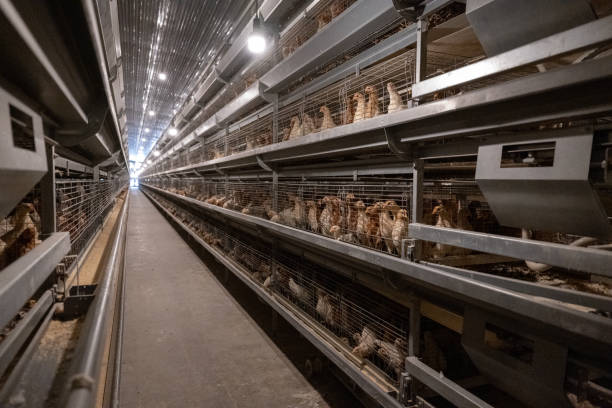
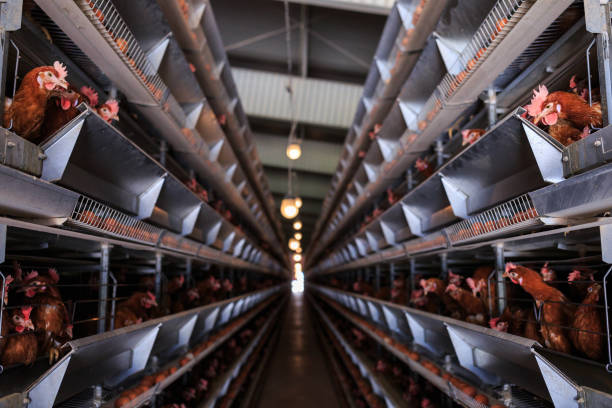
Automatic poultry cages eliminate most manual tasks. From feeding and watering to egg collection and manure removal, everything runs on a schedule or through sensors. This kind of precision reduces human error, cuts down operating costs, and allows one farmer to manage thousands of birds with ease. For example, a fully automated layer hen house with a capacity of 20,000 birds may require as little as two people per day for routine checks instead of 15–20 workers under traditional systems.
Another key benefit is consistency. Automated feeders deliver the right amount of food at exact intervals, reducing wastage by up to 30%. Nipple drinking systems keep water clean and accessible all day. Egg belts gently transport laid eggs to a central collection point, minimizing breakage. And tunnel ventilation systems maintain optimal temperature and air quality — crucial in Nigeria’s hot climate.
These advantages translate directly into improved profitability. Higher survival rates, faster weight gain (for broilers), more consistent egg production, and lower operational costs mean better ROI within just a few cycles. It’s no wonder that many Nigerian investors and government-backed agribusiness projects are now adopting large-scale automated systems.
### What Does a 20,000+ Automatic Poultry System Include?
A complete 20,000+ bird automated poultry house isn’t just about stacking cages high. It’s a carefully engineered ecosystem designed for maximum efficiency, ease of maintenance, and long-term durability. Here’s a breakdown of what our standard package includes:
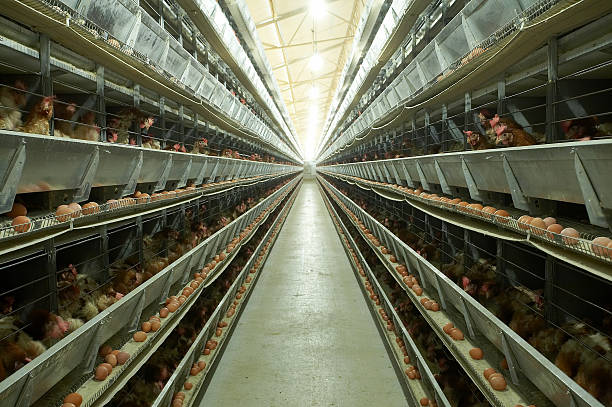
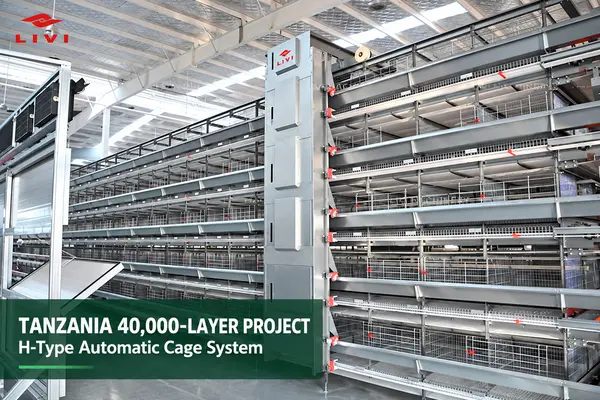
First, the cage structure itself. We use hot-dipped galvanized steel wire that resists rust even in Nigeria’s humid coastal areas or dusty northern regions. The layout typically follows a three-tier A-frame design, allowing easy access for cleaning and inspection. Each tier holds laying hens, pullets, or broilers depending on your operation type.
Next comes automation. Our system integrates multiple subsystems:
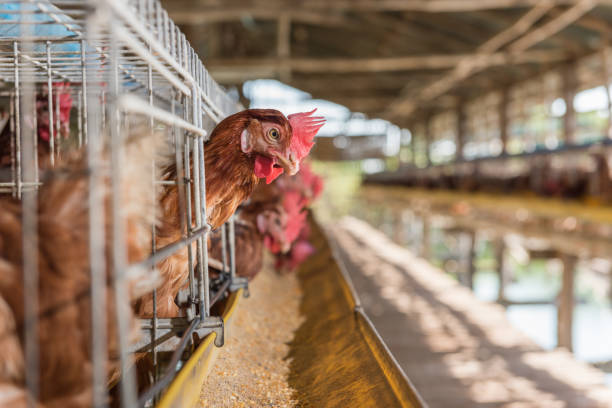
– **Automatic Feeding System**: A chain-driven feeder line runs along each row of cages, delivering measured portions twice or thrice daily. You set the timer once, and it runs automatically.
– **Drinking System**: High-quality stainless steel or plastic nipple drinkers provide fresh water 24/7 without spillage or contamination. Water pressure regulators ensure even flow across long lines.
– **Manure Removal Belt**: One of the biggest hygiene challenges in large flocks is droppings accumulation. Our conveyor-style manure belt removes waste every 1–2 days, keeping the environment dry and odor-free. That means fewer flies, less ammonia buildup, and dramatically reduced disease risk.
– **Egg Collection System** (for layers): Eggs roll gently onto belts that carry them to packing tables outside the shed. No more bending over or broken shells.
– **Environmental Control**: This includes curtain sides with motorized opening, cooling pads, exhaust fans, and optional fogging systems. During Nigeria’s dry season, when temperatures soar above 38°C, these features are essential for preventing heat stress.
We also offer optional add-ons like LED lighting timers, surveillance cameras, feed storage silos, and solar-powered backup systems — perfect for areas with unreliable electricity.
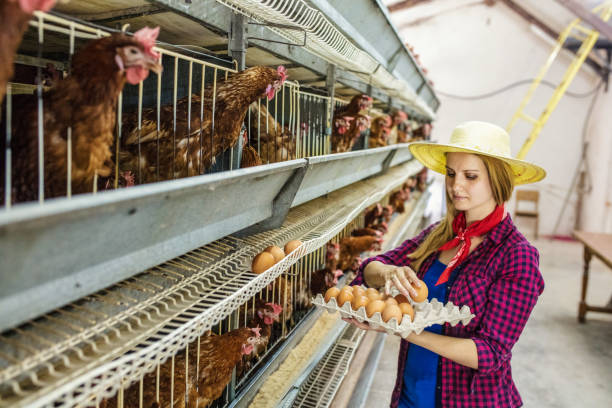
All equipment is pre-assembled and tested before shipping from China, then delivered to your site in knocked-down kits with detailed instructions. Our technicians can travel to Nigeria for supervision during installation if needed.
### How Livi Machinery Supports Nigerian Farmers Every Step of the Way
Starting a 20,000-bird poultry farm sounds ambitious — and it should be! But with the right partner, it’s completely achievable. At Livi Machinery, we don’t just sell equipment; we build partnerships. Our journey with Nigerian clients begins with a consultation: we ask about your location, power supply, water source, target output, and budget. Based on that, we customize the layout and recommend suitable models.
Once you approve the design, we handle everything — manufacturing, packaging, documentation, sea freight coordination, customs clearance support, and delivery to your door. Thanks to strong logistics networks, containers from Qingdao Port usually reach Lagos or Onne within 30–35 days.
But our job doesn’t end there. We provide full technical guidance via WhatsApp, Zoom, or phone calls during setup. If required, we dispatch experienced engineers to oversee installation, train your staff, and run performance tests. Post-installation, you get ongoing support including spare parts supply, troubleshooting help, and seasonal maintenance tips tailored to Nigeria’s changing weather patterns.
Over the past five years, we’ve equipped farms in Kano, Kaduna, Oyo, Enugu, and Abuja. Many of our customers started with smaller units (5,000–10,000 birds) and expanded after seeing solid results. Today, some operate multiple halls totaling over 100,000 birds using our modular designs.
Whether you’re an individual farmer, a cooperative group, or a corporate investor, we tailor solutions that grow with your business. And because all our materials are industrial-grade and built to last over 15 years, your investment keeps paying off year after year.
### Ready to Modernize Your Poultry Farm?
If you’re serious about scaling your poultry operation in Nigeria, now is the time to go automated. With rising urban demand, supportive agricultural policies, and proven technology available, the opportunity has never been greater. A 20,000+ automatic poultry cage system is not just equipment — it’s the foundation of a modern, profitable, sustainable farming enterprise.
Don’t wait until next season to start seeing higher yields and lower costs. See what’s possible when tradition meets technology. Whether you’re building a new facility or upgrading an old one, Livi Machinery has the expertise and equipment to make it happen.
Curious about pricing, timelines, or customization options? Send us a message today with your farm size, location, and goals — we’ll send a detailed proposal and 3D layout within 24 hours. Let’s turn your vision into reality.
—
**Frequently Asked Questions**
**What types of chickens can be raised in a 20,000+ automatic cage system?**
You can raise layer hens, broiler breeders, pullets, or meat-type chickens depending on the cage spacing and configuration. We adjust shelf height and mesh size based on the bird type.
**How much space do I need for a 20,000-bird poultry house?**
Typically, you’ll need a shed around 100 meters long by 12–14 meters wide. That gives enough room for aisles, equipment, and airflow.
**Is the system powered by electricity only?**
Most functions run on electricity, but we can integrate solar inverters or generator backups for areas with unstable power.
**Can the equipment handle Nigeria’s high temperatures?**
Yes. Our systems come with tunnel ventilation, cooling pads, and insulation recommendations specifically for tropical climates.
**How long does it take to install the system after delivery?**
With a skilled local team and our remote guidance, full installation takes about 15–25 days depending on site readiness.
**Do you offer financing or payment plans?**
We accept T/T, LC payments, and can work with third-party trade assurance platforms for added security.
**Are spare parts readily available in Nigeria?**
We ship extra common spares (like belts, nozzles, chains) with every order. We also keep inventory in stock for fast replacement worldwide.
**How do I start the process with Livi Machinery?**
Just send us a message with your contact details, desired capacity, and preferred model type. We’ll respond within hours with next steps.
**Can you design for multi-house farms?**
Absolutely. We specialize in larger projects with two, four, or even ten connected houses managed under one automated control system.
**Is after-sales service available in Nigeria?**
Yes. We offer remote support daily and can send technicians when necessary. Many Nigerian clients re-order after successful first installations.