20,000+ Poultry Cage Setup for Ghana Farms
20,000+ Poultry Cage Setup for Ghana Farms
If you’re running or planning a large-scale poultry operation in Ghana, one of the most critical decisions you’ll make is choosing the right equipment — especially your chicken housing system. With the growing demand for eggs and poultry meat across West Africa, setting up a 20,000+ bird capacity farm has become not only feasible but highly profitable when done correctly. At Livi Machinery, we’ve helped dozens of farmers in Ghana and across Africa scale their operations with high-quality, smart-designed poultry cage systems built to last. In this guide, we’ll walk you through everything you need to know about planning, equipping, and optimizing a 20,000+ poultry cage setup that’s efficient, cost-effective, and fully suited to Ghana’s climate and farming conditions.
Planning Your Large-Scale Chicken Farm Layout
Before you buy a single cage or feeder, proper planning is essential. A 20,000+ bird operation isn’t just about stacking cages — it’s about space utilization, airflow, waste management, and labor efficiency. Start by calculating your total floor space needs. On average, each laying hen requires about 550–600 cm² (or roughly 6 square feet), so for 20,000 birds, you’ll need between 1,100 and 1,200 square meters of shed space. Most successful farms in Ghana design two or more separate houses of 10,000 birds each instead of one massive unit. This reduces risk in case of disease outbreaks and makes day-to-day management easier.
Your poultry house should have strong ventilation. Ghana’s hot, humid climate means poor airflow can quickly lead to heat stress and respiratory issues. Ridge vents, side curtains or evaporative cooling pads combined with fans are excellent additions. Orient your shed east-west to minimize direct sunlight exposure during peak hours. Also, plan for easy access roads, water lines, electricity (plus backup generator), and manure removal pathways.
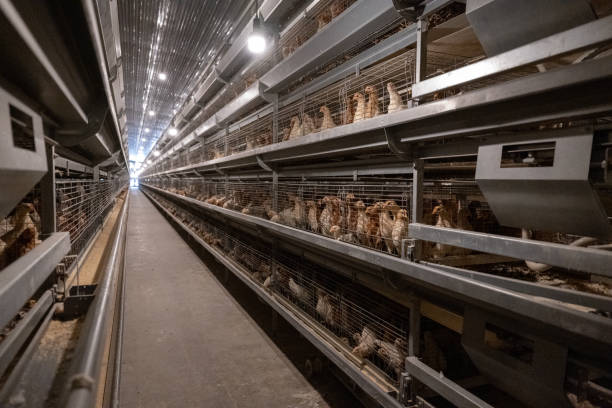
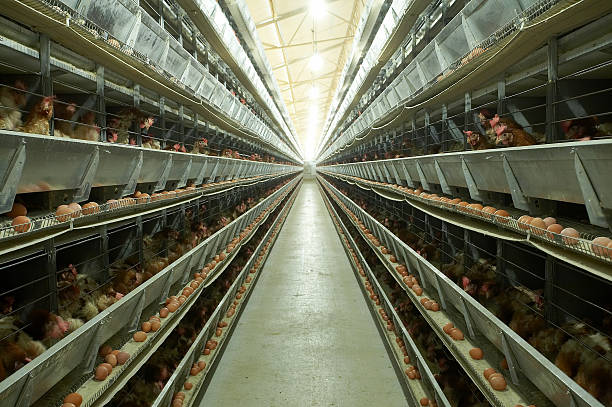
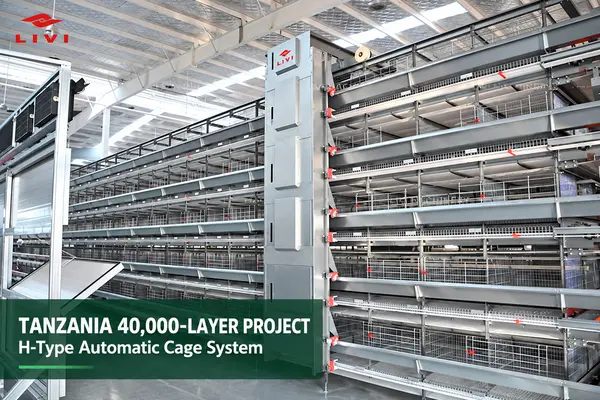
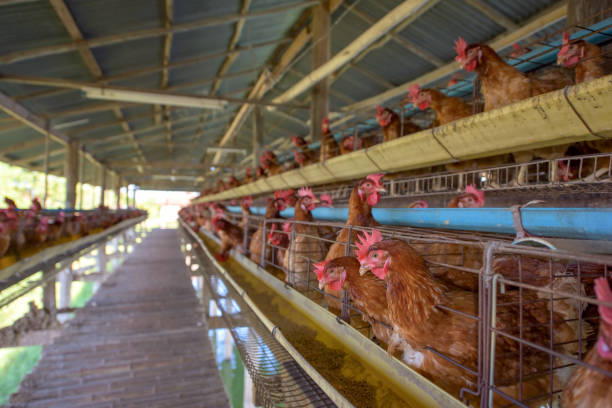
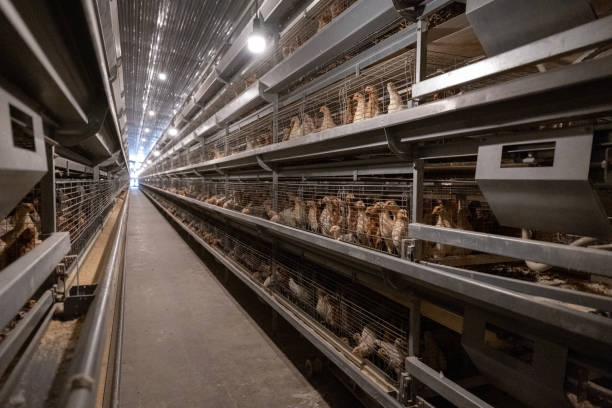
Now let’s talk cages. For a project this size, automatic layer cage systems are the smartest choice. They save labor, reduce feed waste, keep eggs clean, and improve hen health. We typically recommend 4-tier A-frame cages arranged in double rows with central manure belts. This layout lets you house more birds per square meter while keeping maintenance simple. Each module holds around 1,000–1,200 hens, meaning you’d need 16–20 modules for a full 20,000+ setup. All our systems come with automatic feeding troughs, drinking lines, egg collection belts, and optional manure scraper belts — features that pay for themselves within the first year through reduced labor and higher productivity.
Choosing the Right Equipment for Durability and Automation
Ghana’s farming environment demands tough, rust-resistant equipment. That’s why all Livi poultry cages are made from high-tensile galvanized steel, not just painted iron. This means they can handle humidity, frequent cleaning, and years of use without corroding. We’ve seen farms using our cages for over 10 years with minimal maintenance. That kind of durability matters when you’re investing tens of thousands into your setup.
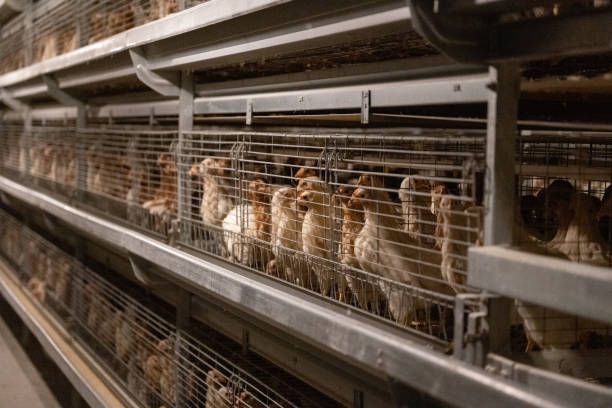
Automation is where the real gains happen. Imagine this: instead of 4–5 workers spending hours feeding, collecting eggs, and cleaning droppings every day, your entire 20,000-bird house runs with just one operator. Our automatic feeding system uses chain-driven supply lines that deliver consistent feed portions to every cage, reducing waste and ensuring even growth. Nipple drinkers provide clean, sealed water flow — no spillage, no algae buildup. And the egg conveyor belts gently transport laid eggs to the end of the house for easy packing, reducing breakage and saving hours of manual labor.
We also integrate optional features like automatic manure scrapers. These run once or twice a day, pulling dried droppings out into a collection tray or composting area. This keeps ammonia levels low, improves air quality inside the shed, and produces valuable organic fertilizer — which many Ghanaian farms sell as an extra income stream.
And don’t overlook power needs. Since most rural areas rely on generators, we design our systems to be energy-efficient. Motors are low-wattage, timers ensure equipment runs only when needed, and we can include solar-ready setups upon request. Our team will help you choose the right configuration based on your location, water source, and budget — whether you’re near Accra, Kumasi, Tamale, or in more remote regions.
Maximizing Productivity and Long-Term Success
Setting up the hardware is just half the battle. The real success comes from how well your farm runs month after month. That starts with good bird management. Choose high-performing hybrids like ISA Brown or Hy-Line layers — these breeds lay over 300 eggs per year and adapt well to cage systems. Work with a trusted hatchery to get vaccinated, healthy pullets at 16–18 weeks, ready to start laying.
Daily monitoring is crucial. Check feed levels, water pressure, egg output, and watch for any signs of illness. Keep detailed records — these help spot trends early. Also, maintain a strict cleaning schedule. Even with automated systems, weekly inspections and monthly deep cleans prevent disease and extend your equipment’s life.
Another key factor? Training your staff. Even the best system fails if operators don’t understand it. That’s why Livi offers free training videos, user manuals in English, and on-site support during installation. We’ve worked with farms in Nigeria, Kenya, and Ethiopia, so we understand African farming realities — unreliable power, limited skilled labor, supply chain delays. Our solutions are designed with those challenges in mind.
Finally, think long-term. A properly set-up 20,000+ cage system can last 15+ years. Many farmers start with 10,000 birds, then expand. Our modular design makes scaling easy — just add more units later. Some clients even install incubators and育雏笼 (brooder cages) to raise their own pullets, creating a fully integrated cycle from hatch to harvest.
Ready to Build Your Dream Farm?
If you’re serious about building a high-output, low-maintenance poultry farm in Ghana, we’d love to help. Whether you’re starting from scratch or upgrading an old setup, Livi Machinery provides turnkey solutions — from design and equipment supply to delivery and installation support across Ghana. Our systems are already improving farms in Koforidua, Sunyani, and Bolgatanga.
Tell us your farm size, bird type, and location — we’ll send you a free customized layout and quote within 24 hours. Let’s turn your vision into reality with smart, durable, and scalable poultry housing.
Contact us today with your requirements, and take the first step toward a smarter, more profitable farm.
Frequently Asked Questions
What kind of cages do you recommend for 20,000 laying hens in Ghana?
We suggest automatic 4-tier A-frame layer cages with central manure belts. These maximize space, reduce labor, and handle Ghana’s climate well thanks to galvanized steel construction.
Can the system run without constant electricity?
Yes. Our systems use low-power motors and can be paired with solar panels or generators. Timers and battery backups keep core functions running during outages.
How much labor does a 20,000-bird automated farm need?
Typically 2–3 trained workers can manage feeding, egg collection, and basic checks daily. Without automation, you might need 8–10 people.
Do you help with installation in remote areas of Ghana?
Absolutely. We provide detailed setup guides, video support, and can arrange on-site technicians depending on location. We’ve installed farms far beyond major cities.
How long do your poultry cages last?
With proper care, our galvanized cages last 15 years or more. Many customers report still using them after a decade with minimal wear.
Can I expand my farm later?
Yes! Our cage systems are modular. You can start with 10,000 birds and add more sections as your business grows.
What other equipment should I consider?
Besides layer cages, consider brooder cages for raising chicks, tunnel ventilation for cooling, and manure composters to create extra income from waste.
Is shipping included in your quote?
We offer FOB prices at Chinese port or CIF quotes delivered to Tema Port, including shipping and customs documentation. We help coordinate logistics.
Do you offer financing or payment plans?
While we require final payment before shipment, we can split orders into phases and offer flexible timelines. Some customers fund through local agricultural banks.
How soon can I get the equipment after ordering?
Production takes 25–30 days. Shipping from China to Ghana takes about 30–40 days by sea. We keep you updated at every stage.