80,000+ Industrial Layer Cage System for Zimbabwe Farms
80,000+ Industrial Layer Cage System for Zimbabwe Farms
Zimbabwe’s poultry industry is growing rapidly, driven by increasing demand for eggs and efficient protein sources. As farms scale up to meet market needs, the shift from traditional backyard systems to modern, industrialized production is becoming essential. One of the most effective ways to achieve this transformation is by installing a large-scale layer cage system — particularly one designed to house 80,000 birds or more. For commercial egg producers in Zimbabwe, investing in a high-capacity, durable, and intelligent layer cage setup isn’t just about volume; it’s about maximizing output while minimizing labor, feed waste, disease risk, and operational costs.
At Livi Machinery, we’ve helped dozens of African farms transition into fully automated, profitable operations. With over a decade of experience and deep understanding of tropical climates and infrastructure challenges, we design industrial-scale poultry housing that fits real-world conditions — especially for countries like Zimbabwe where power supply, heat management, and maintenance access are critical factors. Our 80,000+ industrial layer cage system is not just imported equipment assembled on-site — it’s a complete turnkey solution tailored for long-term success in your environment.
Why Big-Scale Layer Cages Are the Future for Zimbabwean Egg Producers
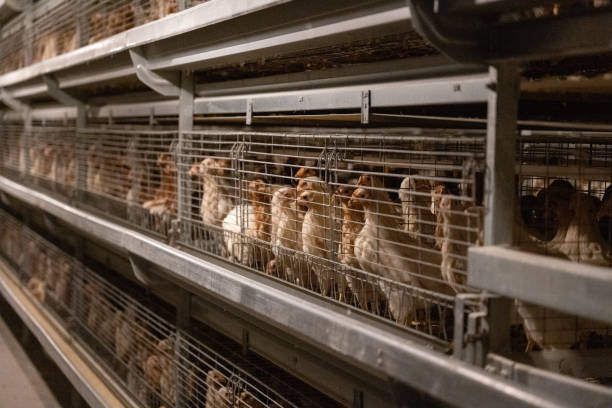
Let’s face it: feeding a nation takes more than small flocks scattered across rural homesteads. To truly impact food security and create sustainable agribusinesses, Zimbabwe needs commercial farms capable of consistent, year-round production. That’s where a system housing 80,000 laying hens becomes powerful. Imagine producing over 70,000 eggs per day at peak performance — that’s nearly half a ton of fresh protein daily, all from one well-managed facility.
But scaling up comes with risks if done incorrectly. Poor ventilation leads to heat stress and reduced laying rates. Inadequate manure removal invites parasites and ammonia buildup. Low-quality materials corrode quickly under humid conditions or frequent cleaning. And without automation, managing such a large flock becomes impossible with manual labor alone.
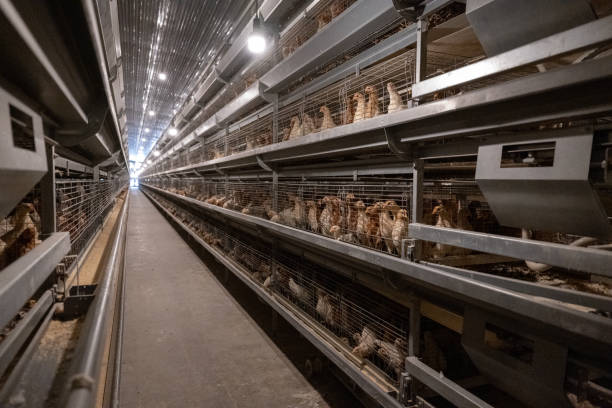
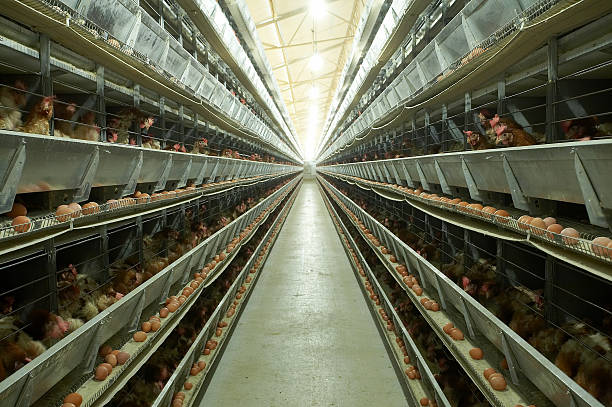
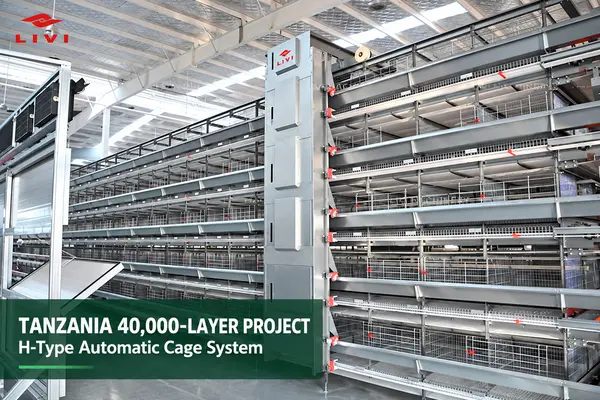
That’s why our industrial layer cage system was built differently. We use hot-dip galvanized steel throughout — stronger than regular iron and highly resistant to rust, even in high-moisture environments. The cages themselves come in multi-tier designs (usually four to five tiers), which allows optimal use of vertical space and reduces the overall footprint of your shed. Each level has automatic feeding lines, nipple drinking systems, egg belt collection, and manure belt removal — all controlled centrally so one worker can manage thousands of birds at once.
We also integrate climate control features such as tunnel ventilation, cooling pads, and roof insulation that work effectively during Zimbabwe’s hot summers. These aren’t optional extras — they’re part of our core design because we know how temperature affects egg production. Hens stop laying when stressed, and heat is their number one enemy. With proper airflow and shade, however, your birds will stay calm, healthy, and productive no matter the season.
Designed for Real-World Conditions — From Bulawayo to Harare
One thing we’ve learned after installing large systems across Southern Africa: off-the-shelf European models don’t always survive local realities. Power fluctuations? Common. Dusty winds? Expected. Limited access to spare parts? A fact of life in many areas. So instead of selling what’s easy to make, we build what’s easy to maintain — right there on your farm.

For example, our feeding system uses robust chain-driven augers instead of fragile belts that snap easily. Water lines have anti-leak connectors and easy-flush ends so you can clean them weekly without dismantling everything. Egg belts run slowly and smoothly, reducing breakage and ensuring clean, market-ready eggs roll gently into collector trays. Even the manure belts are designed for slow but continuous movement, avoiding jams and keeping your shed hygienic.
Installation is another area where we go the extra mile. Our team travels to your site — whether near Mutare or outside Masvingo — to supervise construction, train your staff, and ensure every component works flawlessly before we leave. This includes wiring up control panels, testing sensors, and adjusting angles of feed troughs based on bird age. We call it “farm readiness,” and it makes all the difference between buying equipment and launching a business.
And should something ever go wrong — say, a motor fails or a sensor stops responding — you won’t be stuck waiting weeks for a replacement. We stock key spare parts in regional warehouses and provide digital support via WhatsApp or email. Many of our clients have told us this peace of mind is worth just as much as the hardware itself.
Beyond Equipment — Building Profitable Poultry Businesses
When you’re running an 80,000-bird operation, success doesn’t come from cages alone — it comes from smart management. That’s why Livi offers free operational guidance along with every system sold. From calculating feed conversion ratios to setting vaccination schedules and monitoring egg weight trends, our experts help you run a data-driven farm.
We also advise on layout planning — things like how wide to make walkways, where to place loading docks, and how many sheds to build for rotation purposes. Did you know that splitting 80,000 birds into two houses of 40,000 each actually improves biosecurity and makes disease outbreaks easier to contain? Or that placing sheds east-west helps reduce direct sunlight exposure during midday?
These insights come from working closely with farmers who’ve made — and sometimes repeated — these mistakes. Now, we package that knowledge into simple checklists, training videos, and even mobile alerts so you never miss a critical task again.
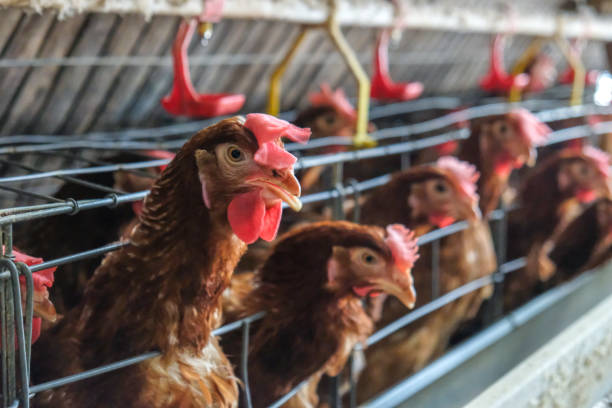
Moreover, many of our Zimbabwean clients are already seeing returns within 18 months thanks to lower mortality rates, higher egg yields, and less feed wastage. Some have expanded into hatcheries or started selling point-of-lay pullets using leftover capacity. Others have formed cooperatives to share logistics and marketing costs. It’s not just farming anymore — it’s entrepreneurship powered by smart technology.
If you’re considering stepping into large-scale egg production — or upgrading your current setup — now is the perfect time. Feed prices may fluctuate, and markets may shift, but the demand for affordable, safe eggs continues to rise. By investing in a proven, scalable system backed by real technical support, you’re not just building a chicken house — you’re building a future.
Ready to launch your own 80,000+ industrial layer cage system in Zimbabwe? Tell us about your project — land size, location, target capacity, budget range — and we’ll send you a customized plan, including 3D layouts, equipment list, pricing, and timeline. We respond fast, speak your language, and treat every client like a partner. Just drop your contact info below and let’s get started.