Large-Scale Poultry Farming Cage Solutions
Large-Scale Poultry Farming Cage Solutions
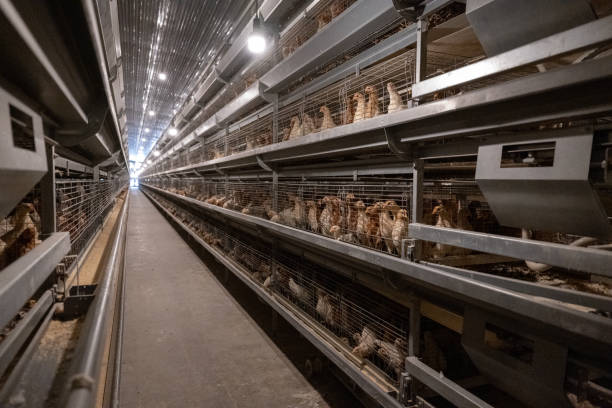
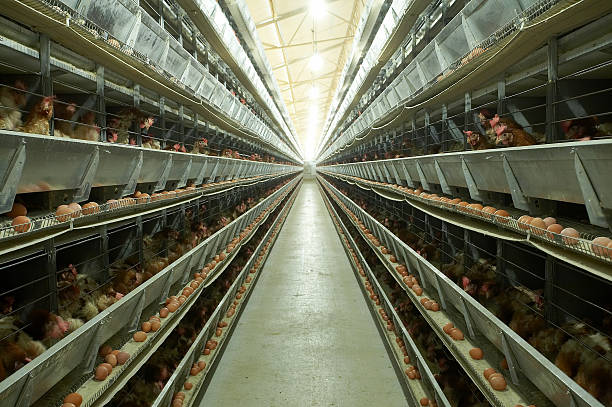
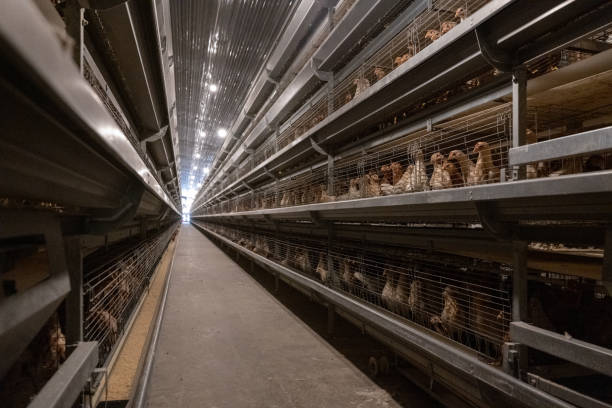
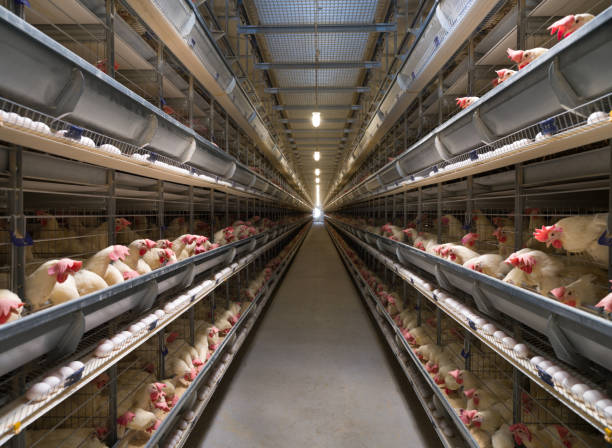
When you’re scaling up a poultry operation—whether it’s from 5,000 to 50,000 birds or planning your first fully automated 100,000-bird layer farm—the cage system isn’t just furniture. It’s the backbone of your entire production system. At郑州Livi Mechanical Manufacturing Co., Ltd., we’ve spent over a decade engineering cage solutions that don’t just hold birds—they support growth, reduce labor, prevent disease, and deliver consistent egg or meat output year after year. We don’t sell cages; we design integrated, future-ready infrastructure for commercial poultry farms across Southeast Asia, Africa, the Middle East, and Latin America. And what sets our large-scale cage solutions apart? Real-world durability, intelligent compatibility, and hands-on support—from site assessment all the way through commissioning and staff training.
Smart Layouts That Match Your Scale—and Your Space
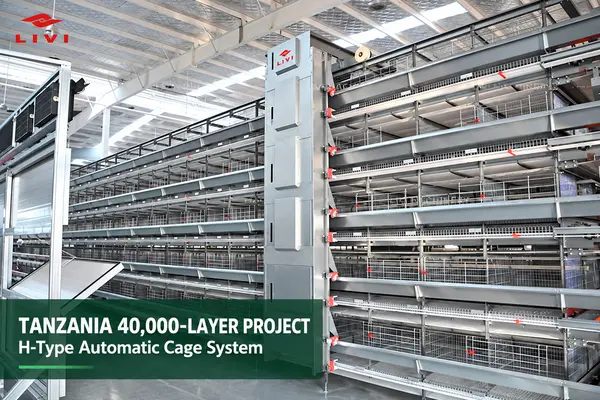
One size doesn’t fit all, especially when bird density, building dimensions, climate conditions, and labor availability vary so widely. That’s why our large-scale cage projects always start with a free technical consultation—not a sales pitch. Our engineers ask questions like: What’s your target peak production per square meter? Do you have natural ventilation or full climate control? Is your feed delivery manual, auger-based, or automated via chain-and-trough or pneumatic lines? Based on your answers, we tailor layout schematics before even suggesting a model. For instance, in hot-humid regions like Vietnam or Nigeria, we often recommend multi-tier A-frame cages with wider aisle spacing and integrated cooling ducts; in colder zones like Kazakhstan or northern China, we optimize for heat retention and condensation control using insulated end panels and sloped manure belts. And for farms investing in automation, our cages integrate seamlessly with popular conveyor systems (like Moba or Big Dutchman), LED lighting controls, and even IoT sensors for real-time temperature, ammonia, and feed-level monitoring. Think of it as plug-and-play precision—not off-the-shelf rigidity.
Built for Decades, Not Just Seasons
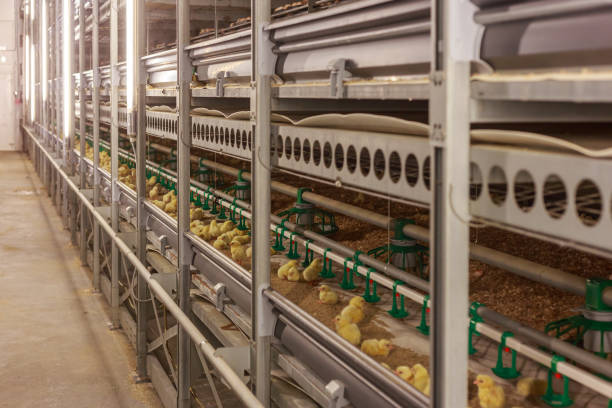
Let’s talk honesty: cheap galvanized wire cages might save upfront cost—but they rust at weld points after 2–3 years, sag under load, and cause leg injuries from inconsistent wire spacing. At Livi, every large-scale cage is built to last 15+ years—even under continuous high-density operation. How? First, we use double-dipped hot-dip galvanizing (minimum 275g/m² zinc coating) on all structural steel and mesh—tested and certified per ISO 1461. Second, our tier frames are reinforced with 25×25mm square tubing, not hollow round rods, giving 40% more torsional strength. Third, wire spacings are precisely calibrated: 18mm × 18mm for pullets, 22mm × 22mm for mature layers, and custom vertical spacing to eliminate breast blisters in broilers. We also offer optional upgrades like anti-slip plastic-coated flooring for wet climates and stainless-steel feed troughs in highly corrosive environments (e.g., coastal farms with salt-laden air). Every batch undergoes third-party load-testing—up to 35kg per bird slot—because “heavy-duty” shouldn’t be marketing jargon. It should be measurable, repeatable, and backed by warranty.
Full Lifecycle Support—From Groundbreaking to Grand Opening
Going big isn’t just about installing cages—it’s about making sure your team knows how to operate, monitor, and maintain them efficiently. That’s why our large-scale solutions include what we call “360° rollout support.” Before shipment, we provide 3D assembly animations and bilingual installation manuals (English + local language), plus virtual walkthroughs using drone-captured footage of your barn. On-site, our certified technicians don’t just supervise—they train your foremen on daily inspection checklists (e.g., checking belt tension, roller alignment, manure removal cycle timing), emergency stop procedures, and basic troubleshooting for common automation hiccups. After handover, you get direct access to our 24/7 agritech hotline, quarterly remote health checks (via shared live camera feeds or sensor logs), and annual on-farm maintenance visits—including wire tension recalibration, corrosion spot-treatment, and software updates if your system includes smart controllers. One client in Kenya told us, “You didn’t just deliver cages—you delivered confidence.”
Ready to build something that grows with you? Whether you’re upgrading an existing 20,000-bird unit or designing a greenfield 200,000-layer complex, let’s start with what matters most: your goals, your constraints, and your vision for sustainable, scalable success. Drop us a line—we’ll send a no-obligation feasibility report within 48 hours, including preliminary layout sketches, equipment list, timeline estimate, and ROI projection tailored to your local feed, labor, and energy costs. Just share your farm location, target capacity, current setup (if any), and preferred contact method. Let’s turn scale into strength—together.
FAQ
What’s the minimum flock size where large-scale cage systems make economic sense?
Generally, 10,000 birds is the turning point where labor savings, uniform feed conversion, and reduced mortality start clearly outweighing higher initial investment. But it depends—some clients go cage-based even at 5,000 birds when labor is scarce or biosecurity is critical.
Can your cages be retrofitted into existing barns with low ceilings or narrow doors?
Yes—we’ve successfully installed tiered systems in barns as low as 3.2 meters and adapted frame designs for entry through 1.8m-wide doorways. Our engineers will review your architectural drawings and propose modifications like split-tier assembly or hydraulic lift assists.
Do you supply full automation packages—or just cages?
We do both. You can buy cages standalone, or go full turnkey: cages + feeders + drinkers + manure removal + climate controllers + egg collection belts. We partner with trusted global suppliers and integrate everything under one commissioning schedule.
How long does installation take for a 50,000-bird system?
Typically 3–4 weeks on-site, depending on crew size and barn readiness. We pre-assemble modules off-site to cut field time by nearly half—and keep spare parts stocked locally for quick replacements.
Are your cages suitable for organic or free-range hybrid operations?
Our standard cages meet conventional commercial standards. For certified organic or RSPCA-assured setups, we offer modified models—such as larger floor space per bird, perch-integrated tiers, and non-galvanized stainless options—designed in collaboration with certification bodies.