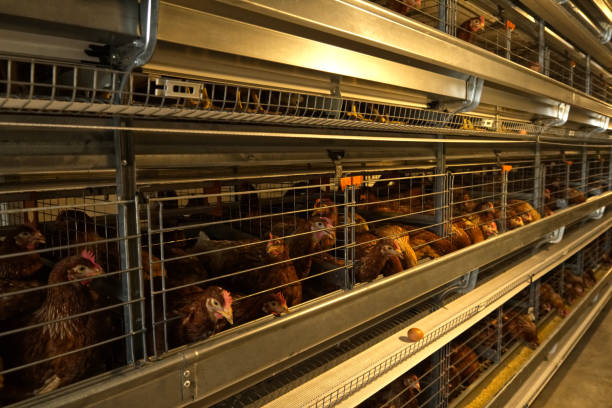
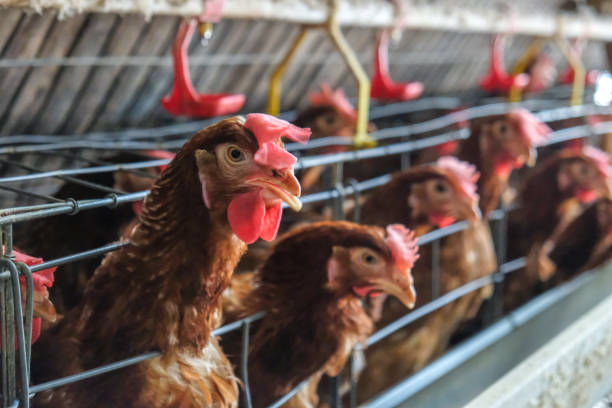
Automatic Chicken Cage System for Large Farms
 time:
2025-12-24
time:
2025-12-24 Automatic Chicken Cage System for Large Farms
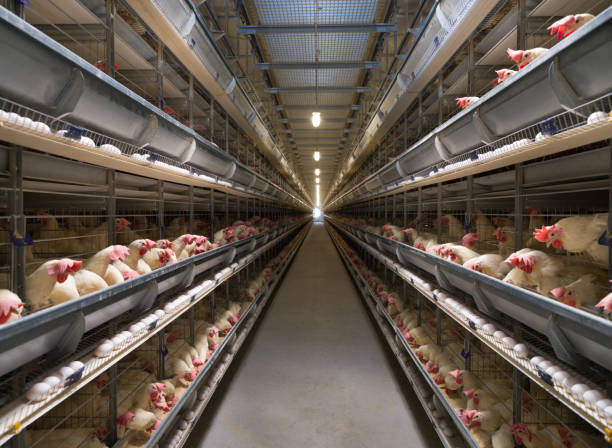
When it comes to running a large-scale poultry farm, efficiency, labor savings, and animal welfare are top priorities. One of the most transformative innovations in modern poultry farming is the automatic chicken cage system. Designed specifically for large farms, these systems take the guesswork and heavy lifting out of daily operations—literally. At Livi Machinery, based in Zhengzhou and serving clients across the globe since 2012, we’ve seen firsthand how automation can revolutionize egg and meat production. Whether you’re upgrading an existing facility or starting fresh, adopting an automated cage system isn’t just a smart move—it’s becoming essential.
Why Large Farms Are Switching to Automation
Running a big poultry operation means handling thousands, sometimes tens of thousands, of birds. The traditional way—manual feeding, watering, manure removal, and egg collection—is not only time-consuming but also inconsistent. Human error, uneven feed distribution, delayed cleaning, and stress on hens all lead to lower productivity and higher operational costs.
That’s where the automatic chicken cage system shines. These high-tech setups handle nearly every aspect of chicken management with precision and consistency. From the moment chicks enter the farm until they’re ready for market (or laying eggs), the system does the work—monitoring conditions, adjusting feed amounts, collecting eggs gently, and even removing waste before it becomes a problem.
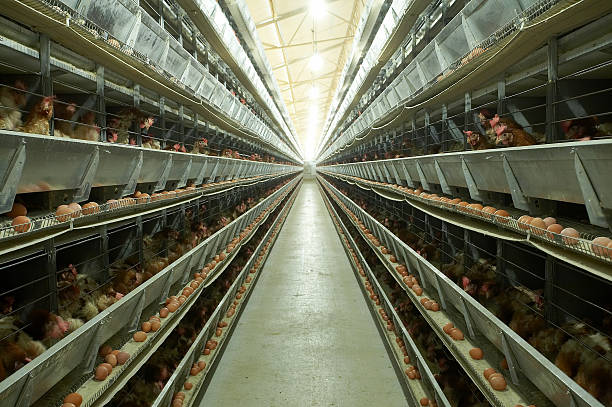
For example, our multi-tier automatic layer cages use conveyor belts to collect eggs as soon as they’re laid, transporting them directly to a packing station. No more cracked eggs from rolling around the floor or workers bending over for hours picking them up. The same goes for feeding: programmable feed lines distribute the right amount at the right time every day, eliminating overfeeding or underfeeding. With climate-controlled environments and automated ventilation, chickens stay healthier and perform better year-round.
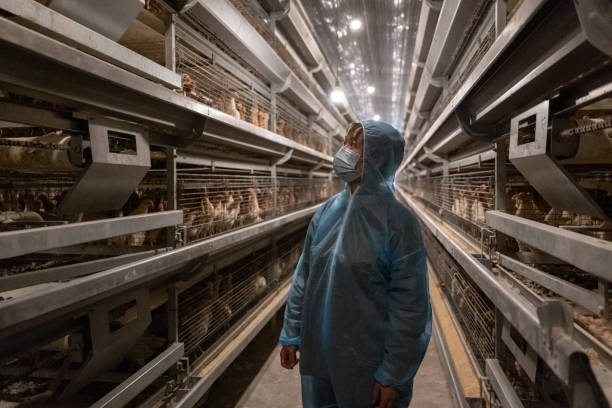
Beyond saving labor, automation improves biosecurity. Fewer people moving through chicken houses means fewer chances for disease introduction. Automated water systems prevent contamination, while closed manure belts reduce ammonia buildup—a major cause of respiratory issues in flocks. All of this adds up to stronger birds, more eggs, and better profits.
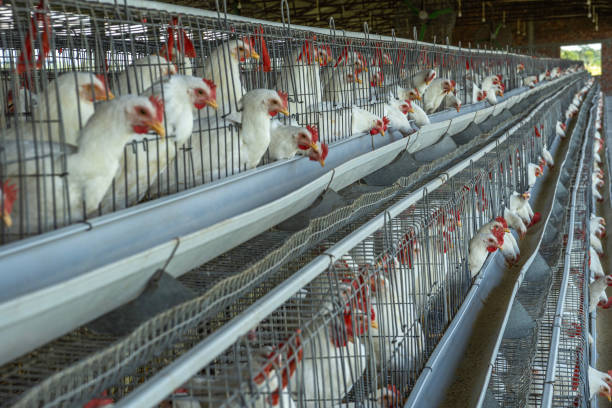
Components That Make the System Work Smart
A good automatic chicken cage system isn’t just one piece of equipment—it’s a complete ecosystem built to simplify life on the farm. Let’s break down the core parts and how they contribute to smooth, round-the-clock operation.
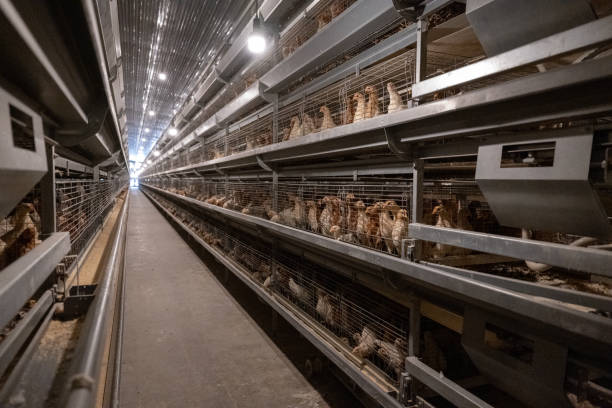
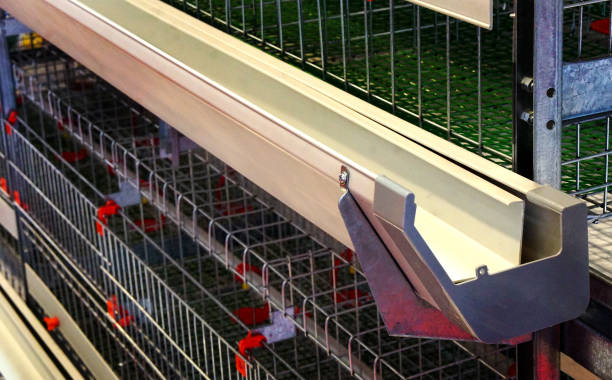
The backbone is usually a stacked cage structure—two, three, or even four tiers high—maximizing space without compromising bird comfort. Each level has specially designed cages with sloped floors that guide eggs onto a central conveyor belt. These belts run silently during early morning hours when most eggs are laid, then automatically transfer them to a grading table outside the house.
Feeding is managed by a central silo connected to an auger or chain-and-tube delivery system. Set timers or link everything to a control panel, so fresh feed drops into troughs at sunrise and again in the afternoon. Sensors ensure no section gets too much or too little. Some advanced models even adjust portions based on flock size and growth stage.
Water systems are equally important. Nipple drinkers deliver clean water directly to each bird, minimizing spillage and bacterial growth. They’re easy to maintain and prevent clogging thanks to built-in filters. On larger installations, these lines connect to centralized pressure regulators and monitoring units.
Then there’s the manure removal. Instead of scraping floors daily—which is dirty, dangerous, and inefficient—automated systems use either flat belts or scraper chains beneath each tier. Depending on your setup, you can schedule removal once a week or even less frequently if using drying fans. The result? Cleaner barns, happier workers, and valuable dried manure that can be sold as organic fertilizer.
Finally, add environmental controls: fans, cooling pads, heaters, and controllers that monitor temperature, humidity, and CO₂ levels. Connect everything to a smartphone app, and suddenly you’re managing your entire farm from your couch—even if you’re overseas.
All these components integrate seamlessly, which is something we specialize in at Livi. We don’t just sell cages; we design full turnkey solutions tailored to your land, budget, and production goals. Whether you have 10,000 or 100,000 hens, we help you scale smart.
Thinking Long-Term: ROI and Future-Proofing Your Farm
It’s natural to wonder whether investing in automation is worth it. After all, setting up a fully automatic chicken cage system requires upfront capital. But here’s the truth: on a large farm, you’ll recoup that cost faster than you think.
Take labor alone. A manual operation might need six or seven workers per house just for basic tasks. With automation, two skilled staff can manage twice the number of birds. Over five years, those wages add up—thousands saved annually. Then factor in reduced feed waste (up to 15% improvement), lower mortality rates (due to better air quality and consistent care), and increased egg production (often by 8–12%). Suddenly, the investment doesn’t just pay for itself—it boosts profitability.
And let’s talk about expansion. Once you’re running on automation, scaling becomes much easier. Need to double your capacity? You won’t need to double your workforce. You’ll simply replicate the model you already trust. This makes it easier to win contracts with supermarkets or export partners who demand traceability and volume consistency.
At Livi, we’ve helped farms in Southeast Asia, Africa, South America, and Eastern Europe modernize their facilities. Many started small but expanded within three to five years because the systems allowed them to do so efficiently. They didn’t just survive shifts in market prices or disease outbreaks—they thrived, thanks to stable, predictable output.
We also offer ongoing support: maintenance guides, remote diagnostics, spare parts supply, and training programs for local technicians. That peace of mind matters when you’re depending on equipment day after day.
If you’re considering making the leap, now is the best time. Energy-efficient motors, smarter sensors, AI-powered monitoring tools—the technology keeps improving, and today’s systems are more reliable and user-friendly than ever.
Want to see what your future farm could look like? Drop us a message with your farm size, production goals, and location. Our team will send you a custom layout, equipment list, and estimated cost—no obligation, just honest advice from people who live and breathe poultry tech.