Automatic Poultry Cages for Layers – Livi Machinery
 time:
2025-12-24
time:
2025-12-24 Automatic Poultry Cages for Layers – Livi Machinery
When it comes to modern poultry farming, efficiency and sustainability are no longer optional—they’re essential. For egg producers looking to maximize output while minimizing labor and feed waste, automatic poultry cages for layers are quickly becoming the standard. At Livi Machinery, based in Zhengzhou and established in 2012, we’ve spent over a decade refining smart, durable, and high-performance layer cage systems that help farmers around the world scale their operations profitably.
Our automatic poultry cages aren’t just another piece of equipment—they’re a complete solution designed with real farm challenges in mind. Whether you’re running a small commercial setup or managing a large-scale egg production facility, our systems streamline feeding, egg collection, manure removal, and climate control, all with minimal human intervention. In this article, we’ll explore how these advanced cages work, why they’re transforming poultry farming, and what sets Livi’s systems apart from the rest.
What Makes Automatic Layer Cages Different?
Traditional poultry farming often relies on manual labor for daily tasks like moving feeders, collecting eggs, and cleaning coops. While this approach works on a small scale, it becomes increasingly inefficient—and costly—as your flock grows. That’s where automation steps in.
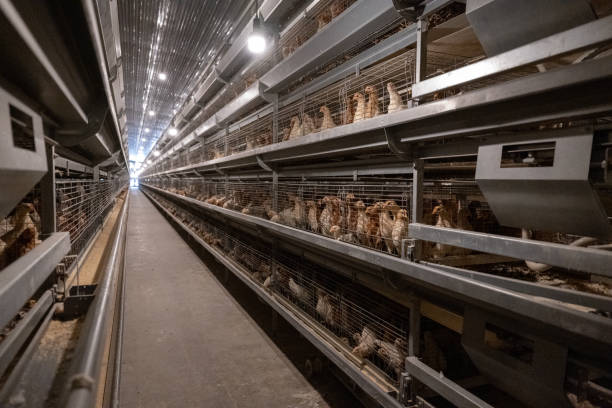
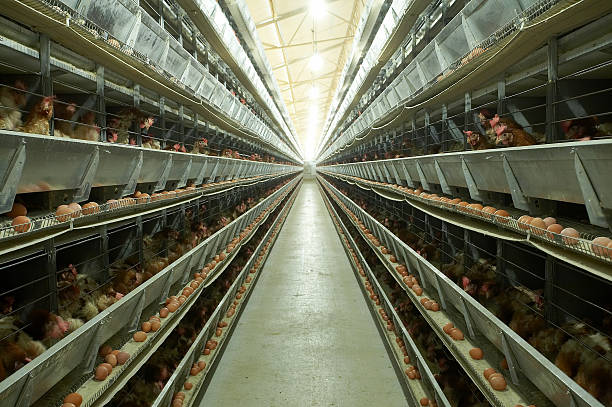
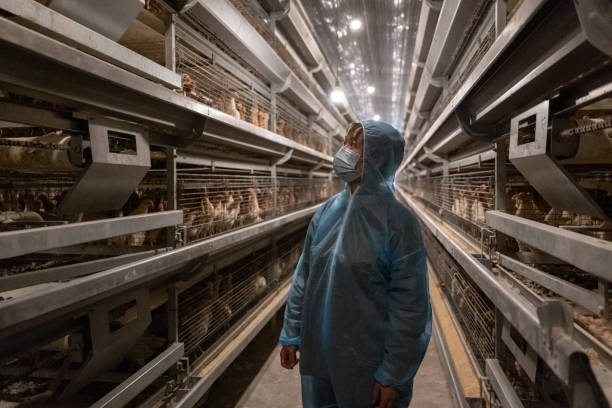
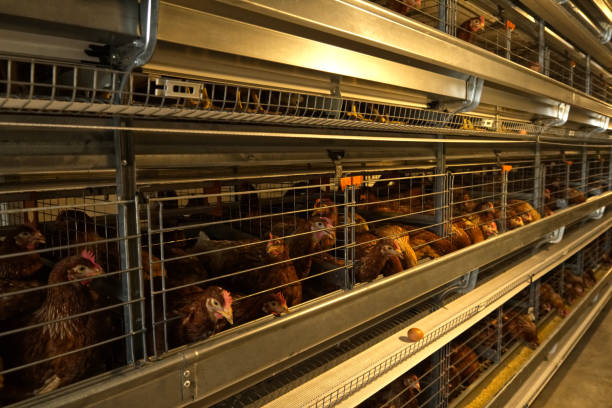
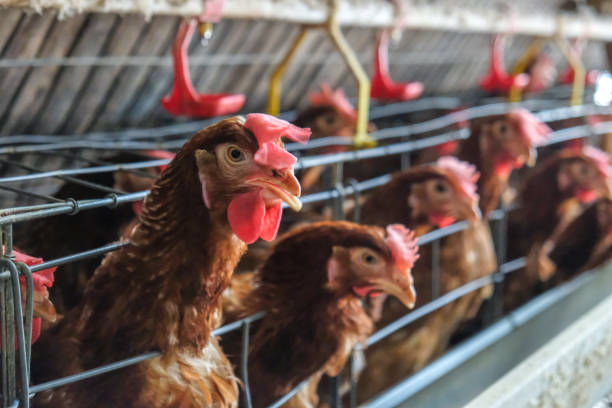
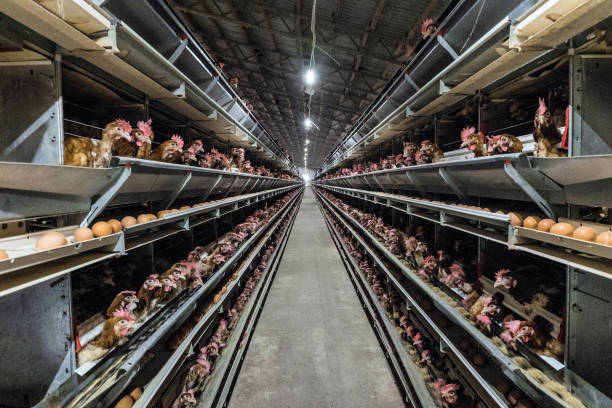
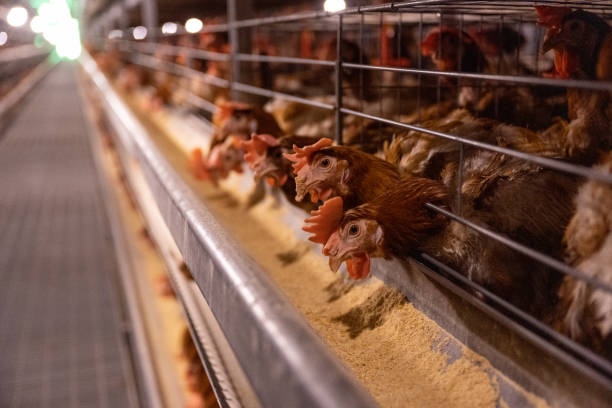
An automatic poultry cage system takes over the most time-consuming aspects of layer management. These cages are typically built in tiered levels (usually 2 to 4 tiers), maximizing space without compromising bird comfort. Each level is equipped with automated features: feeding lines that run continuously along the rows, egg belts that gently transport laid eggs to a central collection point, and manure belts that remove droppings before odor or disease becomes an issue.
One of the biggest advantages? Cleanliness and bird health. With manure removed automatically every few hours, ammonia buildup is drastically reduced. This improves air quality inside the house, reduces respiratory problems in birds, and results in lower mortality rates. Plus, hens feel more comfortable in a clean environment, which can actually boost egg production and shell quality.
Another game-changing feature is the use of centralized control panels. Many of our systems allow farmers to monitor and manage lighting, ventilation, feeding schedules, and even water pressure via a smartphone or tablet. This smart integration makes it easier than ever to respond quickly to changes—like adjusting temperature during sudden heatwaves or identifying a blockage in the feeder line before it affects the whole flock.
At Livi Machinery, we don’t believe in one-size-fits-all solutions. Our automatic cages can be customized based on your farm size, building layout, and regional climate. Need a system that handles 5,000 birds? We’ve got it. Planning a modular expansion next year? Our cages are designed for scalability. From initial site assessment to final installation and training, we guide you through every step, ensuring smooth adoption and long-term success.
Why Farmers Are Switching to Automation
The shift toward automated poultry farming isn’t just a trend—it’s a response to real economic and operational pressures. Labor shortages are hitting agriculture hard worldwide. It’s getting harder and more expensive to find skilled workers willing to do the early morning rounds, handle heavy feed bags, and collect thousands of eggs by hand. Automation solves this by doing the heavy lifting—literally.
Let’s talk numbers. A farmer using manual methods might spend 3–4 hours per day just collecting eggs and cleaning cages. With an automatic egg belt system, that task shrinks to under 30 minutes, mostly for inspection and maintenance. That freed-up time means farmers can focus on other critical areas like feed formulation, vaccination schedules, or business planning.
Then there’s consistency. Humans get tired. Machines don’t. An automatic feeder delivers the exact same amount of food at the same time every day. No overfeeding, no missed spots. This kind of precision leads to healthier birds and better feed conversion ratios—which directly impacts your bottom line.
We’ve seen farms increase their egg production by 8% to 12% after switching to our automatic cages. Why? Because hens stress less when conditions are stable. They lay more consistently when feed, water, and nesting spaces are always available. And since eggs move quickly from nest to belt, there are fewer broken or dirty eggs—meaning higher market value.
Durability also plays a big role in the decision. All our cages are made from hot-dip galvanized steel, which resists rust, corrosion, and wear—even in humid tropical climates or dusty desert regions. We’ve installed systems in Southeast Asia, Africa, South America, and Eastern Europe, and feedback consistently highlights reliability as a top reason for satisfaction.
But beyond numbers and materials, what really wins trust is support. We offer full technical guidance, detailed installation manuals, remote troubleshooting, and even on-site training if needed. Our goal isn’t to just sell equipment—we want you to succeed with it.
How Livi Machinery Supports Your Farm’s Growth
From the moment you reach out, we treat your project like a partnership. We start by understanding your goals: How many birds do you plan to house? What kind of building do you have—a tunnel-ventilated house or natural airflow? Is power supply stable, or will solar backup be necessary? Answers to these questions shape the design of your system.
Our engineering team creates custom layouts showing cage placement, feed line routes, egg and manure belt direction, and electrical requirements. Once approved, production begins in our Zhengzhou factory, where strict quality checks ensure every component meets international standards. After shipment, our technicians assist with installation, either remotely or in person, depending on location.
And we don’t disappear after delivery. Livi offers ongoing support through video calls, WhatsApp messaging, and email. If a sensor stops working or a motor gets noisy, we help diagnose and fix the issue fast. We also share best practices—like how to clean egg belts properly or adjust feeder height as birds grow—so your system runs smoothly for years.
Many of our customers start with one house and return later to equip additional barns. That repeat business is the highest compliment we can receive. One client in Nigeria started with 10,000-bird capacity and doubled it within two years, citing “lower labor costs and better egg quality” as key drivers. Another in Vietnam added climate-controlled fans connected to our control system, helping his flock stay productive even during monsoon season.
Whether you’re entering egg farming for the first time or upgrading from a semi-automatic setup, now is the perfect time to consider full automation. The technology has matured, prices have become more accessible, and the return on investment is clearer than ever.
Ready to upgrade your layer operation with a reliable, smart, and scalable solution? We’d love to hear about your farm and how we can help you achieve higher productivity with less hassle. Get in touch with Livi Machinery today—share your contact details, describe your current setup, and let us design a customized automatic poultry cage system that fits your needs perfectly. Let’s build the future of your farm—together.
Frequently Asked Questions
Are automatic layer cages suitable for small farms?
Yes, absolutely. While commonly used in large operations, we offer compact and modular designs perfect for small to mid-sized farms. Even 2,000-3,000 bird setups benefit greatly from automation, especially in reducing daily labor.
How much electricity does the system use?
The power consumption is surprisingly low. Most of our systems use between 1.5 to 3 kWh per day, depending on size and number of motors. Many farms combine them with solar power for off-grid operation.
Can I retrofit automatic features into my existing cages?
In many cases, yes. We can add egg collection belts, auto-feeders, or manure removal systems to compatible existing structures. However, full integration works best with our complete cage systems.
Do automatic cages improve egg quality?
Definitely. Eggs roll onto belts immediately after laying, reducing cracks, dirt, and bacterial contamination. Cleaner eggs mean less culling and higher market prices.
How long do Livi’s cages last?
With proper maintenance, our hot-dip galvanized cages last 15–20 years or more. Many customers report using them over a decade with minimal repairs.
Is installation difficult?
We make it simple. Our kits come pre-assembled as much as possible, with clear instructions. Our team guides you step-by-step, and we offer support throughout the process.
Can the system handle different breeds of laying hens?
Yes, our cages are adjustable in width and height to accommodate various breeds—from smaller bantams to larger hybrid layers. We customize spacing based on your flock type.
Do you provide warranties?
Yes, we offer a standard 1-year warranty on all mechanical parts and motors. The cage structure itself has a 10-year anti-rust guarantee thanks to high-quality galvanization.
How do I clean the system?
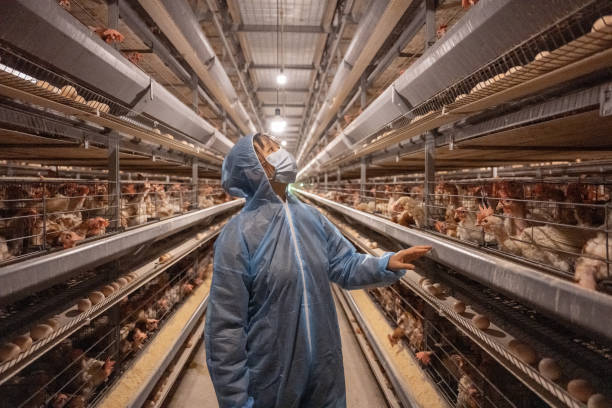
Most cleaning is simplified by automation. Manure belts reduce floor waste, and cages are designed for easy access. Regular wiping of feeders and egg belts with diluted disinfectant keeps everything hygienic.
Can I monitor the system remotely?
If equipped with smart controllers, yes. You can track feeding times, check motor status, receive alerts for malfunctions, and even control lights and ventilation—all from your phone.