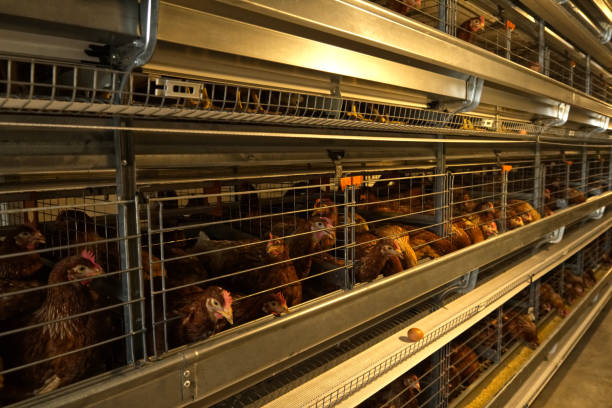
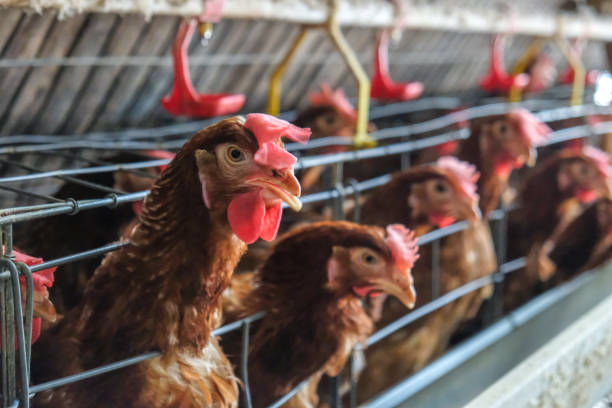
Broiler Cage Solutions for Large-Scale Chicken Farming (500,000 Birds) in Togo
 time:
2025-06-17
time:
2025-06-17 Broiler Cage Solutions for Large-Scale Chicken Farming (500,000 Birds) in Togo
Togo, a vibrant West African nation, is rapidly developing its agricultural sector, with poultry farming playing a pivotal role. Meeting the growing demand for poultry products requires innovative and efficient farming methods. For large-scale operations targeting 500,000 broilers, implementing well-designed broiler cage systems becomes not just advantageous, but absolutely essential. This article delves into the broiler cage solutions tailored for significant production in Togo, covering design considerations, benefits, environmental control, waste management, and crucial operational strategies.
Understanding the Scale: 500,000 Broilers – A Different Ballgame
Raising half a million broilers is a serious undertaking, demanding meticulous planning and the right infrastructure. Traditional free-range or deep litter systems simply aren’t practical at this scale. They would require vast tracts of land, significant labor inputs, and make disease control a nightmare. Broiler cage systems offer a controlled environment that optimizes space, reduces labor, and enhances biosecurity, making them the go-to solution for such large-scale operations.
The Core Benefits of Broiler Cage Systems
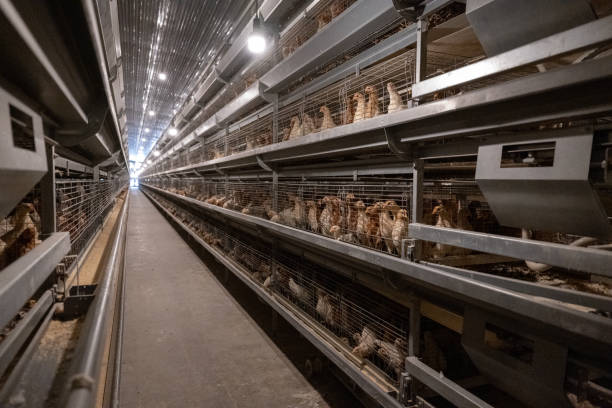
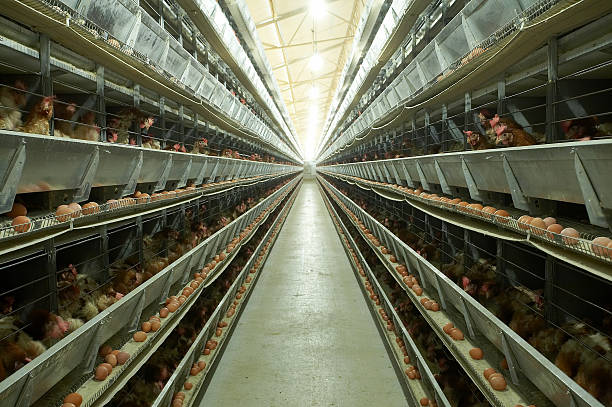
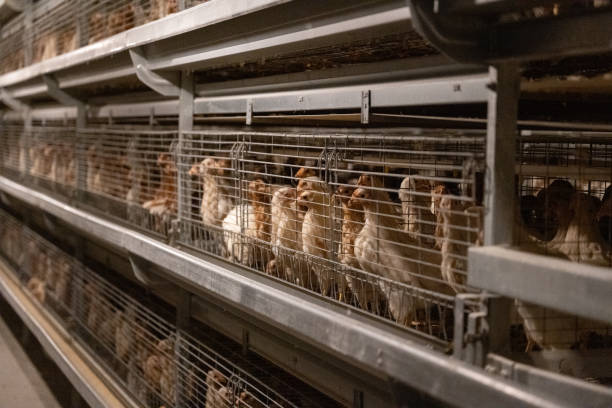
Increased Stocking Density: Broiler cages maximize space utilization. By housing birds in multi-tiered cages, you can accommodate significantly more chickens per unit area compared to floor-based systems. This translates to higher production output from the same amount of land.
Improved Feed Conversion Ratio (FCR): Cages limit the broiler’s movement, reducing energy expenditure. This allows them to channel more energy from the feed into growth, leading to a better FCR. Precisely controlled feeding regimes also minimize feed wastage.
Enhanced Disease Control: Cages separate birds from their waste, minimizing the risk of coccidiosis and other common poultry diseases. The controlled environment makes it easier to implement biosecurity measures and monitor bird health.
Reduced Labor Costs: Automated feeding, watering, and waste removal systems drastically reduce the labor required for daily operations. This frees up your workforce to focus on more critical tasks like bird health management and quality control.
Better Meat Quality: Cage systems often lead to more uniform growth rates and reduced bruising, resulting in higher quality meat products.
Easier Monitoring and Management: With birds confined to cages, observation becomes simpler. You can quickly identify and address any health issues or deviations in growth patterns.
Designing the Ideal Broiler Cage System for Togo
The design of your broiler cage system should consider Togo’s unique climate, available resources, and market demands. Here are some key considerations:
Cage Dimensions and Layout: The size and layout of the cages must adhere to animal welfare standards, ensuring adequate space for the birds to move, stand, and feed comfortably. There are various cage configurations available, including A-frame, H-frame, and stair-step designs. The choice depends on the available space and desired level of automation.
Material Selection: The cages should be constructed from durable, corrosion-resistant materials that can withstand the humid climate and harsh cleaning agents. Galvanized steel is a popular choice due to its strength, longevity, and resistance to rust. The wire mesh must be of high quality to prevent injury to the birds.
Ventilation and Cooling: Maintaining optimal temperature and air quality is crucial for broiler health and performance. Togo’s hot and humid climate necessitates effective ventilation and cooling systems. Natural ventilation can be supplemented with fans, evaporative cooling pads, or even more sophisticated climate control systems like tunnel ventilation, depending on your budget and the desired level of environmental control. Consider the prevailing wind direction and building orientation to maximize natural airflow.
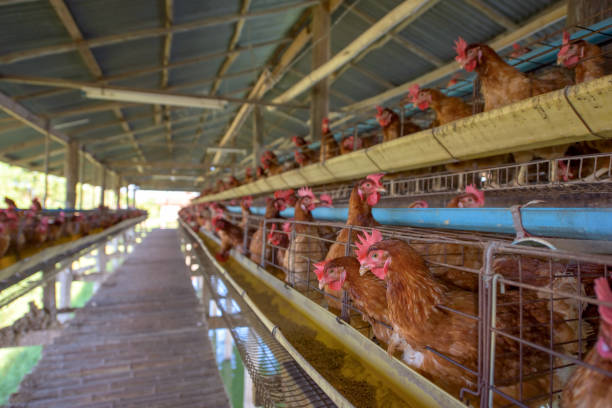
Feeding and Watering Systems: Automated feeding and watering systems are essential for large-scale operations. Nipple drinkers provide a constant supply of fresh water while minimizing spillage and waste. Chain feeding systems or automatic feeders ensure that each cage receives the correct amount of feed at the right time. Choose systems that are easy to clean and maintain.
Waste Management: Efficient waste management is crucial for biosecurity and environmental sustainability. Manure removal systems, such as belt systems or scraper systems, remove waste regularly, reducing ammonia buildup and the risk of disease. Consider composting or biogas production as sustainable waste disposal options.
Lighting: Proper lighting is essential for stimulating growth and regulating broiler behavior. LED lighting is energy-efficient and allows for precise control over light intensity and duration. Implement a lighting program that promotes healthy growth and minimizes stress.
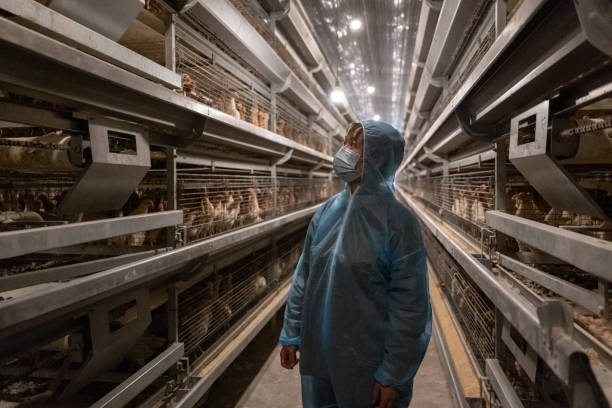
Biosecurity: Integrate strict biosecurity protocols into the design and operation of your farm. This includes controlled access, disinfection procedures, and proper waste disposal. A well-designed broiler cage system naturally enhances biosecurity by limiting contact between birds and their waste.
Environmental Control: Taming the Togolese Climate
Togo’s climate presents both challenges and opportunities for broiler farming. Maintaining optimal temperature and humidity levels is critical for broiler health, growth, and feed conversion efficiency.
Ventilation: Proper ventilation is paramount. Natural ventilation should be maximized where possible, supplemented by mechanical ventilation systems as needed. Exhaust fans remove hot, stale air while bringing in fresh air. The placement and capacity of the fans should be carefully calculated to ensure adequate airflow throughout the poultry house.
Cooling: Evaporative cooling pads are a cost-effective way to lower the temperature of the incoming air. These pads are wetted with water, and as air passes through them, the water evaporates, cooling the air. Another option is a fogging system, which sprays a fine mist of water into the air. The evaporation of the mist cools the air and increases humidity. For larger operations, consider tunnel ventilation, where fans draw air through the entire length of the poultry house, creating a cooling tunnel effect.
Heating: While Togo is generally warm, heating may be necessary during the cooler months or for chicks that are particularly susceptible to cold. Gas heaters or radiant heaters can provide supplemental heat as needed.
Climate Control Systems: Investing in a comprehensive climate control system allows you to precisely monitor and adjust temperature, humidity, and ventilation based on real-time conditions. These systems can automatically adjust fan speeds, cooling pads, and heating elements to maintain optimal environmental conditions.
Waste Management: Turning a Problem into a Resource
Effective waste management is not only essential for biosecurity and environmental sustainability, but can also be a source of income.
Manure Removal Systems: Belt systems or scraper systems automatically remove manure from beneath the cages. These systems reduce ammonia buildup, minimize the risk of disease, and make it easier to collect and process the manure.
Composting: Poultry manure is a valuable resource for composting. Composting converts the manure into a nutrient-rich fertilizer that can be used to improve soil quality.
Biogas Production: Chicken manure can be used to produce biogas, a renewable energy source. Biogas digesters break down the manure in an anaerobic environment, producing methane gas that can be used to generate electricity or heat. This reduces reliance on fossil fuels and provides a sustainable source of energy.
Direct Application to Land: In some cases, poultry manure can be applied directly to agricultural land as fertilizer. However, it’s important to properly manage the application to avoid nutrient runoff and water pollution.
Operational Strategies for Success

Beyond the physical infrastructure, successful broiler farming requires sound management practices.
Chick Quality: Start with high-quality chicks from reputable breeders. This is the foundation for achieving optimal growth rates and feed conversion efficiency.
Feed Management: Provide a balanced diet that meets the broilers’ nutritional needs at each stage of growth. Work with a nutritionist to develop a feeding program that optimizes growth and minimizes feed costs. Monitor feed consumption and adjust the feeding program as needed.
Water Management: Ensure a constant supply of fresh, clean water. Regularly clean and disinfect the watering system to prevent bacterial contamination.
Health Management: Implement a comprehensive health management program that includes vaccinations, regular health checks, and prompt treatment of any diseases. Work with a veterinarian to develop a disease prevention plan.
Record Keeping: Maintain detailed records of feed consumption, growth rates, mortality rates, and other key performance indicators. This will help you identify problems early and make informed management decisions.
Staff Training: Invest in training for your staff to ensure that they have the skills and knowledge needed to manage the farm effectively. This includes training on biosecurity procedures, feeding and watering systems, waste management, and health management.
Market Analysis: Understand the market demand for broiler meat in Togo. Identify your target market and develop a marketing strategy to reach your customers.
Finding the Right Partner: Livi Machinery and Broiler Cage Solutions
Establishing a 500,000-bird broiler farm in Togo is a significant investment. Choosing the right equipment supplier and partner is crucial for success. Livi Machinery specializes in providing high-quality broiler cage systems tailored to the specific needs of poultry farmers in Africa. We offer a comprehensive range of products and services, including:
Customized cage designs: We work with you to design a cage system that meets your specific requirements, considering factors such as climate, available space, and budget.
High-quality materials: Our cages are constructed from durable, corrosion-resistant materials that are built to last.
Automated feeding and watering systems: We offer a range of automated feeding and watering systems that reduce labor costs and improve efficiency.
Waste management solutions: We provide a variety of waste management solutions, including belt systems, scraper systems, and composting equipment.
Installation and training: We offer installation and training services to ensure that your cage system is properly installed and that your staff is trained to operate it effectively.
Ongoing support: We provide ongoing support to help you maximize the performance of your farm.
By partnering with Livi Machinery, you can be confident that you are investing in a high-quality broiler cage system that will help you achieve your production goals and maximize your profitability in the Togolese market. We understand the unique challenges and opportunities of poultry farming in Africa and are committed to providing our customers with the best possible solutions. With our expertise and support, you can create a thriving and sustainable broiler farming operation that meets the growing demand for poultry products in Togo. We are here to help you every step of the way, from initial planning to ongoing operation and maintenance. Let us help you build a successful broiler farm in Togo.