Designing a 20,000 Chick Battery Cage Poultry Farm in Mauritius: A Comprehensive Layout Guide
 time:
2025-06-19
time:
2025-06-19 Designing a 20,000 Chick Battery Cage Poultry Farm in Mauritius: A Comprehensive Layout Guide
Mauritius, with its tropical climate and growing economy, presents a promising landscape for poultry farming. However, successful poultry farming, particularly on a scale as significant as a 20,000-bird operation, requires meticulous planning and a well-designed layout. This comprehensive guide delves into the critical aspects of designing a battery cage poultry farm for 20,000 chickens in Mauritius, covering everything from site selection and cage system considerations to waste management and biosecurity protocols. The aim is to provide aspiring and established poultry farmers with the knowledge needed to optimize their operations, increase efficiency, and ensure the health and productivity of their flock.
**I. Site Selection: The Foundation of Success**
Choosing the right location is paramount for any poultry farm. Several factors must be meticulously evaluated before settling on a site in Mauritius:
* **Accessibility:** The farm must be easily accessible by road for the delivery of feed, chicks, and equipment, as well as for the transportation of eggs and processed birds to the market. Consider the road’s condition, especially during the rainy season, to avoid logistical nightmares.
* **Water Availability:** Poultry farming is water-intensive. A reliable and consistent water source is crucial. Explore options such as boreholes, wells, or municipal water supply. Ensure the water quality is suitable for poultry consumption; regular testing is recommended to check for contaminants. The water source should be reliable through the dry season as well.
* **Electricity Supply:** A stable electricity supply is necessary for lighting, ventilation, automatic feeding systems, and other essential farm operations. In Mauritius, power outages can occur; therefore, consider investing in a backup generator to prevent disruptions that could compromise bird welfare and productivity. Moreover, explore the possibility of solar power to reduce operational costs and environmental impact.
* **Proximity to Markets:** Locate the farm strategically near potential markets, such as supermarkets, restaurants, and local markets. This minimizes transportation costs and ensures the eggs and birds reach consumers fresh. Consider the logistical challenges of transporting fragile eggs over long distances.
* **Distance from Residential Areas:** Poultry farms can generate noise and odors that may disturb nearby residents. Maintain a sufficient distance from residential areas to prevent complaints and maintain good community relations. Local regulations often stipulate minimum distances.
* **Soil Type and Drainage:** The soil should be well-draining to prevent waterlogging, which can create unsanitary conditions and promote disease outbreaks. Conduct soil tests to determine its suitability and drainage capacity.
* **Topography:** A gently sloping site is ideal for natural drainage. Avoid low-lying areas that are prone to flooding. The topography should facilitate the construction of buildings and manage rainwater runoff effectively.
* **Security:** The site should be secure from theft and predators. Consider fencing, lighting, and security cameras to protect the birds and farm assets.
**II. Battery Cage System Selection: Maximizing Efficiency**
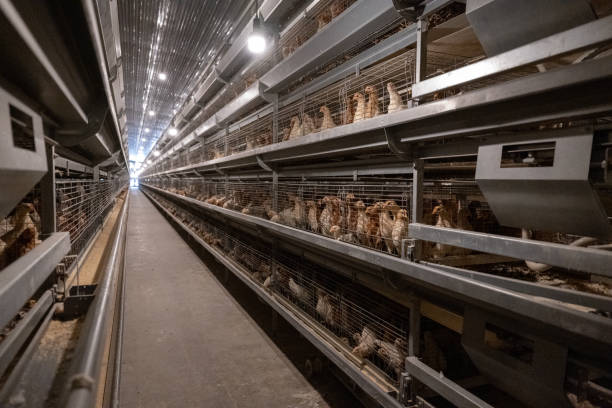
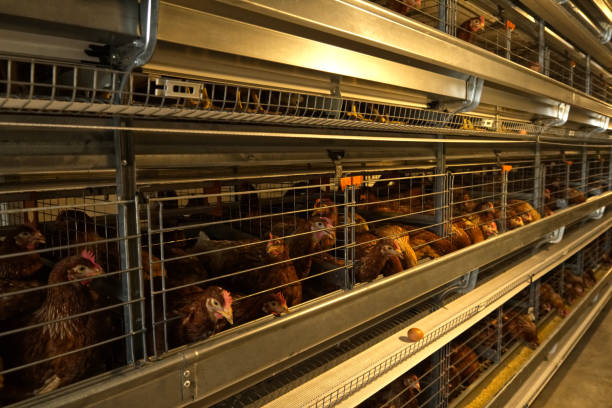
Battery cage systems are a common choice for intensive poultry farming due to their efficiency in space utilization and ease of management. Choosing the right cage system is essential for maximizing egg production and bird welfare:
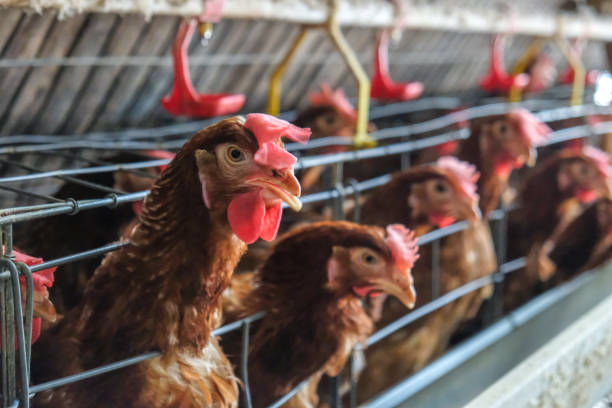
* **Cage Dimensions and Capacity:** Determine the appropriate cage dimensions based on the breed of chicken and the desired stocking density. Overcrowding can lead to stress, decreased egg production, and increased disease susceptibility. Consider the space allowances recommended by animal welfare organizations.
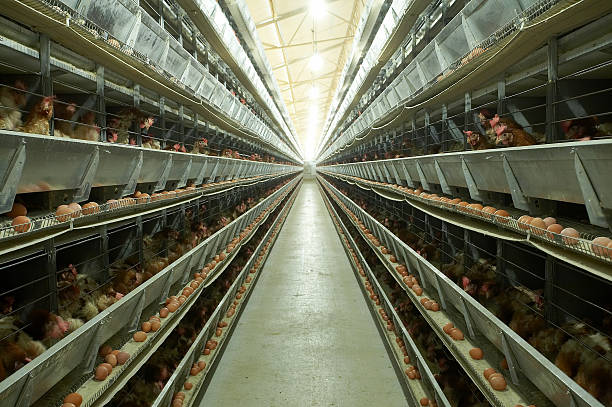
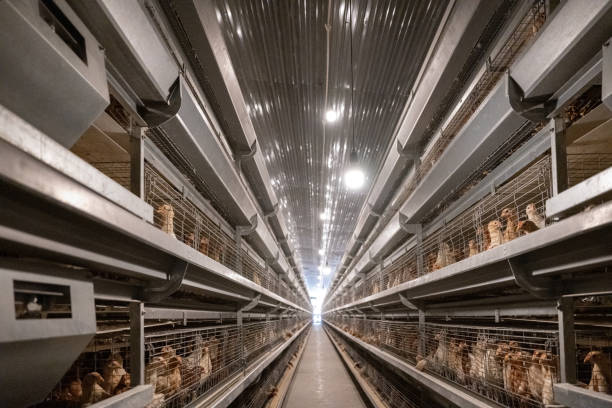
* **Tier Arrangement:** Battery cage systems are typically arranged in tiers to maximize space utilization. The number of tiers should be carefully considered, taking into account the ease of access for feeding, egg collection, and manure removal.
* **Material and Construction:** Opt for durable, corrosion-resistant materials like galvanized steel for the cage construction. The cages should be designed for easy cleaning and disinfection. Smooth surfaces and rounded edges minimize the risk of injury to the birds.
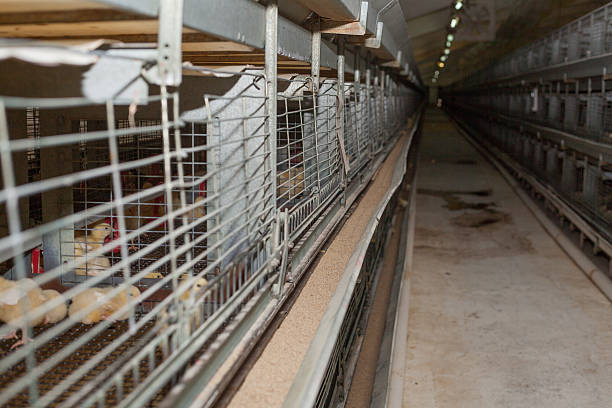
* **Automatic Feeding and Watering Systems:** Invest in automated feeding and watering systems to ensure consistent and efficient delivery of feed and water to all birds. This reduces labor costs and minimizes waste. Nipple drinkers are a common choice for watering systems, while chain feeders or hopper systems are used for feeding.
* **Egg Collection System:** Consider an automated egg collection system to minimize breakage and labor costs. Egg collection belts transport eggs gently to a central collection point.
* **Manure Removal System:** Efficient manure removal is crucial for maintaining hygiene and preventing odor problems. Options include manual scraping, belt systems, or flushing systems. Choose a system that is appropriate for the scale of your operation and your budget.
* **Ventilation:** Adequate ventilation is essential for maintaining air quality, removing moisture, and regulating temperature. Battery cage systems require forced ventilation, typically using fans. The ventilation system should be designed to provide adequate air exchange throughout the poultry house.
**III. Poultry House Design and Construction: Creating the Ideal Environment**
The poultry house provides shelter and protection for the birds. Its design and construction significantly impact bird health, productivity, and overall farm efficiency:
* **Dimensions and Layout:** The poultry house should be large enough to accommodate the 20,000 birds at the chosen stocking density, considering the cage system layout and space for aisles and equipment. Plan for future expansion if desired.
* **Orientation:** Orient the poultry house along an east-west axis to minimize direct sunlight exposure, which can cause excessive heat buildup.
* **Insulation:** Insulate the walls and roof to maintain a consistent temperature inside the poultry house. This is particularly important in Mauritius, where temperatures can fluctuate significantly. Insulation reduces energy consumption for heating and cooling.
* **Ventilation System:** A well-designed ventilation system is critical for maintaining air quality, controlling temperature, and removing moisture. Use a combination of natural and mechanical ventilation to achieve optimal air exchange. Consider the prevailing wind patterns when designing the ventilation system.
* **Lighting:** Provide adequate lighting to stimulate egg production. Use energy-efficient LED lights and implement a lighting program that mimics natural daylight cycles.
* **Flooring:** Concrete floors are durable, easy to clean, and prevent rodents from burrowing into the poultry house.
* **Doors and Windows:** Ensure that doors and windows are well-sealed to prevent drafts and the entry of pests and predators.
* **Biosecurity Measures:** Incorporate biosecurity measures into the poultry house design, such as foot baths at the entrance, restricted access, and proper sanitation facilities.
**IV. Waste Management: Minimizing Environmental Impact**
Proper waste management is crucial for protecting the environment and public health. Poultry manure can be a valuable fertilizer, but it must be managed responsibly:
* **Manure Collection and Storage:** Choose an appropriate manure collection and storage system based on the cage system and the desired end-use of the manure. Options include deep litter systems, belt systems, or flushing systems. Store manure in a covered area to prevent runoff and odor emissions.
* **Composting:** Composting is an effective method for stabilizing manure and reducing odor. Properly composted manure can be used as a fertilizer.
* **Anaerobic Digestion:** Anaerobic digestion converts manure into biogas, which can be used as a renewable energy source. This is a more advanced technology but can significantly reduce the environmental impact of poultry farming.
* **Fertilizer Application:** If using manure as a fertilizer, apply it at appropriate rates to avoid nutrient runoff and water pollution. Soil testing can help determine the appropriate application rates.
* **Waste Water Treatment:** If using a flushing system for manure removal, treat the wastewater before discharging it to the environment.
* **Fly Control:** Implement fly control measures to prevent fly breeding in manure and reduce nuisance to neighbors.
**V. Biosecurity Protocols: Protecting Your Investment**
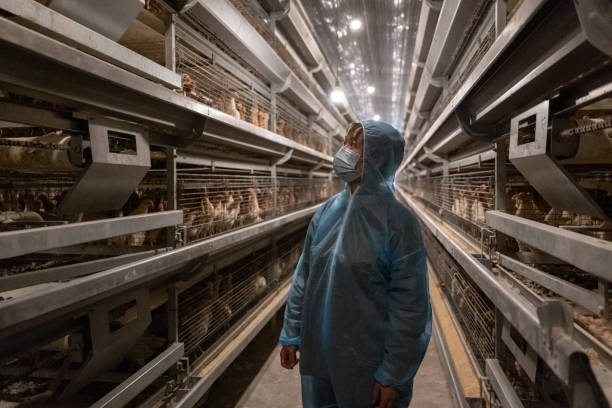
Biosecurity is essential for preventing disease outbreaks and protecting the health of the flock. Implement strict biosecurity protocols on the farm:
* **Restricted Access:** Limit access to the farm to essential personnel only.
* **Foot Baths and Hand Washing:** Require all visitors to use foot baths and wash their hands before entering the poultry house.
* **Disinfection:** Regularly disinfect the poultry house, equipment, and vehicles.
* **Vaccination Program:** Implement a comprehensive vaccination program to protect against common poultry diseases.
* **Quarantine:** Quarantine new birds before introducing them to the main flock.
* **Rodent and Pest Control:** Implement a rodent and pest control program to prevent disease transmission.
* **Dead Bird Disposal:** Dispose of dead birds properly to prevent the spread of disease. Incineration or composting are common methods.
* **Regular Monitoring:** Regularly monitor the birds for signs of disease and consult with a veterinarian promptly if any problems are detected.
**VI. Labor and Management: The Human Element**
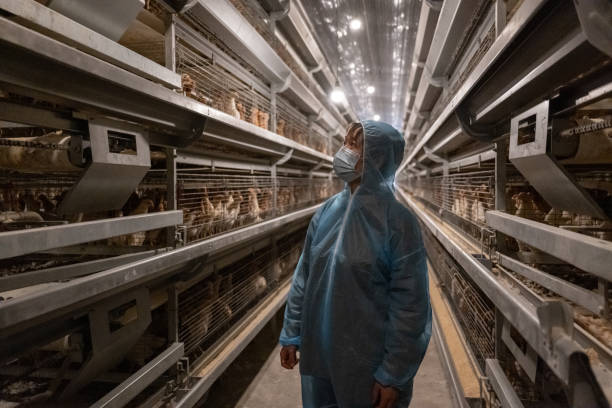
Even the best-designed poultry farm will fail without competent labor and management. Invest in training and development for farm workers:
* **Hiring and Training:** Hire motivated and reliable workers and provide them with thorough training on poultry husbandry practices, biosecurity protocols, and equipment operation.
* **Supervision:** Provide adequate supervision to ensure that workers are following proper procedures.
* **Record Keeping:** Maintain accurate records of egg production, feed consumption, mortality, and other key performance indicators. This data will help you identify areas for improvement.
* **Financial Management:** Develop a sound financial management plan to track income and expenses, manage cash flow, and ensure the profitability of the farm.
* **Marketing:** Develop a marketing strategy to sell your eggs and birds at a competitive price.
**VII. Regulatory Compliance: Navigating the Legal Landscape**
Ensure that the poultry farm complies with all relevant regulations in Mauritius:
* **Environmental Regulations:** Comply with environmental regulations related to waste management, air quality, and water quality.
* **Animal Welfare Regulations:** Adhere to animal welfare regulations related to stocking density, housing, and treatment of animals.
* **Food Safety Regulations:** Comply with food safety regulations related to egg handling, processing, and storage.
* **Building Permits:** Obtain all necessary building permits before constructing the poultry house.
* **Business Licenses:** Obtain all necessary business licenses to operate a poultry farm in Mauritius.
**VIII. Conclusion: A Path to Sustainable Poultry Farming in Mauritius**
Designing a 20,000-chick battery cage poultry farm in Mauritius requires careful planning and attention to detail. By considering the factors outlined in this comprehensive guide – site selection, cage system selection, poultry house design, waste management, biosecurity, labor and management, and regulatory compliance – aspiring and established poultry farmers can create a sustainable and profitable operation. While battery cage systems offer efficiency, it’s also advisable to stay updated on evolving animal welfare standards. Balancing productivity with ethical considerations will contribute to a more resilient and well-regarded poultry industry in Mauritius. Furthermore, thorough market research and a robust business plan are crucial for long-term success. The Mauritian poultry market offers opportunities for growth, but success depends on careful planning, efficient operations, and a commitment to quality and sustainability.