Finding the Best Broiler Battery Cages for Sale in the Philippines
 time:
2025-07-28
time:
2025-07-28 Finding the Best Broiler Battery Cages for Sale in the Philippines
The Philippines, with its vibrant agricultural sector, presents a lucrative market for broiler farming. As poultry farmers seek to maximize efficiency and increase yields, broiler battery cages have become an increasingly popular choice. However, navigating the market to find the best broiler battery cages for sale in the Philippines can be challenging. This article aims to provide a comprehensive guide, covering everything from the benefits of using battery cages to the key considerations when selecting a supplier.
What are Broiler Battery Cages?
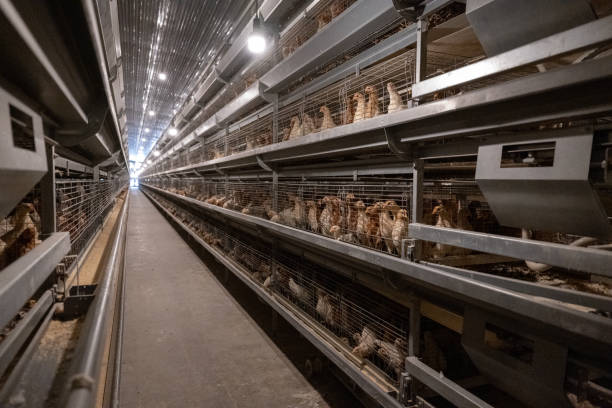
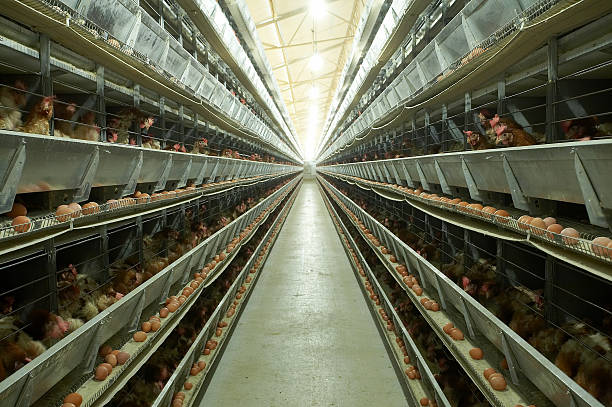
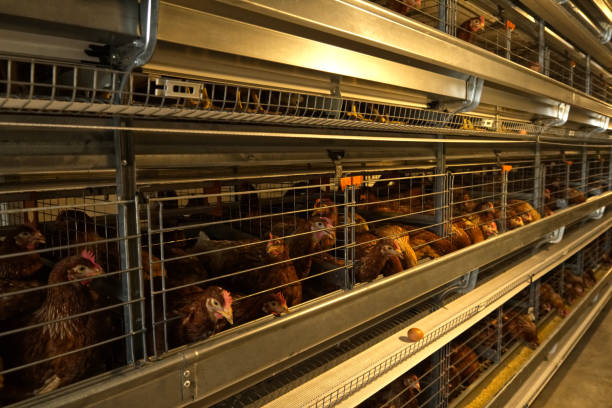
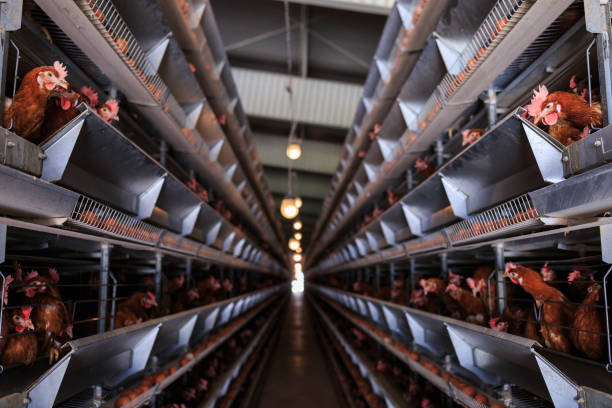
Broiler battery cages are specialized housing systems designed to raise broiler chickens in confined spaces. These cages are typically arranged in rows and tiers, maximizing space utilization within a poultry house. Each cage houses several broilers, providing them with access to feed and water while minimizing movement. The design of these cages facilitates easier management, monitoring, and harvesting of the broilers.
Advantages of Using Broiler Battery Cages
Transitioning to broiler battery cages offers a multitude of advantages for poultry farmers in the Philippines.
Increased Space Efficiency*: Battery cages allow for a higher stocking density compared to traditional floor systems. By housing broilers in multiple tiers, farmers can raise more birds within the same amount of space.
Improved Disease Control*: Confined spaces make it easier to monitor and control the spread of diseases. Droppings fall through the wire mesh floor, reducing the bird’s contact with waste and minimizing the risk of infection.
Better Feed Management*: Battery cages facilitate precise feed distribution, reducing wastage and ensuring each bird receives an adequate amount of nutrition. This leads to improved feed conversion ratios and lower feed costs.
Reduced Labor Costs*: The automated systems in battery cages, such as feeding, watering, and waste removal, significantly reduce the labor required for daily operations.
Enhanced Broiler Growth*: By limiting movement, broilers in battery cages channel their energy into growth, resulting in faster weight gain and improved meat quality.
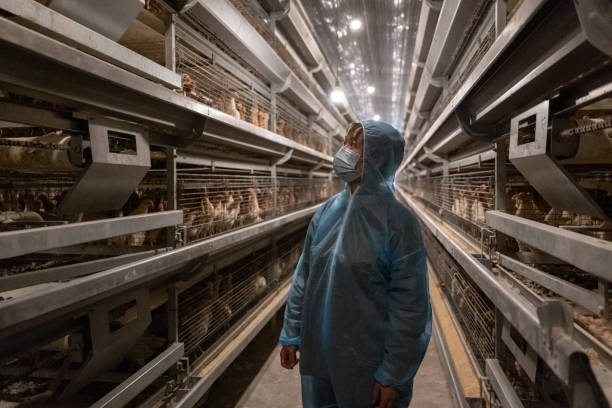
Easier Monitoring and Management*: The confined nature of battery cages allows farmers to closely monitor the health and welfare of their birds. Any signs of illness or distress can be quickly identified and addressed.
Key Considerations When Choosing Broiler Battery Cages
Selecting the right broiler battery cages involves careful consideration of several factors. Here’s what you need to keep in mind.
Cage Material and Durability*: The quality of the cage material directly impacts its longevity and resistance to corrosion. Galvanized steel is a popular choice due to its durability and resistance to rust. Ensure the cages are sturdy and well-constructed to withstand the wear and tear of daily use.
Cage Size and Capacity*: The size of the cages should be appropriate for the breed and age of the broilers you intend to raise. Overcrowding can lead to stress and reduced growth rates, while insufficient space can be wasteful. Consider the recommended stocking density per cage to optimize broiler welfare and performance.
Ventilation and Climate Control*: Adequate ventilation is crucial for maintaining optimal air quality and temperature within the poultry house. Battery cages should be designed to allow for proper airflow, preventing the buildup of ammonia and other harmful gases. Integrate ventilation systems to help regulate the environment in the poultry farm, especially in the tropical Philippine climate.
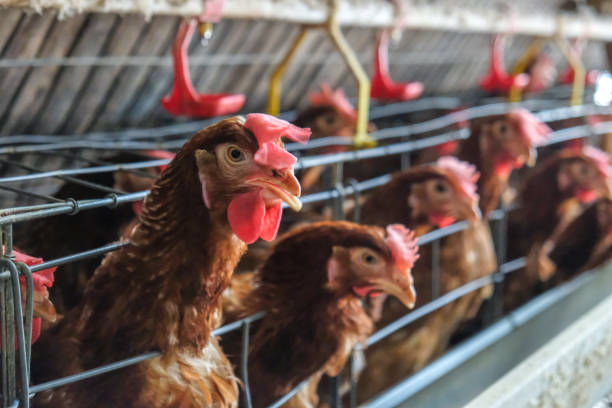
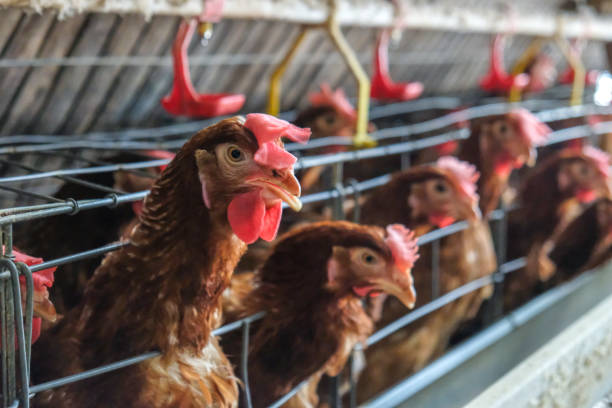
Feeding and Watering Systems*: Automated feeding and watering systems are essential for efficient broiler production. Choose systems that provide consistent and reliable access to feed and water, minimizing waste and ensuring uniform growth rates. Consider the type of feeders and drinkers that best suit your needs, such as nipple drinkers or trough feeders.
Waste Management*: Efficient waste management is critical for maintaining hygiene and minimizing environmental impact. Battery cages should be designed to facilitate the easy collection and removal of droppings. Consider investing in automated waste removal systems to further reduce labor costs and improve sanitation.
Ease of Assembly and Maintenance*: Opt for cages that are easy to assemble and maintain. Look for designs that are modular and require minimal tools for assembly. Regular cleaning and maintenance are essential for prolonging the lifespan of the cages and preventing the spread of diseases.
Compliance with Animal Welfare Standards*: Animal welfare is an increasingly important consideration for consumers and regulators. Ensure that the battery cages you choose comply with accepted animal welfare standards, providing adequate space, ventilation, and lighting for the broilers.
Cost and Return on Investment*: While cost is an important factor, it shouldn’t be the sole determinant. Consider the long-term return on investment, taking into account factors such as increased production, reduced labor costs, and improved broiler health. Focus on quality and durability to ensure the cages provide years of reliable service.
Finding Reputable Suppliers in the Philippines
Once you have a clear understanding of your needs, the next step is to find reputable suppliers of broiler battery cages in the Philippines. Here are a few tips to guide your search.
Online Research*: Start by conducting thorough online research to identify potential suppliers. Look for companies with a strong online presence, detailed product catalogs, and positive customer reviews.
Trade Shows and Exhibitions*: Attend agricultural trade shows and exhibitions to meet suppliers in person and view their products firsthand. This provides an opportunity to ask questions, compare prices, and assess the quality of the cages.
Industry Associations*: Consult with poultry industry associations and cooperatives to get recommendations for reliable suppliers. These organizations often have a network of trusted vendors who can provide quality products and services.
Visit Existing Farms*: Visit farms that are already using broiler battery cages to see the systems in operation and get feedback from experienced farmers. This can provide valuable insights into the performance and reliability of different cage designs.
Check for Certifications and Standards*: Look for suppliers who adhere to industry standards and have relevant certifications, such as ISO 9001 or Philippine National Standards (PNS). This demonstrates their commitment to quality and compliance.
Request Quotes and Compare Prices*: Obtain quotes from multiple suppliers and compare prices, features, and warranty terms. Be wary of unusually low prices, as this may indicate substandard quality or hidden costs.
Assess Customer Service and Support*: Choose suppliers who offer excellent customer service and technical support. They should be responsive to your inquiries, provide assistance with installation and maintenance, and offer after-sales support.
Popular Broiler Battery Cage Systems
Several types of broiler battery cage systems are available in the Philippines, each with its own advantages and disadvantages.
A-Frame Cages*: A-frame cages are a traditional design, with rows of cages stacked in an A-shape. They are relatively inexpensive and easy to install, making them a popular choice for small to medium-sized farms.
H-Frame Cages*: H-frame cages feature a more robust structure, with rows of cages stacked vertically in an H-shape. They offer better stability and durability compared to A-frame cages, but they are also more expensive.
Flat-Deck Cages*: Flat-deck cages have a single tier of cages, making it easier to access and manage the broilers. They are often used for smaller-scale operations or for specific applications, such as breeding or research.
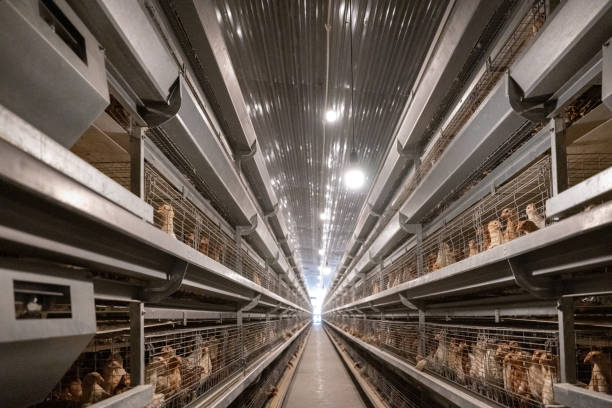
Tiered Cages*: Tiered cages consist of multiple levels of cages stacked vertically, maximizing space utilization. They are ideal for large-scale broiler farms looking to increase production capacity.
Maintaining Broiler Battery Cages
Proper maintenance is essential for prolonging the lifespan of broiler battery cages and ensuring optimal broiler performance.
Regular Cleaning*: Clean the cages regularly to remove droppings, spilled feed, and other debris. This helps prevent the buildup of bacteria and reduces the risk of disease.
Inspect for Damage*: Inspect the cages regularly for signs of damage, such as broken wires, loose connections, or corroded parts. Repair or replace any damaged components promptly to prevent injuries to the broilers.
Lubricate Moving Parts*: Lubricate moving parts, such as hinges and rollers, to ensure smooth operation and prevent wear and tear.
Monitor Ventilation and Temperature*: Regularly monitor ventilation rates and temperature levels within the poultry house to ensure optimal conditions for the broilers.
Control Pests*: Implement a pest control program to prevent rodents, insects, and other pests from infesting the cages.
Follow Manufacturer’s Recommendations*: Adhere to the manufacturer’s recommendations for maintenance and cleaning to ensure the longevity and performance of the cages.
Environmental Considerations
While broiler battery cages offer many benefits, it’s important to consider their environmental impact.
Waste Management*: Implement effective waste management practices to minimize the environmental impact of broiler production. This includes proper storage, treatment, and disposal of manure.
Energy Efficiency*: Choose energy-efficient lighting and ventilation systems to reduce the carbon footprint of your broiler operation.
Water Conservation*: Implement water conservation measures, such as using water-efficient drinkers and recycling water where possible.
Integrating Technology
Technology plays an increasingly important role in modern broiler farming. Consider integrating the following technologies into your broiler battery cage system.
Automated Monitoring Systems*: Use sensors and data analytics to monitor temperature, humidity, ammonia levels, and other environmental parameters in real-time.
Smart Feeding Systems*: Implement smart feeding systems that automatically adjust feed rations based on the age, weight, and growth rate of the broilers.
Remote Control and Management*: Use mobile apps and cloud-based platforms to remotely control and manage your broiler operation, including feeding, watering, ventilation, and lighting.
Data Analytics and Reporting*: Utilize data analytics tools to track key performance indicators (KPIs) such as feed conversion ratio, mortality rate, and growth rate, and generate reports to identify areas for improvement.
Conclusion
Finding the best broiler battery cages for sale in the Philippines requires careful consideration of various factors, including cage material, size, ventilation, feeding systems, waste management, and supplier reputation. By following the guidelines outlined in this article, poultry farmers can make informed decisions and invest in high-quality broiler battery cages that maximize efficiency, improve broiler health, and enhance profitability. Remember to prioritize animal welfare and environmental sustainability to ensure responsible and ethical broiler production.