Layer Chicken Cage Solutions for a 10,000-Bird Farm in Uganda: A Comprehensive Guide
 time:
2025-06-17
time:
2025-06-17 Layer Chicken Cage Solutions for a 10,000-Bird Farm in Uganda: A Comprehensive Guide
Starting a layer chicken farm in Uganda, especially one housing 10,000 birds, is a significant undertaking. Success hinges on many factors, but one stands out: the housing system. Choosing the right layer chicken cage solution is paramount for maximizing egg production, minimizing disease, and optimizing overall farm efficiency. This comprehensive guide explores the crucial aspects of selecting and implementing the ideal layer chicken cage system for your 10,000-bird farm in Uganda.
Why Layer Chicken Cages? Understanding the Benefits in the Ugandan Context
Before diving into the specifics, let’s address the fundamental question: Why choose cages over other housing systems like deep litter or free-range? While alternative systems have their merits, layer chicken cages offer compelling advantages, particularly in the context of a large-scale operation in Uganda.
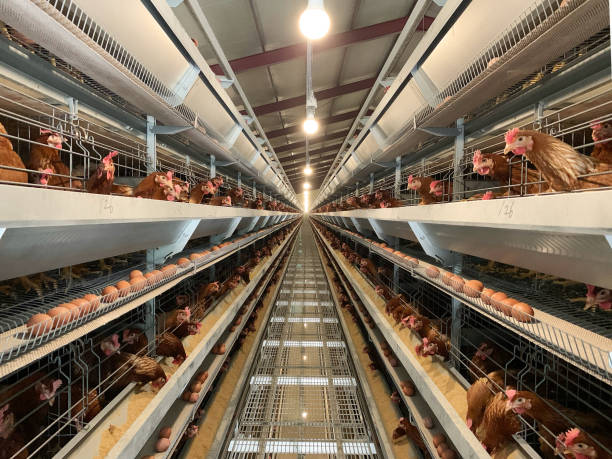
Increased Egg Production: Cages provide a controlled environment. Each bird has consistent access to feed and water, leading to predictable egg production. This control is especially critical in Uganda, where fluctuating weather patterns can significantly impact free-range or deep litter systems. Cages allow for better monitoring of individual bird performance, making it easier to identify and address health issues or feeding inefficiencies.
Improved Hygiene and Disease Control: Cages keep birds separated from their droppings, significantly reducing the risk of disease outbreaks. Manure management is also simplified, as it collects neatly beneath the cages, minimizing ammonia buildup and the spread of pathogens. This is crucial in Uganda, where veterinary resources may be limited, and preventative measures are often the most cost-effective solution.
Optimized Space Utilization: Cages allow you to house more birds in a smaller area compared to other systems. For a 10,000-bird farm, this translates to significant savings in land acquisition costs, a major consideration in many parts of Uganda where land is scarce and expensive. Efficient space utilization also reduces the overall infrastructure investment.
Reduced Feed Wastage: Cages are designed to minimize feed spillage. The confined space allows birds to access feed without the opportunity to scatter it around, leading to significant savings on feed costs. Given that feed represents a substantial portion of the operating expenses in poultry farming, this advantage is particularly valuable in Uganda.
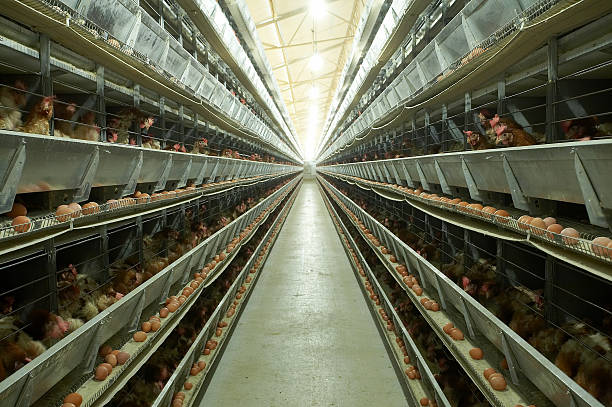
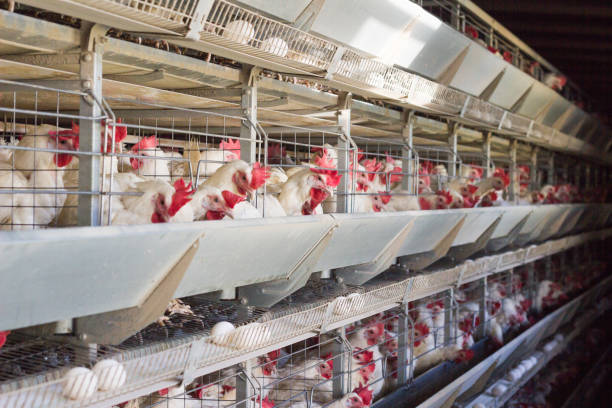
Easier Egg Collection: Egg collection is streamlined in cage systems. Eggs roll down to a collection tray, making it faster and more efficient to gather them. This reduces labor costs and minimizes egg breakage, improving the overall profitability.
Predator Protection: In several regions of Uganda, poultry farmers face frequent losses due to stray dogs, mongoose, snakes, and other predators. A cage system provides a secured system that drastically reduces this risk of loss due to an unexpected predator attack.
Choosing the Right Type of Layer Chicken Cage: A Practical Guide
Selecting the appropriate layer chicken cage type is a critical decision that will impact the long-term success of your farm. The two most common types are A-frame cages and H-frame cages. Let’s explore their characteristics and suitability for a 10,000-bird farm in Uganda.
A-Frame Cages:
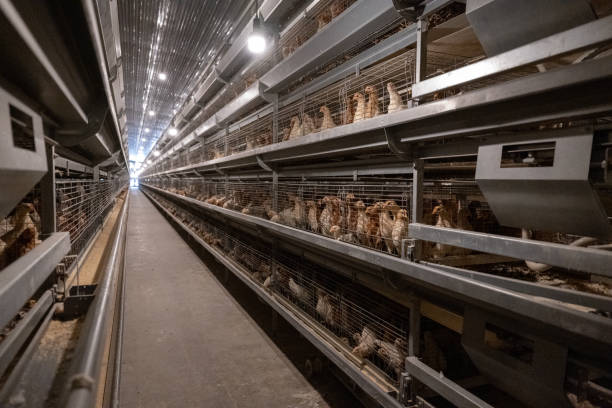
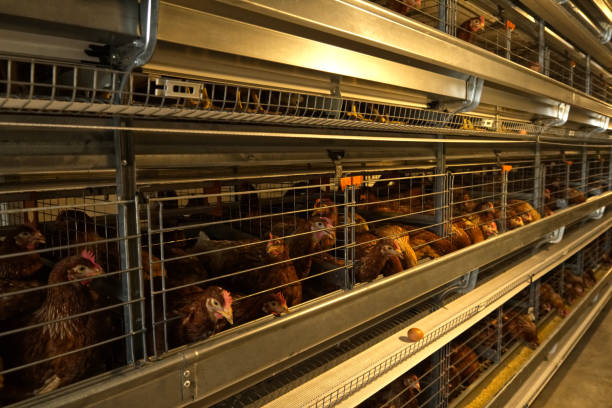
Description: A-frame cages are the most common and affordable option. They are designed with a slanted, A-shaped structure. Typically, these cages are stacked, with each stack able to hold several chickens, one on top of the other.
Advantages:
Lower Initial Cost: A-frame cages are generally less expensive than H-frame cages, making them an attractive option for farmers with limited capital.
Simpler Installation: Their straightforward design simplifies the installation process, reducing labor costs and time.
Good Ventilation: The A-frame design allows for good airflow, which is essential in Uganda’s hot and humid climate.
Disadvantages:
Manual Egg Collection: Most A-frame systems require manual egg collection, which can be labor-intensive for a 10,000-bird farm.
Less Automation: Compared to H-frame systems, A-frame cages offer limited automation possibilities for feeding and manure removal.
Higher Labor Costs: The need for manual egg collection and manure removal increases labor costs, impacting profitability.
Suitability for Uganda: A-frame cages are a suitable option for farmers in Uganda who are starting with a limited budget and willing to invest more in labor.
H-Frame Cages:
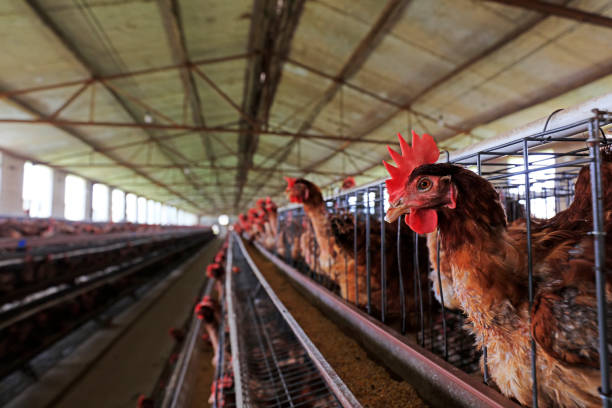
Description: H-frame cages feature a horizontal structure, often with multiple tiers. They are designed for higher density and greater automation.
Advantages:
Higher Bird Density: H-frame cages allow you to house more birds per square meter, maximizing space utilization.
Automated Systems: These cages can be equipped with automated feeding, watering, and manure removal systems, reducing labor costs significantly.
Efficient Egg Collection: Many H-frame systems include automatic egg collection, further reducing labor requirements and minimizing egg breakage.
Improved Environmental Control: The design can accommodate better climate control, crucial in Uganda’s variable climate.
Disadvantages:
Higher Initial Cost: H-frame cages are more expensive than A-frame cages, requiring a larger upfront investment.
Complex Installation: Installing automated systems requires specialized expertise, potentially increasing installation costs.
Higher Maintenance Costs: Automated systems require regular maintenance, which can add to the overall operating expenses.
Suitability for Uganda: H-frame cages are an excellent choice for farmers in Uganda looking to maximize efficiency, reduce labor costs, and invest in long-term sustainability. Even though it requires a larger upfront investment, the return on investment will be significant in the long run.
Key Considerations When Choosing Your Cage System
Once you’ve decided on the type of cage system, several factors should guide your final selection:
Climate: Uganda’s climate varies significantly depending on the region. Ensure the cage design provides adequate ventilation and protection from excessive heat or cold. Consider features like adjustable ventilation openings and shade cloths.
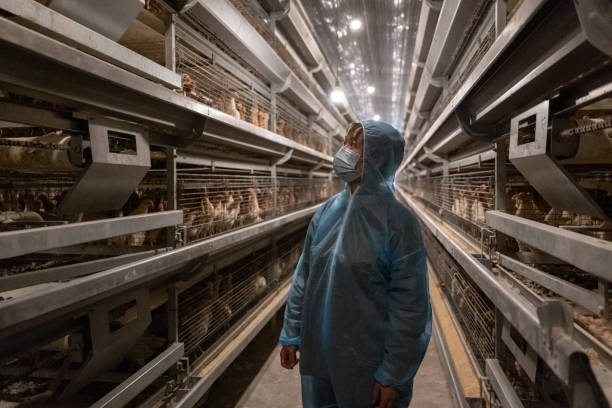
Biosecurity: The cage design should facilitate cleaning and disinfection. Choose materials that are resistant to corrosion and easy to sanitize. Integrate biosecurity measures such as foot baths and restricted access to minimize the risk of disease introduction.
Material Quality: Opt for cages made from durable, high-quality materials that can withstand the rigors of daily use and the harsh climate. Galvanized steel is a popular choice due to its resistance to rust and corrosion.
Cage Dimensions: The cage size should be appropriate for the breed of chickens you are raising. Ensure each bird has enough space to move comfortably, access feed and water, and exhibit natural behaviors. Overcrowding can lead to stress, decreased egg production, and increased disease susceptibility.
Manure Management: Choose a cage system that facilitates efficient manure removal. This is crucial for maintaining hygiene and reducing ammonia levels, which can negatively impact bird health and egg quality. Consider automated manure removal systems for large-scale operations.
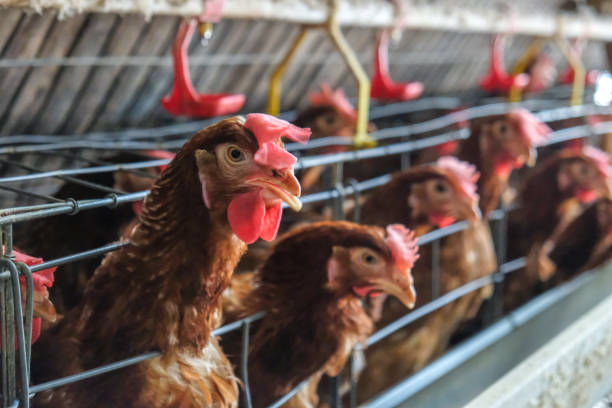
Watering System: Select a reliable and efficient watering system that provides a constant supply of fresh, clean water to all birds. Nipple drinkers are a common choice as they minimize water wastage and contamination.
Feeding System: Choose a feeding system that ensures all birds have equal access to feed. Consider automated feeding systems for larger farms to reduce labor costs and ensure consistent feed distribution.
Local Support and Expertise: Partner with a reputable supplier that offers local support, training, and spare parts. This is particularly important in Uganda, where access to technical expertise may be limited. Choose a supplier who understands the local context and can provide tailored solutions for your farm.
Budget: While the initial cost is a critical factor, consider the long-term operating costs, including labor, feed wastage, and maintenance. A slightly more expensive cage system with lower operating costs may be more cost-effective in the long run.
Implementing Your Layer Chicken Cage System: A Step-by-Step Approach
Once you’ve selected your cage system, proper implementation is crucial for maximizing its benefits:
Site Preparation: Prepare the poultry house by leveling the ground, ensuring proper drainage, and constructing a solid foundation for the cages. Adequate drainage is essential to prevent waterlogging and the spread of disease.
Cage Installation: Follow the manufacturer’s instructions carefully when installing the cages. Ensure all components are properly assembled, and the cages are level and stable.
Equipment Installation: Install all associated equipment, including feeding systems, watering systems, manure removal systems, and egg collection systems. Test all systems thoroughly to ensure they are functioning correctly.
Environmental Control: Implement measures to control the environment inside the poultry house. This may include installing fans for ventilation, shade cloths for cooling, and heaters for warming.
Biosecurity Measures: Implement strict biosecurity measures to prevent the introduction and spread of disease. This includes foot baths, hand washing stations, and restricted access to the poultry house.
Training: Provide adequate training to your staff on the proper operation and maintenance of the cage system. This will help ensure optimal performance and minimize the risk of equipment failure.
Monitoring and Maintenance: Regularly monitor the performance of the cage system and address any issues promptly. Implement a preventative maintenance program to keep all equipment functioning correctly.
The Livi Machinery Advantage: Your Partner for Success in Uganda
Livi Machinery is a leading supplier of layer chicken cages and poultry equipment in Africa, including Uganda. We offer a wide range of cage systems to suit different farm sizes and budgets, along with comprehensive support and expertise.
We understand the unique challenges faced by poultry farmers in Uganda and provide tailored solutions to help you succeed. Our cages are made from durable, high-quality materials and are designed to withstand the harsh climate. We offer both A-frame and H-frame cage systems, along with automated feeding, watering, and manure removal systems.
Our team of experienced engineers can provide on-site installation and training, ensuring your cage system is properly implemented and operating efficiently. We also offer ongoing support and maintenance to ensure the long-term success of your farm. Partner with Livi Machinery and take your 10,000-bird layer farm in Uganda to the next level.
Conclusion
Investing in the right layer chicken cage solution is a critical decision for any poultry farmer in Uganda. By carefully considering the factors outlined in this guide, you can choose a cage system that optimizes egg production, minimizes disease, and maximizes profitability. With the right cage system and a commitment to proper management, you can build a successful and sustainable layer chicken farm in Uganda.