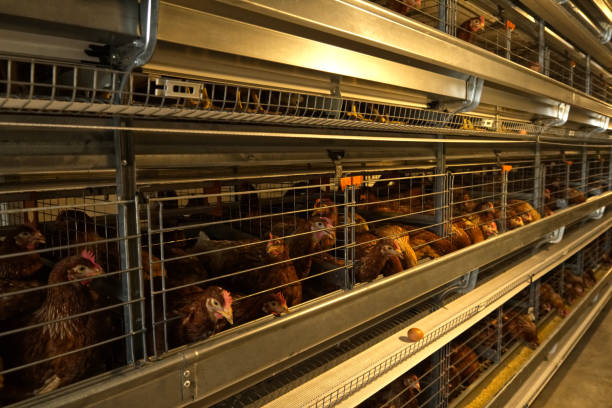
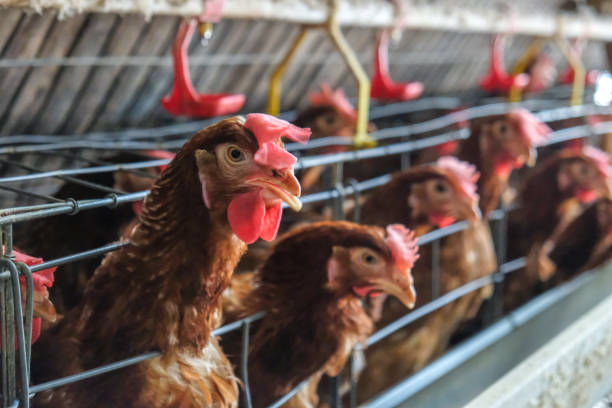
Modern H-Type Layer Cage System for 50,000 Chickens
Modern H-Type Layer Cage System for 50,000 Chickens
When it comes to large-scale egg production, one of the most critical investments a poultry farmer can make is in a modern and efficient layer cage system. For farms aiming to house around 50,000 laying hens, the right setup doesn’t just impact productivity—it affects bird health, labor efficiency, feed conversion, and overall profitability. That’s where the Modern H-Type Layer Cage System steps in as a game-changer for commercial egg farms worldwide. Designed with automation, durability, and animal welfare in mind, this system offers a smart solution for high-capacity operations seeking consistency, control, and scalability.
At Livi Machinery, we’ve been engineering and refining H-type layer cages since 2012, helping farms across Europe, Southeast Asia, Africa, and South America achieve optimal performance. Our systems are built not just to hold chickens, but to support full-cycle management—from pullet introduction to peak laying and smooth flock turnover. So if you’re planning or upgrading a 50,000-bird facility, here’s what makes the modern H-type cage system worth your attention.
What Is an H-Type Layer Cage System?
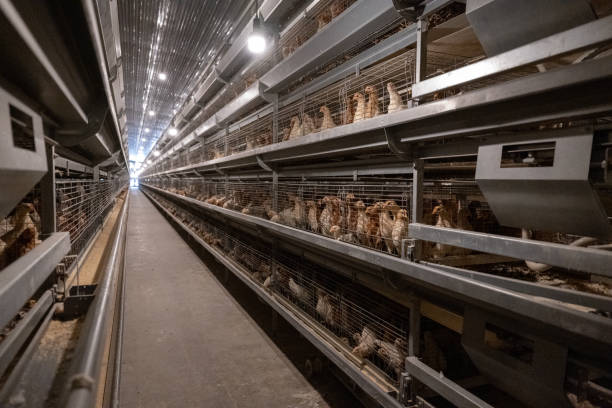
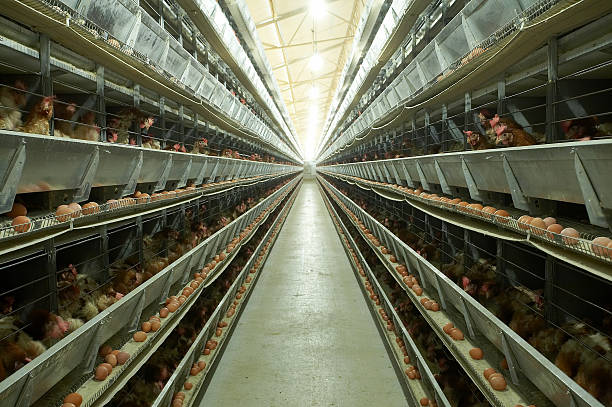
The term “H-Type” refers to the structural design of the multi-tiered cage system, resembling the letter ‘H’ when viewed from the side. It typically features four to six tiers of cages stacked vertically, supported by a heavy-duty galvanized steel frame that ensures long-term stability and corrosion resistance. Unlike older A-type or battery cage models, the H-type layout maximizes space utilization while improving air circulation, access, and waste removal.
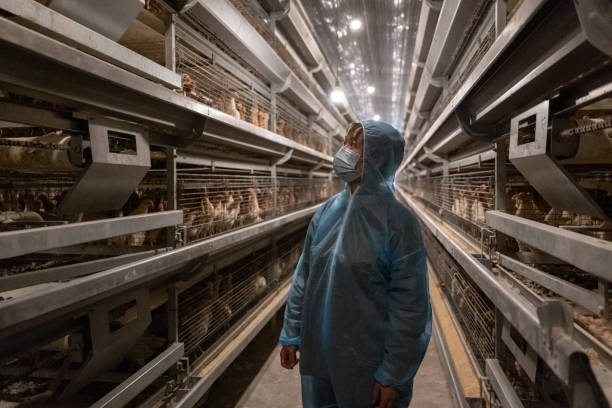
For a 50,000-hen farm, the H-type configuration allows farmers to house all birds in a relatively compact footprint—often within a single tunnel-shaped poultry house measuring approximately 120–140 meters long and 13–16 meters wide. Each tier is equipped with automated feeding lines, drinking water systems, egg collection belts, and manure removal conveyors. This integration reduces manual labor by up to 70%, making it ideal for labor-scarce regions or expanding operations looking to maintain efficiency without increasing staff.
One standout feature of our H-type system is its modular design. Whether you’re starting at 20,000 birds and scaling up, or building a turnkey 50k operation from scratch, the system can be customized in length and width. Additional modules like climate control units, LED lighting schedules, and centralized monitoring software can also be added based on regional needs and automation goals. The cages themselves are ergonomically designed with anti-foot injury mesh flooring and optimized slope angles to ensure egg roll-away efficiency and hen comfort.
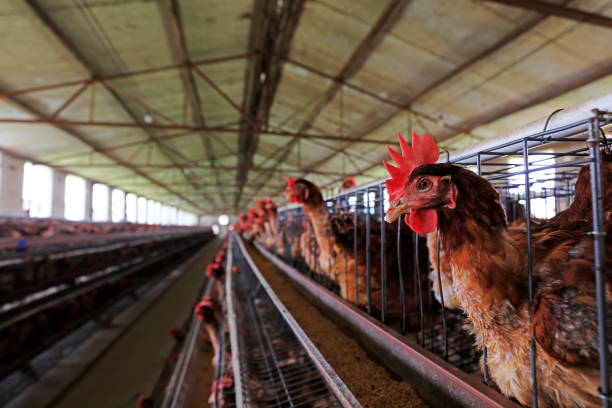
Why Choose H-Type Over Other Systems?
You might be wondering: why go with H-type instead of more traditional setups like阶梯式笼具 or free-range barns? The truth is, each system has its place—but for dense urban markets, export-focused farms, or areas with limited land availability, H-type delivers unmatched advantages.
First, let’s talk about density and yield. With four to six tiers, H-type cages allow for higher bird density per square meter compared to double-decker or A-frame designs. This means more productive hens in less space, which directly lowers construction and utility costs over time. On average, a well-managed 50,000-bird H-type farm produces between 90–95% hen-day egg production during peak cycle, far exceeding many semi-intensive systems.
Second, biosecurity and hygiene are easier to maintain. Since droppings fall through slatted floors onto enclosed manure belts that run beneath each row, there’s minimal contact between birds and waste. Manure is removed daily (or even multiple times a day), reducing ammonia levels and lowering the risk of respiratory diseases and mite infestations. In tropical climates especially, this feature is crucial for keeping birds cool and stress-free.
Third, automation compatibility gives H-type systems a technological edge. From automatic feeding controlled by timers or IoT sensors, to light intensity programming that mimics natural sunrise/sunset cycles, every aspect can be fine-tuned for maximum output. Our latest systems even include AI-driven cameras that monitor bird behavior and flag any signs of illness or overcrowding. When paired with central control panels accessible via smartphone, farm managers can oversee everything remotely—even when they’re offsite.
Finally, animal welfare standards have evolved significantly in recent years, and so have H-type cages. Modern versions provide at least 600 cm² per bird (meeting EU Directive 1999/74/EC recommendations), enriched environments with perches and scratch areas, and better ventilation thanks to open-front designs and cross-airflow tunnel fans. These improvements help reduce stress, feather pecking, and mortality, leading to healthier flocks and longer laying cycles.
Key Components and Setup for a 50,000-Chicken Farm
Setting up an H-type system for 50,000 layers isn’t just about buying cages—it’s about integrating a complete ecosystem. Here’s a breakdown of essential components that go into a fully functional installation:
Cage Structure: Galvanized steel frames with plastic-coated wire mesh to prevent rust and injury. Typically arranged in two main rows, back-to-back, forming alleyways for service and inspection.
Automatic Feeding System: Chain or pan line feeders that deliver consistent portions across all tiers. Can be linked to silos for continuous supply without human intervention.
Nipple Drinking Lines: Each cage is equipped with adjustable nipples ensuring clean water access. Filters and acidifiers can be added to maintain water quality.

Egg Collection Belts: Eggs roll gently from sloped wire mesh onto rubber or PVC belts running along the front of each tier. Belts transport eggs to a central grading table with minimal breakage (