Poultry Cage Equipment Cost for 20,000 Birds
 time:
2026-01-30
time:
2026-01-30 Poultry Cage Equipment Cost for 20,000 Birds
If you’re planning a medium-to-large-scale layer or broiler farm—especially around the 20,000-bird capacity—you’re probably deep in the numbers right now: feed costs, labor budget, vaccination schedules… and yes, that big-ticket item: cage equipment. It’s one of the largest upfront investments in poultry farming, yet also one of the most impactful on long-term profitability. At郑州Livi机械制造有限公司, we’ve helped over 380 farms across Southeast Asia, Africa, and Latin America set up 20,000-bird systems—and we’ve seen firsthand how small equipment choices ripple through years of operation. So let’s cut through the guesswork and talk real numbers, smart trade-offs, and what actually moves the needle when it comes to cost versus value.
What Exactly Makes Up the Cage System Cost?
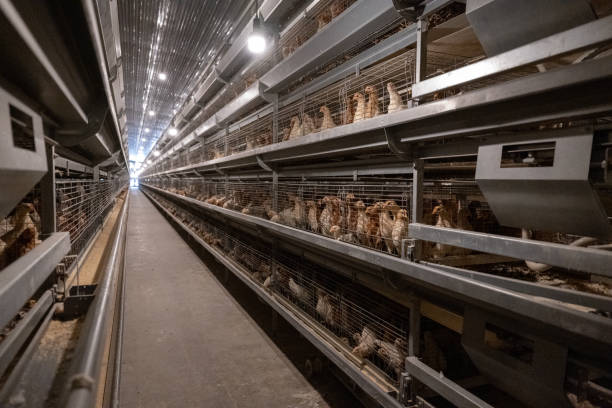
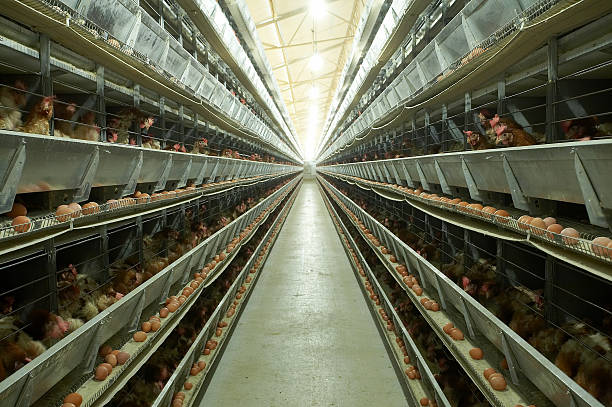
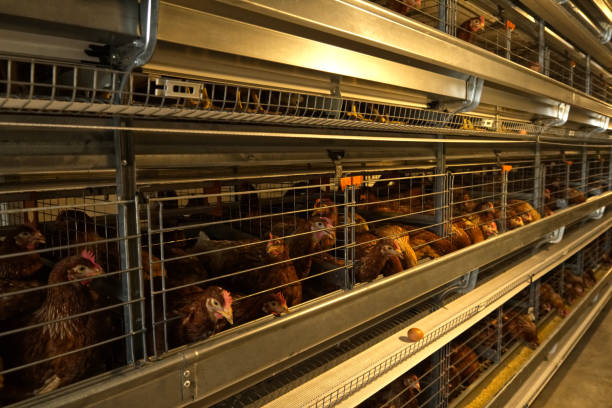
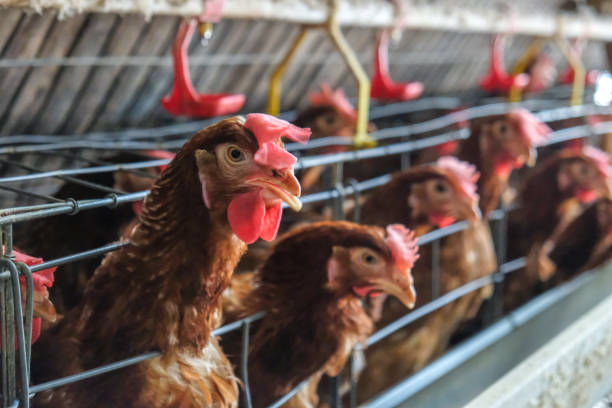
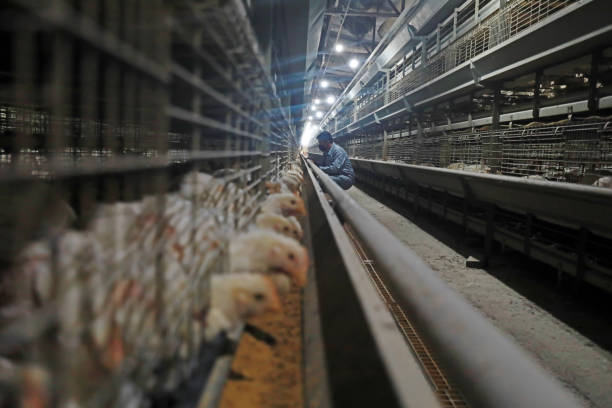
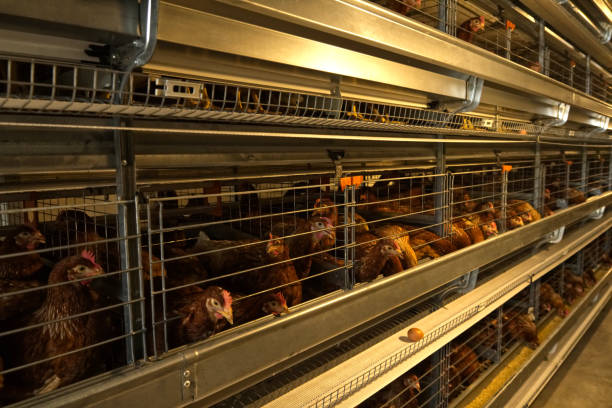
First things first: “poultry cage equipment” isn’t just metal cages stacked in a shed. For 20,000 birds, it’s a coordinated ecosystem—including cages themselves, tiered frames, automated feeding and watering lines, manure removal (belt or scraper), lighting control, ventilation integration, and even basic monitoring sensors in mid-range setups. A basic 3-tier battery cage system for layers might start at roughly USD $13–$16 per bird—including structural support, galvanized steel cages (0.8–1.2 mm thickness), standard nipple drinkers, and chain feeders. That puts your baseline investment somewhere between $260,000–$320,000 before freight, installation, or local permitting. But go fully automated—with servo-driven feed distribution, climate-controlled tunnel ventilation, daily manure belts, and remote app alerts—and you’re looking at $22–$28 per bird. That means $440,000–$560,000. And here’s the nuance many overlook: higher initial spend often means lower operational cost down the line. One customer in Ghana told us flat out: “We saved $9,200 in labor and feed waste in Year 1 alone—just by upgrading to a full belt-manure + timed feeder setup.” So don’t just compare sticker prices—compare what each system stops costing you monthly.
How Layout & Bird Type Change the Equation
You’d be surprised how much your choice between layers and broilers—or even your target market—shifts the math. For example, a 20,000-bird layer farm using 4-bird-per-cage configuration on 4-tier A-frame cages typically needs ~5,000 cage units. Space is tight; density matters—but so does longevity. Layer cages need minimum 15-year structural integrity because they run continuously for 72+ weeks per cycle. Broiler breeder or meat bird setups, on the other hand, often use open-floor or “semi-intensive” systems with lower-density cage options (like 6–8 birds per larger modular unit), which bring per-bird equipment costs down to $9–$12—but require more floor space and stronger biosecurity protocols. Also, consider your building: high-ceiling, naturally ventilated sheds let you go with simpler, lighter cage frames; low-ceiling, insulated, tunnel-ventilated houses demand heavier, pre-engineered structures to support HVAC loads and airflow patterns. At Livi, our engineers always ask: “Where is your site? What’s your local electricity reliability? Will you use grid power or solar backup?” Because those answers shape whether you invest in motorized systems—or stick with mechanical alternatives that keep uptime high even during brownouts.
Hidden Costs (and Quiet Savings) You Shouldn’t Ignore
Here’s where many farmers get tripped up: the invoice only tells part of the story. Freight? Yes—it can add 8–12% to your total if shipping from China to Kenya or Peru. Customs clearing fees, import duties, inland transportation to your farm gate, crane rental for offloading—those pile up fast. Then there’s local civil works: concrete foundations, electrical conduits, water line extensions, and dust-control flooring. We’ve seen farms spend another $35,000–$60,000 just getting their barn ready for a cage system. On the flip side—quiet savings sneak in too. Well-designed galvanization (not just zinc-coated, but hot-dip dipped to ISO 1461 spec) cuts replacement frequency by 2–3x compared to cheaper coatings. Integrated feed trough slope + anti-waste lips reduce spillage by up to 18%. And cages with adjustable door spacing and modular width let you reconfigure for different breeds or age groups—no need to scrap the whole system when you shift from ISA Brown to Hy-Line. Last year, a farm in Vietnam extended the life of its original cage framework by 5 years just by swapping out worn plastic trays—not buying new cages. That’s ROI you won’t see in the first quote, but you’ll feel every month.
Why Working With a Full-Service Partner Beats “Lowest Bid” Every Time
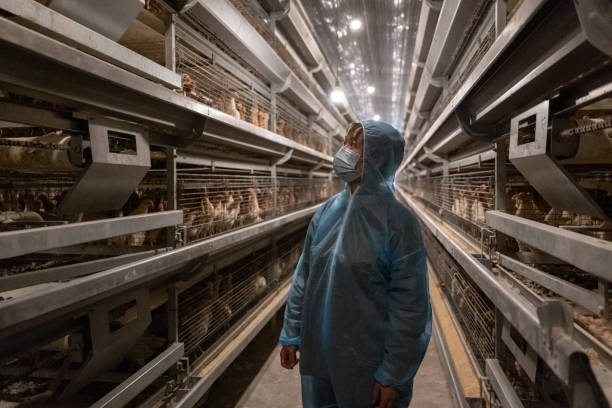
Let’s be honest—there are plenty of suppliers offering “cage-only” quotes at $7–$9 per bird. Sounds great until your first monsoon season hits, the galvanizing flakes off near weld joints, and rust starts blooming at the base of your tier frames. Or worse: your water nipples jam after six months because they weren’t calibrated for your local water hardness. At Livi, we don’t sell cages—we deliver functioning, farm-ready poultry environments. That means our quote always includes free layout consultation using your barn dimensions; structural load verification against wind/snow/seismic zones; local water and voltage compatibility checks; and full commissioning support on-site—training your team on cleaning cycles, belt tension adjustment, feeder calibration, and troubleshooting error codes. We also offer flexible payment terms (30% advance, 60% pre-shipment, 10% after installation sign-off), multi-language manuals, and 24-month full parts warranty on all automation components. One thing we tell every client: If your cage system breaks down, your chickens don’t take a day off—and neither should your supplier.
Ready to Build a Smart, Sustainable 20,000-Bird System?
Whether you’re finalizing land acquisition, comparing equipment bids, or already pouring foundations—now’s the perfect time to get real-world numbers tailored to your goals, climate, and budget. No templates. No inflated specs. Just clear, no-jargon advice based on what actually works on working farms. If you’d like a free preliminary cage layout + itemized cost breakdown—including freight estimates and timeline suggestions—just drop us your barn dimensions, bird type, location, and preferred automation level. We’ll send back a PDF report within 48 hours, plus a short Zoom call to walk you through any questions. Your next step? Simply reply with “20K quote” and your contact details. Let’s build something that pays for itself—and keeps paying dividends—for years.
Frequently Asked Questions
What’s the minimum ceiling height required for a 4-tier layer cage system?
Typically 3.8 meters from finished floor to bottom of truss—but we adjust frame height and aisle clearance based on your exact barn specs.
Can I retrofit an existing barn built for floor-rearing into a caged system?
Yes, in most cases—but we’ll need soil bearing data, roof load capacity, and current ventilation design to confirm structural safety.
Do you supply cages compatible with solar-powered automation?
Absolutely. All our motorized feeders, manure belts, and fans come with dual-voltage (110V/220V) and optional DC kits for seamless solar integration.
How long does installation usually take for a 20,000-bird setup?
With two trained technicians and your crew assisting, it’s typically 10–14 days—depending on site readiness and weather.
Is hot-dip galvanizing included standard, or is it an upgrade?
It’s standard on all structural frames, cage wires, and feed lines. We never compromise on corrosion protection—even for tropical or high-humidity regions.
Can I start with basic automation and upgrade later?
Yes—the system is modular. You can begin with manual feeding + gravity water, then add servo feeders, belt manure, and sensors in phases.
What’s the average lifespan of your cage systems under normal use?
Layer cages: 15+ years. Broiler breeder or pullet systems: 10–12 years. We include wear-and-tear replacement parts for key moving components.
Do you provide spare parts locally—or do they ship from China?
We maintain regional parts hubs in Ghana, Vietnam, Colombia, and UAE. Critical items like feeder chains, water nipples, and manure belts are stocked and ship within 48 hours.
Can your cages be used for both conventional and organic-certified operations?
Yes—if configured to meet space-per-bird and enrichment requirements under EU Organic or USDA NOP standards. We’ll help document materials and layout for your certifier.
Do you assist with installation training for my staff?
Yes—2–3 days of hands-on training is included: cage assembly, belt alignment, feeder calibration, daily maintenance checklist, and common issue resolution—all delivered in your local language.