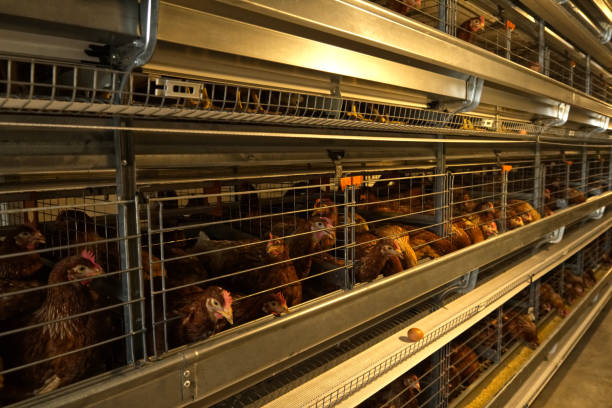
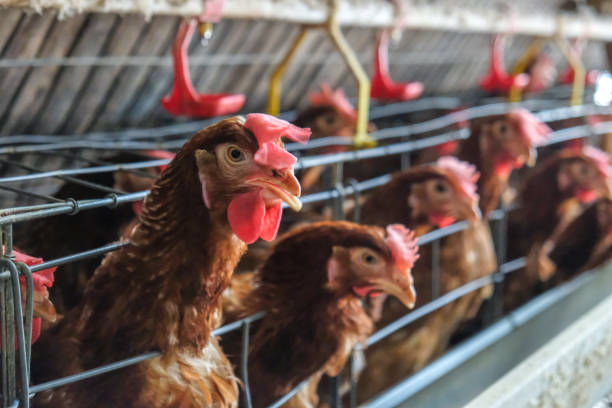
Poultry Cage System for Broiler Chickens
 time:
2025-12-17
time:
2025-12-17 Poultry Cage System for Broiler Chickens
When it comes to modern poultry farming, efficiency and animal welfare go hand in hand. As demand for broiler chicken continues to rise globally, farmers are constantly seeking smarter ways to raise healthy birds at scale. One of the most effective solutions that has gained popularity in recent years is the use of a poultry cage system for broiler chickens. Unlike traditional floor-raising methods, caged systems offer better control over the environment, reduce disease risks, and improve feed conversion ratios—making them an ideal choice for commercial operations.
For those unfamiliar, raising broilers in cages might sound counterintuitive. After all, aren’t broilers usually raised on litter floors? While that’s been the norm for decades, advancements in design and animal husbandry practices have made cage systems not only viable but highly beneficial. At Livi Machinery, we’ve developed advanced broiler cage systems tailored to meet the specific needs of fast-growing meat birds. These systems support better air circulation, easier waste management, and improved biosecurity—all critical factors for successful large-scale production.
What Makes Broiler Cages Different from Other Poultry Cages?
It’s important to understand that not all poultry cages are created equal. The demands of raising broilers differ significantly from those of laying hens or even breeding stock. Broiler chickens grow extremely fast—they can reach market weight in as little as five to seven weeks. This rapid growth places unique stress on their bodies and living conditions. Therefore, any cage system designed for broilers must prioritize comfort, hygiene, and ease of access.
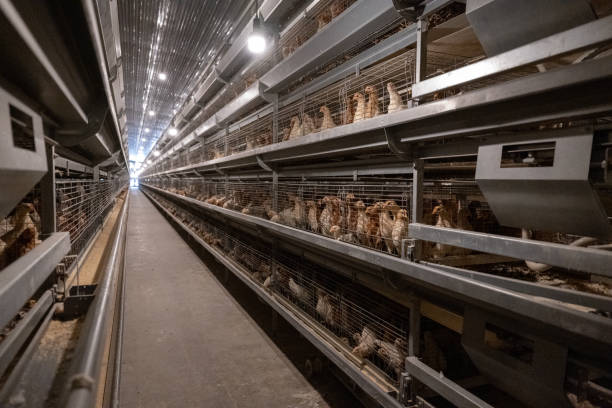
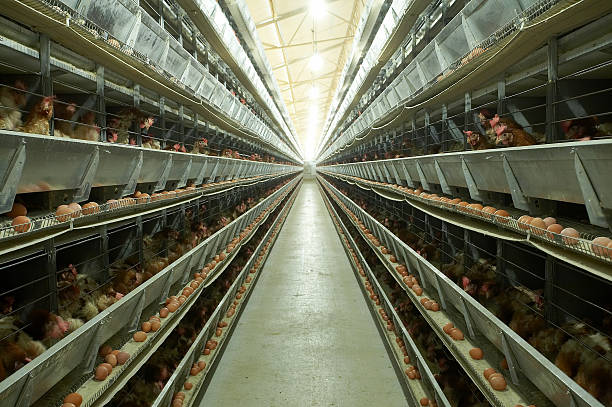
Our broiler cage systems feature wider mesh flooring with rounded edges to prevent breast blisters and foot injuries common in fast-growing birds. The slope and spacing are precisely calculated to allow droppings to fall through while keeping the birds stable and comfortable. Ventilation is another key consideration. Each tier in our multi-layer cages is designed to ensure consistent airflow, reducing humidity build-up and minimizing respiratory issues. Plus, automatic feeding and drinking systems are integrated directly into the structure, ensuring every bird gets equal access without competition.
Another major advantage? Labor savings. With traditional floor systems, cleaning requires significant manpower and downtime between flocks. In contrast, our caged setup allows for quick removal of manure via conveyor belts or removable trays, cutting labor costs by up to 60%. This also means faster turnaround times between batches, boosting annual output per house. For commercial producers aiming to maximize ROI, this operational efficiency is a game-changer.
How a Caged System Improves Broiler Health and Performance
You might be wondering: Does keeping broilers off the ground actually improve their health? The answer is yes—and here’s why. In floor-based systems, birds are in constant contact with damp litter, which becomes a breeding ground for pathogens like E. coli, coccidia, and harmful fungi. Wet litter also leads to footpad dermatitis and breast burns—common problems that affect both bird welfare and meat quality.
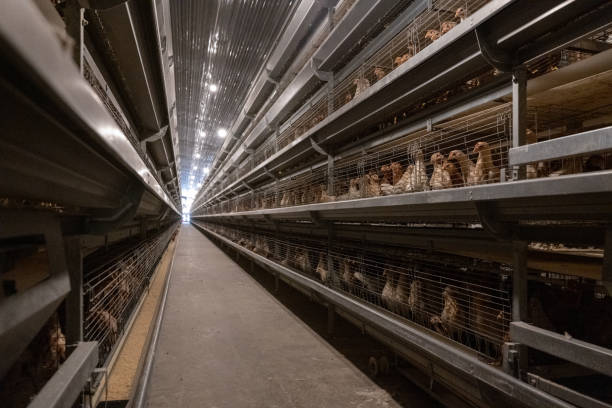
By elevating the birds above the waste zone, cage systems drastically reduce exposure to moisture and bacteria. Our cages include sloped wire floors that channel excrement downward, away from the birds. This keeps the living space drier and cleaner throughout the entire grow-out period. Improved sanitation translates directly to lower mortality rates and fewer antibiotic treatments—something increasingly valued by consumers and regulators alike.
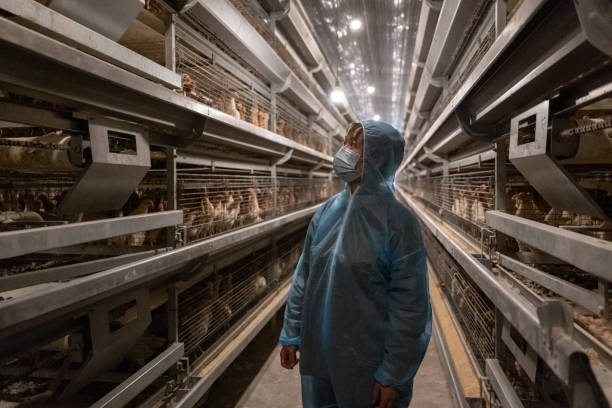
Moreover, caging allows for more accurate monitoring of individual flock performance. You can easily track feed intake, weight gain, and water consumption per section or level. This data helps fine-tune management practices and detect potential problems early—such as uneven growth or signs of illness before they spread. With optional smart sensors and IoT integration, some of our premium models even send real-time alerts to your smartphone or tablet.
And let’s talk about space utilization. A well-designed broiler cage system can double the number of birds housed in the same footprint compared to floor production. That doesn’t mean overcrowding—each unit maintains optimal density (typically 25–30 kg/m²) while using vertical space intelligently. This makes it an excellent solution for farms with limited land or urban proximity constraints.
Why Invest in a Modern Broiler Cage System Now?
The shift toward caged broiler production isn’t just about saving labor or increasing capacity—it’s part of a larger trend toward sustainable, traceable, and humane farming. Governments and food retailers around the world are tightening standards on animal welfare, emissions, and antimicrobial use. Producers who adapt early will find themselves better positioned to comply with regulations and win contracts with major buyers.
At Livi Machinery, we don’t just sell equipment—we provide complete turnkey solutions. From barn layout planning and climate control integration to installation and staff training, our team supports you every step of the way. Whether you’re building a new facility or upgrading an existing one, we’ll help design a system that matches your production goals, local climate, and budget.
Our customers range from small mid-sized farms expanding their operations to large agribusinesses running dozens of houses across multiple regions. No matter your scale, we customize our broiler cage systems to suit different climates—from hot and humid Southeast Asia to cold northern areas where insulation and heating play a crucial role. All materials are high-grade galvanized steel, resistant to rust and corrosion, ensuring durability for over 15 years even under heavy use.
Thinking of making the switch? Or perhaps starting fresh with a modern broiler operation? We’d love to hear from you. Share your farm size, target production volume, and location, and we’ll create a personalized proposal—including layout drawings, cost estimates, and projected returns. Leave your contact information below, and one of our specialists will get back to you within 24 hours with actionable insights tailored to your needs.
Frequently Asked Questions
Can broiler chickens really thrive in cages?
Yes, when designed correctly. Our systems provide proper space, ventilation, and comfort. Birds show lower stress levels, fewer leg issues, and better overall health due to reduced contact with waste.
How many birds can fit in one cage?
It depends on the model and growth stage. Typically, each brooding cage holds 80–100 chicks initially, and grow-out cages accommodate 15–20 birds at market weight. Density follows international welfare guidelines.
Do these cages require special housing?
Not necessarily. They can be installed in standard poultry houses, but proper ventilation and lighting are essential. We help design the full house setup to match the cage system.
Is cleaning difficult?
Actually, it’s much easier than floor systems. Droppings fall through the mesh into collection trays or conveyors. Most models allow manual or automatic manure removal with minimal labor.
Can I integrate automation?
Absolutely. We offer fully automated options including feeding, watering, egg collection (for breeder broilers), climate control, and remote monitoring via mobile apps.
Are spare parts available internationally?
Yes. We ship globally and maintain regional warehouses in key markets to ensure fast delivery of replacements and maintenance kits.
What’s the lifespan of the cages?
With proper care, our galvanized steel cages last 15–20 years. They’re built to withstand daily use, frequent washing, and harsh environmental conditions.
Do you offer installation support?
Yes. Our technicians can travel onsite or guide your team remotely during setup. We also provide user manuals and video tutorials in multiple languages.
How does the initial cost compare to floor systems?
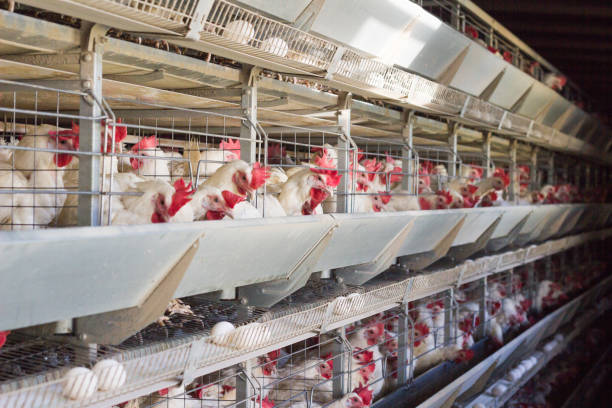
While the upfront investment is higher, the long-term ROI is stronger due to increased output, lower labor and vet costs, and longer building life cycles.
Will this system work in hot climates?
Definitely. We include features like shade covers, enhanced airflow channels, and optional cooling pads specifically for tropical environments.