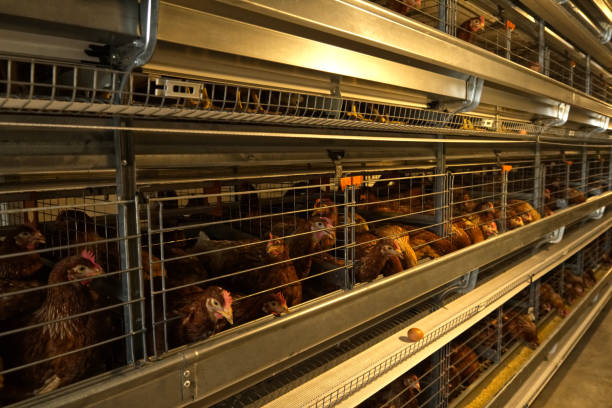
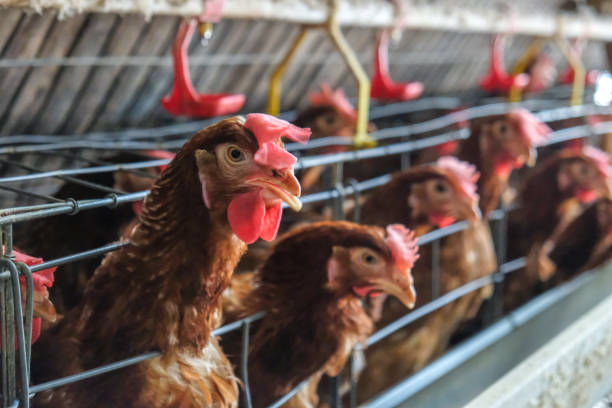
Poultry Farm Automation Solutions in Africa
 time:
2025-12-24
time:
2025-12-24 Poultry Farm Automation Solutions in Africa
When it comes to modern poultry farming, automation is no longer a luxury—it’s a necessity. In Africa, where the demand for eggs and chicken meat is growing rapidly due to population increases and urbanization, traditional farming methods are struggling to keep up. Farmers are realizing that if they want to stay competitive, increase productivity, and ensure animal welfare, they need smarter, more efficient systems. That’s where poultry farm automation solutions come in.
At Zhengzhou Livi Machinery Manufacturing Co., Ltd., we’ve been helping farmers across Africa transform their operations since 2012. Based in Zhengzhou, China, our team specializes in designing and producing high-quality, durable, and intelligent poultry equipment tailored for small, medium, and large-scale farms. Whether you’re running a backyard setup or managing a commercial operation with thousands of birds, automation can be customized to fit your needs and budget. From automated feeding and watering systems to climate-controlled housing and egg collection lines, our goal is to make poultry farming easier, cleaner, and far more profitable.
What Makes Poultry Automation a Game Changer for African Farms?
Let’s face it—manual labor on poultry farms is time-consuming, inconsistent, and often inefficient. Feeding birds by hand? That takes hours every day. Monitoring temperature and ventilation manually? One missed adjustment could mean heat stress or disease outbreaks. Collecting eggs one by one from deep litter systems? Not only is it slow, but eggs get damaged or contaminated easily.
Automation solves all these problems. Think of it like upgrading from a bicycle to a pickup truck—you still get to the same destination, but faster, safer, and with less effort. With automated feeders, the right amount of feed is delivered at precise times, reducing waste and ensuring every bird gets what it needs. Nipple watering systems keep water clean and available 24/7, cutting down on contamination and dehydration risks.
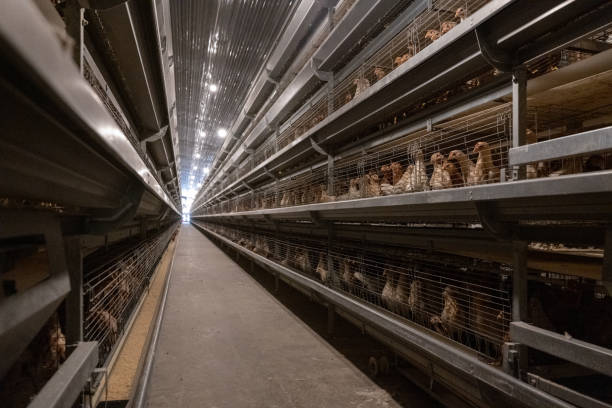
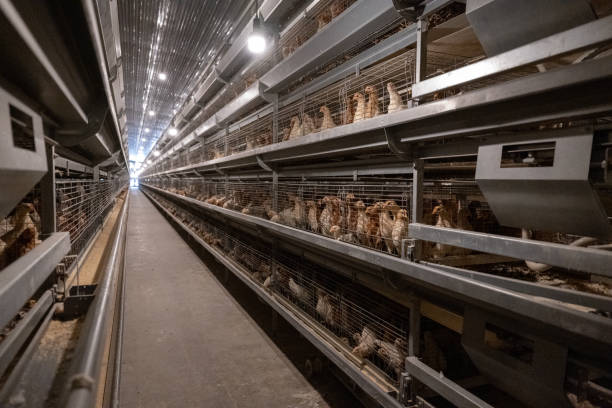
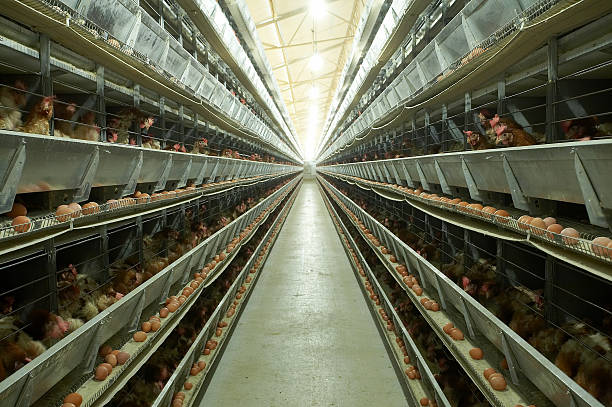
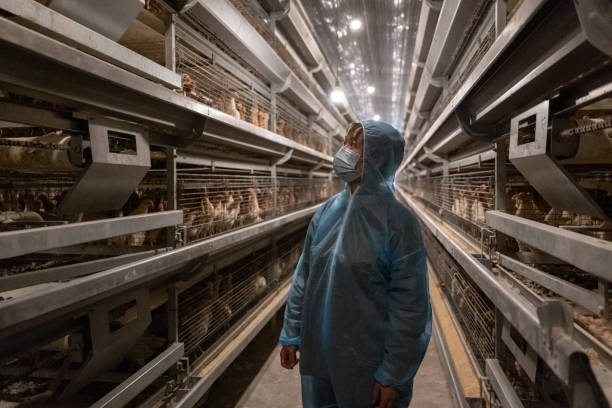
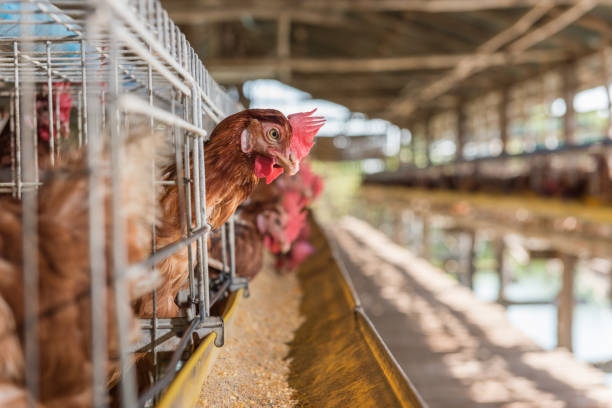
Then there’s the housing system. Our cage solutions—like broiler cages, layer cages, and chick rearing cages—are designed with built-in features such as automatic manure removal belts. This means less labor, better hygiene, and lower ammonia buildup, which directly improves bird health and growth rates. For egg producers, automated egg collection belts gently transport eggs from nests to grading areas, minimizing breakage and saving workers countless hours.
We’ve worked with farms in Kenya, Nigeria, Ghana, and South Africa, and the feedback is consistent: once they automate, they never go back. One farmer in Uganda told us his egg production increased by 28% within three months of installing our automatic layer cages and lighting control system. Another in Tanzania reduced feed costs by 15% because he no longer overfed his flock. The numbers don’t lie—automation pays for itself.
Affordability and Adaptability: Making Tech Work for African Conditions
One common concern we hear is, “Isn’t automation too expensive for African farms?” The truth is, prices have dropped significantly over the past decade, and we design our systems specifically with cost-efficiency in mind. Plus, when you factor in saved labor, higher survival rates, better feed conversion ratios, and increased output, the return on investment becomes clear—sometimes in under a year.
We also understand that power supply can be unstable in some regions. That’s why many of our systems include backup options or energy-efficient designs. For example, our incubators run on both electricity and optional solar-compatible setups. Our controllers use low-voltage components and can even integrate with local generator systems.
Installation doesn’t require a PhD either. Our engineers provide full support—from site assessment to delivery and training. We don’t just ship containers and disappear. We walk you through every step: layout planning based on your land size and bird capacity, foundation guidance, equipment setup, and staff training. If you’re starting from scratch, we help you choose the best location, wind direction, and building orientation to maximize natural ventilation and minimize costs.
And maintenance? It’s surprisingly simple. Most of our machines are made from galvanized steel or hot-dipped zinc-coated materials, so they resist rust—even in humid climates. Spare parts are modular and easy to replace. We stock commonly needed components so they can be shipped fast if ever needed. Many of our African clients say the biggest challenge wasn’t technical—it was believing they could pull it off. Once they saw the first automated feeder run smoothly, confidence soared.
From Hatch to Market: End-to-End Support for Smarter Farming
A truly efficient poultry farm doesn’t start when chicks arrive—it starts long before, with smart planning. That’s why Livi offers complete turnkey solutions covering every stage of production. Want to raise broilers? We’ll help you set up chick brooders with infrared heaters, starter feed trays, and automated drinkers. Need to boost your hatch rate? Our multi-stage incubators can handle up to 30,000 eggs per batch with 99% hatching success when used correctly.
For layer farms, we recommend starting with properly sized rearing cages to raise healthy pullets, followed by seamless transfer into production cages equipped with nest boxes, manure belts, and LED lighting programs that mimic natural daylight cycles. This kind of precision boosts egg-laying peaks and extends productive life.
But beyond hardware, what really sets us apart is our human touch. We speak English, French, Swahili, and Arabic to communicate clearly with farmers across different countries. Our after-sales team checks in regularly. We collect feedback, offer upgrades, and adapt future designs based on real-world performance in African conditions.
Take the case of a female entrepreneur in Ethiopia who wanted to launch a large-scale layer farm. She had the vision but didn’t know where to start. We helped her secure land, design the house layout, select the right cage model, train her technicians, and even connect with local veterinarians for vaccination scheduling. Two years later, she employs 45 people and supplies eggs to supermarkets in Addis Ababa. Her words? “Livi didn’t just sell me equipment—they grew with me.”
Ready to Automate Your Poultry Farm?
If you’re tired of spending too much time on repetitive tasks, losing birds to avoidable diseases, or watching profits shrink due to inefficiencies, now is the perfect time to explore automation. The technology exists. The support is available. And success stories are already happening across the continent.
We invite you to reach out today and start a conversation. Tell us about your farm goals, current challenges, and how many birds you aim to raise. Share your location and available space—we’ll send you a free preliminary layout and quote within 24 hours. No obligation, just honest advice and practical solutions tailored to your situation.
Whether you’re expanding an existing farm or launching a new one, taking that first step toward automation could be the smartest decision you make this year. Join hundreds of forward-thinking farmers who’ve already upgraded their operations with Livi’s proven poultry systems. Let’s build a healthier, more profitable future—for your business, your community, and African agriculture as a whole.
Leave your name, phone number, and country below, and one of our experts will contact you personally to discuss your project. Let’s turn your vision into reality—together.
FAQ
Why should I consider automating my poultry farm in Africa?
Automation helps reduce labor costs, improve bird health, increase production output, and maintain consistent quality—all critical factors for profitability in today’s market.
Can automated systems work during power outages?
Yes. Many of our systems are designed with energy-saving features and can operate briefly on battery backups. Some customers pair them with solar panels or generators for uninterrupted use.
Are spare parts easy to get in Africa?
Absolutely. We keep key spare parts in stock and ship them quickly. We also train your team on basic repairs and maintenance so minor issues won’t stop operations.
Is installation complicated?
Not at all. Our team provides detailed instructions, videos, and on-site support if needed. Most farmers have their systems running within days of delivery.
How much space do I need for an automated poultry house?
It depends on your scale. For example, 1,000 laying hens need roughly 200–250 square feet using cage systems. We’ll help you plan the best layout based on your available land.
Do automated systems suit small farms?
Yes! Even smaller farms benefit from automation—especially in feed efficiency and egg collection. We offer scalable models for farms starting at 500 birds.
How does automation affect bird health?
Automated systems maintain cleaner environments (less manure contact), better air quality, and consistent access to food and water—leading to fewer diseases and stronger immunity.
Will workers lose jobs if I automate?
Not necessarily. While some manual tasks decrease, new roles emerge in monitoring, maintenance, data recording, and quality control—often offering better working conditions.
Can I finance the equipment?
We currently partner with third-party financing options in select countries. Contact us to see what options are available for your region.
What’s the lifespan of automated poultry equipment?
With proper care, our equipment lasts 10–15 years. Galvanized steel frames resist rust, and moving parts are engineered for long-term durability.