Poultry Farming Cage System Price in Kenya
Poultry Farming Cage System Price in Kenya
Kenya’s poultry industry is booming, driven by increasing demand for eggs and meat across urban and rural populations. As more farmers look to scale up production efficiently, the adoption of modern poultry cage systems has become a game-changer. However, one of the most common questions we hear at Livi Machinery is: “How much does a poultry farming cage system cost in Kenya?” The answer isn’t as simple as a single number—it depends on several factors including system type, materials, capacity, and additional features like automatic feeding or manure removal. In this article, we’ll break down everything you need to know about poultry cage prices in Kenya, help you understand what influences costs, and show how investing in the right system can boost your farm’s long-term profitability.
What Determines the Cost of Poultry Cages in Kenya?
When shopping for a poultry cage system, price isn’t just about the metal wires and frame—it reflects quality, durability, labor savings, and overall performance. At Livi Machinery, we’ve supplied hundreds of farms across East Africa, and our experience shows that pricing varies based on multiple key elements.
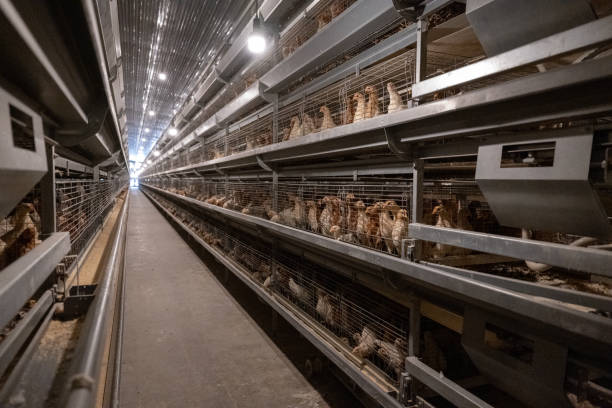
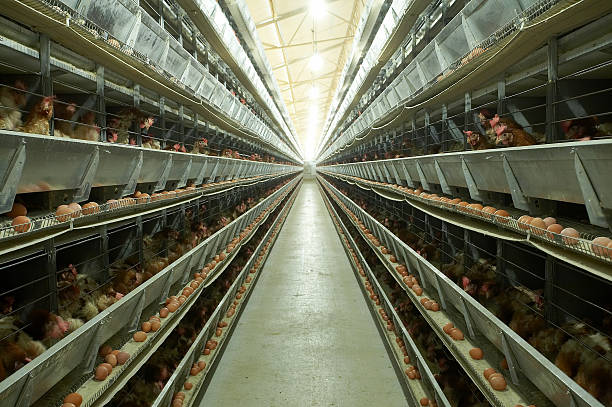
First, there’s the type of system. Are you raising layer hens for eggs? Broilers for meat? Or starting with chicks? Each requires a different setup. Layer cages, especially multi-tier designs, tend to be the most popular in Kenya due to their space efficiency and high egg output per square meter. These usually range between $15 and $25 per bird space when sourced directly from manufacturers like us. Broiler (meat chicken) cages are slightly simpler but still require sturdy construction to support heavier birds—expect similar or slightly lower pricing depending on design.
Next, material quality plays a major role. Many low-cost suppliers use thin galvanized iron wire that rusts quickly, especially in humid or coastal areas like Mombasa. Our cages, made from hot-dip galvanized steel after welding, resist corrosion for over 10 years—even under tough Kenyan weather conditions. While this raises the initial cost by 10–15%, it saves money long-term by reducing replacement frequency and maintenance downtime.
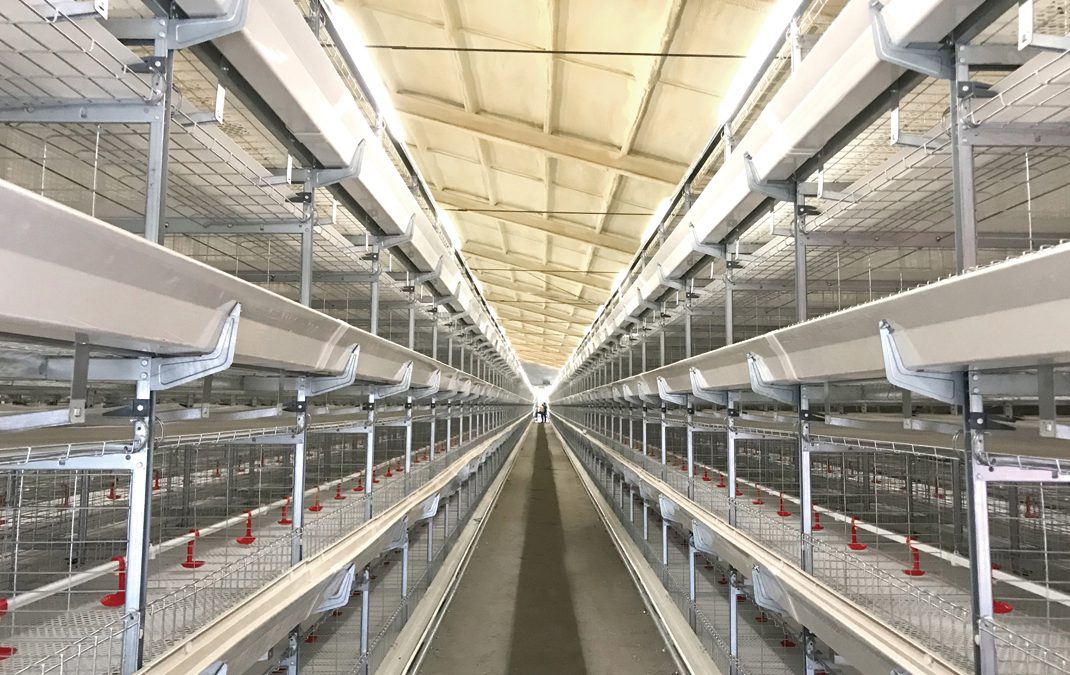
Another critical factor is automation level. Basic manual systems are cheaper upfront, but farms that opt for automatic feeders, drinkers, egg collection belts, and manure scrapers see faster returns thanks to reduced labor needs. For example, a fully automated 5,000-bird layer house might cost $30,000–$40,000—including cages, equipment, installation guidance—but cuts staffing needs by up to 70%. Smaller farms may start semi-automated and upgrade later, which we support through modular designs.
Finally, freight and delivery logistics impact final price. We ship containers from China to Mombasa port regularly, offering competitive landed costs compared to local dealers who mark up imported units. With proper planning, delivery within 2–3 weeks is typical, and we provide full packing lists and customs documentation to make clearance smoother.
Why Choosing the Right Supplier Matters More Than Just Price
It’s tempting to go for the cheapest option advertised online or at agricultural expos. But here’s the truth: many budget cage suppliers cut corners—using substandard steel, weak welds, or poor tray angles that cause eggs to roll backward or get dirty. We’ve seen photos from frustrated farmers showing bent frames after only six months of use. That “bargain” ends up costing more in repairs, lost productivity, and even chick mortality.
At Livi Machinery, we don’t just sell cages—we deliver peace of mind. Every system is tested for load capacity, corrosion resistance, and ease of cleaning before shipment. Our team works closely with Kenyan clients during farm layout planning to ensure optimal airflow, lighting, and cage placement. Whether you’re building a new facility near Nakuru or upgrading an old shed in Kisumu, we tailor solutions to your climate, flock size, and growth goals.
Let’s talk numbers. A standard three-tier layer cage system for 1,000 birds typically starts around $18,000 FOB (freight not included), including nipple drinkers, feeding troughs, and egg collection trays. Add $3,000–$5,000 for full automation packages. For broiler farms, floor pens with raised mesh flooring start around $15 per bird position—ideal for disease control and easier cleaning.
But beyond dollars and cents, consider service. We offer free technical consultations, detailed installation videos, and WhatsApp-based troubleshooting. If a part gets damaged during transit or installation, replacements are shipped fast—no waiting days or weeks for responses.
Smart Investment = Higher Profits Over Time
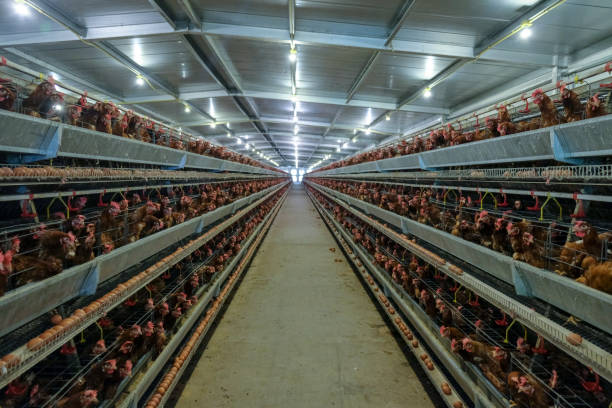
Think of your cage system not as an expense but as a profit-generating asset. When designed and installed correctly, modern caging improves feed conversion ratios, reduces egg breakage, lowers disease risk, and allows better monitoring of individual birds. Farmers using Livi systems report up to 94% hen-day egg production rates—far above national averages.
Take Joseph from Eldoret, who upgraded his backyard coop to a 2,000-bird automated layer farm last year. He was worried about the initial investment ($38,000 total project cost), but within 14 months, he broke even thanks to consistent supply contracts with supermarkets in Nairobi. “Before, I couldn’t keep up with orders,” Joseph said. “Now I deliver 1,800+ eggs daily with two workers instead of five.”

Scalability is another big advantage. Our cage systems are modular—meaning you can expand row by row as your business grows. No need to rebuild everything from scratch. You can also integrate solar-powered ventilation or slatted floors later without changing the core structure.
For hatcheries or breeder farms, incubators and breeding cages are available too. These specialized units maintain strict temperature and density controls essential for high hatch rates. While pricier than standard cages, they open doors to premium markets such as supplying day-old chicks to other farmers.
Whether you’re starting small or running a commercial operation, understanding real value—not just tag price—is crucial. That means looking at durability, labor efficiency, bird welfare, and future expansion potential. And remember: every shilling saved today on poor-quality equipment could cost several times more tomorrow in lost birds or broken trust with buyers.
Ready to Build a Smarter Poultry Farm?
If you’ve been researching poultry cage prices in Kenya, chances are you’re serious about growing your poultry business the right way. Don’t gamble on unreliable suppliers or outdated setups. At Livi Machinery, we’ve helped dozens of Kenyan farmers turn challenges into opportunities—with durable, intelligent cage systems built for African realities.
Want a personalized quote? Share your farm size, bird type, and location with us via email or WhatsApp, and we’ll send a complete proposal tailored to your needs—including 3D layout sketches and breakdown of all components. Questions about permits, power requirements, or staff training? We cover those too. Let’s build something great together.

Contact us today to get your free consultation and start planning your next-generation poultry farm.
Frequently Asked Questions
What’s the average price per bird in a poultry cage system in Kenya?
Most quality cage systems range from $15 to $25 per bird space, depending on automation and materials. Fully automated setups may cost more upfront but save significantly on labor and losses.
Are galvanized cages better than plastic-coated ones?
Yes, hot-dip galvanized steel lasts longer, especially in Kenya’s variable climate. Plastic coatings chip easily and expose metal to rust, shortening cage life.
Can I install the cage system myself?
Absolutely. We provide clear manuals, labeled parts, and video guides. Most farmers complete assembly in 5–7 days with basic tools and a small team.
Do you supply feeders and drinkers separately?
All our systems come complete with nipple drinkers and feeding troughs. Automatic feed lines and water controllers are optional add-ons for larger farms.
How long does shipping take from China to Kenya?
Typically 2–3 weeks from factory to Mombasa port. We handle all export paperwork; customs clearance time depends on KRA processing speed.
Is after-sales support available in Kenya?
While we’re based in China, we offer remote troubleshooting via phone, WhatsApp, or video call. Spare parts are kept in stock and shipped immediately if needed.
Can the cages be reused if I change my flock type?
Layer cages aren’t ideal for broilers because of spacing differences, but育雏 cages can double as grower stages for young layers. Best to plan ahead with modular flexibility.
Do you offer financing options?
We don’t provide direct loans, but we assist with documentation for bank presentations and partner with third-party leasing companies familiar with agribusiness projects.
Are cage systems suitable for free-range hybrids?
Yes—modern hybrids perform well in cage environments when managed properly. Good ventilation, lighting schedules, and nutrition keep stress low and productivity high.
How do I choose between two-tier and three-tier cages?
Two-tier systems are easier to manage manually and work well in lower buildings. Three-tier maximizes space and is better for larger, automated farms where mechanization handles access.