Setting Up a Thriving Chicken Farm in Africa: A Practical Business Plan and Step-by-Step Guide
Setting Up a Thriving Chicken Farm in Africa: A Practical Business Plan and Step-by-Step Guide
Africa’s agricultural landscape is brimming with opportunities, and chicken farming stands out as a particularly promising venture. With a growing population and increasing demand for protein, setting up a chicken farm in Africa can be both a profitable and sustainable business. However, success hinges on careful planning and execution. This guide will walk you through creating a practical business plan and provide a step-by-step approach to establishing a thriving chicken farm.
I. Crafting Your Chicken Farm Business Plan: The Foundation for Success
A well-thought-out business plan is the cornerstone of any successful venture, and chicken farming is no exception. It serves as a roadmap, guiding your decisions and attracting potential investors or lenders. Here’s what your chicken farm business plan should include:
Executive Summary: A brief overview of your business, its goals, and key strategies. Think of it as an elevator pitch that captures the essence of your chicken farm.
Company Description: Provide detailed information about your farm, including its mission, vision, and values. What makes your farm unique? What problems will it solve?
Market Analysis: A thorough understanding of the market is crucial.
Demand: Research the demand for chicken meat and eggs in your target market. Are you targeting local consumers, restaurants, or larger distributors?
Competition: Identify your competitors and analyze their strengths and weaknesses. How can you differentiate yourself and gain a competitive edge?
Pricing: Determine the optimal pricing strategy based on market research, production costs, and competitor pricing.
Target Market: Define your ideal customer. Understanding their needs and preferences will help you tailor your products and marketing efforts. Conducting surveys, interviews, and analyzing market trends can help you gain insights into your target market.
Products and Services: Detail the specific products or services you will offer. Will you focus on egg production, broiler farming (meat production), or both? Will you offer processed chicken products like sausages or smoked chicken?
Production Plan: This is the heart of your business plan, outlining how you will raise and manage your chickens.
Chicken Breed: Select the right breed based on your goals and market demand. Layer chickens excel at egg production, while broiler chickens are bred for meat. Popular breeds in Africa include the Kuroiler, Rainbow Rooster, and indigenous breeds adapted to local climates.
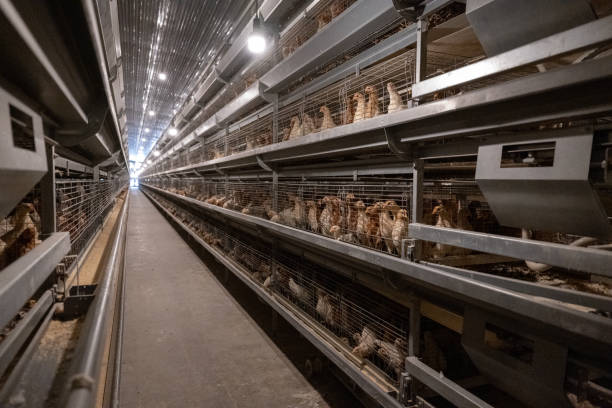
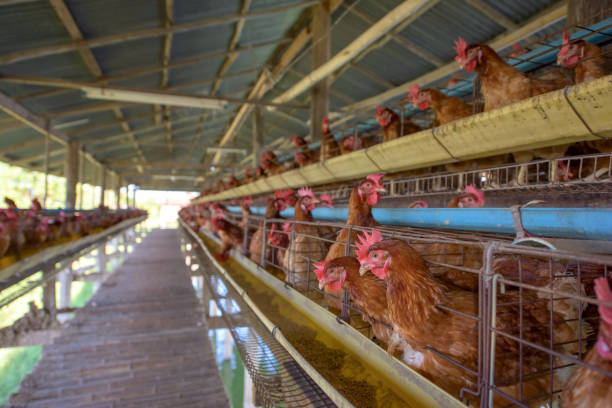
Housing: Describe the type of housing you will provide, considering factors like climate, space requirements, and biosecurity. Options include deep litter systems, free-range systems, and cage systems.
Feeding: Develop a feeding plan that meets the nutritional needs of your chickens at each stage of their life. Consider sourcing feed locally to reduce costs.
Health Management: Outline your plans for preventing and treating diseases. Implement biosecurity measures to minimize the risk of outbreaks. Regular vaccinations, proper sanitation, and quarantine procedures are essential.
Waste Management: Describe how you will manage chicken manure and other waste products. Consider composting or using it as fertilizer.
Marketing and Sales Strategy: How will you reach your target market and sell your products?
Branding: Create a strong brand identity that resonates with your target market.
Distribution Channels: Identify the most effective channels for reaching your customers, such as direct sales, local markets, restaurants, or supermarkets.
Promotion: Develop a marketing plan that includes advertising, social media, and public relations.
Management Team: Introduce the key members of your management team and highlight their experience and expertise. A strong management team inspires confidence in investors and lenders.
Financial Plan: This section is critical for securing funding and managing your finances.
Start-up Costs: Estimate all the costs associated with setting up your farm, including land, housing, equipment, and initial stock.
Operating Costs: Project your ongoing expenses, such as feed, labor, utilities, and marketing.
Revenue Projections: Forecast your sales revenue based on your production plan and market analysis.
Profitability Analysis: Determine your break-even point and project your profitability over time.
Funding Request: If you are seeking funding, state the amount you need and how you plan to use it.
Appendix: Include any supporting documents, such as market research data, permits, and licenses.
II. Step-by-Step Guide to Setting Up Your Chicken Farm
Once you have a solid business plan, it’s time to put it into action. Here’s a step-by-step guide to setting up your chicken farm:
Step 1: Secure Land and Obtain Necessary Permits
Land Selection: Choose a location that is accessible, has adequate water and electricity supply, and is far enough from residential areas to minimize noise and odor complaints. Consider the soil type and drainage to ensure it’s suitable for construction and waste management.
Legal Requirements: Research and obtain all necessary permits and licenses from local authorities. This may include land use permits, environmental permits, and business licenses. Failure to comply with regulations can lead to fines or legal challenges.
Step 2: Construct Chicken Housing and Install Equipment
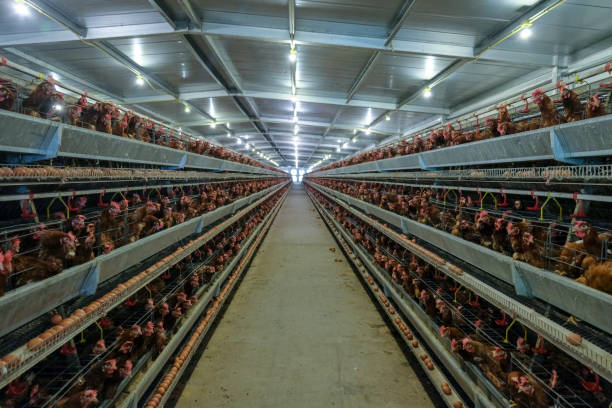
Housing Design: Build chicken houses that provide adequate space, ventilation, lighting, and protection from the elements. The design will depend on the chosen farming system (deep litter, free-range, or cage).
Equipment Installation: Install essential equipment, such as feeders, drinkers, lighting, ventilation systems, and heating (if necessary). Choose durable and efficient equipment that meets the needs of your flock. Consider automated systems to reduce labor costs and improve efficiency.
Step 3: Source High-Quality Chicks or Pullets
Chick Sourcing: Purchase chicks or pullets (young hens ready to lay eggs) from reputable breeders or hatcheries. Ensure they are vaccinated and free from diseases. Consider ordering in advance to secure your supply and plan your production schedule.
Breed Selection: As mentioned earlier, choose the breed that best suits your goals. Do thorough research on the breed’s characteristics, suitability to your climate, and market demand.
Step 4: Implement a Feeding and Watering Program
Feed Formulation: Develop a feeding program that meets the specific nutritional needs of your chickens at each stage of their life. Consult with a nutritionist to formulate balanced rations using locally available ingredients.
Water Supply: Ensure a constant supply of clean, fresh water. Install automatic drinkers to minimize water wastage and contamination. Regularly check and clean water lines to prevent blockages and maintain hygiene.
Step 5: Establish a Health Management Plan
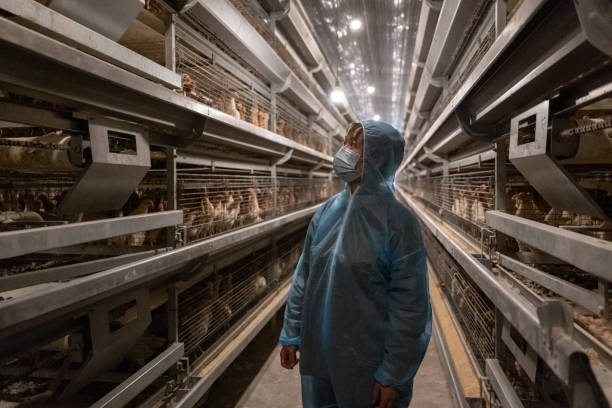
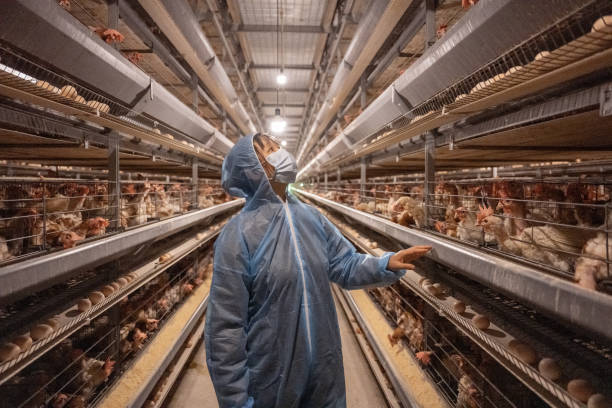
Biosecurity Measures: Implement strict biosecurity measures to prevent the introduction and spread of diseases. This includes controlling access to the farm, disinfecting vehicles and equipment, and quarantining new birds.
Vaccination Program: Develop a vaccination program based on the prevalent diseases in your area. Consult with a veterinarian to determine the appropriate vaccines and schedule.
Disease Monitoring: Regularly monitor your flock for signs of illness. Implement a system for early detection and treatment of diseases. Keep accurate records of vaccinations, treatments, and mortality rates.
Step 6: Manage Waste and Maintain Hygiene
Waste Collection: Implement a system for collecting and disposing of chicken manure and other waste products.
Composting: Consider composting chicken manure to produce a valuable fertilizer. Composting reduces odor, kills pathogens, and converts waste into a stable product.
Cleaning and Disinfection: Regularly clean and disinfect chicken houses to prevent the build-up of pathogens. Remove manure, wash surfaces, and apply disinfectants according to manufacturer’s instructions.
Step 7: Market and Sell Your Products
Direct Sales: Sell your products directly to consumers through farmers’ markets or on-farm stores.
Wholesale: Supply chicken meat and eggs to restaurants, supermarkets, and other businesses.
Value-Added Products: Consider processing chicken into value-added products, such as sausages, smoked chicken, or eggs.
Online Marketing: Utilize social media and online platforms to promote your products and reach a wider audience.
Step 8: Monitor and Evaluate Your Performance
Record Keeping: Maintain accurate records of all aspects of your farm operation, including production, costs, sales, and health management.
Performance Analysis: Regularly analyze your performance to identify areas for improvement. Track key performance indicators (KPIs), such as egg production, feed conversion ratio, and mortality rate.
Adaptation: Be prepared to adapt your business plan and management practices based on your performance and market conditions.
III. Choosing the Right Chicken Cage System
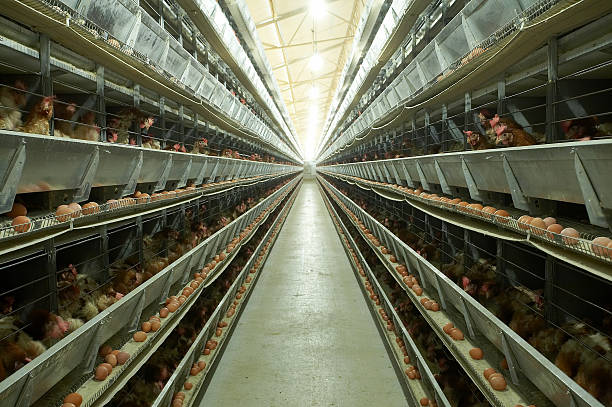
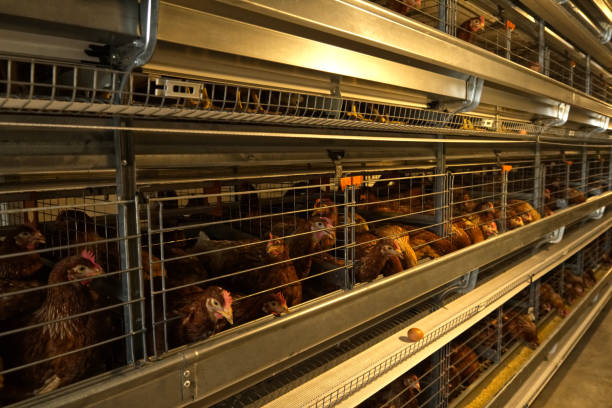
While free-range and deep litter systems have their merits, cage systems offer several advantages, particularly in terms of space efficiency, disease control, and egg collection. If you opt for a cage system, consider the following:
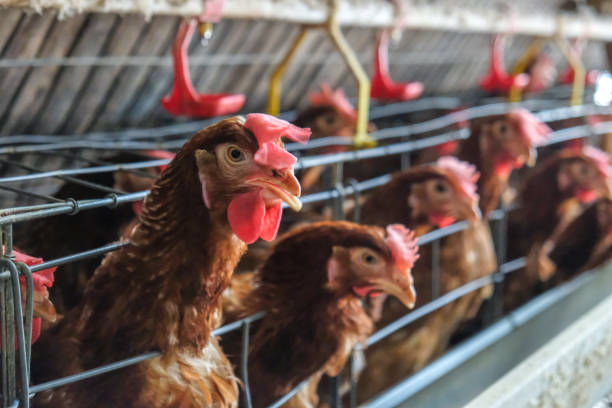
Types of Cage Systems: Layer cages are designed for egg-laying hens, while broiler cages are designed for meat production. Within each category, there are different types of cage systems, such as A-type cages and H-type cages. A-type cages are more affordable and suitable for smaller farms, while H-type cages are more efficient and scalable for larger operations.
Cage Material: Ensure the cages are made of durable, corrosion-resistant materials, such as galvanized steel.
Cage Dimensions: Choose cage dimensions that provide adequate space for the chickens to move comfortably. Consider animal welfare standards and local regulations.
Automation: Consider automated systems for feeding, watering, and egg collection to reduce labor costs and improve efficiency.
Manure Removal: Choose a cage system with an efficient manure removal system to maintain hygiene and reduce odor. Options include belt manure removal systems and scraper systems.
IV. Overcoming Challenges in African Chicken Farming
While chicken farming in Africa presents significant opportunities, it also comes with its share of challenges. Here are some common challenges and strategies for overcoming them:
Disease Outbreaks: Disease outbreaks can wipe out entire flocks and devastate profits. Implement strict biosecurity measures, vaccination programs, and disease monitoring to minimize the risk.
Feed Costs: Feed costs can account for a significant portion of production costs. Consider sourcing feed locally, formulating your own rations, and optimizing feed efficiency.
Market Fluctuations: Chicken prices can fluctuate due to seasonal demand, import competition, and other factors. Conduct thorough market research, diversify your products, and explore value-added processing to mitigate price risk.
Access to Finance: Securing funding for your chicken farm can be challenging. Develop a strong business plan, seek grants and subsidies, and explore microfinance options.
Lack of Infrastructure: Inadequate infrastructure, such as roads, electricity, and water supply, can hinder farm operations. Choose a location with access to essential infrastructure or invest in alternative solutions, such as solar power and rainwater harvesting.
V. Sustainability and Ethical Considerations
As you build your chicken farm, it’s essential to consider sustainability and ethical practices:
Animal Welfare: Provide your chickens with adequate space, food, water, and healthcare. Implement humane handling and slaughtering practices.
Environmental Impact: Minimize your environmental impact by managing waste responsibly, conserving water and energy, and reducing greenhouse gas emissions.
Community Engagement: Engage with your local community by creating jobs, supporting local businesses, and contributing to community development projects.
Setting up a thriving chicken farm in Africa requires careful planning, hard work, and a commitment to sustainability and ethical practices. By following this guide and adapting it to your specific circumstances, you can create a successful and rewarding business that contributes to food security and economic development in Africa. While challenges certainly exist, with sound planning and proactive management, a chicken farm can truly flourish on the African continent. Remember to remain adaptable and always be learning, as the dynamic agricultural landscape requires continuous improvement and innovation.