Zambia Poultry Farming: Best Practices for a 50000 Chick Layout
Zambia Poultry Farming: Best Practices for a 50000 Chick Layout
Starting a poultry farm in Zambia, especially one designed to house 50,000 chicks, is no small feat. It requires meticulous planning, robust infrastructure, and a solid understanding of best practices to ensure profitability and sustainability. This comprehensive guide will navigate you through the essential considerations for setting up and managing a successful 50,000-chick poultry operation in Zambia.
I. Initial Planning and Considerations
Before acquiring your first batch of chicks, a well-defined plan is crucial. This includes market research, financial projections, and infrastructure assessments.
Market Analysis:
Poultry Demand in Zambia:* Understand the current demand for poultry products in your target market. Identify your potential customers: wholesalers, retailers, restaurants, or individual consumers.
Competitor Analysis:* Analyze existing poultry farms in your region. Determine their strengths and weaknesses, pricing strategies, and market share. This will help you identify opportunities to differentiate your business.
Pricing Strategy:* Develop a competitive pricing strategy considering production costs, market prices, and competitor pricing.
Financial Projections:
Startup Costs:* Estimate all initial expenses, including land acquisition or lease, construction or modification of poultry houses, equipment purchase, chick procurement, feed, labor, and utilities.
Operating Costs:* Project ongoing expenses such as feed, medication, labor, utilities, transportation, and marketing.
Revenue Projections:* Forecast your potential revenue based on expected production rates, mortality rates, and market prices.
Profitability Analysis:* Calculate your projected profit margins and return on investment. This will help you secure funding and track your financial performance.
Site Selection and Infrastructure:
Location:* Choose a location accessible to markets, with reliable water and electricity supply. Consider biosecurity and distance from other poultry farms to minimize disease risks. Areas with good drainage are also very important.
Land Size:* Ensure you have sufficient land to accommodate multiple poultry houses with adequate spacing, feed storage facilities, and waste management areas. For 50,000 chicks, you’ll need a substantial plot of land.
Poultry House Design:* Construct or modify poultry houses to provide a suitable environment for your chicks. Consider factors like ventilation, insulation, lighting, and temperature control.
II. Poultry Housing and Equipment
The success of your poultry farm hinges on providing a comfortable and safe environment for your chicks. This requires careful consideration of housing systems and equipment.
Housing Systems:
Deep Litter System:* This system involves raising chicks on a floor covered with absorbent material like wood shavings, straw, or rice husks. It’s relatively inexpensive to set up but requires more labor for litter management and has potentially higher risks of disease.
Slatted Floor System:* This system uses raised floors with slats, allowing manure to fall through to a collection pit below. It improves hygiene and reduces labor but has higher initial investment costs.
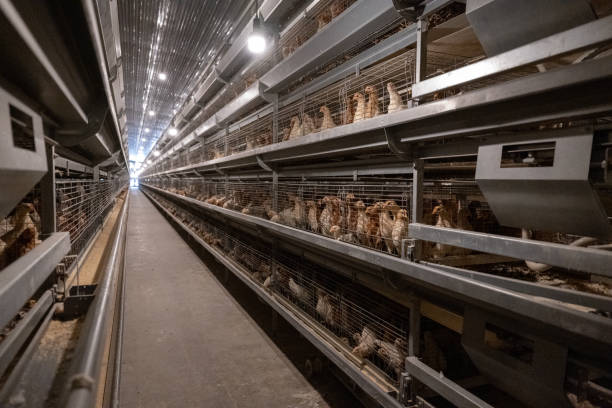
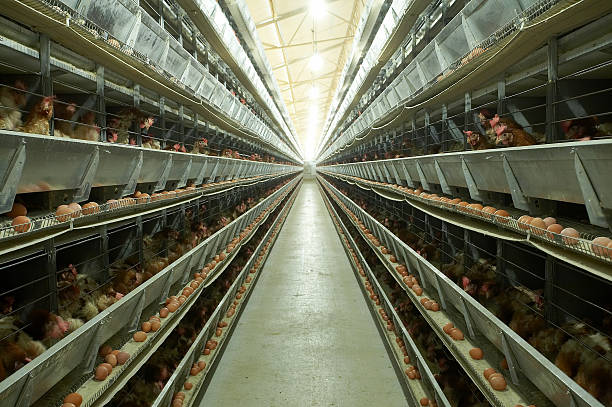
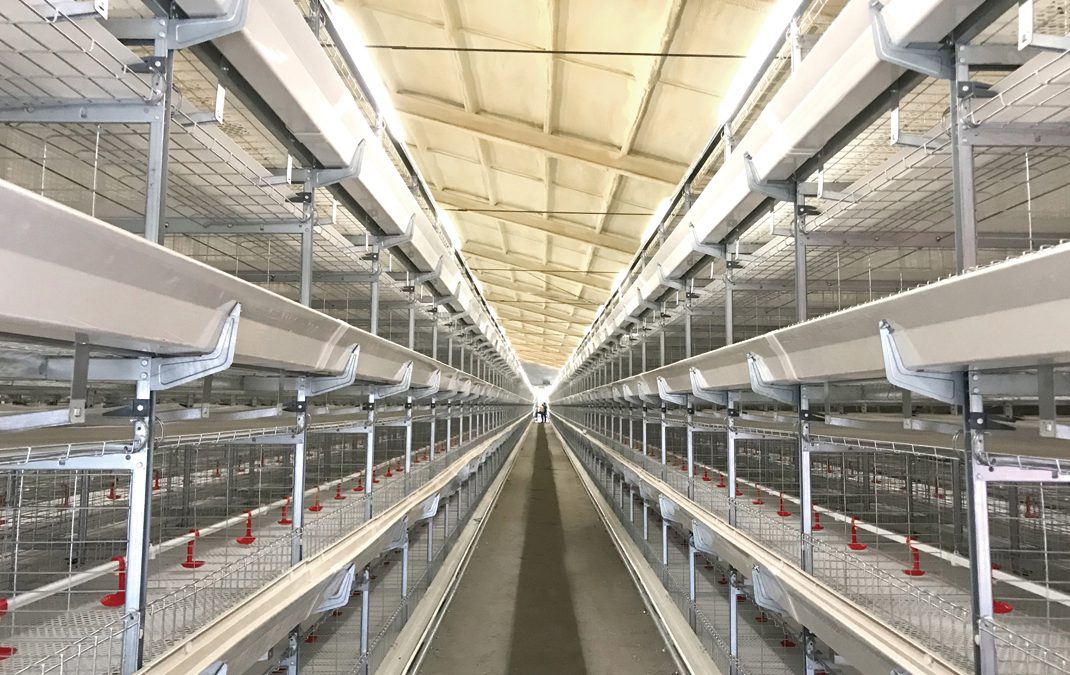
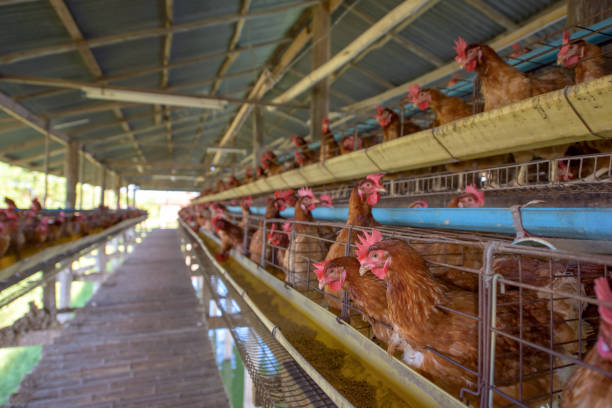
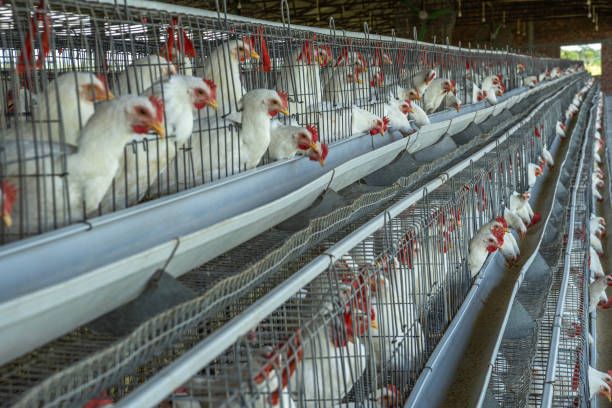
Cage Systems:* These systems, particularly battery cages or layer cages (depending on whether you raise broilers or layers), offer the highest density and ease of management. They require significant initial investment but offer improved hygiene, reduced labor, and easier egg collection (for layers).
Layer cages and broiler cages each have tiered and A-type, they are more easy-to-manage and affordable for large-scale farms.
Essential Equipment:
Feeders and Drinkers:* Choose feeders and drinkers appropriate for the age and number of chicks. Ensure they are easily accessible and prevent feed wastage and water contamination. This could include linear feeders, round feeders, nipple drinkers, or bell drinkers.
Ventilation System:* A well-designed ventilation system is crucial for maintaining air quality, controlling temperature, and removing excess moisture and ammonia. Consider natural ventilation (using windows and openings) or mechanical ventilation (using fans).
Heating and Cooling Systems:* Depending on the climate and season, you may need heating systems (e.g., brooders, gas heaters) to keep chicks warm during their early stages and cooling systems (e.g., evaporative coolers, fogging systems) to prevent heat stress during hot weather.
Lighting System:* Provide adequate lighting to stimulate chick activity and growth. Use timers to regulate lighting schedules, mimicking natural day-night cycles. Both incandescent and LED lighting options are available.
Waste Management System:* Implement a system for collecting and disposing of poultry waste hygienically and environmentally responsibly. This could involve composting, manure storage pits, or biogas production.
III. Chick Management and Husbandry
Proper chick management is essential for maximizing growth rates, minimizing mortality, and ensuring overall flock health.
Chick Procurement:
Source:* Purchase chicks from reputable hatcheries with a history of producing healthy, disease-free birds. Ask for vaccination records and performance data.
Breed Selection:* Choose a breed that is well-suited to your production goals and local market demand. Broiler breeds are fast-growing and meat-oriented, while layer breeds are selected for high egg production.
Timing:* Coordinate chick arrival with your housing and equipment readiness.
Brooding Management:
Preparation:* Thoroughly clean and disinfect the poultry house before chick arrival. Ensure the brooding area is warm and dry, with adequate ventilation.
Temperature Control:* Maintain the recommended brooding temperature (typically starting at 32-35°C and gradually decreasing) using brooders or heat lamps. Monitor chick behavior to ensure they are comfortable.
Feeding and Watering:* Provide fresh, clean water and high-quality starter feed immediately upon arrival. Ensure feeders and drinkers are easily accessible to all chicks.
Observation:* Closely monitor chicks for signs of disease, weakness, or abnormal behavior. Take prompt action if any problems arise.
Feeding and Nutrition:
Feed Formulation:* Provide a balanced diet that meets the nutritional requirements of your chicks at different stages of growth. Consult with a nutritionist to formulate appropriate feed rations.
Feed Quality:* Use high-quality feed ingredients that are free from contaminants and toxins. Store feed properly to prevent spoilage and mold growth.
Feeding Schedule:* Follow a consistent feeding schedule, providing feed ad libitum (free access) or in measured amounts, depending on the age and type of birds.
Health Management:
Biosecurity:* Implement strict biosecurity measures to prevent disease introduction and spread. This includes controlling access to the farm, disinfecting vehicles and equipment, and providing footbaths at entry points.
Vaccination Program:* Follow a comprehensive vaccination program to protect chicks against common poultry diseases in Zambia, such as Newcastle disease, infectious bursal disease (Gumboro), and fowlpox.
Disease Monitoring:* Regularly monitor chicks for signs of illness. Consult with a veterinarian promptly if you suspect a disease outbreak.
Medication:* Use medications judiciously and only under the guidance of a veterinarian. Follow withdrawal periods carefully to avoid drug residues in meat or eggs.
IV. Waste Management and Environmental Control
Proper waste management is crucial for maintaining a clean and healthy environment, preventing pollution, and complying with environmental regulations.
Waste Collection and Storage:
Collection Methods:* Choose appropriate methods for collecting poultry manure, depending on your housing system. This could involve manual scraping, automated manure belts, or deep litter management.
Storage Facilities:* Construct or designate suitable storage facilities for poultry waste. Ensure they are covered to prevent rain infiltration and odor emissions.
Waste Treatment and Disposal:
Composting:* Composting is a cost-effective and environmentally friendly method for treating poultry waste. It involves mixing manure with carbon-rich materials and allowing it to decompose aerobically.
Biogas Production:* Anaerobic digestion of poultry waste can produce biogas, a renewable energy source that can be used for heating, electricity generation, or cooking.
Land Application:* Poultry manure can be used as a fertilizer for crops. However, it’s essential to apply it at appropriate rates to avoid nutrient imbalances and water pollution.
Other Options:* Other waste disposal options include incineration, landfilling, or selling the manure to farmers.
Environmental Control:
Odor Control:* Implement measures to minimize odor emissions from your poultry farm. This includes proper ventilation, waste management, and the use of odor-absorbing materials.
Water Conservation:* Use water efficiently in your poultry operations. Consider using water-saving devices and recycling water where possible.

Energy Efficiency:* Reduce energy consumption by using energy-efficient lighting, ventilation, and heating systems.
V. Record Keeping and Data Analysis
Maintaining accurate records is essential for monitoring your poultry farm’s performance, identifying areas for improvement, and making informed decisions.
Key Records:
Production Records:* Track egg production (for layers), growth rates (for broilers), feed consumption, water consumption, and mortality rates.
Financial Records:* Maintain detailed records of all income and expenses, including feed costs, chick purchases, labor costs, and sales revenue.
Health Records:* Record all vaccinations, medications, and disease outbreaks.
Waste Management Records:* Track the amount of waste generated, the methods used for waste treatment and disposal, and any environmental impacts.
Data Analysis:
Performance Indicators:* Calculate key performance indicators (KPIs) such as feed conversion ratio (FCR), egg production per hen, mortality rate, and profitability.
Trend Analysis:* Analyze trends in your data to identify patterns and potential problems.
Benchmarking:* Compare your performance against industry benchmarks to identify areas where you can improve.
VI. Marketing and Sales
Developing a strong marketing and sales strategy is crucial for ensuring that you can sell your poultry products at a profitable price.
Market Research:
Target Markets:* Identify your target markets, such as wholesalers, retailers, restaurants, or individual consumers.
Customer Needs:* Understand the needs and preferences of your target customers.
Branding and Packaging:
Brand Development:* Create a strong brand identity for your poultry products.
Packaging:* Use attractive and informative packaging to showcase your products.
Sales Channels:
Direct Sales:* Sell your products directly to consumers through farmers’ markets, roadside stands, or online platforms.
Wholesale Sales:* Sell your products to wholesalers who will distribute them to retailers and other customers.
Retail Sales:* Sell your products to retailers such as supermarkets and grocery stores.
Marketing Strategies:
Advertising: Use various advertising channels, such as print, radio, and social media, to promote your products.
Public Relations: Build relationships with journalists and other members of the media to generate positive publicity for your farm.
Sales Promotions: Offer discounts or other incentives to attract customers.
VII. Regulatory Compliance
Ensure your poultry farm complies with all relevant regulations and requirements, including:
Business Registration:* Register your business with the appropriate government authorities.
Environmental Permits:* Obtain any necessary environmental permits for waste management and water usage.
Food Safety Regulations:* Comply with all food safety regulations to ensure that your poultry products are safe for consumers.
Animal Welfare Regulations:* Adhere to animal welfare regulations to ensure that your chicks are treated humanely.
Conclusion
Starting a 50,000-chick poultry farm in Zambia requires careful planning, investment, and management. By following these best practices, you can increase your chances of success and contribute to the growth of the Zambian poultry industry. Remember that continued learning and adapting to market changes are key to long-term sustainability and profitability. Regular consultation with agricultural experts and veterinarians will also prove invaluable. Good luck!