Layer Chicken Cage Price in Kenya: Factors Affecting Cost and How to Save
Layer Chicken Cage Price in Kenya: Factors Affecting Cost and How to Save
Poultry farming in Kenya is a booming industry, with layer chickens playing a crucial role in egg production. For anyone venturing into or expanding their layer chicken business, understanding the pricing of layer chicken cages is essential. The cost of these cages can significantly impact your initial investment and long-term profitability. Let’s dive into the factors influencing layer chicken cage prices in Kenya and explore practical ways to save money without compromising quality.
Understanding the Basics of Layer Chicken Cages

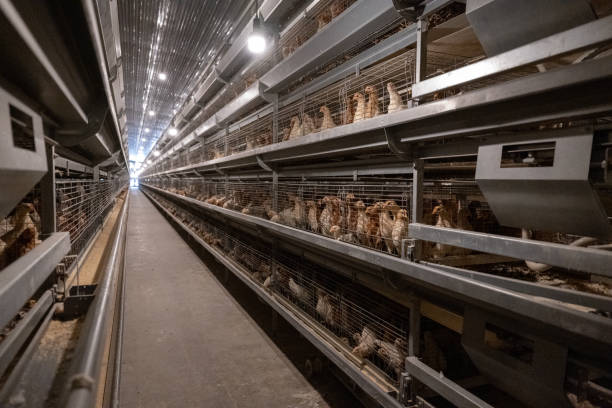
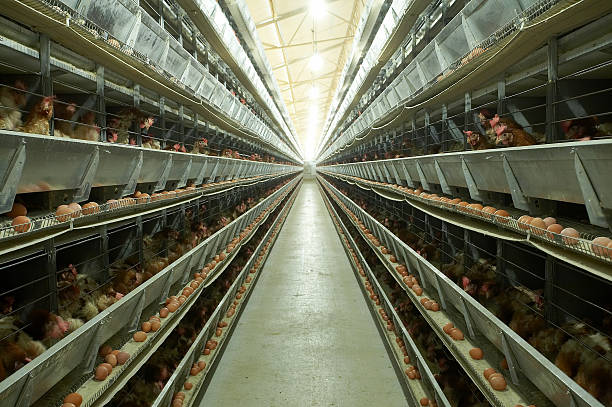
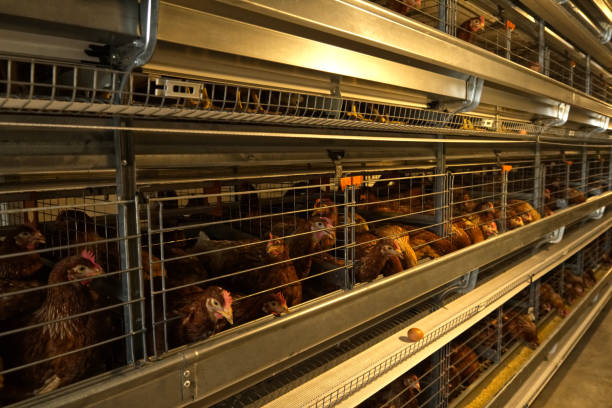
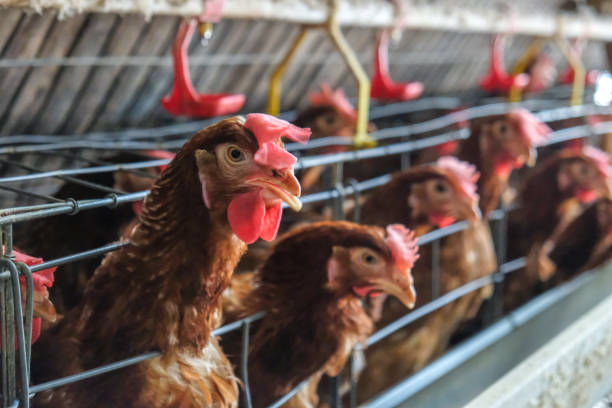
Before diving into the price dynamics, it’s important to understand what a layer chicken cage actually is. These are specially designed housing systems that provide a controlled environment for layer hens to maximize egg production. They are typically made of galvanized steel wire mesh and come in various configurations, accommodating different numbers of birds.
Types of Layer Chicken Cages
There are primarily two types of layer chicken cages:
A-frame cages: These have a simple, sloping design resembling the letter “A.” They are cost-effective and suitable for small to medium-sized farms.
H-frame cages: These are more sophisticated, with cages stacked vertically in an “H” shape. They maximize space utilization and are ideal for larger commercial operations.
Factors Influencing Layer Chicken Cage Price in Kenya
Several factors play a role in determining the price of layer chicken cages in Kenya. Understanding these factors will help you make informed decisions when purchasing.
Material Quality and Durability
The quality of the materials used in constructing the cages is a major price determinant. High-quality galvanized steel is essential for durability and resistance to corrosion. Cages made from inferior materials may be cheaper initially but are likely to require frequent repairs or replacements, ultimately costing you more in the long run.
Galvanization: The thickness and quality of the galvanization layer are crucial. Hot-dip galvanization offers better protection against rust compared to electro-galvanization.
Wire Gauge: Thicker wire gauges provide greater strength and longevity, but they also increase the cost.
Cage Capacity and Size
The capacity of the cage, or the number of birds it can hold, directly affects the price. Larger cages that accommodate more chickens tend to be more expensive. The size and dimensions of the cage also play a role, as they determine the amount of material required for construction.
Per-Bird Cost: It’s useful to calculate the cost per bird to compare different cage options. This helps you determine the most cost-effective solution based on your flock size.
Automation Level
The level of automation in the cage system significantly impacts the price. Automated cages include features such as automatic feeding, drinking, egg collection, and manure removal systems. These features reduce labor costs and improve efficiency but come at a higher initial investment.
Manual Cages: These are the most basic and cheapest option, requiring manual feeding, watering, and egg collection.
Semi-Automated Cages: These may include some automated features, such as automatic drinking systems, while others remain manual.
Fully Automated Cages: These offer complete automation, minimizing labor requirements and maximizing efficiency.
Supplier and Brand
The supplier or brand of the layer chicken cage also affects the price. Established brands with a reputation for quality and reliability tend to charge more. However, they also offer better warranties and after-sales support, which can be valuable in the long term.
Local vs. International Suppliers: Local suppliers may offer competitive prices and faster delivery times, while international suppliers may provide a wider range of options and advanced technology.
Reputation and Reviews: Researching the supplier’s reputation and reading customer reviews can help you assess the quality and reliability of their products and services.
Transportation and Installation Costs
The cost of transporting the cages to your farm and installing them can add to the overall expense. Transportation costs depend on the distance from the supplier’s location and the size of the order. Installation costs vary depending on the complexity of the cage system and whether you hire professional installers or do it yourself.
Negotiate Transportation: Try to negotiate transportation costs with the supplier, especially for large orders.
DIY Installation: If you have the skills and resources, you can save money by installing the cages yourself. However, ensure you follow the manufacturer’s instructions carefully to avoid any issues.
Customization and Special Features
Customizing the cages to meet your specific needs can also affect the price. Special features such as adjustable height, improved ventilation, or specialized feeding systems may increase the cost.
Assess Your Needs: Carefully assess your farm’s specific requirements before opting for customized features. Only choose features that will significantly improve your operations and justify the additional cost.
Market Demand and Economic Conditions
The price of layer chicken cages can also be influenced by market demand and economic conditions. High demand, inflation, and currency fluctuations can lead to price increases.
Monitor Market Trends: Stay informed about market trends and economic conditions to anticipate potential price changes.
Purchase During Off-Peak Seasons: Prices may be lower during off-peak seasons when demand is lower.
Average Price Range of Layer Chicken Cages in Kenya
It’s difficult to provide an exact price for layer chicken cages in Kenya due to the variability of the factors discussed above. However, here is a general price range to give you an idea:
A-frame cages (manual): KES 500 to KES 1,500 per bird
A-frame cages (semi-automated): KES 1,500 to KES 3,000 per bird
H-frame cages (semi-automated): KES 2,500 to KES 4,000 per bird
H-frame cages (fully automated): KES 4,000 to KES 7,000+ per bird
Note: These prices are estimates and may vary depending on the supplier, material quality, and other factors.
How to Save Money on Layer Chicken Cages
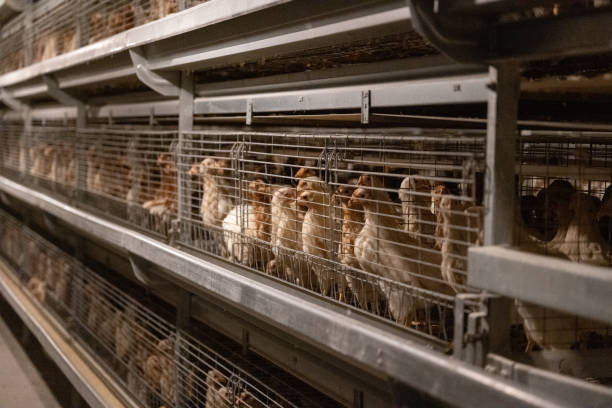
While the initial investment in layer chicken cages can be significant, there are several ways to save money without compromising the quality and efficiency of your poultry farm.
Compare Prices from Multiple Suppliers
One of the most effective ways to save money is to compare prices from multiple suppliers. Get quotes from at least three different suppliers and carefully evaluate their offerings. Consider not only the price but also the quality of materials, warranty, and after-sales support.
Online Marketplaces: Utilize online marketplaces and platforms to find different suppliers and compare prices easily.
Attend Trade Shows: Visit agricultural trade shows and exhibitions to meet suppliers, see their products firsthand, and negotiate prices.
Consider Used or Refurbished Cages
If you’re on a tight budget, consider purchasing used or refurbished layer chicken cages. These can be significantly cheaper than new cages. However, thoroughly inspect the cages before buying to ensure they are in good condition and meet your requirements.
Check for Rust and Damage: Look for signs of rust, corrosion, and structural damage.
Evaluate Functionality: Ensure that all components, such as doors, feeders, and drinkers, are in proper working order.
Opt for Less Automation Initially
While fully automated cages offer numerous benefits, they also come with a higher price tag. If you’re just starting out, consider opting for manual or semi-automated cages initially. You can always upgrade to a fully automated system later as your business grows and you have more capital.
Prioritize Automation: Identify the most critical automation features that will significantly improve your operations and focus on those first.
Phased Implementation: Implement automation in phases, starting with the most essential components and gradually adding more features over time.
Buy in Bulk
If you’re expanding your existing poultry farm or starting a large-scale operation, consider buying layer chicken cages in bulk. Suppliers often offer discounts for large orders.
Negotiate Volume Discounts: Don’t hesitate to negotiate a volume discount with the supplier.
Plan Ahead: Accurately estimate your cage requirements to take advantage of bulk purchasing opportunities.
Choose Durable Materials and Build Quality
Investing in high-quality, durable materials and build quality can save you money in the long run. While cheaper cages may seem attractive initially, they are likely to require frequent repairs or replacements, ultimately costing you more.
Prioritize Galvanization: Choose cages with thick, high-quality galvanization to protect against rust and corrosion.
Inspect Welding and Construction: Ensure that the cages are well-welded and constructed with sturdy materials.
Proper Maintenance and Care
Proper maintenance and care can prolong the lifespan of your layer chicken cages and prevent costly repairs. Regularly clean the cages, check for signs of damage, and promptly address any issues.
Regular Cleaning: Clean the cages regularly to remove manure, feed residue, and other debris.
Preventive Maintenance: Conduct regular inspections and perform preventive maintenance, such as tightening bolts and lubricating moving parts.
Explore Financing Options
If you don’t have enough capital to purchase layer chicken cages outright, explore financing options. Many banks and financial institutions offer loans and financing programs for poultry farmers.
Research Loan Options: Research different loan options and compare interest rates, repayment terms, and other fees.
Develop a Business Plan: Prepare a comprehensive business plan to demonstrate the viability of your poultry farming venture and increase your chances of securing a loan.
Consider Local Manufacturing
Supporting local manufacturers can sometimes be more cost-effective. Local companies often have lower overhead costs and can offer competitive prices. Additionally, they may provide better after-sales support and faster delivery times.
Research Local Manufacturers: Identify reputable layer chicken cage manufacturers in your area.
Visit Manufacturing Facilities: Visit their manufacturing facilities to assess the quality of their products and discuss your specific needs.
Making the Right Choice for Your Poultry Farm

Choosing the right layer chicken cages is a critical decision that can significantly impact the success of your poultry farming venture. By understanding the factors that influence cage prices and implementing strategies to save money, you can make informed decisions that optimize your investment and maximize your profits. Remember to prioritize quality, durability, and efficiency to ensure the long-term success of your poultry farm. Ultimately, the best cage is the one that meets your specific needs, fits your budget, and contributes to the overall productivity and profitability of your operation.