Cost-Effective Broiler Battery Cages: Sourcing in the Philippines
Cost-Effective Broiler Battery Cages: Sourcing in the Philippines
The Philippines, with its burgeoning poultry industry, presents a compelling market for broiler farming. As Filipino poultry farmers seek to maximize efficiency and profitability, the demand for cost-effective yet reliable broiler battery cages is on the rise. This article navigates the landscape of sourcing broiler battery cages in the Philippines, exploring key factors, practical considerations, and actionable strategies for achieving the best value for your investment.
Understanding Broiler Battery Cages and Their Benefits
Before diving into sourcing strategies, let’s establish a clear understanding of what broiler battery cages are and the advantages they offer to poultry farmers.
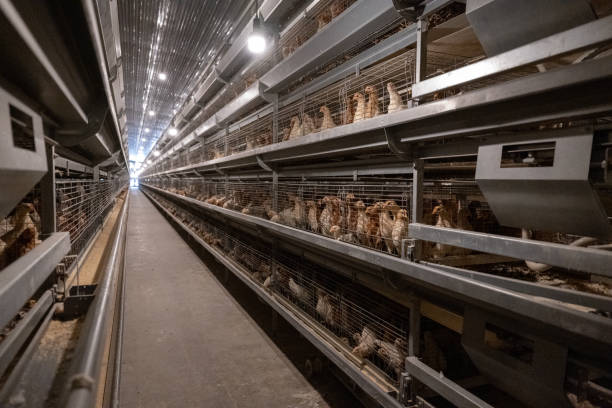
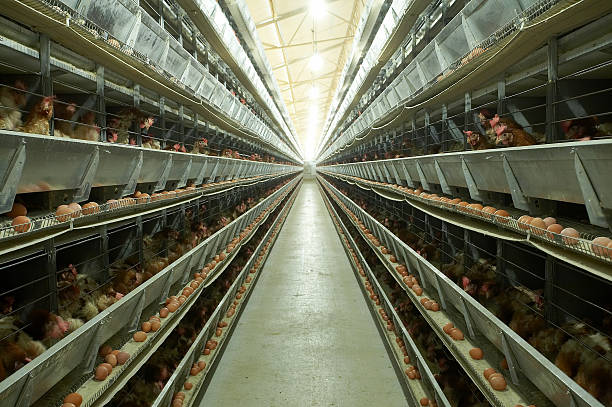
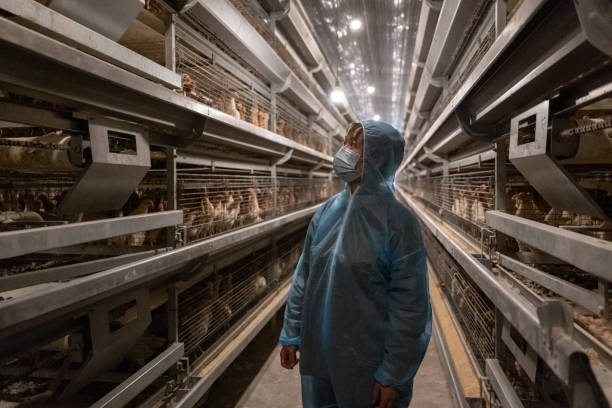
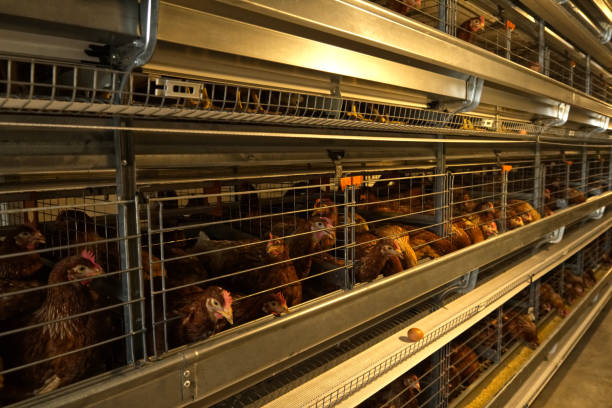
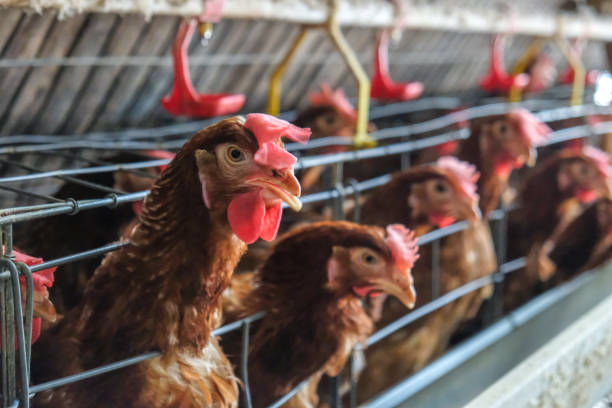
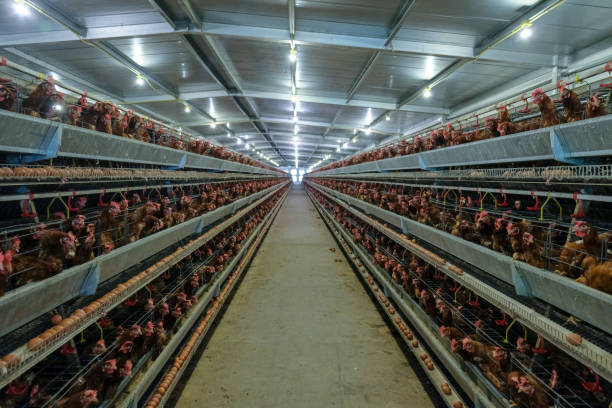
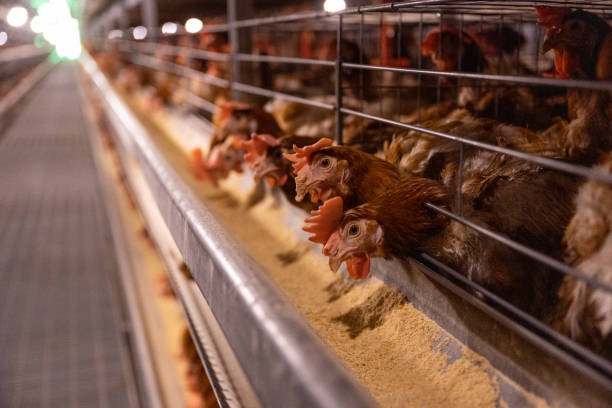
Broiler battery cages are housing systems designed to raise broiler chickens (meat chickens) in a controlled environment. They consist of multiple tiers of individual cages, typically made of wire mesh, which hold a specific number of birds. These cages are designed to optimize space utilization, improve hygiene, and streamline management practices.
Increased Stocking Density: Broiler battery cages enable farmers to house a significantly larger number of birds in a given area compared to traditional floor rearing methods. This increased stocking density directly translates to higher production yields per unit of land.
Improved Hygiene and Disease Control: The wire mesh floors of broiler cages allow droppings to fall through, preventing the birds from coming into direct contact with their waste. This reduces the risk of disease outbreaks and the spread of parasites, leading to healthier birds and lower mortality rates.
Enhanced Feed Conversion Ratio: Broiler battery cages minimize feed wastage as the birds have limited movement and cannot scatter feed. This improved feed conversion ratio means that each bird gains more weight per unit of feed consumed, resulting in significant cost savings.
Simplified Management and Labor Efficiency: Broiler cages facilitate easier monitoring of individual birds, allowing farmers to quickly identify and address any health issues. Automated feeding and watering systems further reduce labor requirements, streamlining farm operations.
Better Meat Quality: By limiting movement and reducing stress, broiler battery cages contribute to improved meat quality. The birds tend to develop more tender and uniform muscle tissue, enhancing the market value of the final product.
Navigating the Philippine Market for Broiler Battery Cages
The Philippine market for broiler battery cages is diverse, with a range of suppliers offering various types and qualities of cages. To make an informed decision, it’s crucial to understand the key players and factors that influence pricing and availability.
Local Manufacturers: The Philippines has several local manufacturers of broiler battery cages. These manufacturers often offer customized solutions to meet the specific needs of Filipino farmers. Sourcing from local manufacturers can offer advantages in terms of lead times, after-sales service, and potential for direct communication and collaboration.
Importers and Distributors: A significant portion of broiler battery cages in the Philippines are imported from other countries, particularly China. Importers and distributors play a vital role in bridging the gap between international manufacturers and Filipino farmers. They typically offer a wider range of cage designs and materials, but prices may be affected by import duties and shipping costs.
Online Marketplaces: Online marketplaces such as Alibaba, Shopee, and Lazada have emerged as popular platforms for sourcing broiler battery cages in the Philippines. These platforms offer the advantage of comparing prices from multiple suppliers and accessing a vast selection of products. However, it’s important to exercise caution and conduct thorough due diligence before making a purchase from an online vendor.
Key Factors to Consider When Choosing Broiler Battery Cages
Selecting the right broiler battery cages requires careful consideration of several factors to ensure optimal performance, durability, and animal welfare.
Cage Material: The material used in the construction of broiler cages significantly impacts their longevity and resistance to corrosion. Galvanized steel is a popular choice due to its durability and affordability. However, stainless steel offers superior corrosion resistance and is ideal for environments with high humidity or exposure to corrosive substances.
Cage Dimensions and Capacity: The dimensions of the cages should be appropriate for the breed and size of broilers being raised. Overcrowding can lead to stress, reduced growth rates, and increased disease susceptibility. Ensure that the cages provide adequate space for the birds to move comfortably and access feed and water.
Ventilation and Climate Control: Proper ventilation is essential for maintaining air quality and controlling temperature and humidity within the broiler house. The cage design should allow for adequate airflow to prevent the buildup of ammonia and other harmful gases.
Feeding and Watering Systems: Automated feeding and watering systems can significantly reduce labor requirements and improve feed conversion efficiency. Choose systems that are reliable, easy to maintain, and designed to minimize feed and water wastage.
Waste Management System: An efficient waste management system is crucial for maintaining hygiene and preventing the spread of disease. Consider cages with sloped floors and automated manure removal systems to simplify cleanup and reduce labor costs.
Durability and Lifespan: Invest in cages that are built to withstand the rigors of daily use and have a long lifespan. Look for cages made from high-quality materials with robust construction and corrosion-resistant coatings.
Animal Welfare Considerations: While broiler battery cages are designed to optimize production efficiency, it’s important to prioritize animal welfare. Ensure that the cages provide adequate space, ventilation, and access to feed and water, minimizing stress and promoting healthy growth.
Strategies for Sourcing Cost-Effective Broiler Battery Cages
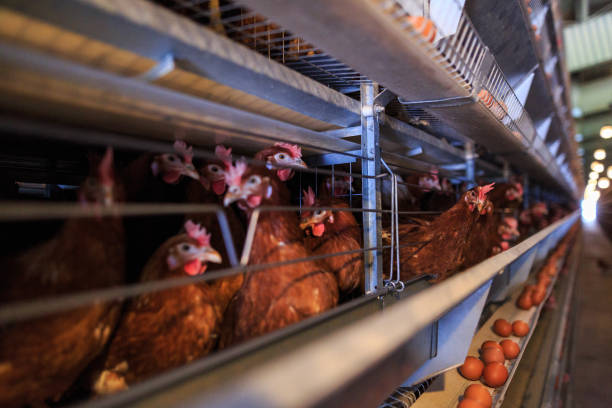
Finding cost-effective broiler battery cages in the Philippines requires a strategic approach that balances price, quality, and reliability. Here are some actionable strategies to help you achieve the best value for your investment:
Conduct Thorough Research: Before contacting suppliers, research different cage designs, materials, and features to determine the best options for your specific needs. Consider the size of your operation, the breed of broilers you are raising, and your budget constraints.
Obtain Multiple Quotes: Contact several suppliers and request detailed quotes that include the cost of the cages, delivery charges, installation fees, and any applicable taxes. Compare the quotes carefully and consider the overall value proposition offered by each supplier.
Negotiate Prices: Don’t be afraid to negotiate prices with suppliers. Many suppliers are willing to offer discounts, especially for bulk orders. Leverage your research and knowledge of the market to secure the best possible deal.
Consider Used or Refurbished Cages: If you are on a tight budget, consider purchasing used or refurbished broiler battery cages. These cages can be a cost-effective alternative to new cages, provided they are in good condition and have been properly maintained.
Visit Supplier Factories or Showrooms: If possible, visit the factories or showrooms of potential suppliers to inspect the cages firsthand. This will allow you to assess the quality of the materials and workmanship and ensure that the cages meet your requirements.
Check References and Reviews: Ask suppliers for references from other farmers who have purchased their cages. Contact these references to inquire about their experience with the supplier and the performance of the cages. Also, check online reviews and ratings to get a sense of the supplier’s reputation.
Consider Importing Directly: If you are purchasing a large quantity of cages, consider importing them directly from manufacturers in other countries. This can potentially save you money on import duties and distributor markups. However, be aware of the complexities and risks associated with international trade, such as customs clearance, shipping logistics, and quality control.
Build Relationships with Suppliers: Establish long-term relationships with reliable suppliers. This can lead to preferential pricing, better service, and access to new products and technologies.
Factor in Long-Term Costs: When evaluating the cost-effectiveness of broiler battery cages, consider not only the initial purchase price but also the long-term operating costs, such as maintenance, repairs, and replacement parts. Choose cages that are durable, easy to maintain, and have readily available spare parts to minimize downtime and reduce long-term costs.
Common Mistakes to Avoid When Sourcing Broiler Battery Cages
Avoid these common pitfalls when sourcing broiler battery cages in the Philippines to ensure a successful investment:
Focusing Solely on Price: While price is an important consideration, it should not be the only factor in your decision. Choosing the cheapest cages may result in lower quality, reduced durability, and higher maintenance costs in the long run.
Neglecting Animal Welfare: Prioritizing cost savings over animal welfare can lead to stressed birds, reduced growth rates, and increased disease susceptibility. Choose cages that provide adequate space, ventilation, and access to feed and water to ensure the well-being of your broilers.
Failing to Conduct Due Diligence: Rushing into a purchase without conducting thorough research and due diligence can lead to costly mistakes. Take the time to research different suppliers, compare quotes, and check references before making a decision.
Ignoring After-Sales Service: Choose a supplier that offers reliable after-sales service, including installation assistance, maintenance support, and readily available spare parts. This will ensure that you can quickly resolve any issues that may arise and minimize downtime.
Overlooking Hidden Costs: Be aware of hidden costs, such as delivery charges, installation fees, and taxes. Make sure that all of these costs are clearly outlined in the supplier’s quote before making a purchase.
By adopting a strategic approach, considering the key factors outlined in this article, and avoiding common mistakes, Filipino poultry farmers can successfully source cost-effective broiler battery cages that optimize production efficiency, enhance animal welfare, and contribute to the profitability of their operations. Remember that investing in quality cages is an investment in the long-term success of your poultry farm.