Optimizing Your Chicken Farm in Pakistan: Essential Equipment Choices
Optimizing Your Chicken Farm in Pakistan: Essential Equipment Choices
Pakistan’s poultry industry is a significant contributor to the nation’s economy, providing a crucial source of protein for its growing population. However, maximizing productivity and profitability requires careful planning and the implementation of efficient farming practices. A critical aspect of this involves selecting the right equipment. In this comprehensive guide, we will delve into the essential equipment choices for optimizing your chicken farm in Pakistan, covering everything from housing to feeding and beyond.
Understanding the Pakistani Poultry Landscape
Before diving into specific equipment, it’s crucial to understand the unique challenges and opportunities present in the Pakistani poultry sector. Factors like climate, disease prevalence, and access to resources all play a significant role in determining the success of your farm.
Climate Considerations: Pakistan experiences diverse weather conditions, ranging from scorching summers to cold winters. Your equipment choices need to be adaptable to these extremes to ensure the well-being of your birds.
Disease Management: Poultry diseases are a constant threat in Pakistan. Investing in biosecurity measures and equipment that facilitates hygiene is paramount.
Resource Availability: Access to water, electricity, and quality feed can vary across different regions. Consider these limitations when selecting your equipment.
Essential Equipment for Your Chicken Farm
Now, let’s explore the specific equipment that can significantly enhance the efficiency and profitability of your chicken farm in Pakistan:
Poultry Housing Systems
Choosing the right housing system is the foundation of a successful chicken farm. There are two primary options:
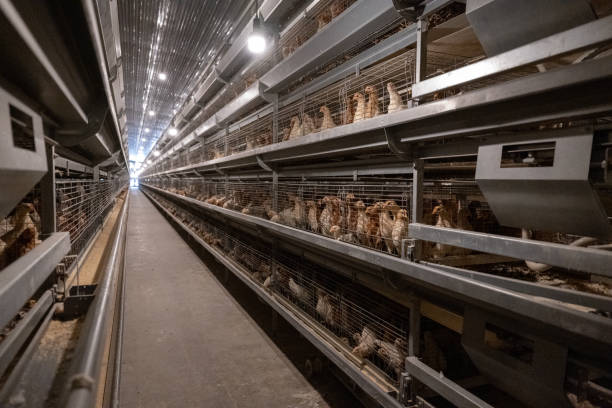
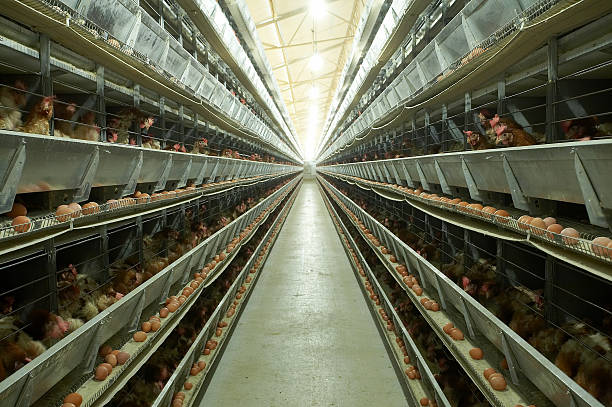
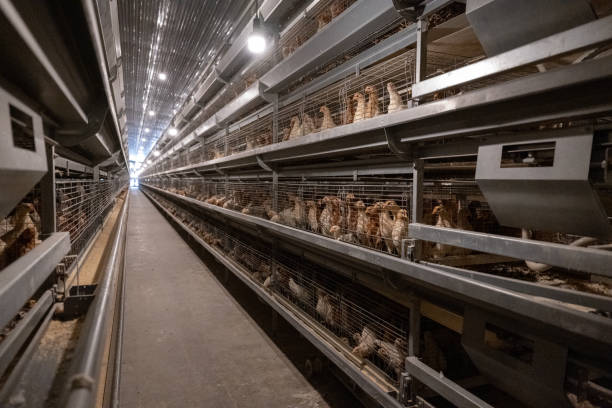
Cage Systems:
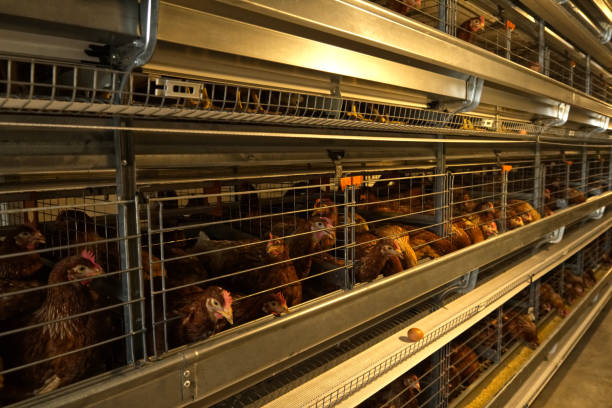
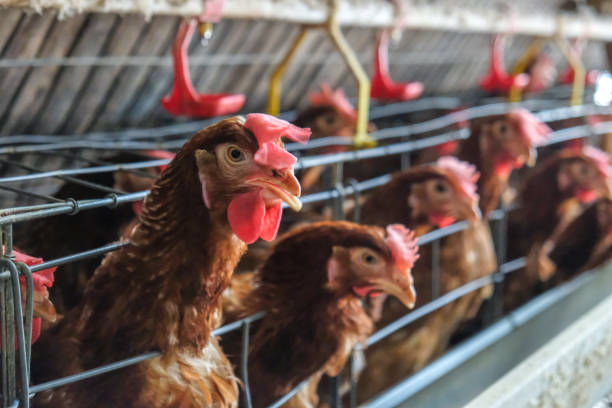
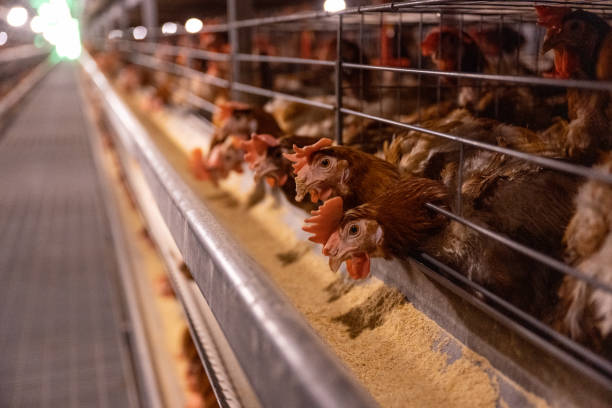
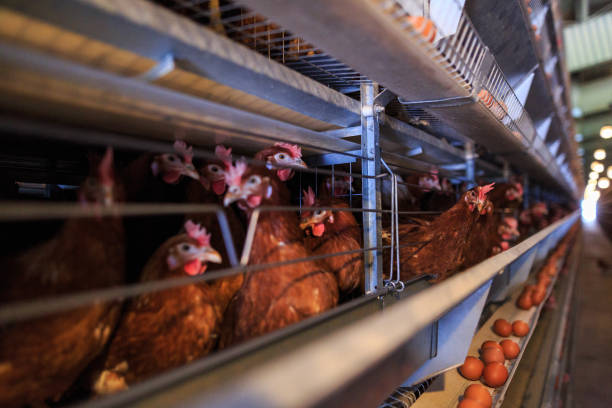
Layer Cages: For egg-laying operations, layer cages are a popular choice. These cages house multiple hens, providing separate compartments for feeding, drinking, and egg collection.
Broiler Cages: Broiler cages are designed for meat production. They offer efficient space utilization and facilitate easy access for feeding and cleaning.
Advantages of Cage Systems:
Improved space utilization
Better hygiene and disease control
Easier egg collection (for layer farms)
Reduced feed wastage
Disadvantages of Cage Systems:
Higher initial investment
Potential welfare concerns if not managed properly
Floor Systems (Deep Litter System):
In floor systems, chickens roam freely within a designated area covered with litter material like wood shavings, rice husks, or straw.
Advantages of Floor Systems:
Lower initial investment
More natural environment for chickens
Potential for better bird welfare
Disadvantages of Floor Systems:
Higher risk of disease outbreaks
More labor-intensive cleaning
Less efficient space utilization
Increased feed wastage
Considerations for Choosing a Housing System:
Farm Size: Cage systems are more suitable for larger farms where maximizing space is crucial.
Budget: Floor systems generally have lower initial costs.
Labor Availability: Cage systems require less manual labor for cleaning and egg collection.
Welfare Concerns: If animal welfare is a top priority, a well-managed floor system might be preferable.
Feeding Systems
Efficient feeding is critical for optimal growth and egg production. Consider these options:
Manual Feeding:
Involves distributing feed manually using troughs or feeders.
Advantages:
Low initial cost
Suitable for small-scale farms
Disadvantages:
Labor-intensive
Uneven feed distribution
Higher feed wastage
Automatic Feeding Systems:
These systems use automated feeders to distribute feed uniformly throughout the poultry house.
Types of Automatic Feeding Systems:
Chain Feeding Systems: A chain conveyor moves feed along a trough, providing consistent access for all birds.
Auger Feeding Systems: An auger (screw conveyor) transports feed from a storage bin to the feeders.
Pan Feeding Systems: Individual pans are filled with feed at regular intervals.
Advantages of Automatic Feeding Systems:
Reduced labor costs
Uniform feed distribution
Minimized feed wastage
Improved feed conversion ratio
Disadvantages of Automatic Feeding Systems:
Higher initial investment
Requires maintenance and repairs
Factors to Consider When Choosing a Feeding System:
Farm Size: Automatic feeding systems are cost-effective for larger farms.
Budget: Manual feeding is more affordable for small-scale operations.
Labor Availability: Automatic systems reduce the need for manual labor.
Feed Type: Some systems are better suited for specific feed types (e.g., mash, pellets).
Drinking Systems
Providing clean and accessible water is essential for poultry health and productivity.
Manual Watering:
Involves filling water troughs or containers manually.
Advantages:
Low initial cost
Suitable for small-scale farms
Disadvantages:
Labor-intensive
Risk of water contamination
Uneven water distribution
Automatic Drinking Systems:
These systems provide a continuous supply of fresh water to the birds.
Types of Automatic Drinking Systems:
Nipple Drinking Systems: Chickens access water by pecking at nipples, minimizing spillage and contamination.
Bell Drinking Systems: Water is dispensed into a bell-shaped drinker, providing a larger surface area for drinking.
Cup Drinking Systems: Individual cups are filled with water, offering a clean and hygienic drinking option.
Advantages of Automatic Drinking Systems:
Reduced labor costs
Clean and hygienic water supply
Uniform water distribution
Minimized water wastage
Disadvantages of Automatic Drinking Systems:
Higher initial investment
Requires maintenance and repairs
Considerations for Choosing a Drinking System:
Farm Size: Automatic systems are more efficient for larger farms.
Water Quality: Choose a system that is easy to clean and maintain to prevent contamination.
Bird Age: Nipple drinkers are suitable for chickens of all ages, while bell drinkers are more appropriate for older birds.
Budget: Manual watering is a more affordable option for small-scale operations.
Ventilation and Cooling Systems
Maintaining optimal temperature and air quality is crucial for poultry health and productivity, especially in Pakistan’s hot climate.
Natural Ventilation:
Relies on natural air currents to circulate air within the poultry house.
Advantages:
Low cost
Suitable for open-sided houses
Disadvantages:
Limited control over temperature and humidity
Ineffective in extreme weather conditions
Forced Ventilation Systems:
Use fans to circulate air and remove excess heat, moisture, and ammonia.
Types of Forced Ventilation Systems:
Exhaust Fans: Remove air from the poultry house, creating negative pressure.
Circulation Fans: Circulate air within the house, improving air quality.
Tunnel Ventilation: Fans are placed at one end of the house, creating a tunnel of air that flows the length of the building.
Cooling Systems
Evaporative Cooling Pads: Water is passed through pads, and as air flows through them, it cools down through evaporation.
Fogging Systems: Fine mist of water is sprayed into the air, cooling the environment through evaporation.
Advantages of Forced Ventilation and Cooling Systems:
Improved temperature and humidity control
Better air quality
Reduced heat stress
Increased productivity
Disadvantages of Forced Ventilation and Cooling Systems:
Higher initial investment
Requires electricity
Needs regular maintenance
Factors to Consider When Choosing Ventilation and Cooling Systems:
Climate: Hot and humid climates require more advanced cooling systems.
Poultry House Design: The design of your house will influence the type of ventilation system you need.
Budget: Natural ventilation is the most affordable option, but it may not be sufficient in all cases.
Energy Costs: Choose energy-efficient options to minimize operating costs.
Manure Management Systems
Proper manure management is essential for maintaining hygiene and preventing environmental pollution.
Manual Manure Removal:
Involves manually collecting and removing manure from the poultry house.
Advantages:
Low initial cost
Suitable for small-scale farms
Disadvantages:
Labor-intensive
Can expose workers to harmful bacteria and odors
Automatic Manure Removal Systems:
These systems use automated scrapers or belts to remove manure from the poultry house.
Types of Automatic Manure Removal Systems:
Scraper Systems: Scrapers move along the floor, pushing manure into a collection pit or conveyor.
Belt Systems: Manure falls onto a conveyor belt, which transports it out of the poultry house.
Advantages of Automatic Manure Removal Systems:
Reduced labor costs
Improved hygiene
Reduced odor and ammonia emissions
Disadvantages of Automatic Manure Removal Systems:
Higher initial investment
Requires maintenance and repairs
Considerations for Choosing a Manure Management System:
Farm Size: Automatic systems are more cost-effective for larger farms.
Environmental Regulations: Ensure your system complies with local environmental regulations regarding manure disposal.
Budget: Manual removal is more affordable for small-scale operations.
Labor Availability: Automatic systems reduce the need for manual labor.
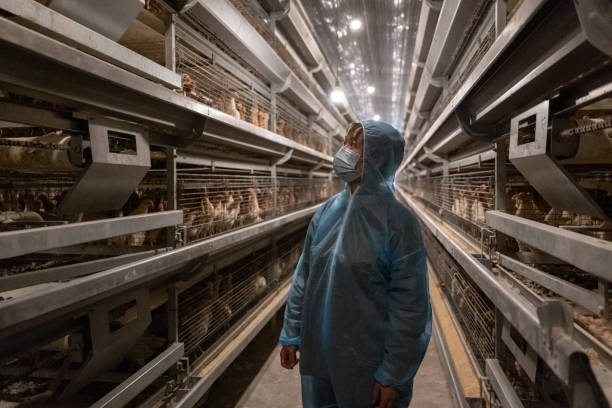
Biosecurity Equipment
Protecting your flock from disease is paramount. Invest in equipment that supports biosecurity measures:
Foot Baths: Placed at the entrance of poultry houses to disinfect footwear.
Hand Sanitizers: Provide readily available hand sanitization for workers.
Protective Clothing: Provide dedicated clothing (boots, overalls, masks) for farm workers to prevent disease transmission.
Disinfection Equipment: Sprayers and foggers for disinfecting poultry houses and equipment.
Egg Collection Equipment (for Layer Farms)
Manual Egg Collection: Gathering eggs by hand. Labor intensive.
Automatic Egg Collection Systems: Conveyor belts transport eggs to a central collection point, reducing labor and minimizing egg breakage.
Choosing the Right Supplier
Once you’ve identified the equipment you need, it is critically important to select a reliable supplier. Look for suppliers that offer:
High-Quality Products: Durable and reliable equipment that will withstand the rigors of daily use. Livi Machinery promises to supply durable equipment.
Competitive Prices: Get quotes from multiple suppliers to ensure you’re getting the best value for your money.
Excellent Customer Service: Choose a supplier that provides technical support, installation assistance, and after-sales service. Livi Machinery provides complete service.
Local Presence: A supplier with a local presence in Pakistan can provide faster service and support.
Conclusion
Optimizing your chicken farm in Pakistan requires a strategic approach to equipment selection. By carefully considering your farm size, budget, and specific needs, you can choose the right equipment to enhance efficiency, improve productivity, and maximize profitability. Investing in high-quality equipment from a reputable supplier is a crucial step towards building a successful and sustainable poultry operation in Pakistan. Remember to prioritize biosecurity, animal welfare, and environmental responsibility throughout your equipment choices and farming practices.