Chicken Farming Equipment in Pakistan: A Guide for Success
Chicken Farming Equipment in Pakistan: A Guide for Success
Pakistan’s poultry industry is a significant contributor to the nation’s economy, providing a vital source of protein for its growing population. As demand continues to rise, efficient and modern chicken farming practices become increasingly crucial. This comprehensive guide explores the essential chicken farming equipment required for success in Pakistan, covering everything from housing and feeding systems to climate control and waste management. Whether you’re starting a new poultry farm or looking to upgrade your existing operation, understanding the right equipment is paramount.
Housing Systems: The Foundation of Chicken Farming
The type of housing system you choose is a fundamental decision that will impact your entire operation. In Pakistan, both traditional and modern systems are prevalent, each with its own advantages and disadvantages.
Traditional Open-Sided Housing: This is the simplest and most common type of housing, particularly for smaller-scale farmers. Open-sided houses typically have a roof for shelter but rely on natural ventilation. They are cost-effective to build initially, but can be challenging to manage in terms of temperature control and biosecurity. In Pakistan’s hot summers and chilly winters, maintaining a consistent environment for your chickens can be difficult with this system.
Environmentally Controlled Housing: Modern poultry farms are increasingly adopting environmentally controlled housing systems. These enclosed structures use ventilation fans, cooling pads (or even air conditioning in some cases), and heating systems to maintain a consistent temperature and humidity level. While the initial investment is higher, environmentally controlled housing offers significant benefits, including improved feed conversion rates, reduced disease incidence, and higher overall productivity. This is becoming increasingly important as consumers demand higher quality and more consistent poultry products.
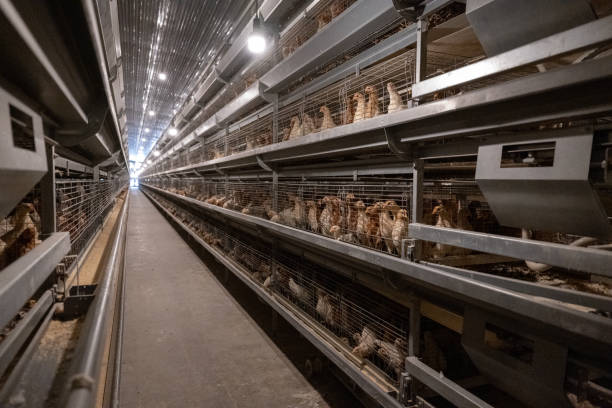
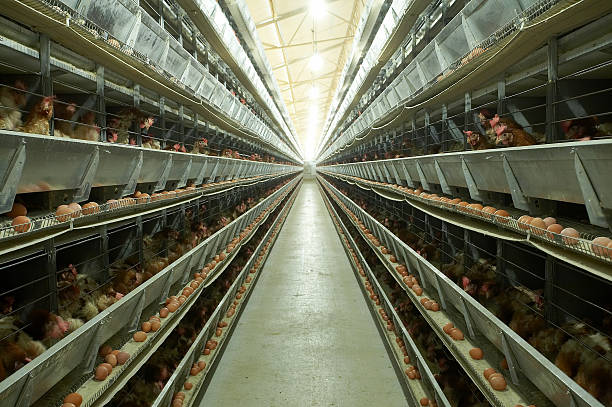
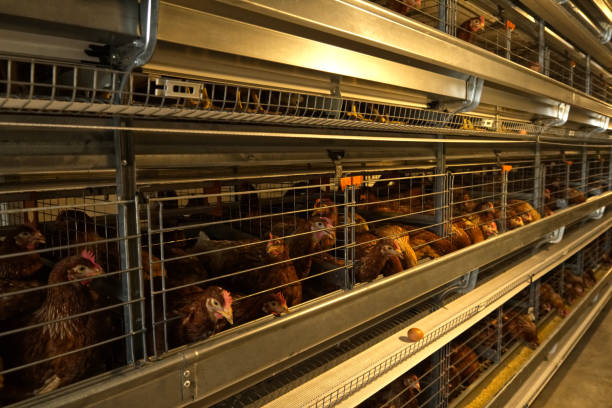
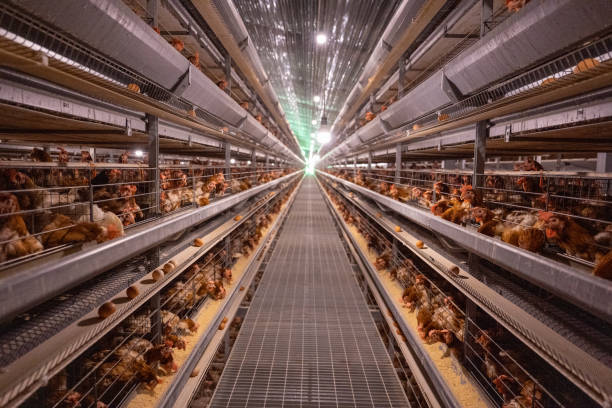
Cage Systems: Another modern approach is the use of cage systems, especially for layer hens (egg-laying chickens). Cages can be arranged in tiers to maximize space utilization within the poultry house. There are various types of cage systems available, including:
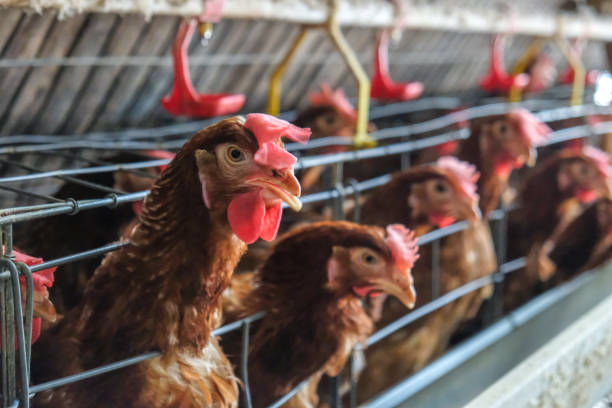
Battery Cages: These are individual cages arranged in rows and tiers. They offer excellent control over individual bird management, making it easier to monitor feed consumption, egg production, and health. However, battery cages have faced criticism from animal welfare advocates due to concerns about restricted movement.
Enriched Cages: Enriched cages are designed to address animal welfare concerns by providing more space per bird and including features like perches, nesting areas, and scratching pads. These cages offer a compromise between the efficiency of battery cages and the welfare benefits of free-range systems.
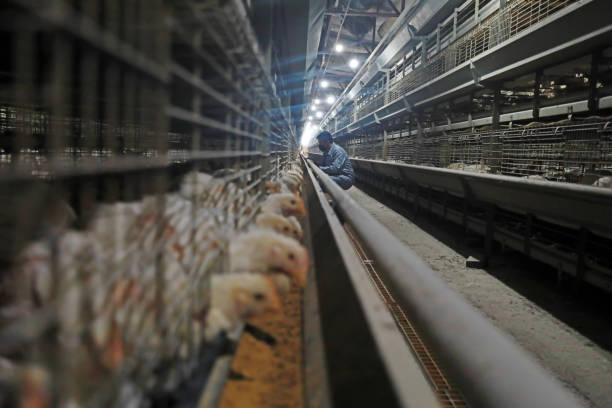
Floor Systems (Cage-Free): While not strictly a cage system, floor systems provide an alternative where birds roam freely within a designated area. This system requires careful management of litter, ventilation, and biosecurity to prevent disease outbreaks.
Essential Equipment for Chicken Housing
Regardless of the type of housing you choose, certain equipment is essential for creating a comfortable and productive environment for your chickens.
Feeders: Proper feeding is critical for optimal growth and egg production. Different types of feeders are available, including:
Linear Feeders: These are long troughs that run along the length of the house. They are suitable for both chicks and adult birds and are relatively easy to clean.
Circular Feeders: These hanging feeders distribute feed evenly around their circumference. They are effective in reducing feed wastage and ensuring that all birds have access to food.
Automatic Feeders: Automatic feeding systems use a motorized auger or chain to deliver feed to the feeders at predetermined intervals. They save labor and ensure consistent feed availability, contributing to better growth rates and egg production.
Drinkers: Access to clean and fresh water is just as important as access to feed. Common types of drinkers include:
Nipple Drinkers: Nipple drinkers release water only when pecked by the bird, minimizing water wastage and preventing litter from getting wet. They are hygienic and easy to maintain.
Bell Drinkers: Bell drinkers consist of a reservoir that fills a shallow drinking trough. They are simple and relatively inexpensive but can be prone to contamination.
Cup Drinkers: Cup drinkers are similar to nipple drinkers but use a small cup to collect the water. They are a good option for chicks and young birds.
Ventilation Systems: Proper ventilation is essential for removing excess heat, moisture, and ammonia from the poultry house. It also helps to maintain a comfortable temperature and prevent the buildup of harmful gases.
Exhaust Fans: These fans remove stale air from the house and draw in fresh air. The size and number of fans required will depend on the size of the house and the climate.
Inlet Vents: Inlet vents allow fresh air to enter the house. They should be strategically placed to ensure even air distribution.
Cooling Pads: In hot climates, cooling pads can be installed in conjunction with exhaust fans to cool the incoming air. Water is trickled down the pads, and as the air passes through, it is cooled by evaporation.
Heating Systems: In colder regions of Pakistan, heating systems may be necessary to maintain a comfortable temperature for chicks and young birds.
Gas Brooders: Gas brooders provide radiant heat that warms the chicks directly. They are efficient and relatively inexpensive to operate.
Infrared Lamps: Infrared lamps provide localized heat and are often used for brooding small groups of chicks.
Forced Air Heaters: Forced air heaters heat the air and distribute it throughout the house using fans. They are suitable for larger poultry houses.
Lighting Systems: Proper lighting is essential for stimulating growth and egg production.
Incandescent Bulbs: Traditional incandescent bulbs are inexpensive but inefficient.
Fluorescent Bulbs: Fluorescent bulbs are more energy-efficient than incandescent bulbs.
LED Lights: LED lights are the most energy-efficient option and have a long lifespan. They are becoming increasingly popular in modern poultry farms.
Waste Management Equipment: Maintaining Hygiene and Sustainability
Effective waste management is crucial for maintaining hygiene, preventing disease outbreaks, and minimizing environmental impact.
Manure Removal Systems:
Manual Removal: In smaller operations, manure may be removed manually using shovels and wheelbarrows. This is labor-intensive but may be the only option for farmers with limited resources.
Automatic Scrapers: Automatic scrapers move along the floor of the house, collecting manure and depositing it into a collection pit. They are more efficient than manual removal and reduce labor costs.
Belt Systems: Belt systems use a conveyor belt to remove manure from under the cages. They are commonly used in cage systems and offer excellent hygiene.
Composting Equipment: Composting is a sustainable way to convert poultry manure into a valuable fertilizer.
Compost Turners: Compost turners aerate the compost pile, speeding up the decomposition process.
Moisture Meters: Moisture meters are used to monitor the moisture content of the compost pile. Proper moisture levels are essential for effective composting.
Biogas Digesters: Biogas digesters convert poultry manure into biogas, a renewable energy source. This technology can help farmers reduce their energy costs and environmental impact.
Other Essential Equipment
In addition to the equipment mentioned above, several other items are essential for successful chicken farming.
Incubators and Hatchers: For farmers who want to breed their own chicks, incubators and hatchers are necessary.
Incubators: Incubators maintain a constant temperature and humidity level to allow fertilized eggs to develop.
Hatchers: Hatchers provide a slightly different environment that promotes hatching.
Egg Collection Equipment: For layer farms, efficient egg collection is crucial.
Manual Collection: Eggs can be collected manually by hand. This is labor-intensive but may be the only option for smaller farms.
Automatic Egg Collection Systems: Automatic egg collection systems use conveyor belts to transport eggs from the cages to a central collection point. They save labor and reduce egg breakage.
Grading and Packing Equipment: Eggs are graded according to size and quality before being packed for sale.
Egg Candlers: Egg candlers use a bright light to identify eggs with cracks or other defects.
Egg Grading Machines: Egg grading machines automatically sort eggs according to size.
Biosecurity Equipment: Maintaining biosecurity is essential for preventing disease outbreaks.
Foot Baths: Foot baths contain a disinfectant solution that kills pathogens on shoes and boots.
Hand Sanitizers: Hand sanitizers are used to disinfect hands after handling chickens or equipment.
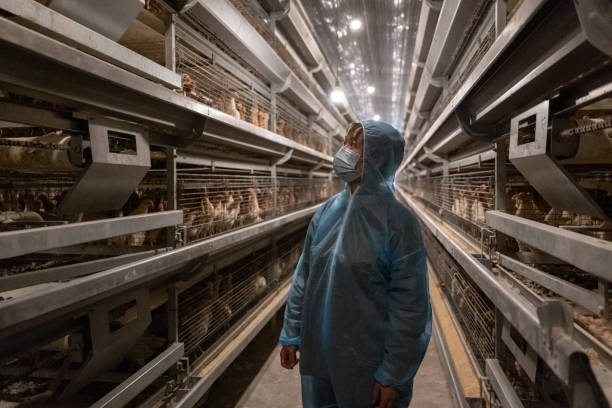
Protective Clothing: Protective clothing, such as overalls, boots, and gloves, should be worn when working in the poultry house to prevent the spread of diseases.
Sourcing Chicken Farming Equipment in Pakistan
Several options are available for sourcing chicken farming equipment in Pakistan.
Local Manufacturers: Numerous local manufacturers produce chicken farming equipment. Sourcing from local manufacturers can be more cost-effective and provide easier access to spare parts and service.
Imported Equipment: High-quality equipment can also be imported from other countries, such as China, Europe, and the United States. Imported equipment may offer advanced features and technology but can be more expensive.
Online Marketplaces: Online marketplaces, such as Alibaba and industry-specific websites, offer a wide range of chicken farming equipment from various suppliers.
Key Considerations When Choosing Equipment
When selecting chicken farming equipment, it is essential to consider the following factors:
Budget: Determine your budget and choose equipment that provides the best value for your money.
Farm Size: Select equipment that is appropriate for the size of your farm.
Climate: Choose equipment that is suitable for the climate in your region of Pakistan.
Bird Type: Select equipment that is designed for the type of chicken you are raising (broilers or layers).
Ease of Use and Maintenance: Choose equipment that is easy to operate and maintain.
Durability: Select equipment that is durable and will last for many years.
After-Sales Service: Ensure that the supplier offers good after-sales service, including spare parts and technical support.
Conclusion
Investing in the right chicken farming equipment is essential for success in Pakistan’s competitive poultry industry. By carefully considering your needs, budget, and climate, you can choose equipment that will improve your farm’s efficiency, productivity, and profitability. Whether you are starting a new poultry farm or upgrading an existing one, this guide provides a comprehensive overview of the essential equipment required to thrive in the Pakistani market. Remember to prioritize biosecurity measures, maintain proper hygiene, and adapt your strategies to the specific challenges of your location. With the right tools and knowledge, you can contribute to the growth and sustainability of the poultry industry in Pakistan.