High-Quality Chicken Cages: The Key to a Successful Poultry Business in Kenya
 time:
2025-07-01
time:
2025-07-01 High-Quality Chicken Cages: The Key to a Successful Poultry Business in Kenya
Poultry farming in Kenya is booming. With a growing population and increasing demand for chicken and eggs, starting a poultry business seems like a golden opportunity. However, thriving in this competitive market requires more than just enthusiasm. One of the most crucial elements for a successful poultry venture is investing in high-quality chicken cages. These aren’t just metal boxes; they are the foundation upon which you build a productive, efficient, and profitable farm.
**Why Chicken Cages Matter in the Kenyan Context**
Before diving into the specifics of choosing the right cages, let’s understand why they are so important, especially within the unique context of Kenyan poultry farming.
* **Land Scarcity:** In many parts of Kenya, land is a precious commodity. High-quality chicken cages allow you to maximize your space, housing more birds in a smaller area compared to traditional free-range systems.
* **Predator Control:** Kenyan farms face threats from various predators, including birds of prey, snakes, and wild animals. Well-designed cages provide a secure barrier, protecting your flock from these dangers and minimizing losses.
* **Disease Management:** Proper cage systems facilitate better hygiene and sanitation. This helps to control the spread of diseases, which can devastate a poultry farm and wipe out profits.
* **Climate Control:** Kenya’s climate varies significantly, from hot and humid coastal regions to cooler highlands. High-quality cages can be adapted to provide better ventilation and temperature control, crucial for maintaining bird health and productivity.
* **Efficient Management:** Cages make it easier to manage your flock. Feeding, watering, and egg collection become more streamlined, saving you time and labor costs.
**Types of Chicken Cages for the Kenyan Farmer**
The Kenyan market offers a variety of chicken cage types, each with its own advantages and disadvantages. Understanding these differences will help you make an informed decision based on your specific needs and budget.
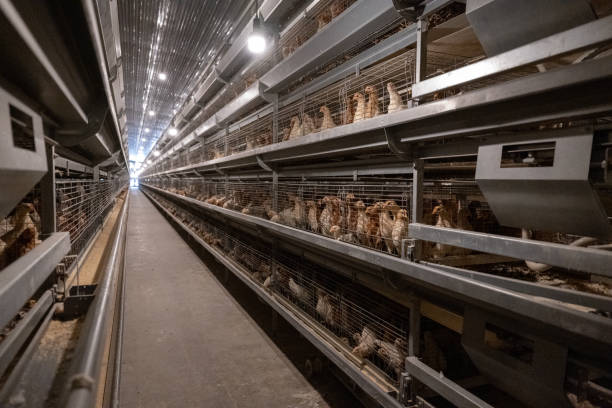
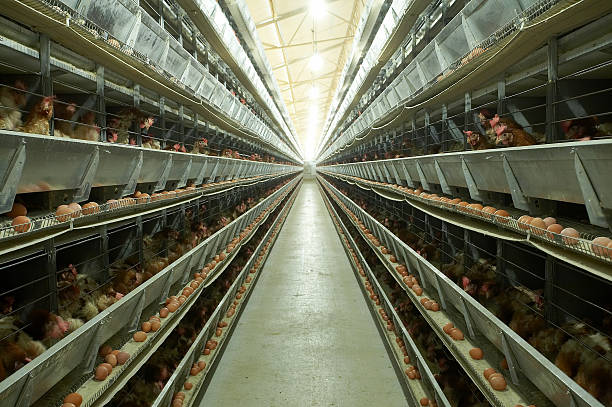
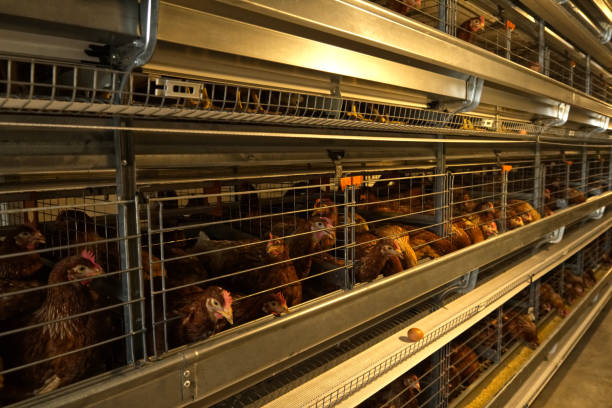
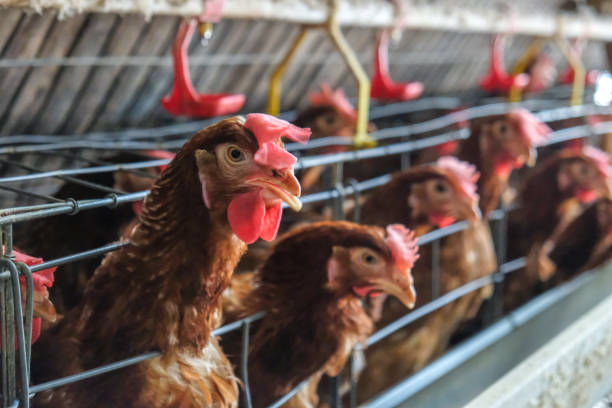
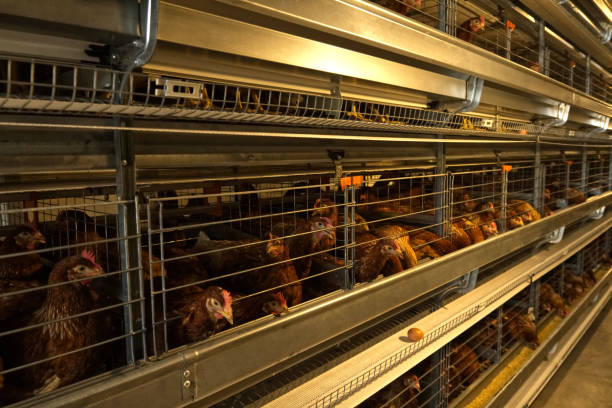
* **Layer Cages:** Designed specifically for egg-laying hens, these cages provide individual or small group compartments. They are typically multi-tiered to maximize space. Layer cages often include features like:
* **Automated Feeding and Watering:** This saves time and ensures consistent access to food and water for all birds.
* **Egg Collection Systems:** Automated or semi-automated egg collection reduces breakage and labor requirements.
* **Manure Removal Systems:** These systems help maintain hygiene and reduce ammonia buildup.
* **Broiler Cages:** Used for raising meat chickens (broilers), these cages are designed for rapid growth and efficient feeding. Broiler cages typically prioritize:
* **Adequate Space:** Broilers need sufficient space to move around and grow quickly.
* **Easy Access to Feed and Water:** Maximizing feed intake is crucial for broiler production.
* **Solid or Slatted Floors:** These floors provide good drainage and prevent foot problems.
* **A-Frame Cages:** These are traditionally designed cages with a simple A-frame structure. They are affordable and easy to construct but may not offer the same level of automation or bird comfort as more modern systems.
* **Deep Litter Systems:** While not technically cages, deep litter systems are a common alternative. Birds are housed on a floor covered with bedding material like wood shavings or straw. This system requires more space and labor for cleaning but can provide a more natural environment for the chickens.
**Key Features to Look for in High-Quality Chicken Cages**
When selecting chicken cages for your Kenyan poultry farm, consider the following essential features:
* **Durable Materials:** The cages should be constructed from high-quality materials that can withstand the demands of a poultry environment. Galvanized steel is a popular choice due to its rust resistance and longevity. Consider the gauge (thickness) of the steel – thicker steel will be more durable.
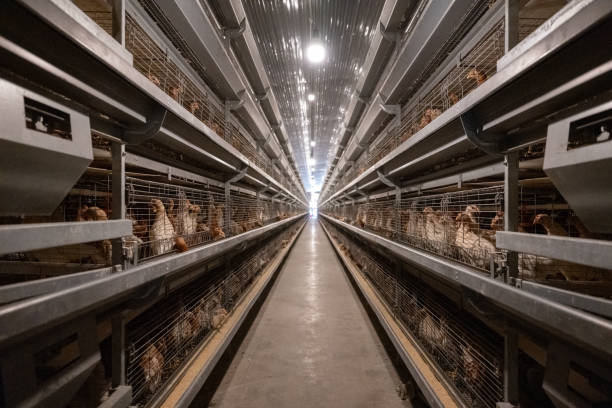
* **Proper Ventilation:** Adequate ventilation is crucial for removing ammonia and maintaining air quality. Look for cages with well-designed ventilation systems that allow for airflow without creating drafts.
* **Comfortable Design:** The comfort and well-being of your birds are paramount. Cages should provide adequate space for movement and prevent injuries. Ensure that the cage floor is smooth and doesn’t have sharp edges.
* **Easy Cleaning and Maintenance:** Choose cages that are easy to clean and disinfect. This will help prevent the spread of diseases and maintain a hygienic environment. Features like removable trays or sloped floors can simplify cleaning.
* **Accessibility:** The cages should be designed for easy access to birds for feeding, watering, and health checks. Consider cages with large doors or removable panels.
* **Customization Options:** Some suppliers offer customization options to tailor the cages to your specific needs. This might include adjusting the size of the cages, adding extra features, or incorporating specific feeding or watering systems.
* **Durability:** The construction of the cages matters a lot. You need to find cages that are sturdy enough to handle the weight of the chickens and the wear and tear of daily use.
**The Benefits of Investing in High-Quality Chicken Cages**
While the initial investment in high-quality chicken cages may be higher, the long-term benefits far outweigh the costs.
* **Increased Productivity:** Comfortable and well-managed birds are more productive. High-quality cages can lead to increased egg production in layers and faster growth rates in broilers.
* **Reduced Mortality Rates:** By providing a safe and hygienic environment, high-quality cages help to reduce mortality rates caused by disease, predators, and injuries.
* **Improved Feed Conversion Ratio:** Efficient feeding and watering systems contribute to better feed conversion ratios, meaning that your birds will convert feed into meat or eggs more efficiently.
* **Lower Labor Costs:** Automated systems reduce the need for manual labor, saving you time and money.
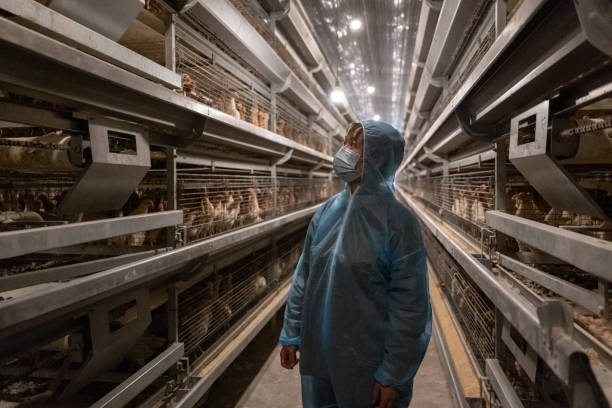
* **Enhanced Biosecurity:** Well-designed cage systems improve biosecurity by limiting contact between birds and the outside environment.
* **Better Egg Quality:** Layer cages with egg collection systems help to maintain egg quality by reducing breakage and contamination.
**Choosing the Right Supplier in Kenya**
Selecting a reputable supplier is just as important as choosing the right type of cage. Here are some factors to consider when choosing a supplier in Kenya:
* **Experience and Reputation:** Look for a supplier with a proven track record in the poultry industry. Read reviews and testimonials from other farmers.
* **Quality of Products:** Inspect the quality of the cages firsthand. Ask about the materials used and the manufacturing process.
* **Range of Products:** A good supplier should offer a variety of cage types and related equipment to meet your specific needs.
* **After-Sales Service:** Inquire about the supplier’s after-sales service, including installation support, maintenance, and spare parts availability.
* **Pricing:** Compare prices from different suppliers, but don’t sacrifice quality for price. Focus on the long-term value and return on investment.
* **Local Support:** Opt for a supplier with a local presence in Kenya. This will make it easier to access support and spare parts when needed.
**Installation and Maintenance Tips**
Once you’ve purchased your chicken cages, proper installation and maintenance are essential for maximizing their lifespan and performance.
* **Proper Installation:** Follow the supplier’s instructions carefully during installation. Ensure that the cages are level and securely anchored.
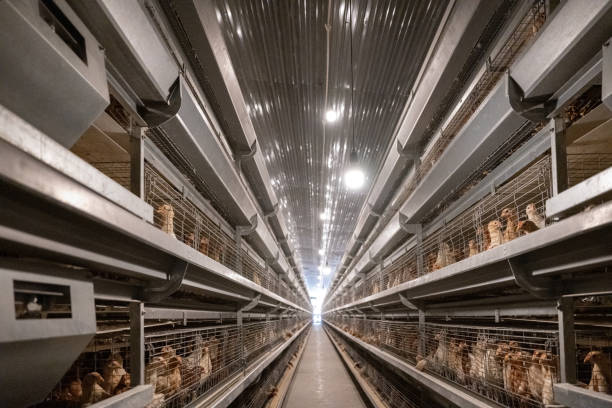
* **Regular Cleaning:** Clean the cages regularly to prevent the buildup of manure and bacteria. Use appropriate disinfectants to kill germs.
* **Ventilation Maintenance:** Keep ventilation systems clean and free of obstructions.
* **Water System Maintenance:** Regularly check and clean the water lines and nipples to prevent blockages.
* **Feeding System Maintenance:** Inspect the feeding system regularly for damage or malfunctions.
* **Pest Control:** Implement a pest control program to prevent rodents and insects from infesting the cages.
* **Regular Inspections:** Conduct regular inspections of the cages to identify and repair any damage.
**The Future of Chicken Cages in Kenyan Poultry Farming**
The future of chicken cages in Kenya is likely to be driven by technological advancements and a growing emphasis on animal welfare. We can expect to see:
* **Smart Cages:** Integration of sensors and data analytics to monitor bird health, feeding patterns, and environmental conditions.
* **Improved Ventilation Systems:** More sophisticated ventilation systems that provide optimal temperature and humidity control.
* **Automated Manure Removal:** Advanced manure removal systems that reduce labor and improve hygiene.
* **Animal Welfare Considerations:** Cage designs increasingly focused on promoting bird welfare, with features like perches and enrichment devices.
**Conclusion: Investing in Your Success**
Investing in high-quality chicken cages is an investment in the success of your poultry business in Kenya. By choosing the right cages, you can maximize your space, protect your flock, improve productivity, and enhance profitability. Take the time to research your options, select a reputable supplier, and implement a proper maintenance program. With the right foundation, you can build a thriving poultry enterprise that contributes to the growing demand for chicken and eggs in Kenya. Remember, the cages are not just a structure; they are the starting point for a sustainable and profitable future in poultry farming. By focusing on quality and animal welfare, you can ensure that your business thrives in this dynamic and important sector of the Kenyan economy.