The Economics of Egg Production: Finding the Right Low-Cost Battery Cage
The Economics of Egg Production: Finding the Right Low-Cost Battery Cage
The egg production industry is a complex and competitive landscape, where profitability hinges on a multitude of factors. Key among these is the cost of housing and managing your flock. For many producers, particularly those aiming for high-volume output, battery cages, also known as layer cages, remain a compelling option – provided they can source and implement them in a cost-effective manner. This article delves into the economics of egg production with a focus on sourcing the right low-cost battery cage system, exploring the factors that influence cost, evaluating the trade-offs, and laying out a strategic approach to maximize your return on investment.
Understanding the Cost Landscape of Egg Production
Before we dive into battery cages specifically, let’s establish a foundation by understanding the broader cost structure of egg production. The major cost components typically include:
* **Feed:** This often represents the largest single expense, accounting for a significant portion of overall production costs. Feed quality, formulation, and efficient feed management are crucial.
* **Pullets (Young Hens):** The initial investment in acquiring healthy, productive pullets is substantial. Pullet quality, breed selection, and rearing practices directly impact future laying performance.
* **Housing (Including Cages):** This encompasses the cost of the housing structure itself, ventilation, lighting, and – critically – the cage system. Different cage systems offer varying levels of automation and bird density, impacting both initial investment and ongoing operational costs.
* **Labor:** Labor costs can be significant depending on the level of automation implemented in the operation. Manual tasks like egg collection, feeding, and manure removal contribute substantially to labor expenses.
* **Healthcare:** Maintaining the health of your flock is paramount. Vaccination programs, disease prevention measures, and veterinary care are essential costs.
* **Utilities (Electricity & Water):** Electricity powers lighting, ventilation, and automated systems. Water is essential for drinking and cleaning. Efficient use of these resources is key to controlling costs.
* **Manure Management:** Proper manure disposal is important for environmental and sanitary reasons, and these processes have costs attached to them.
* **Processing & Packaging:** If you’re involved in egg processing (cleaning, grading, and packaging), these activities come with their own equipment and labor costs.
* **Transportation & Distribution:** Getting your eggs to market involves transportation costs that need to be carefully managed.
The Role of Battery Cages in Cost Optimization
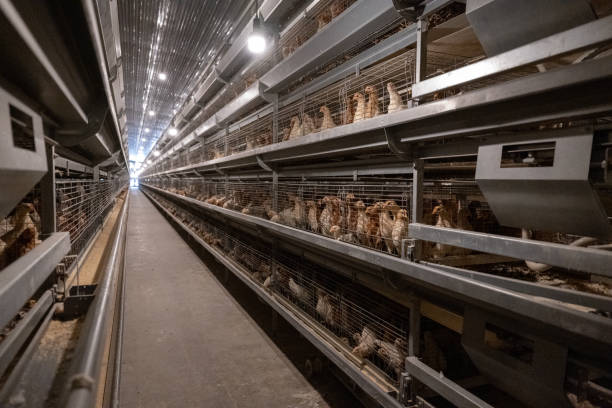
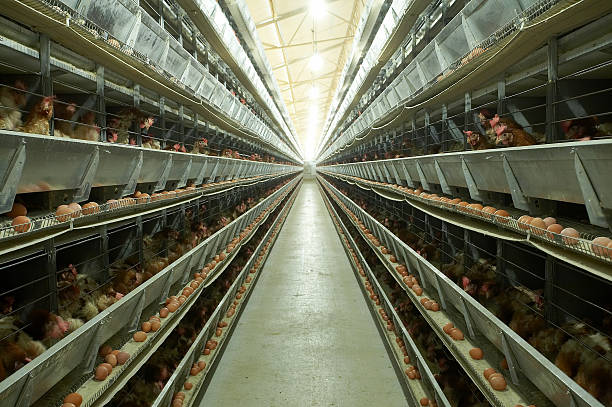
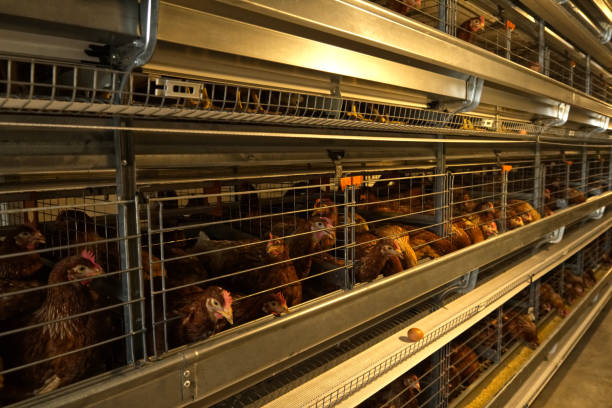
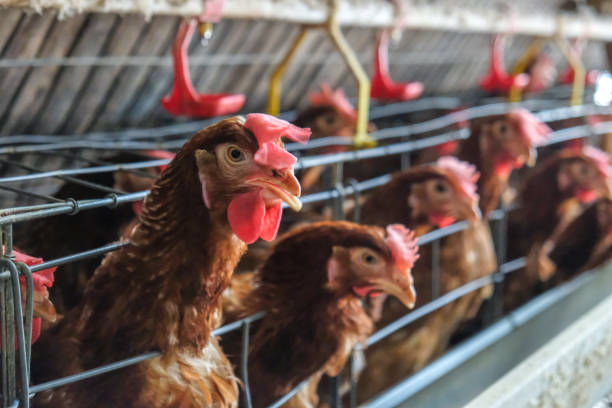
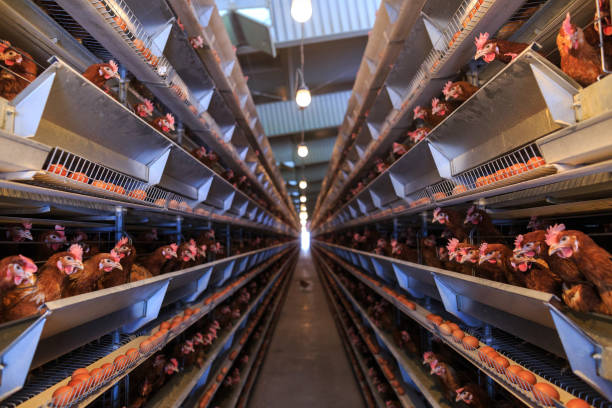
Battery cages are designed for maximizing bird density and streamlining egg collection and management. When implemented effectively, they can contribute to significant cost savings in several areas:
* **Improved Space Utilization:** Battery cages enable a higher stocking density compared to floor-based systems, allowing you to house more birds within the same building footprint. This reduces the per-bird cost of housing.
* **Efficient Egg Collection:** Many battery cage systems incorporate automated egg collection, minimizing labor requirements and reducing egg breakage.
* **Simplified Manure Management:** Cage systems often facilitate manure collection below the cages, leading to easier and more efficient removal and disposal. Some advanced systems even incorporate automatic manure removal belts, further reducing labor needs.
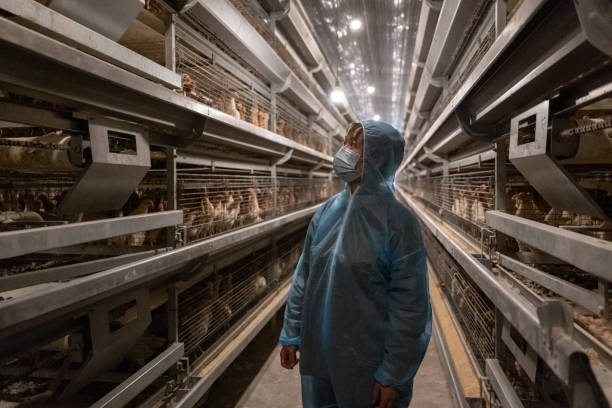
* **Reduced Disease Transmission:** The separation of birds in individual cages can help to limit the spread of disease, potentially lessening the need for extensive medication. This factor depends greatly on stocking density and standards of biosecurity.
* **Better Feed Management:** While not always a direct advantage, cage systems can facilitate better feed management and reduce feed waste by centralizing feeding practices.
What Defines a “Low-Cost” Battery Cage?
The term “low-cost” is relative and depends on your specific circumstances, scale of operation, and long-term goals. It doesn’t necessarily mean the cheapest option available. Instead, a “low-cost” battery cage should be defined as the system that offers the best *value* over its lifespan.
Key factors that determine the cost of a battery cage system:
* **Materials:** The type and quality of materials used in construction significantly impact the price. Galvanized steel is a common material, with varying grades and thicknesses affecting durability and cost. The construction method affects longevity.
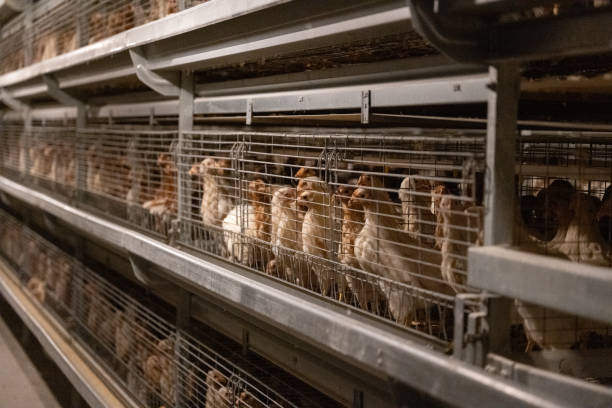
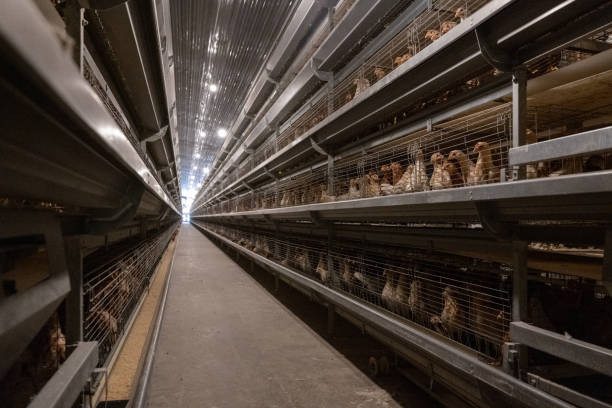
* **Cage Design & Dimensions:** Cage size, tier configuration (number of tiers stacked vertically), and overall design influence the number of birds you can house per unit of space. More sophisticated designs may cost more upfront but can offer better bird welfare and productivity.
* **Automation Level:** The degree of automation – including automated egg collection, feeding, watering, and manure removal – significantly affects the initial investment. Higher automation reduces labor costs but requires a larger upfront capital outlay.
* **Supplier Reputation & Warranty:** Choosing a reputable supplier with a strong track record is crucial. A longer warranty period is an indicator of the manufacturer’s confidence in the product’s durability and can provide peace of mind.
* **Transportation & Installation Costs:** Don’t overlook these often-significant expenses. Transportation costs vary depending on the supplier’s location and the size of the order. Installation costs depend on the complexity of the system and whether you choose to install it yourself or hire a professional.
* **Maintenance Requirements:** Low-cost doesn’t mean low-maintenance. Consider the long-term maintenance requirements of the system. Simple designs with readily available spare parts tend to be more cost-effective to maintain.
Finding the Right Balance: The Trade-Offs
Choosing a low-cost battery cage involves carefully weighing several trade-offs:
* **Initial Investment vs. Long-Term Operating Costs:** A cheaper system may have lower upfront costs, but it might require more labor, consume more energy, or have a shorter lifespan. A more expensive system with advanced automation may have higher initial costs but potentially lower long-term operating expenses.
* **Durability vs. Affordability:** Skimping on materials to save money can lead to premature wear and tear, requiring costly repairs or replacements down the line. Investing in a more durable system may be wiser in the long run.
* **Bird Welfare vs. Productivity:** While battery cages are designed for efficiency, the well-being of your hens is paramount. Overcrowding or poorly designed cages can lead to stress, disease, and reduced egg production. Ensure the chosen system meets minimum welfare standards and provides adequate space and comfort for the birds.
* **Automation vs. Labor Costs:** Automation can significantly reduce labor costs, but it also requires a larger upfront investment and ongoing maintenance. Carefully assess your labor costs and availability to determine the optimal level of automation for your operation.
* **Simplicity vs. Complexity:** Complex systems may offer advanced features but can be more difficult to operate and maintain, requiring specialized skills and potentially leading to downtime. Simpler designs are often more reliable and easier to troubleshoot.
A Strategic Approach to Sourcing Low-Cost Battery Cages
Here’s a step-by-step guide to finding the right low-cost battery cage system for your egg production operation:
1. **Define Your Requirements:**
* **Production Goals:** Determine your target egg production volume and the number of hens you need to house.
* **Budget:** Establish a realistic budget for the cage system, considering both upfront costs and long-term operating expenses.
* **Space Constraints:** Measure your available building space to determine the maximum cage dimensions and configuration.
* **Labor Availability:** Assess the availability and cost of labor in your area to determine the optimal level of automation.
* **Local Regulations:** Familiarize yourself with local regulations regarding egg production and animal welfare standards.
2. **Research Different Cage Systems:**
* **Browse Supplier Websites:** Explore the websites of various battery cage manufacturers and suppliers to compare different systems and features.
* **Read Reviews and Testimonials:** Look for online reviews and testimonials from other egg producers who have used the systems you’re considering.
* **Attend Industry Events:** Attend agricultural trade shows and conferences to see different cage systems in person and talk to suppliers.
3. **Request Quotes from Multiple Suppliers:**
* **Provide Detailed Specifications:** When requesting quotes, provide suppliers with your specific requirements, including production goals, budget, space constraints, and desired level of automation.
* **Compare Quotes Carefully:** Don’t just focus on the initial price. Compare the total cost of ownership, including transportation, installation, maintenance, and energy consumption.
* **Ask About Payment Terms and Financing Options:** Discuss payment terms and explore available financing options to make the purchase more affordable.
4. **Visit Existing Farms (if possible):**
Visiting existing farms that have implemented different cage systems can provide invaluable insights. Observe the systems in operation, talk to farm owners and managers, and learn about their experiences (both positive and negative).
5. **Evaluate Supplier Reputation and Warranty:**
* **Check Supplier Credentials:** Verify the supplier’s credentials and ensure they have a proven track record in the egg production industry.
* **Review Warranty Terms:** Carefully review the warranty terms and conditions, paying attention to what is covered and for how long.
* **Assess After-Sales Support:** Inquire about the supplier’s after-sales support services, including technical assistance, spare parts availability, and maintenance support.
6. **Consider Secondhand Options (with caution):**
Used battery cage systems can be a way to save money upfront, but exercise extreme caution. Thoroughly inspect the system for signs of wear and tear, and ensure that all components are in good working order. Factor in the potential for higher maintenance costs and shorter lifespan. Also consider biosecurity risks; ensure the system can be thoroughly cleaned and disinfected before introducing your flock.
7. **Negotiate with Suppliers:**
* **Be Prepared to Negotiate:** Don’t be afraid to negotiate with suppliers to get the best possible price.
* **Offer to Pay in Cash:** Suppliers may be willing to offer a discount for cash payments.
* **Bundle Your Purchase:** If you’re purchasing other equipment (e.g., feeding systems, ventilation systems) from the same supplier, you may be able to negotiate a package discount.
8. **Make a Well-Informed Decision:**
* **Consider All Factors:** Don’t base your decision solely on price. Consider all factors, including quality, durability, automation, supplier reputation, and warranty.
* **Seek Expert Advice:** Consult with agricultural engineers, poultry experts, and other experienced egg producers to get their advice.
* **Choose the System That Best Meets Your Needs:** Select the battery cage system that best aligns with your production goals, budget, space constraints, and labor availability.
Conclusion
Finding the right low-cost battery cage for your egg production operation is a strategic decision that requires careful consideration of various factors. By understanding the cost landscape of egg production, evaluating the trade-offs, and following a strategic approach to sourcing, you can maximize your return on investment and build a profitable and sustainable egg production business. Don’t simply chase the lowest price tag – prioritize value, durability, and the well-being of your flock to ensure long-term success. Remember that a “low-cost” solution should ultimately translate to a highly efficient and profitable one.