Poultry Cage Equipment for 25,000 Birds – Ethiopia
 time:
2025-11-11
time:
2025-11-11 Poultry Cage Equipment for 25,000 Birds – Ethiopia
Setting up a large-scale poultry farm in Ethiopia? One of the most critical decisions you’ll make is selecting the right equipment—especially when you’re aiming to house and manage 25,000 birds efficiently. With rising demand for eggs and poultry meat across East Africa, Ethiopia has become an attractive market for commercial poultry producers. But running a successful operation isn’t just about numbers; it’s about smart planning, the proper infrastructure, and using high-quality cage systems designed for durability, hygiene, and optimal bird performance.
At Livi Mechanical, we’ve helped farmers across Africa set up modern poultry farms tailored to local conditions. Our experience shows that choosing the right poultry cage system for a 25,000-bird operation can make or break your profitability. Whether you’re launching a new egg production farm or upgrading from traditional free-range methods, investing in a well-designed caging solution sets the foundation for success. In this guide, we’ll walk you through what you need to consider, including layout design, equipment types, feed and water management, and why professional installation matters.
What Does a Full System for 25,000 Birds Include?
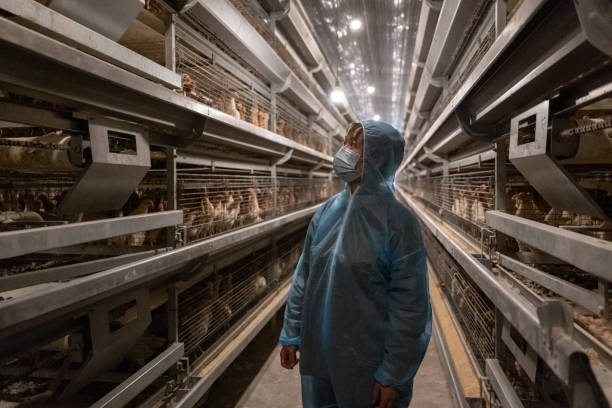
A full poultry cage setup for 25,000 layers isn’t just rows of cages—it’s a carefully engineered system designed to maximize space, reduce labor, improve biosecurity, and boost egg production. Let’s break down the core components you’ll typically need:
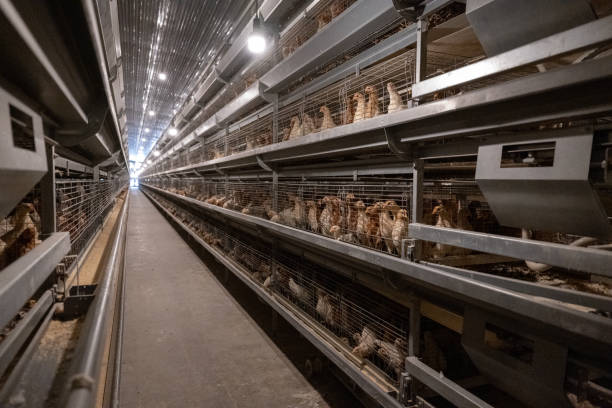
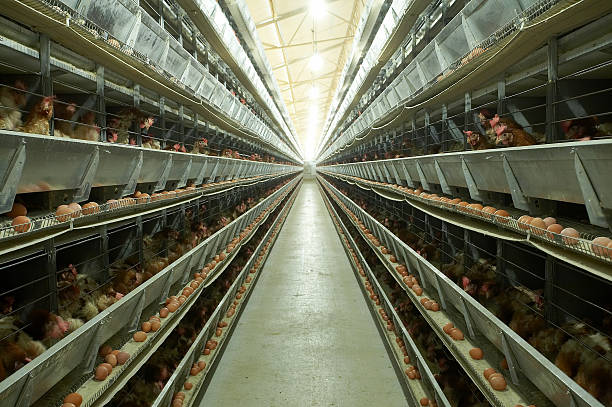
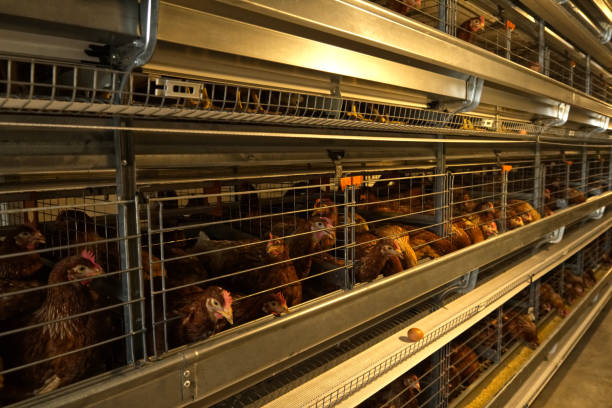
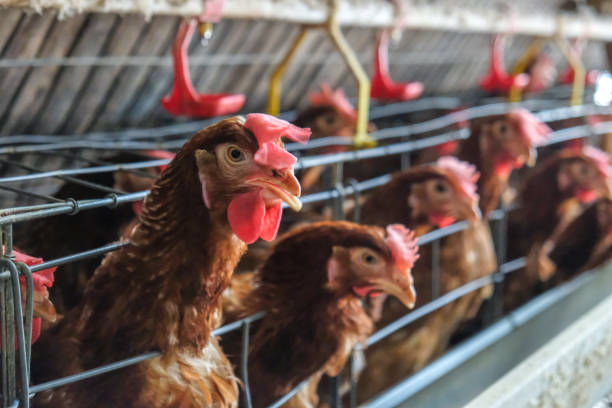
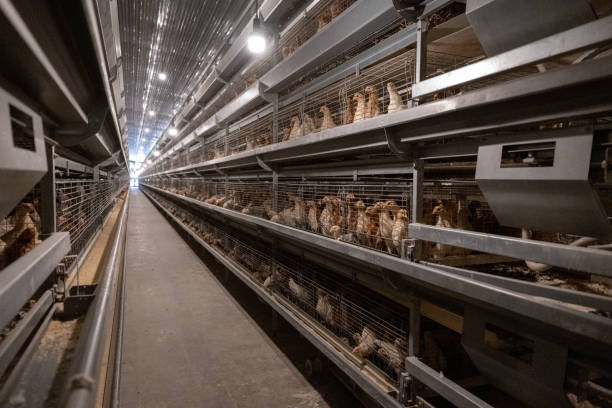
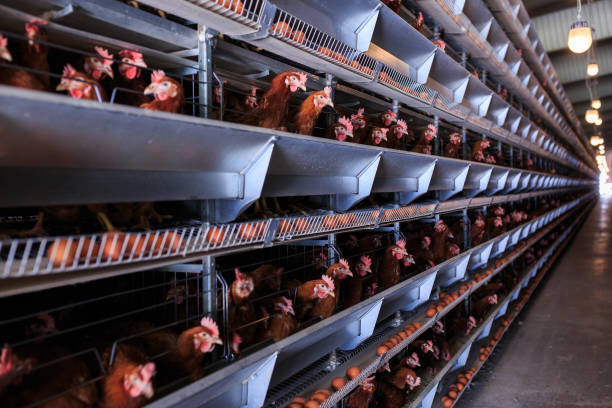
First, the cage system itself. For this scale, we usually recommend A-frame battery cages (also called three-tier stacked systems), which allow efficient use of floor space while maintaining bird comfort. Each tier gives hens access to individual compartments with perches, feeding troughs, and egg collection belts. For 25,000 birds, you’d generally install around 60–70 rows of cages depending on bird density per unit. These are made from galvanized steel to resist rust—even in high-humidity environments common in parts of Ethiopia.
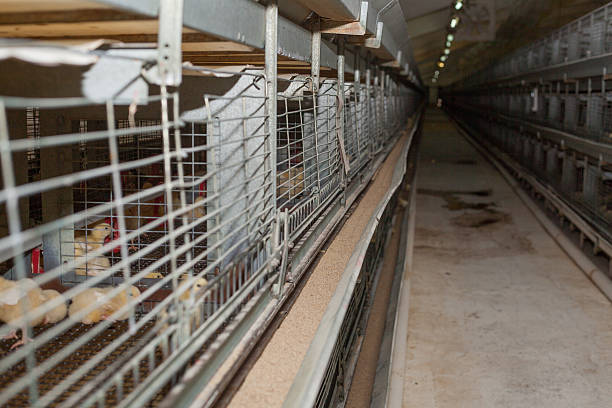
Next comes the automated feeding system. Manually feeding 25,000 birds every day would require a huge workforce and still lead to inconsistent distribution. That’s why we integrate chain-driven feed lines that run the length of each cage row. Controlled from one central point, these systems deliver precise amounts of feed directly into troughs, saving time and reducing waste by up to 15%.
Equally important is the drinking water system. Our nipple drinkers ensure clean, controlled access to water at all times. They prevent spillage, reduce damp litter issues, and improve overall flock health. Combined with automatic pressure regulators and filter units, they help maintain consistent water flow even in areas where water supply fluctuates.
Then there’s manure removal. Accumulated droppings not only create odor but also increase ammonia levels, which harm respiratory health. Manual cleaning is impractical at this scale. That’s why we include automated manure belt systems under each cage tier. These belts can be scheduled to run daily or every few days, transporting waste out of the shed efficiently—either into compost pits or external disposal units.
Finally, don’t forget egg collection. Instead of hand-gathering thousands of eggs daily, our conveyor-style egg belts gently move laid eggs to central collection tables, minimizing breakage and contamination. This saves hours of labor and ensures fresher, cleaner eggs ready for packing and sale.
All these elements must be properly sized and integrated so they work together seamlessly. When done right, such a system can support peak production of over 90% hen-day egg rates with minimal stress on birds or staff.
Designing Your House Layout for Maximum Efficiency
Size matters—but how you use that space matters more. Most farms handling 25,000 birds operate in two houses of 12,500 each or a single large facility between 1,800 and 2,200 square meters. The actual size depends on local climate, ventilation strategy, and future expansion plans.
In Ethiopia’s diverse agro-climatic zones—from cool highlands to warmer lowlands—temperature control is crucial. Poor ventilation leads to heat stress, disease outbreaks, and lower egg output. That’s why our standard recommendation includes tunnel ventilation: powerful exhaust fans at one end, cooling pads at the other. This creates a steady airflow that keeps birds comfortable even during hot spells.
We also advise installing LED lighting systems with programmable timers. Hens respond well to regulated light cycles—usually 14–16 hours per day—to stimulate consistent laying patterns. Energy-efficient LEDs last longer and generate less heat than traditional bulbs, further helping climate control.
Floor-to-ceiling height is another key factor. Battery cages need enough clearance above and below for maintenance access, manure belt replacement, and smooth operation. We suggest a minimum of 3 meters from ground to roof trusses, allowing room for all equipment and air movement.
And let’s talk placement. Spacing between rows should allow workers and equipment like carts or small lifts to move freely. Every detail—from door width to electrical outlet locations—affects long-term usability. At Livi Mechanical, we provide free site planning consultations, including CAD drawings showing exact cage positioning, power wiring paths, and worker workflow routes—all customized based on your land and building dimensions.
Why Choosing the Right Supplier Makes All the Difference
You could buy cheap cages locally or import basic models online. But ask yourself: what happens when something breaks six months later? Will spare parts be available? Can someone come fix it quickly? What if poor construction causes structural failure?
That’s where partnering with a reliable supplier like Livi Mechanical changes everything. Based in Zhengzhou, China, we’ve been engineering poultry solutions since 2012, and today serve customers in over 60 countries—including many across Africa. Our cages are built to last 15+ years thanks to industrial-grade materials, strict welding standards, and anti-corrosion treatment suitable for tropical and semi-arid climates.
But beyond quality hardware, we offer real partnership. From the very beginning, we help you calculate requirements based on breed, location, and target production goals. Once confirmed, we handle manufacturing, packaging, logistics coordination (including sea freight to Djibouti or directly to Addis Ababa via rail), and even on-site supervision during installation.
Our team speaks English, Amharic, and Arabic, making communication easy. And because we understand budget concerns, we offer flexible configurations—full turnkey setups or modular builds you can expand over time.
One Ethiopian customer in Bahir Dar started with 15,000 birds and scaled to 40,000 within 18 months using additional modules from us. He told us his ROI was achieved in just 14 months—thanks to lower labor costs, reduced mortality, and higher egg yields.
Ready to Get Started?
If you’re considering a 25,000-bird layer farm in Ethiopia—or already have land and want expert advice—we’d love to hear from you. Tell us about your project: land size, intended location, breed choice, and whether you’re starting fresh or upgrading. Share your contact details and we’ll send you a detailed proposal including layout design, cost breakdown, delivery timeline, and after-sales support plan.
Let’s build a modern, profitable poultry farm together—designed for today’s challenges and tomorrow’s growth.
Frequently Asked Questions
Can I customize the cage size for different chicken breeds?
Absolutely. While standard cages fit Hy-Line, Bovans, and Lohmann layers perfectly, we can adjust internal dimensions for heavier breeds like Kuroilers or custom dual-purpose varieties often used in African farms.
How long does delivery take to Ethiopia?
From production start to arrival at port: approximately 30–40 days. After customs clearance, we arrange inland transport. Total time from order confirmation to site delivery averages 6–8 weeks.
Do you provide installation support in Ethiopia?
Yes. We can dispatch a trained technician to supervise assembly, train your team on machine operation, and ensure all systems run smoothly before departure. Travel and accommodation are included in turnkey packages.
Is training provided for farm operators?
Definitely. Alongside installation, we conduct hands-on workshops covering daily operations, troubleshooting basics, cleaning protocols, and routine maintenance tips. You’ll also receive digital manuals and video guides in your preferred language.
What kind of warranty do you offer?
All metal structures and motors come with a 2-year comprehensive warranty against defects. Drinking systems and controllers are covered for 1 year. Plus, we guarantee availability of spare parts for at least 10 years post-purchase.