Poultry Farm Setup Guide & Equipment List
Poultry Farm Setup Guide & Equipment List
Starting a poultry farm can be one of the most rewarding agricultural ventures—if done right. Whether you’re planning to raise broilers, layers, or chicks, having a solid foundation from the beginning sets you up for long-term success. At Zhengzhou Livi Machinery, we’ve helped hundreds of farmers across Asia, Africa, and South America build efficient, modern poultry farms using our high-quality equipment. In this guide, we’ll walk you through everything you need to know about setting up a poultry farm—from planning and infrastructure to choosing the right equipment that will save time, increase productivity, and improve bird health.
Our goal is simple: help you build a farm that’s not only profitable but also sustainable and easy to manage.
Step-by-Step Planning for Your Poultry Farm
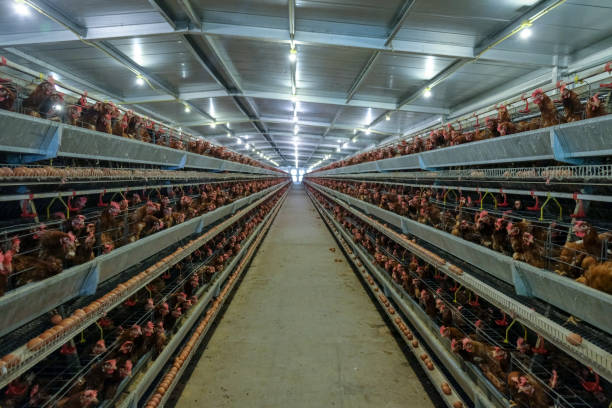
Before installing any equipment or buying birds, it all starts with smart planning. First, define your purpose—are you raising chickens for egg production, meat, or both? This decision affects everything from housing design to feeding systems. For example, layer farms typically use cage systems optimized for egg collection, while broiler farms often rely on floor-raising setups with automated feeders and drinkers.
Next, choose the location wisely. Pick a site with good ventilation, protection from extreme weather, and enough space for future expansion. It should also be near key supplies like feed mills and veterinary services, but far from residential areas to avoid odor and noise complaints. Drainage is critical—make sure the ground slopes slightly so rainwater doesn’t pool around the sheds.
Once the site is selected, determine the scale of operation. Small-scale farms (under 5,000 birds) may require minimal automation, but mid to large-scale operations benefit significantly from automatic systems. At Livi, we recommend investing in scalable solutions early—like modular chicken cages or adjustable feeder lines—that allow you to expand without replacing entire systems later.
Don’t forget permits and local regulations. Check with your regional agriculture office for licensing, biosecurity rules, and environmental guidelines. Getting these details out of the way early avoids costly delays down the road.
Lastly, create a budget that includes land preparation, construction, equipment, chicks, feed, vaccines, labor, and operating costs for at least six months. Many new farmers underestimate ongoing expenses—especially energy for heating, cooling, and lighting during cold seasons. A well-thought-out business plan improves your chances of securing funding and staying profitable in the first few cycles.
Essential Equipment for Modern Poultry Farms
Now let’s talk about what goes inside your farm—the actual equipment that keeps your birds healthy and your operation running smoothly. A poultry farm isn’t just about building a shed and dropping in chickens. The right tools make the difference between struggling daily and managing efficiently with fewer people.
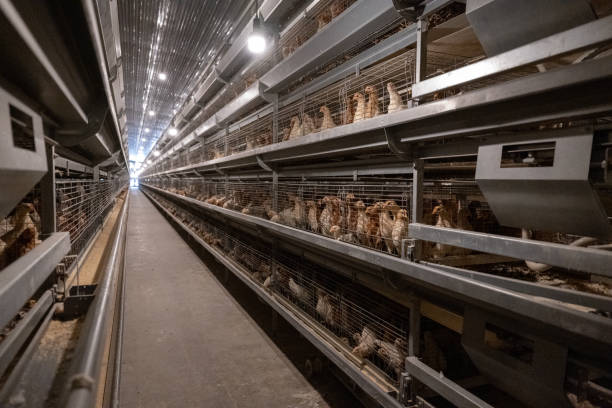
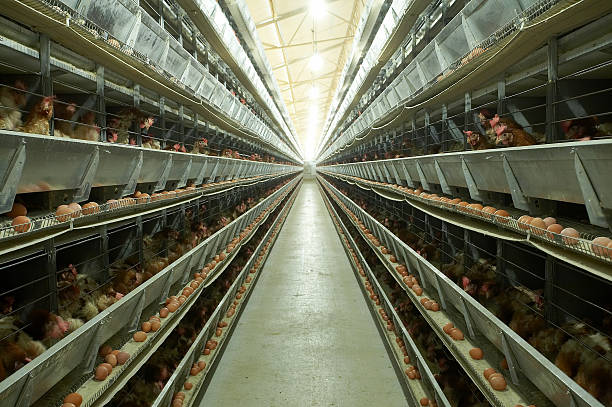
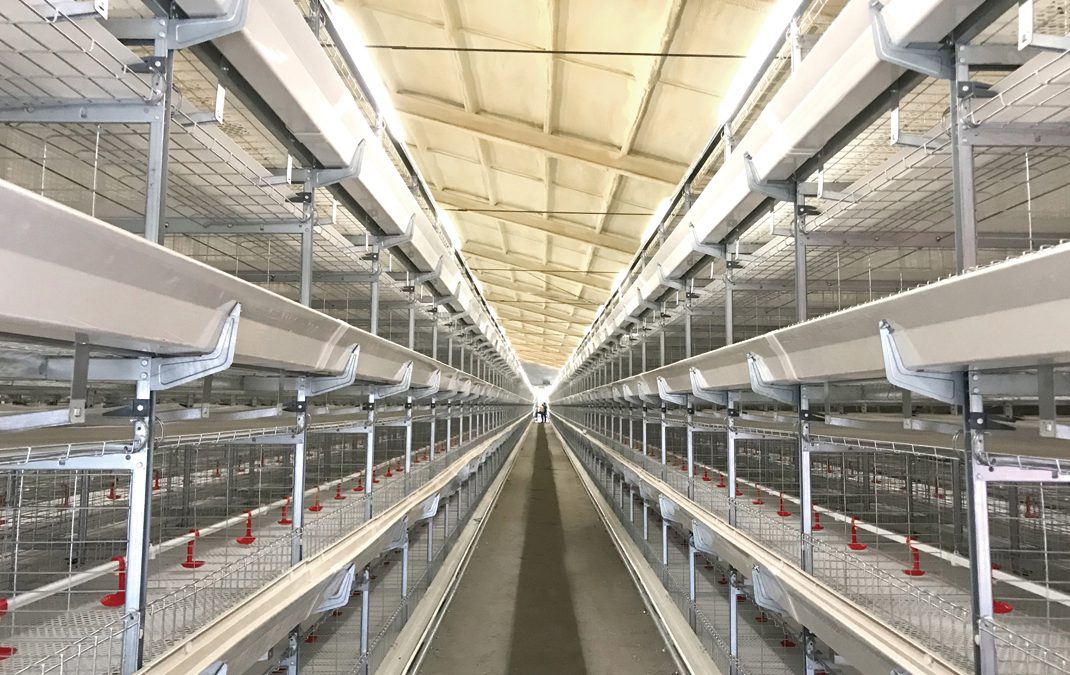
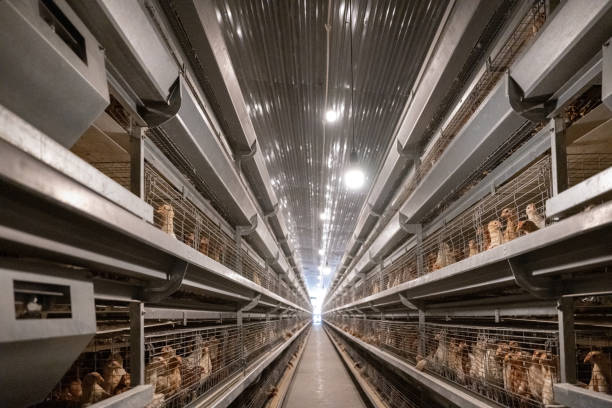
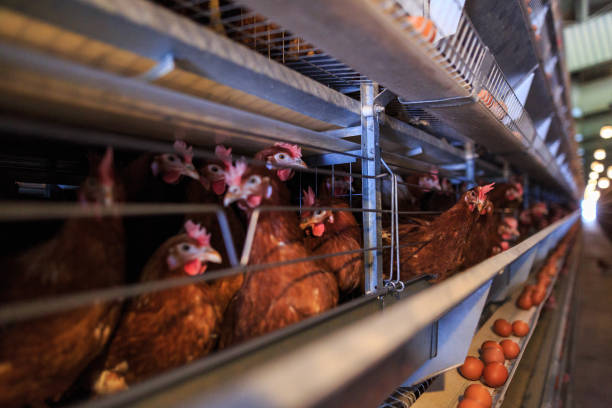
Start with housing systems. Chicken cages are among the most important components. Livi offers galvanized steel cages designed for durability and hygiene—ideal for layer and breeder farms. Our cages come in various configurations (A-type, H-type, I-type) depending on space and flock size, with anti-rust coating that lasts over 10 years even in humid climates.
For floor-based systems like broiler or breeder operations, consider deep litter houses with proper bedding material such as rice husk or wood shavings. But don’t skip essential support equipment: automatic nipple drinking systems ensure clean water access and reduce spillage; spiral spring feeders provide consistent distribution without waste; and plastic tray nest boxes keep eggs clean in layer houses.
Ventilation and climate control are non-negotiables. In hot regions, tunnel ventilation with cooling pads helps lower temperatures by up to 10°C. In colder areas, brooders and infrared heaters are crucial for chick survival. We supply axial fans, evaporative cooling pads, and controller panels that automatically adjust airflow based on temperature sensors.
If you’re serious about efficiency, go for automation. Automated manure removal belts reduce labor by 60% and improve air quality by quickly removing droppings. Manually scraping waste every day is exhausting and increases disease risk. Similarly, an automatic egg collection system saves hours per day and reduces cracked eggs.
And of course, never overlook the incubation stage. Our full-range hatchery equipment—including setters, hatchers, fumigation trolleys, and chick sexing tables—ensures a strong start. Farmers who control their own hatching process have better chick uniformity and lower transportation costs.
All Livi machines are field-tested and built for tough conditions. We’ve seen them perform reliably in tropical humidity, dusty savannahs, and frost-prone mountain zones. That’s because every product is made with reinforced frames, UV-resistant plastics, and waterproof electrical parts.
From Setup to Operation: Building a Smooth Workflow
Even the best equipment won’t deliver results if your workflow is messy. Think of your poultry house as a mini-factory where timing, cleanliness, and monitoring matter more than raw effort.
Begin with proper installation. Our engineers offer remote guidance or on-site support to ensure each piece of gear works seamlessly together. Cages must be level and securely assembled; feed lines need tension adjustments; fans should face the correct direction. Poor setup leads to breakdowns and uneven performance.
Then train your staff. Workers should understand how to monitor bird behavior, check feed/water flow, spot early signs of illness (like lethargy or reduced appetite), and respond to alarms from control panels. Simple routines—like morning walkthroughs with a checklist—prevent major issues before they grow.
Daily management gets easier with digital tools. Smart controllers let you set schedules for lights, ventilation, and feeding. Some advanced models send alerts to your phone when power fails or temperature spikes. When combined with CCTV cameras, you can supervise multiple houses remotely—perfect for owners managing several sites.
Biosecurity is another silent protector. Limit visitor access, install footbaths at entrances, disinfect equipment regularly, and rotate pens between batches. These steps cut the risk of infectious diseases like Newcastle or avian flu.
Record keeping might sound boring, but it pays off. Track feed conversion ratios, mortality rates, egg production, and medicine usage. Over time, these numbers help optimize practices—knowing exactly when to tweak diet, vaccination timing, or stocking density.
Finally, focus on animal welfare. Happy, stress-free birds grow faster and lay more. Provide adequate space, avoid sudden loud noises, and maintain stable light cycles. Even something as small as dimming lights gradually before bedtime mimics natural patterns and improves rest.
When everything clicks—the layout, the equipment, the workflow—you’ll find that managing thousands of birds feels less overwhelming and more rewarding.
Ready to Build Your Dream Poultry Farm? Let Us Help.
Setting up a successful poultry farm doesn’t happen overnight, but with the right guidance and reliable equipment, you can build a thriving operation within months. At Zhengzhou Livi Machinery, we don’t just sell gear—we partner with farmers to bring their vision to life. From free layout designs to after-sales service and spare parts delivery, we stand by every customer.
Whether you’re starting small or scaling up, we tailor solutions that fit your climate, budget, and goals. Thousands of satisfied clients trust us because we deliver what we promise: durable, intelligent, and practical poultry farming systems.
So if you’re ready to move forward, reach out today. Share your farm size, species type, and region—and we’ll send you a customized equipment list, quote, and 3D layout plan. Don’t guess what you need; let experts show you the way.
Drop us a message with your contact info now, and take the first step toward building a smarter, higher-yielding poultry farm.
FAQs About Poultry Farm Setup
What is the minimum space needed for a 1,000-bird poultry house?
You’ll need roughly 2,000–2,500 square feet (about 200–230 m²), depending on whether it’s a broiler, layer, or breeder setup. Cage systems use space more efficiently than floor systems.
Can I use Livi equipment in very hot or cold climates?
Yes. Our equipment includes weather-resistant materials and optional add-ons like cooling pads or heating units, making it suitable for tropical, arid, and cold environments.
Do you provide installation support?
Absolutely. We offer detailed manuals, video guides, and optional on-site or virtual installation assistance by our technical team.
How long do Livi chicken cages last?
Typically over 10 years, thanks to galvanized steel construction and anti-corrosion treatment. With basic maintenance, some customers report 15+ years of service.
Is automation worth it for small farms?
It depends on labor costs and growth plans. For farms larger than 3,000 birds, automation usually pays for itself within 1–2 years through reduced labor and improved yields.
What comes in a complete poultry farm package?
A full setup includes cages or rearing equipment, feeders, drinkers, ventilation, nesting trays, egg collection systems, manure removal, and optional controllers or hatchery units.
How do I choose between cage and floor systems?
Cage systems are better for layers and breeders—they boost hygiene and egg yield. Floor systems work well for broilers and organic farms where free movement matters.
Can I get spare parts later?
Yes. We stock all common spares—nipples, pans, motors, wires—and ship globally. Just keep your machine model handy when ordering.
Do you work with government or NGO projects?
Yes, we regularly collaborate with agricultural cooperatives, development agencies, and subsidy programs to supply turnkey poultry farms.
Do you offer financing or payment plans?
While we don’t provide direct loans, we offer flexible payment terms and documentation for third-party financing applications. Ask us for details during quotation.