High-Density H-Type Poultry Cage System for Farms
High-Density H-Type Poultry Cage System for Farms
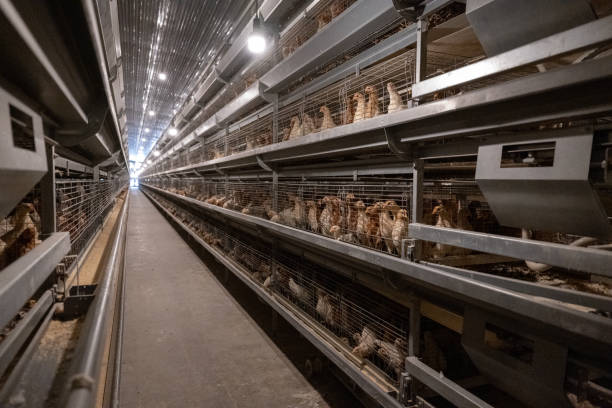
When it comes to modern poultry farming, maximizing space, efficiency, and bird health is no longer a luxury—it’s a necessity. As global demand for eggs and poultry meat continues to rise, farmers are under increasing pressure to scale up production without compromising on animal welfare or operational costs. This is where the High-Density H-Type Poultry Cage System steps in as a game-changer. Designed for both layer hens and broiler breeders, this innovative system offers a smart, scalable solution that helps farmers achieve higher outputs with less labor, better hygiene, and improved feed conversion rates.
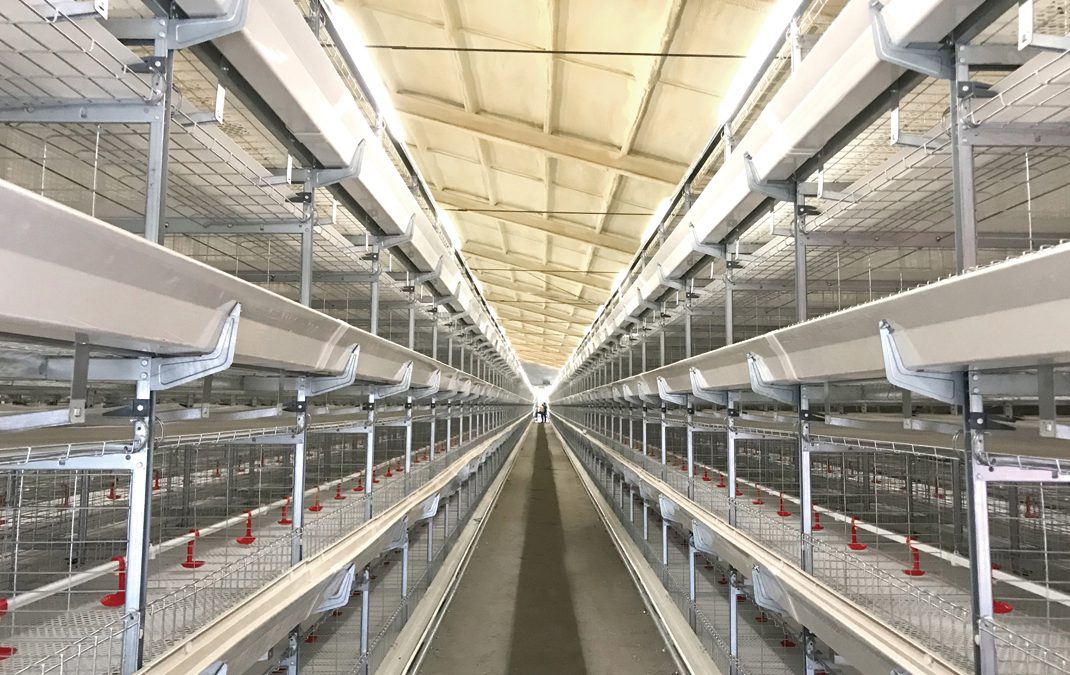
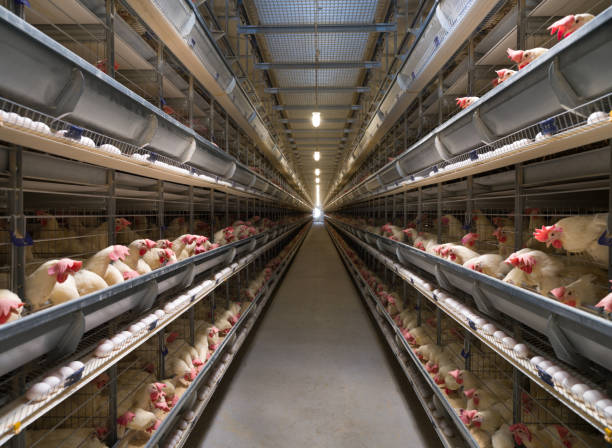
What makes the H-Type cage system stand out? Its name comes from the distinctive “H” shape formed by two stacked layers of cages connected by a central support structure. This design allows for vertical stacking while maintaining structural stability and ease of access. Unlike traditional battery cages or floor systems, the H-Type maximizes floor space utilization—sometimes accommodating up to 2–3 times more birds per square meter than conventional setups. For commercial farms looking to expand without building new barns, this increased density translates directly into higher profitability and faster ROI.
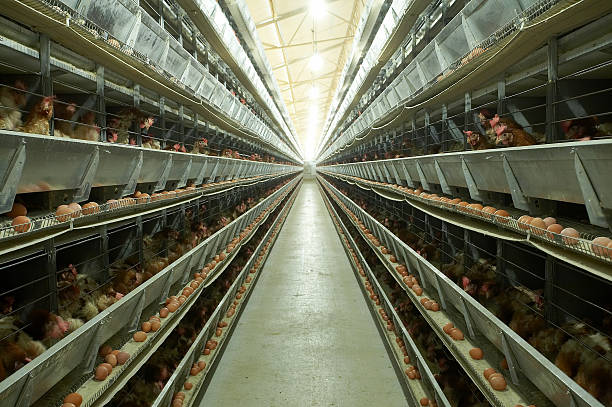
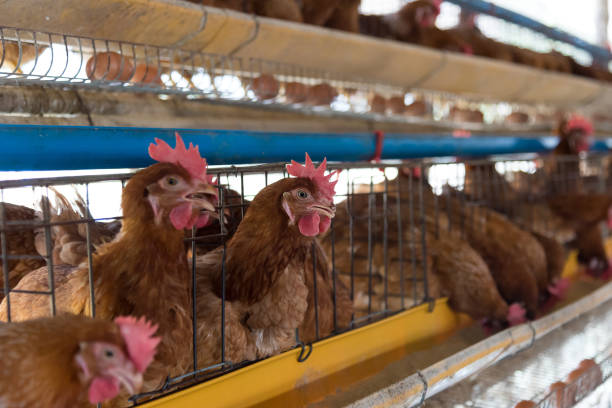
But high density doesn’t mean sacrificing comfort or welfare. In fact, modern H-Type systems like those engineered by Zhengzhou Livi Machinery Manufacturing Co., Ltd. are built with bird well-being in mind. Features such as galvanized wire mesh flooring allow natural droppings to fall through, reducing ammonia buildup and minimizing contact with waste. Automated feeding, watering, egg collection, and manure removal systems are integrated seamlessly, ensuring consistent care with minimal human intervention. Ventilation channels within the frame promote airflow, helping regulate temperature and humidity—critical factors in preventing heat stress and respiratory issues in densely stocked environments.
Another major advantage lies in management efficiency. With automated systems handling routine tasks, labor costs drop significantly. One operator can manage thousands of birds across multiple tiers, freeing up time for monitoring flock health, optimizing nutrition, and improving overall farm performance. The modular design also allows for flexible configurations—whether you’re running a small family farm or a large-scale industrial operation, the H-Type system can be customized to fit your layout and production goals. And because all components are made from durable, corrosion-resistant materials, these cages last for years even under heavy daily use.
Why the H-Type Design Is Ideal for Modern Farms
The brilliance of the H-Type poultry cage isn’t just in its compact footprint—it’s in how every element supports efficient, sustainable farming. Let’s break down some key benefits:
First, the dual-tiered cage arrangement provides excellent weight distribution. Each level shares the load via strong cross-supports, making the entire structure extremely stable—even when fully loaded with birds, feed, and equipment. This kind of durability is essential for long-term operations, especially in regions with fluctuating temperatures or high humidity.
Second, cleaning and maintenance become much simpler. Since each tier is accessible from both sides and equipped with removable trays or conveyor belts for manure, sanitation is quick and thorough. A clean environment means fewer diseases, lower medication costs, and healthier flocks. Many farms report reduced mortality rates and better feather condition after switching to H-Type systems.
Third, the layout encourages natural pecking and movement behaviors. Birds have enough room to stretch their wings, interact socially, and access food and water comfortably. Modern versions comply with evolving animal welfare standards, striking a balance between productivity and ethical treatment. Some models even include anti-pecking grills or shaded resting zones to further enhance livability.
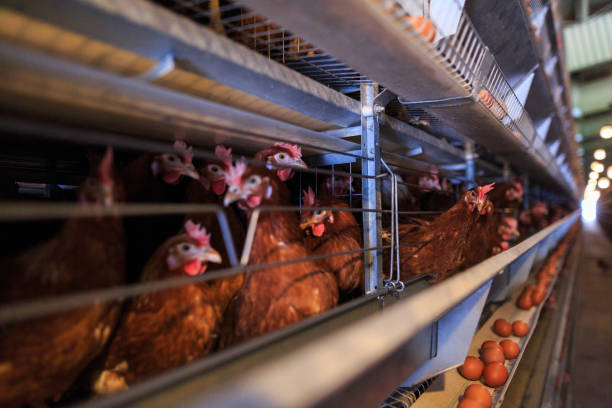
And let’s not forget scalability. Because H-Type modules connect easily, expanding your operation simply means adding more units end-to-end or stacking additional rows (where ceiling height permits). There’s no need for a complete rebuild—just plug and play. This flexibility makes it ideal for growing farms or cooperatives looking to standardize housing across multiple locations.
Integration with Smart Farming Technology
Today’s most successful poultry operations aren’t just about cages—they’re about data, automation, and control. The latest generation of H-Type systems integrates seamlessly with smart farming tech, turning your barn into a digital ecosystem. Imagine being able to monitor temperature, humidity, lighting cycles, feed levels, and water flow—all from a smartphone app.
At Livi Machinery, we equip our H-Type cages with compatible controllers that sync with IoT sensors and cloud-based platforms. These tools track real-time conditions and send alerts if something goes off-script—say, a water line clogs or the ventilation shuts down unexpectedly. Early warnings mean quicker responses, which saves birds and protects profits.
Automation extends beyond environmental monitoring. Our full-line systems feature programmable feeders that deliver precise rations at scheduled times, reducing waste and overfeeding. Nipple drinking lines ensure constant fresh water supply with minimal spillage. For layer farms, conveyor belts gently transport eggs to a central collection point, protecting them from cracks and contamination.
Even data collection becomes effortless. By linking your cage system to farm management software, you can generate detailed reports on egg production trends, growth rates, feed consumption, and mortality patterns. Over time, this information helps fine-tune operations, identify inefficiencies, and make evidence-based decisions—key ingredients for staying competitive in today’s market.
Moreover, integrating renewable energy sources like solar-powered fans or LED lighting can cut electricity bills dramatically. When paired with energy-efficient house design and proper insulation, the H-Type system contributes to a greener, more sustainable poultry business—one that meets both consumer expectations and regulatory requirements.
Making the Switch: What You Need to Know
If you’re considering upgrading to a high-density H-Type poultry cage system, timing and planning are crucial. First, assess your current setup: How many birds do you raise? What breed or strain are you using? Are your sheds suitable for multi-tier housing? Most H-Type systems require a minimum ceiling height of around 2.8 to 3.5 meters, depending on configuration. If your existing buildings fall short, minor modifications may be needed—or consider investing in a new structure designed specifically for high-density housing.
Next, think about your long-term goals. Are you aiming to double output? Improve egg quality? Reduce reliance on manual labor? Knowing your priorities will help determine which model, size, and automation level suit you best. At Livi Machinery, we offer free site assessments and custom design services to ensure seamless integration.
Installation is usually fast and straightforward, especially since our systems come pre-assembled or semi-knocked-down with clear instructions. We also provide training for your staff on how to operate and maintain the equipment safely. Post-installation support includes troubleshooting, spare parts supply, and remote guidance—because we believe a sale isn’t complete until your farm runs smoothly.
Cost-wise, while the initial investment may seem higher than basic cages, the return becomes evident within 12–18 months thanks to improved feed efficiency, lower mortality, and labor savings. Plus, the longevity of our galvanized steel frames means decades of service with minimal upkeep.
Want to learn more about how the High-Density H-Type Poultry Cage System can transform your farm? Whether you’re starting fresh or scaling up, we’re here to help. Share your contact details below, and one of our experts will reach out to discuss your specific needs, send a catalog, or arrange a virtual tour of our working installations. Let’s build a smarter, more productive poultry future—together.
Frequently Asked Questions
What is an H-Type poultry cage system?
It’s a high-density cage setup where two rows of cages are mounted back-to-back with a shared central support, forming an “H” shape. It’s designed for efficient, large-scale poultry farming.
How many birds can fit in an H-Type system?
That depends on the model and bird type, but typically it houses 8–16 laying hens per square meter. A single module can hold anywhere from 1,000 to over 10,000 birds when scaled up.
Is the H-Type system suitable for both egg and meat production?
Yes. While commonly used for layer hens, modified versions work well for broiler breeders and pullets during rearing phases.
Are H-Type cages safe and humane for birds?
Absolutely. Modern designs follow current welfare guidelines, offering adequate space, good air quality, natural light options, and opportunities for natural behavior. The wire spacing and slope prevent injuries and foot problems.
Can I automate feeding and egg collection in this system?
Definitely. Full automation is a core feature—we offer integrated feeding conveyors, nipple drinkers, egg belts, and manure removal systems controlled via central panels.
Do you ship internationally?
Yes, Livi Machinery exports to Africa, Southeast Asia, South America, the Middle East, and Eastern Europe, with logistics support and local installation assistance available.
How durable are these cages?
Built with hot-dip galvanized steel, they resist rust, corrosion, and wear for over 15–20 years, even in humid or salty environments.
Can the system be customized?
Yes, we tailor width, height, tier count, automation level, and accessories based on your barn dimensions and production goals.
What’s the installation process like?
Simple and fast. Our team provides diagrams, videos, and on-site or remote guidance. Most farms get operational within days.
How do I get a quote?
Just message us with your desired capacity, location, and barn specs—we’ll respond within 24 hours with a tailored proposal and 3D layout if needed.