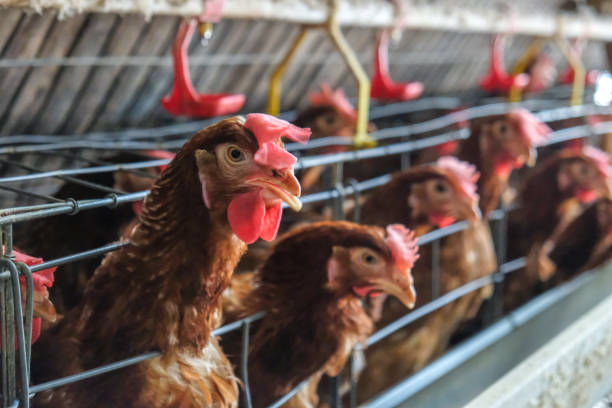
Poultry Farming in Nigeria: A Beginner’s Guide
Poultry Farming in Nigeria: A Beginner’s Guide
Poultry farming in Nigeria has emerged as a vibrant and lucrative sector, holding the potential to uplift individuals and communities while significantly contributing to the nation’s economy. For aspiring entrepreneurs looking to venture into the world of agriculture, poultry farming offers a promising avenue. This comprehensive guide provides a roadmap for beginners, equipping them with the essential knowledge and practical insights needed to navigate the nuances of establishing and managing a successful poultry farm in Nigeria.
Why Poultry Farming in Nigeria?
Before delving into the specifics, it’s crucial to understand why poultry farming is such an attractive prospect in Nigeria. The reasons are manifold:
High Demand for Poultry Products: Chicken and eggs are staples in the Nigerian diet. The ever-growing population and increasing purchasing power have fueled a consistent demand for these products, ensuring a ready market for poultry farmers.
Quick Return on Investment: Compared to other agricultural ventures, poultry farming offers a relatively quick return on investment. Chickens mature rapidly, and egg production starts within a few months. This allows farmers to generate income in a shorter timeframe.
Relatively Low Start-Up Costs: While large-scale poultry farms can require significant capital, starting small with a manageable flock is achievable with a moderate budget. This makes it accessible to individuals with limited resources.
Employment Opportunities: Poultry farming not only provides income for the farmer but also creates employment opportunities for farm workers, contributing to poverty reduction and economic growth.
Versatile Farming Options: Poultry farming offers flexibility in terms of scale and specialization. Farmers can choose to focus on egg production (layers), meat production (broilers), or a combination of both. They can also choose between intensive and extensive farming systems, depending on their resources and preferences.
Getting Started: Essential Steps for Aspiring Poultry Farmers
Embarking on a poultry farming venture requires careful planning and execution. Here are the key steps to take:
Conduct Thorough Research and Planning:
Market Analysis: Before investing, conduct thorough market research to understand the demand for poultry products in your target area. Identify potential customers, such as restaurants, hotels, supermarkets, and local markets. Analyze pricing trends and identify opportunities for value addition.
Choose Your Niche: Decide whether you want to focus on egg production (layers), meat production (broilers), or a combination of both. Each niche has its own specific requirements and challenges.
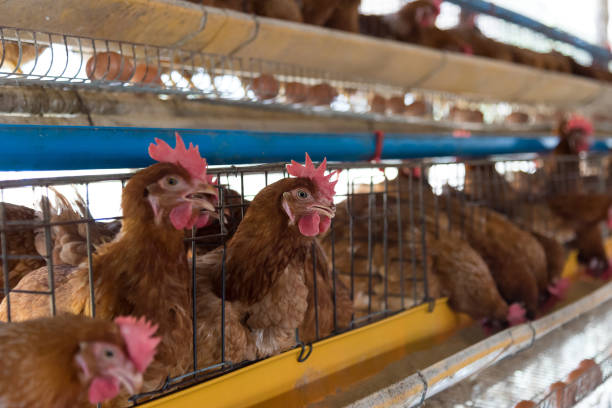
Develop a Business Plan: A comprehensive business plan is essential for securing funding and guiding your operations. It should include a detailed description of your farm, target market, production plan, marketing strategy, financial projections, and management team.
Training and Mentorship: Seek training and mentorship from experienced poultry farmers or agricultural extension officers. This will provide you with valuable practical knowledge and insights.
Secure Land and Housing:
Land Acquisition: Choose a suitable location for your farm, considering factors such as accessibility, proximity to markets, availability of water and electricity, and environmental regulations. The size of the land will depend on the scale of your operation.
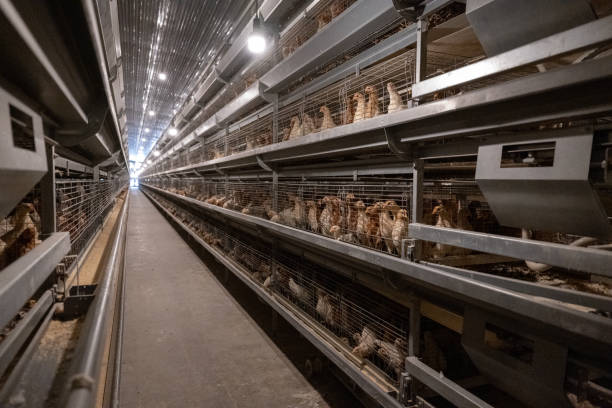
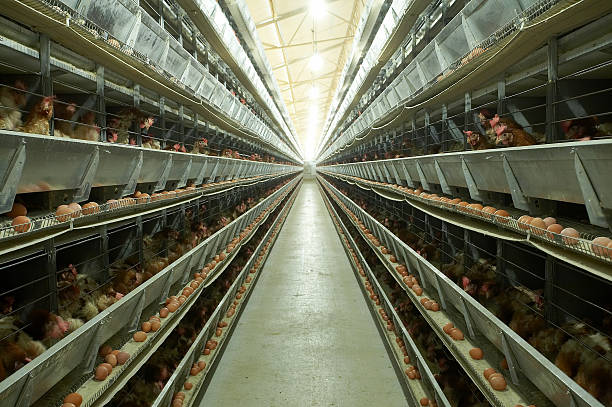
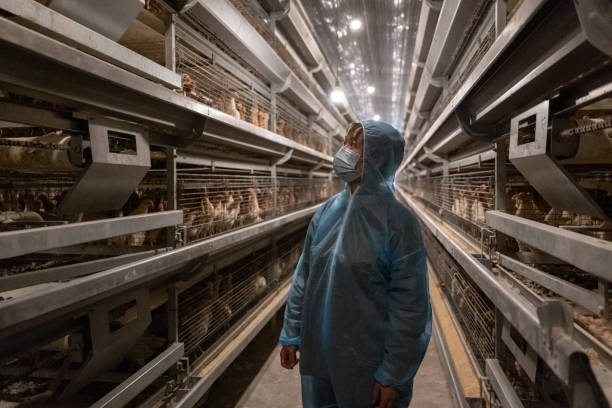
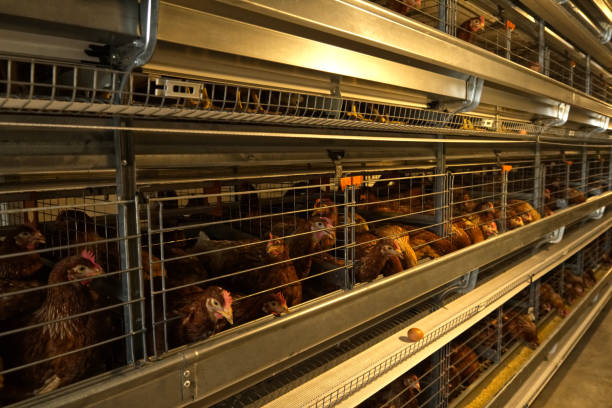
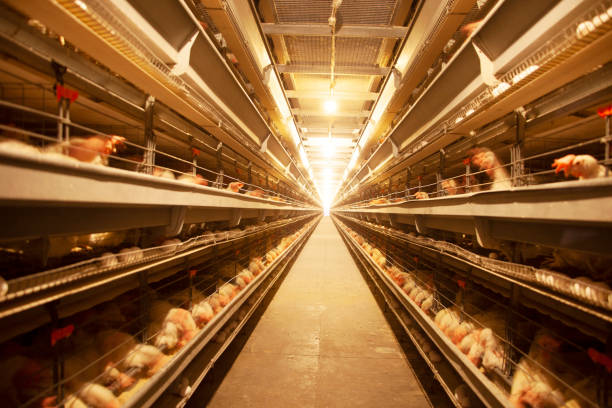
Poultry Housing: Construct or renovate poultry houses that provide adequate space, ventilation, lighting, and protection from predators and the elements. Consider using locally available materials to reduce costs. Ensure the houses are easy to clean and disinfect. Modern poultry housing include chicken cages, which maximize space and improve management.
Choose Your Breed and Source Quality Chicks:
Breed Selection: Select a breed that is well-suited to the Nigerian climate and market demand. Popular breeds for egg production include Lohmann Brown, Isa Brown, and Hy-Line Brown. For meat production, consider Cobb 500, Arbor Acres, and Ross 308.
Source Quality Chicks: Purchase chicks from reputable hatcheries that guarantee the health and genetic quality of their birds. Avoid buying chicks from unreliable sources, as they may be diseased or have poor growth potential. Day-old chicks are the most common choice and require specialized brooding.
Implement Proper Feeding and Nutrition:
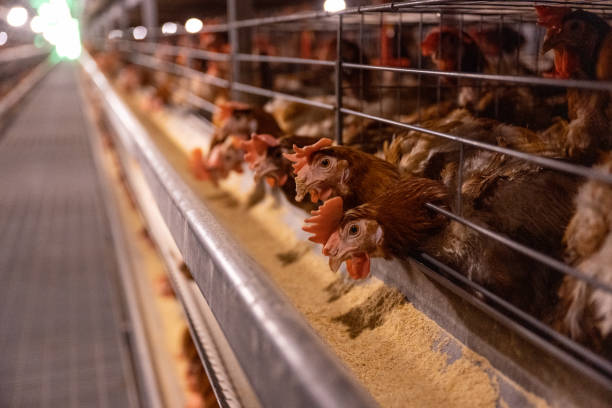
Balanced Diet: Provide your chickens with a balanced diet that meets their nutritional needs. Use commercially available poultry feed or formulate your own feed using locally sourced ingredients. Ensure the feed is of high quality and free from contaminants.
Feeding Schedule: Establish a regular feeding schedule and provide your chickens with adequate amounts of feed and water. Monitor their feed intake and adjust the ration as needed. Use appropriate feeders and drinkers to minimize feed wastage and water spillage.
Supplementation: Supplement your chickens’ diet with vitamins, minerals, and other essential nutrients to promote growth, egg production, and disease resistance.
Implement Effective Health Management Practices:
Biosecurity: Implement strict biosecurity measures to prevent the introduction and spread of diseases. Restrict access to the farm, sanitize footwear and equipment, and quarantine new birds.
Vaccination: Vaccinate your chickens against common poultry diseases, such as Newcastle disease, infectious bursal disease, and fowl pox. Follow a vaccination schedule recommended by a veterinarian.
Parasite Control: Control internal and external parasites, such as worms, mites, and lice. Use appropriate deworming and insecticide treatments.
Regular Monitoring: Regularly monitor your chickens for signs of illness or distress. Consult a veterinarian promptly if you suspect any health problems.
Proper Waste Management: Implement a proper waste management system to prevent the buildup of manure and other organic matter. Dispose of dead birds and waste materials safely and hygienically.
Medication: Use medication prudently and only under the guidance of a veterinarian. Avoid the overuse of antibiotics, as this can lead to antibiotic resistance.
Implement Effective Farm Management Practices:
Record Keeping: Maintain detailed records of all farm activities, including feed consumption, egg production, mortality rates, and expenses. This will help you track your performance, identify problems, and make informed decisions.
Financial Management: Manage your finances prudently. Track your income and expenses, prepare budgets, and monitor your cash flow.
Marketing and Sales: Develop a marketing strategy to promote your products and reach your target customers. Consider selling directly to consumers, retailers, restaurants, or hotels. Explore opportunities for value addition, such as processing and packaging. Use social media and other online platforms to reach a wider audience.
Staff Management: If you employ farm workers, treat them fairly and provide them with proper training and support. Motivate them to work hard and contribute to the success of the farm.
Continuous Improvement: Stay up-to-date on the latest poultry farming techniques and technologies. Attend workshops, seminars, and conferences to learn from experts and network with other farmers.
Choose the Right Poultry Equipment
Chicken Cages: Chicken cages are an essential part of modern poultry farming equipment. Chicken cages make full use of space and help farmers manage their flocks and can improve productivity. Automatic chicken cages can save a lot of manpower, and the chickens raised are also healthier.
Challenges and Opportunities in Nigerian Poultry Farming
While poultry farming in Nigeria offers significant opportunities, it also presents several challenges:
High Feed Costs: The cost of poultry feed is a major constraint for many farmers. This is due to the high cost of imported ingredients, such as maize and soybean meal.
Disease Outbreaks: Poultry farms are vulnerable to disease outbreaks, which can cause significant losses.
Poor Infrastructure: Inadequate infrastructure, such as roads, electricity, and water supply, can hinder poultry farming operations.
Lack of Access to Credit: Many small-scale farmers struggle to access credit to finance their operations.
Competition: The poultry industry is becoming increasingly competitive, with both local and foreign producers vying for market share.
To overcome these challenges, poultry farmers need to:
Source Feed Ingredients Locally: Explore opportunities to source feed ingredients locally, such as maize, soybeans, and groundnut cake.
Improve Biosecurity: Implement strict biosecurity measures to prevent disease outbreaks.
Invest in Infrastructure: Invest in infrastructure, such as boreholes and generators, to ensure a reliable supply of water and electricity.
Access Credit: Seek access to credit from government agencies, banks, or microfinance institutions.
Enhance Competitiveness: Improve their production efficiency, reduce costs, and differentiate their products to enhance their competitiveness.
Key Considerations for Success
Start Small and Scale Up Gradually: Begin with a manageable flock and gradually expand your operations as you gain experience and confidence.
Focus on Quality: Produce high-quality products that meet the needs of your customers.
Manage Your Finances Prudently: Track your income and expenses, prepare budgets, and monitor your cash flow.
Seek Expert Advice: Consult with experienced poultry farmers, veterinarians, and agricultural extension officers.
Stay Up-to-Date: Keep abreast of the latest poultry farming techniques and technologies.
Network with Other Farmers: Join poultry farming associations and attend industry events to network with other farmers and learn from their experiences.
Be Patient and Persistent: Poultry farming can be challenging, but with hard work, dedication, and a willingness to learn, you can succeed.
Conclusion
Poultry farming in Nigeria presents a compelling opportunity for aspiring entrepreneurs seeking a profitable and sustainable venture. By following the steps outlined in this guide, conducting thorough research, implementing best practices, and overcoming the challenges, beginners can establish and manage successful poultry farms that contribute to the nation’s food security and economic development. Remember to start small, focus on quality, manage your finances prudently, and seek expert advice along the way. With patience, persistence, and a commitment to continuous improvement, you can achieve your goals and become a successful poultry farmer in Nigeria.