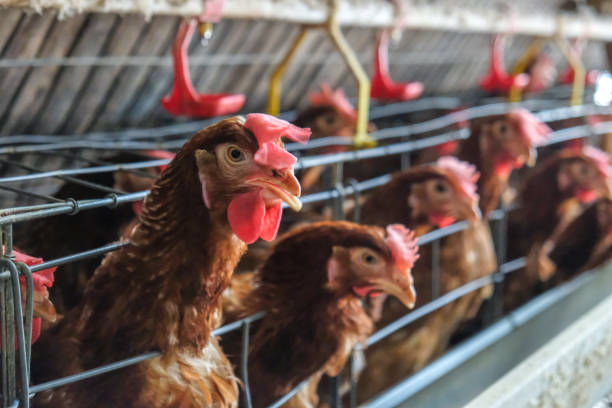
Starting a Profitable Poultry Farm in Nigeria: Key Steps to Success
Starting a Profitable Poultry Farm in Nigeria: Key Steps to Success
Poultry farming in Nigeria presents a lucrative opportunity for both small-scale and large-scale entrepreneurs. With a consistently high demand for chicken meat and eggs, understanding the key steps to establishing and managing a profitable poultry farm is crucial for success. This article provides a comprehensive guide to help you navigate the complexities of poultry farming in Nigeria and maximize your returns.
Conduct Thorough Market Research
Before diving headfirst into poultry farming, it’s essential to understand the market dynamics in your target region.
Identify Your Target Market: Will you primarily focus on producing eggs (layers), meat (broilers), or both? Understanding your target market is a crucial first step. What are the local consumption patterns for eggs and chicken meat? Are there specific market preferences, like organic or free-range poultry?
Analyze Demand and Supply: Research the current market demand for poultry products in your area. Are there any seasonal fluctuations in price and demand? Identify your potential competitors and analyze their strengths and weaknesses.
Evaluate Pricing Strategies: Determine a competitive pricing strategy that ensures profitability while attracting customers. Consider factors such as production costs, competitor pricing, and market demand. Explore the pricing strategies in practice, such as cost-plus pricing, competitive pricing, and value-based pricing.
Understand Distribution Channels: How will you get your products to the market? Will you sell directly to consumers, retailers, restaurants, or wholesalers? Establishing reliable distribution channels is key to ensuring timely delivery and minimizing post-harvest losses.
Develop a Comprehensive Business Plan
A well-structured business plan is your roadmap to success. It not only outlines your goals but also details the strategies you’ll employ to achieve them.
Executive Summary: A concise overview of your business, including your mission, goals, and strategies.
Company Description: Detailed information about your farm, including its legal structure, location, and management team.
Market Analysis: A comprehensive analysis of the poultry market in your target region, including demand, supply, competition, and pricing strategies.
Product and Services: A detailed description of your poultry products (eggs, meat, etc.) and any associated services (e.g., processing, packaging).
Marketing and Sales Strategy: Your plan for attracting customers, promoting your products, and generating sales.
Management Team: Information about the key personnel involved in the management of the farm, highlighting their experience and expertise.
Operational Plan: A step-by-step guide to your farm’s operations, including poultry rearing techniques, feeding schedules, disease control, and waste management.
Financial Projections: Detailed financial forecasts, including startup costs, operating expenses, revenue projections, and profitability analysis. This section should include a break-even analysis to determine the sales volume required to cover all costs.
Funding Request (if necessary): If you’re seeking external funding, clearly state the amount required and how it will be used.
Secure Adequate Funding
Poultry farming requires a significant initial investment. Explore various funding options to secure the necessary capital.
Personal Savings: Utilize your personal savings as a primary source of funding.
Loans: Explore loan options from banks, microfinance institutions, and agricultural development agencies.
Grants: Research available grants from government agencies, NGOs, and international organizations that support agricultural development.
Investors: Attract investors by presenting a compelling business plan and demonstrating the potential for high returns.
Cooperative Societies: Consider joining or forming a cooperative society to pool resources and access funding opportunities.
Choose the Right Poultry Breed
Selecting the appropriate poultry breed is crucial for maximizing productivity and profitability.
Broilers (Meat Production): Popular broiler breeds in Nigeria include Cobb 500, Arbor Acres, and Ross 308. These breeds are known for their rapid growth rate and efficient feed conversion.
Layers (Egg Production): Common layer breeds include Isa Brown, Lohmann Brown, and Bovans Brown. These breeds are high egg producers and are well-suited for commercial egg farming.
Dual-Purpose Breeds: These breeds are suitable for both meat and egg production. Examples include the local Nigerian breeds and some improved breeds like the Kuroiler.
Consider Your Market: Different breeds are better suited for different markets. Research the specific requirements of your target market before selecting a breed.
Consult with Experts: Seek advice from experienced poultry farmers or agricultural extension officers to determine the best breed for your specific conditions.
Acquire Suitable Land and Build Infrastructure

The location and infrastructure of your poultry farm are critical to its success.
Location: Choose a location that is accessible, has a good water supply, and is away from residential areas to minimize noise and odor complaints. Consider the proximity to markets and suppliers.
Land Size: Determine the appropriate land size based on the scale of your operation and the number of birds you plan to raise.
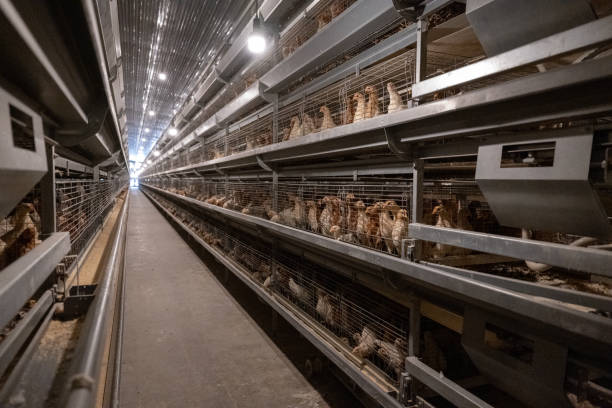
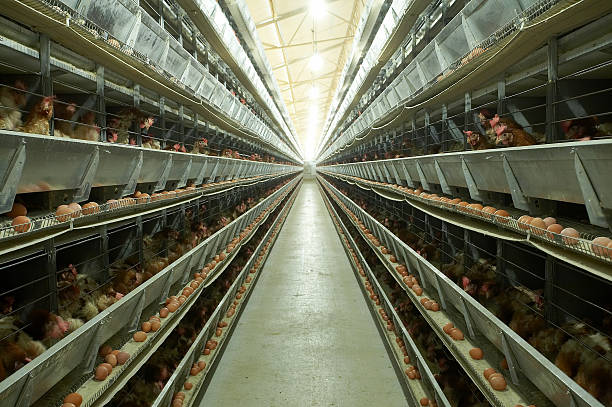
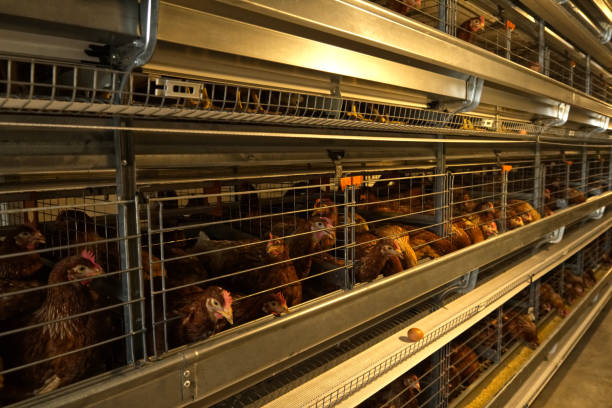
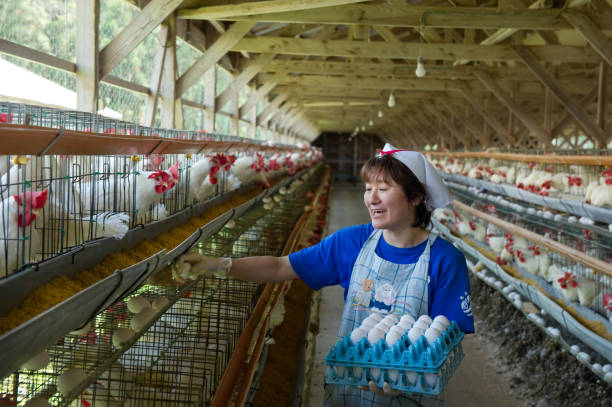
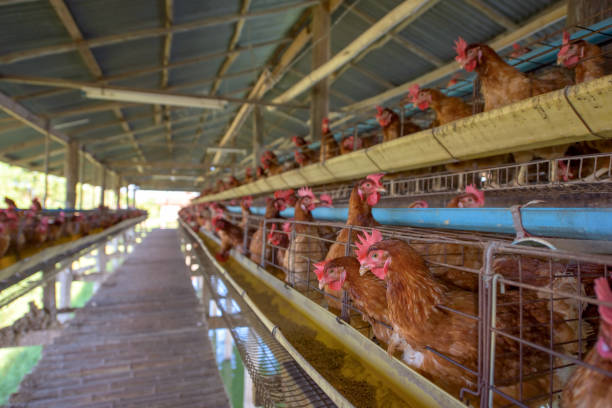
Housing: Construct well-ventilated and adequately spaced poultry houses to ensure the birds’ comfort and health. Consider using deep litter, slatted floors, or battery cages, depending on your preference and budget. Use materials that are durable and easy to clean and disinfect.
Equipment: Invest in essential equipment such as feeders, drinkers, brooders, incubators (if hatching chicks), and waste management systems. Choose equipment that is efficient, durable, and easy to maintain. Different types of poultry equipment, like feeding systems, drinking systems, and manure removal systems, vary in performance and cost. Automatic poultry equipment can help you reduce labor costs.
Water Supply: Ensure a reliable source of clean water for drinking, cleaning, and other farm operations. Consider installing a borehole or rainwater harvesting system.
Power Supply: Provide a reliable power supply, either through the national grid or a generator, to ensure continuous operation of equipment such as lighting, ventilation, and incubators.
Implement Proper Poultry Management Practices
Effective management practices are essential for maintaining the health and productivity of your poultry.
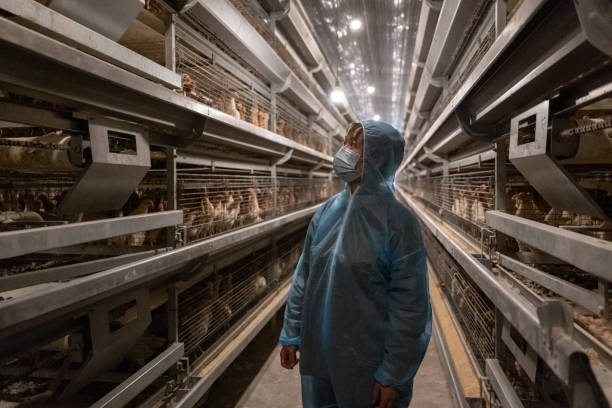
Biosecurity: Implement strict biosecurity measures to prevent the introduction and spread of diseases. This includes controlling access to the farm, disinfecting equipment and vehicles, and implementing proper hygiene practices.
Vaccination: Follow a comprehensive vaccination program to protect your birds against common poultry diseases such as Newcastle disease, Gumboro disease, and fowl pox.
Feeding: Provide a balanced diet that meets the nutritional needs of your birds at different stages of growth. Use high-quality feed from reputable suppliers. Ensure that feed and water are always available.
Ventilation: Maintain proper ventilation in the poultry houses to ensure adequate air circulation and prevent the build-up of harmful gases.
Lighting: Provide appropriate lighting for optimal growth and egg production. Implement a lighting program that mimics natural daylight patterns.
Waste Management: Implement a sustainable waste management system to minimize environmental pollution and prevent the spread of diseases. Compost poultry manure or use it as fertilizer for crops.
Record Keeping: Maintain accurate records of all farm operations, including feed consumption, egg production, mortality rates, and expenses. This will help you track your farm’s performance and identify areas for improvement.
Pest and Predator Control: Implement measures to control pests such as rodents and insects, as well as predators such as snakes and birds of prey.
Focus on Marketing and Sales
Effective marketing and sales strategies are crucial for maximizing your profits.
Build Relationships: Establish strong relationships with retailers, restaurants, wholesalers, and other potential customers.
Promote Your Products: Utilize various marketing channels to promote your products, including online advertising, social media, local newspapers, and radio.
Offer Competitive Pricing: Develop a pricing strategy that is competitive while ensuring profitability.
Branding: Create a strong brand identity for your products, including a logo, packaging, and marketing materials.
Direct Sales: Consider selling your products directly to consumers through farmers’ markets, farm shops, or online platforms.
Value-Added Products: Explore opportunities to add value to your products, such as producing processed chicken meat or organic eggs.
Seek Expert Advice and Continuous Learning
Poultry farming is a dynamic industry. Continuous learning and seeking expert advice are essential for staying ahead.
Consult with Agricultural Extension Officers: Seek advice from agricultural extension officers on best practices in poultry farming.
Attend Workshops and Seminars: Participate in workshops, seminars, and training programs to learn about new technologies, techniques, and market trends.
Join Poultry Associations: Join poultry associations to network with other farmers, share experiences, and access valuable resources.
Read Relevant Publications: Stay updated on the latest developments in poultry farming by reading industry publications, research articles, and online resources.
Learn from Experienced Farmers: Visit successful poultry farms and learn from the experiences of other farmers in your area.
Maintain Strict Hygiene and Sanitation
Regular Cleaning: Regularly clean and disinfect poultry houses and equipment to prevent the build-up of pathogens.
Proper Waste Disposal: Dispose of dead birds and waste materials properly to prevent the spread of diseases.
Foot Baths and Hand Sanitizers: Place foot baths and hand sanitizers at the entrance of poultry houses to minimize the risk of contamination.
Control Visitors: Restrict access to the farm and poultry houses to essential personnel only.
Quarantine New Birds: Quarantine new birds before introducing them to the existing flock to prevent the spread of diseases.
Adapt to Changing Market Conditions
The poultry market is constantly evolving. Adapt to changing market conditions to maintain profitability.
Monitor Market Trends: Continuously monitor market trends and adjust your production and marketing strategies accordingly.
Diversify Your Products: Consider diversifying your product line to reduce your reliance on a single product.
Improve Efficiency: Continuously strive to improve the efficiency of your farm operations to reduce costs and increase profitability.
Embrace Technology: Embrace new technologies to improve your farm’s efficiency, productivity, and marketing capabilities.
Stay Flexible: Be prepared to adapt your business plan and strategies as needed to respond to changing market conditions and challenges.
By following these key steps, you can increase your chances of establishing and managing a profitable poultry farm in Nigeria. Remember that success requires dedication, hard work, and a commitment to continuous learning and improvement. The potential rewards, however, are significant, offering both financial security and a valuable contribution to the Nigerian economy.