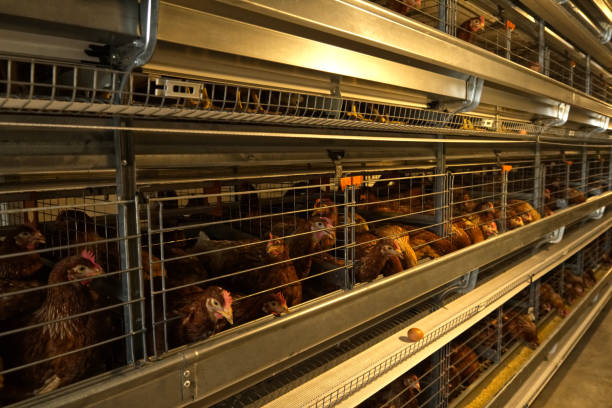
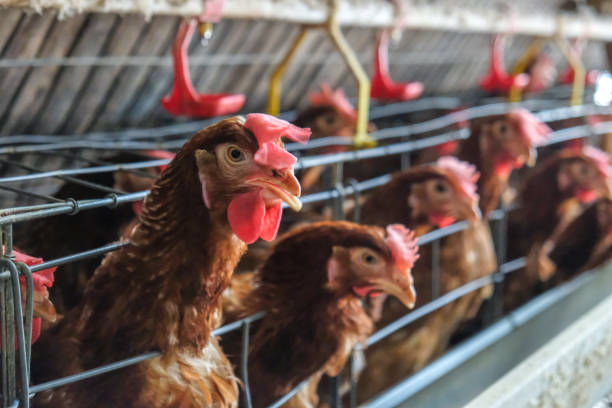
Reliable Layer Cage Suppliers: Get Quality & Affordable Cages for Your Farm
 time:
2025-06-26
time:
2025-06-26 Reliable Layer Cage Suppliers: Get Quality & Affordable Cages for Your Farm
For poultry farmers, especially those focused on egg production, the selection of the right layer cages is a critical decision that can significantly impact the efficiency, profitability, and overall success of their operation. Finding reliable layer cage suppliers who can provide quality and affordable cages is paramount. This article delves into the nuances of selecting reliable suppliers, the types of layer cages available, key considerations when making your purchase, and how to ensure the longevity of your poultry equipment.
Why Choosing the Right Layer Cage Supplier Matters
The market is flooded with poultry equipment suppliers, each claiming to offer the best solution. However, not all suppliers are created equal. Partnering with a reliable supplier offers several advantages:
Quality Assurance: Reputable suppliers provide cages made from durable materials that withstand the rigors of daily use in a poultry environment. This translates to a longer lifespan for your equipment and reduced maintenance costs.
Customization Options: Every farm is unique, and a good supplier will offer customization options to tailor the cages to your specific needs, flock size, and farm layout.
Expert Advice: A reliable supplier is more than just a seller; they are a partner who can offer expert advice on cage selection, installation, and management practices.
After-Sales Support: Comprehensive after-sales support, including maintenance services and spare parts availability, ensures that you can keep your operation running smoothly.
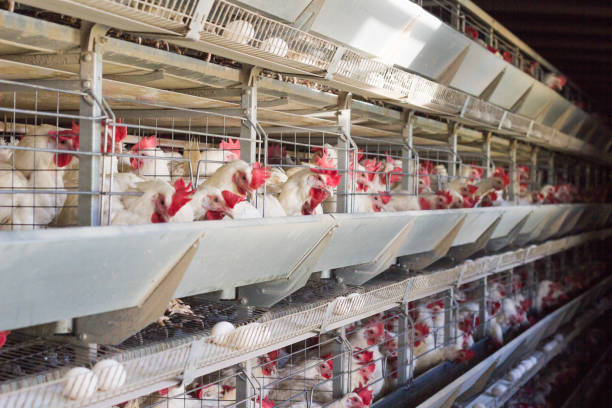
Warranty and Guarantees: Reputable suppliers stand behind their products with warranties and guarantees, providing peace of mind and protecting your investment.
Types of Layer Cages Available
Layer cages come in various designs and configurations, each with its own set of advantages and disadvantages. Understanding the different types available is crucial for making an informed decision.
A-Frame Cages: These are the most traditional type of layer cages, characterized by their A-shaped frame. They are relatively inexpensive and easy to install, making them a popular choice for small to medium-sized farms. The design allows for easy egg collection and manure removal.
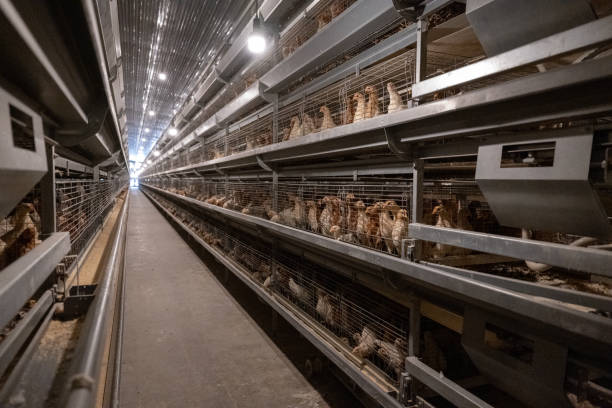
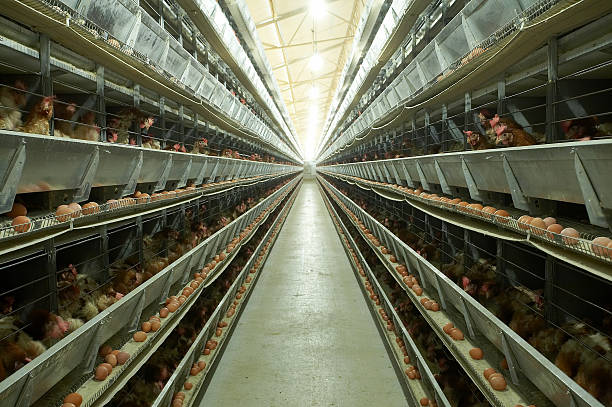
H-Frame Cages: H-frame cages are a more modern design that maximizes space utilization. They are typically multi-tiered and can accommodate a larger number of birds in a smaller footprint. These cages often incorporate automated feeding and drinking systems, reducing labor costs.
Flat Deck Cages: Flat deck cages are a single-tiered system that is easy to manage and monitor. They provide good visibility of the birds and allow for individual attention if needed. This type of cage is suitable for smaller flocks or farms where individual bird management is a priority.
Battery Cages: Battery cages are a controversial type of cage that has been widely used in the past. They are characterized by their small size and high stocking density. However, due to animal welfare concerns, battery cages are being phased out in many countries.
Enriched Cages: Enriched cages are designed to provide a more natural environment for laying hens. They include features such as perches, nesting areas, and scratching pads, allowing the birds to exhibit more of their natural behaviors. These cages are becoming increasingly popular as consumers demand more humane treatment of farm animals.
Key Considerations When Choosing Layer Cages
Selecting the right layer cages involves careful consideration of several factors. Here are some key aspects to keep in mind:
Flock Size: The size of your flock is a primary determinant of the type and number of cages you will need. Consider your current flock size and future expansion plans when making your decision.
Farm Layout: The layout of your farm will influence the type of cage that is most suitable. Consider the available space, the shape of the building, and the ease of access for feeding, egg collection, and manure removal.
Material Quality: The quality of the materials used to construct the cages is critical for their durability and longevity. Look for cages made from galvanized steel or other corrosion-resistant materials. The gauge of the wire mesh should also be thick enough to withstand the weight of the birds and prevent sagging.
Cage Dimensions: The dimensions of the cages should be appropriate for the size and breed of your laying hens. Ensure that the cages provide adequate space for the birds to move around, stand, and lie down comfortably.
Ventilation and Lighting: Proper ventilation and lighting are essential for the health and productivity of your laying hens. The cages should be designed to allow for good airflow and natural light penetration. Consider supplemental lighting options if necessary.
Feeding and Drinking Systems: Choose cages with efficient and reliable feeding and drinking systems. Automatic feeding and watering systems can significantly reduce labor costs and ensure that the birds have consistent access to food and water.
Egg Collection System: The egg collection system should be designed to minimize egg breakage and maintain egg quality. Consider automatic egg collection systems for larger operations to further reduce labor costs.
Manure Removal System: Efficient manure removal is critical for maintaining a clean and hygienic environment. Choose cages with a manure removal system that is easy to operate and maintain. Options include manual scraping, automatic scrapers, and deep pit systems.
Animal Welfare: Consider the welfare of your laying hens when choosing cages. Opt for cages that provide adequate space, ventilation, and access to enrichment items such as perches and nesting areas.
Cost: The cost of the cages is an important consideration, but it should not be the only factor. Consider the long-term benefits of investing in high-quality cages that will last longer and improve the productivity of your flock.
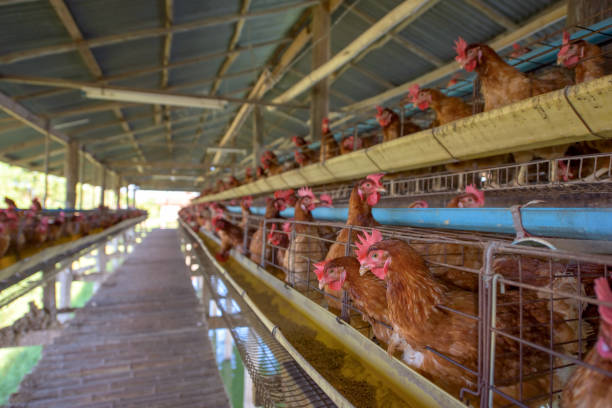
Regulations and Standards: Be aware of any local regulations or industry standards regarding layer cages. Ensure that the cages you choose comply with all applicable requirements.
Finding Reliable Layer Cage Suppliers
Identifying reliable layer cage suppliers requires due diligence and careful research. Here are some effective strategies:
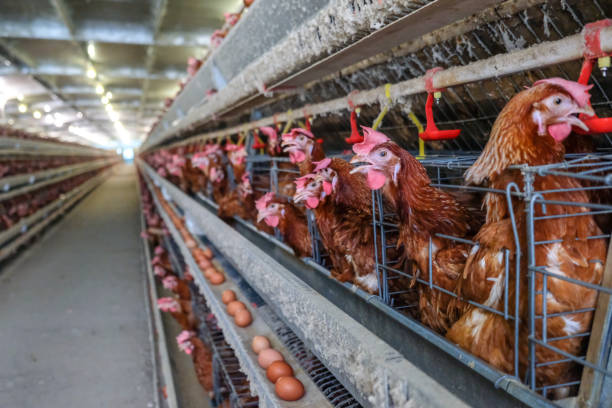
Online Research: Start by searching online for layer cage suppliers. Look for suppliers with a strong online presence, positive customer reviews, and detailed product information.
Trade Shows and Exhibitions: Attend poultry trade shows and exhibitions to meet suppliers in person and see their products firsthand. This is a great opportunity to ask questions, compare different options, and network with other poultry farmers.
Referrals and Recommendations: Ask other poultry farmers for referrals and recommendations. Their firsthand experiences can provide valuable insights into the reliability and quality of different suppliers.
Supplier Visits: If possible, visit the suppliers’ facilities to assess their manufacturing processes, quality control measures, and customer service capabilities.
Check Certifications and Accreditations: Look for suppliers with relevant certifications and accreditations, such as ISO certifications, which demonstrate their commitment to quality and standards.
Request Quotes and Compare Prices: Obtain quotes from multiple suppliers and compare prices, but don’t base your decision solely on cost. Consider the overall value proposition, including quality, service, and warranty.
Read Customer Reviews and Testimonials: Pay close attention to customer reviews and testimonials. Look for patterns and recurring themes that can indicate the supplier’s strengths and weaknesses.
Contact Existing Customers: If possible, contact existing customers of the supplier to get their feedback on the quality of the cages and the level of customer support.
Maintaining Your Layer Cages for Longevity
Once you have chosen and installed your layer cages, proper maintenance is essential for maximizing their lifespan and ensuring optimal performance. Here are some key maintenance tips:
Regular Cleaning: Clean the cages regularly to remove manure, feathers, and other debris. This will help prevent the spread of disease and maintain a hygienic environment.
Inspection and Repair: Inspect the cages regularly for any signs of damage, such as broken wires, loose connections, or corroded areas. Repair any damage promptly to prevent it from worsening.
Lubrication: Lubricate moving parts, such as hinges and latches, to ensure smooth operation and prevent wear and tear.
Corrosion Protection: Apply a corrosion-resistant coating to any exposed metal surfaces to protect them from rust and corrosion.
Proper Ventilation: Ensure that the poultry house is properly ventilated to prevent moisture buildup and reduce the risk of corrosion.
Pest Control: Implement a pest control program to prevent rodents and insects from damaging the cages.
Follow Manufacturer’s Recommendations: Follow the manufacturer’s recommendations for maintenance and cleaning to ensure that you are using the correct procedures and products.
Keep Records: Keep records of all maintenance activities, including dates, repairs, and replacements. This will help you track the performance of your cages and identify any recurring problems.
By following these tips, you can extend the lifespan of your layer cages and keep your poultry operation running smoothly.
In conclusion, selecting reliable layer cage suppliers is crucial for the success of any egg-laying poultry farm. By carefully considering the type of cages available, the key factors to consider when making your purchase, and the importance of ongoing maintenance, you can ensure that you are investing in equipment that will provide years of reliable service and contribute to a profitable operation. Remember to prioritize quality, durability, and animal welfare when making your decision, and don’t hesitate to seek expert advice from trusted suppliers.