Investing in Quality: Selecting the Best Chicken Cage Equipment for Your African Farm
Investing in Quality: Selecting the Best Chicken Cage Equipment for Your African Farm
Starting or expanding a chicken farm in Africa is an exciting and potentially profitable venture. However, success hinges on several factors, one of the most crucial being the selection of appropriate and high-quality chicken cage equipment. The right cages not only improve the health and productivity of your flock but also streamline farm operations and boost overall profitability. In this comprehensive guide, we’ll dissect the key considerations for selecting the best chicken cage equipment for your African farm, focusing on durability, suitability for the African climate, and long-term value.
Understanding the African Farming Landscape
Before diving into the specifics of chicken cages, it’s important to acknowledge the unique challenges and opportunities presented by the African farming environment. Factors like extreme weather conditions, varying resource availability, and prevalent diseases require specialized solutions.
Climate Considerations: Many regions in Africa experience intense heat and humidity. Therefore, the chicken cage material and design must promote adequate ventilation and prevent overheating.
Resource Limitations: Water scarcity and fluctuating feed costs are common challenges. Cage systems should be designed to optimize water usage and minimize feed wastage.
Disease Prevention: The risk of disease outbreaks is higher in some areas. Cages should facilitate easy cleaning and disinfection to maintain optimal hygiene and prevent the spread of infections.
Local Availability of Materials: Opting for cage systems that can be repaired or modified using locally sourced materials can significantly reduce maintenance costs and downtime.
Types of Chicken Cage Systems
Chicken cage systems vary widely in design, size, and functionality. Choosing the right type depends on your farming goals, flock size, and available resources. Here’s an overview of the most prevalent types:
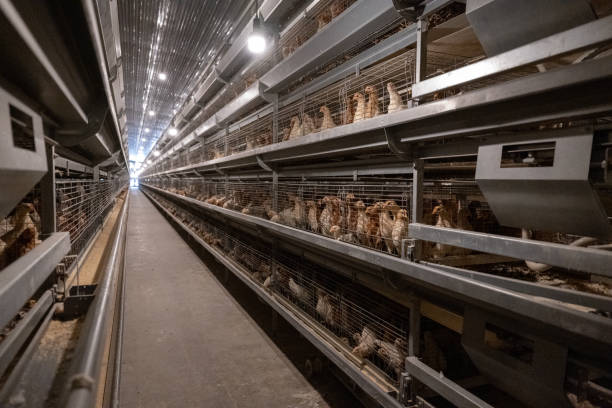
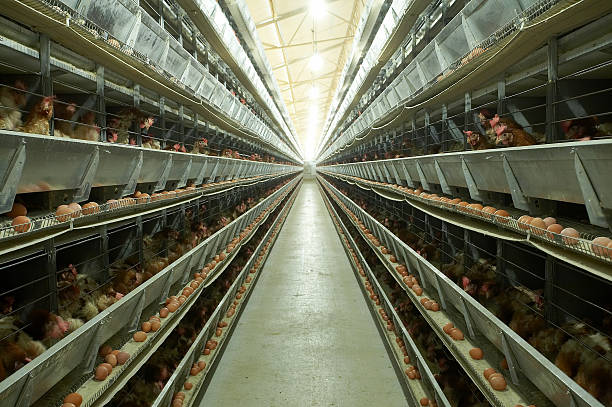
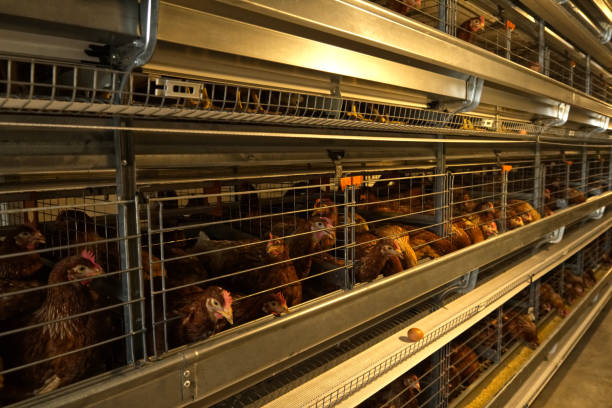
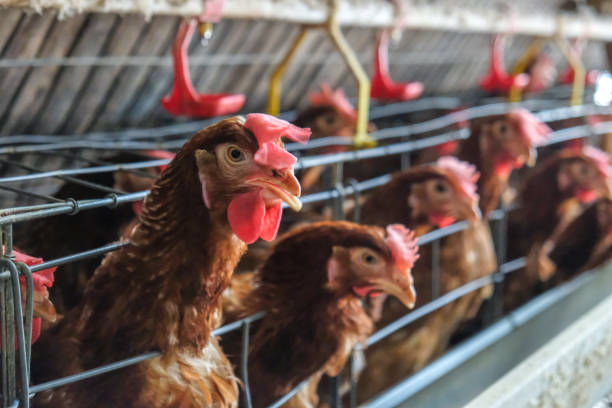
Layer Cages (Egg-Laying Chickens): Layer cages are designed to house hens specifically for egg production. They typically consist of multiple tiers, with each tier divided into individual cells or groups of cells. Layer cages offer several advantages:
Improved egg hygiene: Eggs roll away from the hens, reducing contamination and breakage.
Easier egg collection: Centralized egg collection systems reduce labor costs and improve efficiency.
Better space utilization: Multi-tiered systems maximize the number of birds that can be housed in a given area.
Reduced cannibalism: Separate cells eliminate the risk of pecking and aggression.
Simplified management: Individual cages allow for easier monitoring and treatment of sick birds.
Layer cages come in different configurations, including A-frame and H-frame designs. A-frame cages are simpler and more affordable, while H-frame cages offer better ventilation and ease of access.
Broiler Cages (Meat Chickens): Broiler cages are designed for raising chickens for meat production. They are typically larger than layer cages to accommodate the faster growth rate and larger size of broiler chickens. Broiler cages are designed with:
Optimized growth: The cages provide adequate space for the broilers to move around and access feed and water.
Improved feed conversion: Cage systems minimize feed wastage and promote efficient feed conversion.
Reduced disease risk: Elevated cages prevent contact with contaminated ground, reducing the risk of disease outbreaks.
Easier harvesting: Broilers can be easily harvested from the cages, reducing labor costs.
Brooder Cages (Chicks): Brooder cages are specifically designed for raising chicks from hatch to a few weeks old. They provide a controlled environment with supplemental heat and protection from predators. Brooder cages are with:
Temperature control: Brooder cages maintain a consistent temperature, crucial for chick survival and growth.
Protection from predators: Enclosed cages provide protection from predators such as rodents and birds.
Easy monitoring: Small cage sizes facilitate close observation of chick health and behavior.
Hygiene: Brooder cages typically have wire mesh floors to allow droppings to fall through, minimizing the risk of contamination.
Battery Cages: Battery cages are a type of layer cage system that houses hens in small, individual cells. They are often used in large-scale commercial egg production. While battery cages offer high egg production efficiency, they have faced criticism from animal welfare advocates due to restricted movement and potential for stress.
High egg production: Battery cages maximize egg production per hen.
Easy cleaning: Battery cages are designed for quick and easy cleaning.
Reduced labor costs: Automated systems reduce labor costs associated with feeding, watering, and egg collection.
Deep Litter Systems: While not technically cages, deep litter systems offer an alternative housing method for chickens. In this system, chickens are raised on a thick layer of bedding material, such as wood shavings or straw. Deep litter systems allow for more natural behavior and movement but require more space and labor for cleaning and maintenance.
Key Considerations When Choosing Chicken Cage Equipment
Now that you understand the different types of chicken cage systems, let’s delve into the crucial factors to consider when selecting the best equipment for your African farm:
Material Quality and Durability: The harsh African climate demands robust and durable chicken cage materials.
Galvanized Steel: Galvanized steel is a popular choice due to its resistance to corrosion and rust. Look for cages with a thick galvanization coating for maximum lifespan.
Stainless Steel: Stainless steel offers superior corrosion resistance but is more expensive than galvanized steel. It is ideal for farms in coastal areas or those with high humidity.
Plastic: Plastic cages are lightweight, easy to clean, and resistant to rust. However, they may be less durable than steel cages and susceptible to damage from extreme heat. Choose high-quality, UV-resistant plastic for durability.
Welding and Construction: Inspect the welding joints and overall construction of the cages. Weak welds can lead to cage collapse and injuries to your birds.
Cage Size and Density: The size of the individual cages and the density of birds per cage have a significant impact on bird welfare and productivity.
Layer Cages: As a general guideline, each layer hen should have at least 450 square centimeters of floor space.
Broiler Cages: Broilers require more space than layers, with a recommended density of no more than 12 birds per square meter.
Chick Cages: Chicks should have enough space to move freely and access feed and water without competition. Overcrowding can lead to stress, disease, and reduced growth rates.
Ventilation and Airflow: Adequate ventilation is crucial for maintaining a healthy environment inside the cages.
Cage Design: Choose cages with open sides or mesh panels to promote airflow.
Cage Placement: Position cages in a way that allows for optimal air circulation. Avoid overcrowding cages in a confined space.
Fans: Consider installing fans to improve ventilation, especially in hot and humid climates.
Feeding and Watering Systems: Efficient feeding and watering systems are essential for optimizing bird growth and egg production.
Automatic Feeders: Automatic feeding systems save labor and ensure that birds have constant access to feed. Choose feeders that minimize feed wastage and are easy to clean.
Nipple Drinkers: Nipple drinkers provide a clean and reliable source of water for chickens. They minimize water spillage and reduce the risk of contamination.
Water Filters: Install water filters to remove sediment and bacteria from the water supply.
Waste Management: Proper waste management is critical for maintaining hygiene and preventing the spread of disease.
Manure Removal Systems: Consider cages with built-in manure removal systems, such as scraper systems or conveyor belts, to simplify the cleaning process.
Cage Floor Design: Choose cages with wire mesh floors that allow droppings to fall through, reducing contact between birds and waste.
Ease of Cleaning and Disinfection: Regular cleaning and disinfection are essential for preventing disease outbreaks.
Cage Material: Choose cages made of materials that are easy to clean and disinfect, such as galvanized steel or plastic.

Cage Design: Opt for cages with simple designs and smooth surfaces to facilitate thorough cleaning.
Disinfectants: Use appropriate disinfectants to kill bacteria and viruses.
Accessibility and Ergonomics: The design of the cage system should allow for easy access to the birds for feeding, watering, egg collection, and health checks.
Cage Height: Choose cages with a comfortable height to minimize strain on your back and joints.
Door Design: Ensure that the doors are easy to open and close and provide ample access to the birds.
Predator Protection: Protect your flock from predators such as rodents, snakes, and birds of prey.
Enclosed Structures: House your cages in enclosed structures to prevent predator access.
Mesh Screens: Install mesh screens around the cages to keep out smaller predators.
Secure Doors: Ensure that all doors and openings are securely closed at night.
Local Support and Availability of Spare Parts: Choose a supplier who provides local support and readily available spare parts. This will minimize downtime and reduce maintenance costs.
Cost-Effectiveness: While it’s tempting to opt for the cheapest option, prioritize quality and durability over initial cost savings. High-quality cages will last longer, require less maintenance, and ultimately provide a better return on investment.
Where to Source Chicken Cage Equipment
There are several options for sourcing chicken cage equipment for your African farm:
Local Manufacturers: Local manufacturers may offer customized solutions and are often more affordable than imported options. However, ensure that the quality of their products meets your standards.
International Suppliers: International suppliers offer a wider range of options and may have higher quality products. However, consider the shipping costs, import duties, and potential delays.
Online Marketplaces: Online marketplaces connect you with suppliers from around the world. However, exercise caution and thoroughly research the supplier before making a purchase.

Maintenance and Longevity
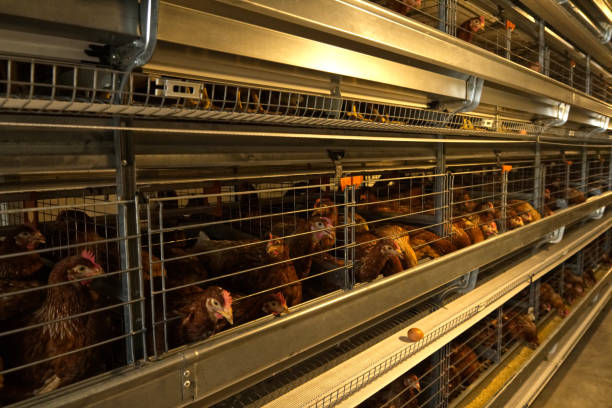
Once you’ve chosen and installed your chicken cage equipment, proper maintenance is essential for prolonging its lifespan and ensuring the health and productivity of your flock.
Regular Cleaning: Clean the cages regularly to remove manure, spilled feed, and other debris.
Disinfection: Disinfect the cages regularly to kill bacteria and viruses.
Inspection: Inspect the cages regularly for signs of damage, such as rust, broken welds, or loose wires.
Repairs: Repair any damage promptly to prevent further deterioration.
Lubrication: Lubricate moving parts, such as hinges and door latches, to ensure smooth operation.
Weather Protection: Protect the cages from the elements, especially during extreme weather conditions.
Conclusion
Investing in high-quality chicken cage equipment is a critical decision for any African poultry farmer. By carefully considering the unique challenges and opportunities of the African farming environment and focusing on durability, suitability, and cost-effectiveness, you can select the best cage system for your farm and ensure the long-term success of your poultry business. Remember to prioritize quality over initial cost savings and choose a supplier who provides local support and readily available spare parts. With the right equipment and proper maintenance, you can create a healthy and productive environment for your flock and achieve your farming goals.