Low-Cost Battery Cage Solutions: Maximizing Egg Production for African Farmers
Low-Cost Battery Cage Solutions: Maximizing Egg Production for African Farmers
For African farmers looking to boost their egg production, low-cost battery cage solutions offer a viable and efficient path forward. These systems, while requiring an initial investment, can significantly improve flock management, increase egg yields, and contribute to a more sustainable and profitable poultry farming operation. This article explores the benefits of adopting battery cages, factors contributing to their affordability for African farmers, key considerations when implementing such systems, and practical tips for maximizing egg production.
**Understanding Battery Cage Systems**
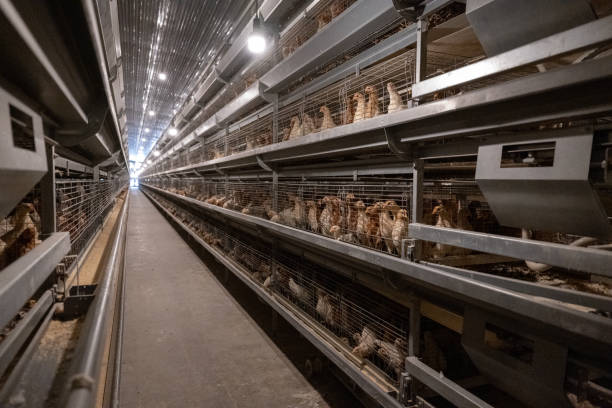
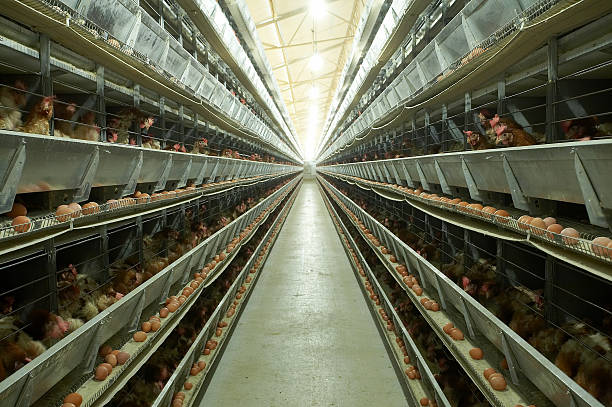
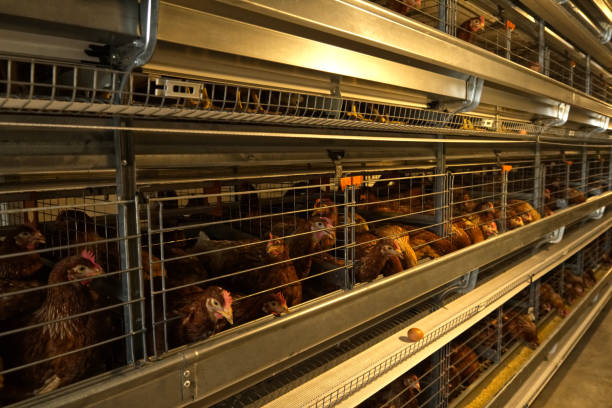
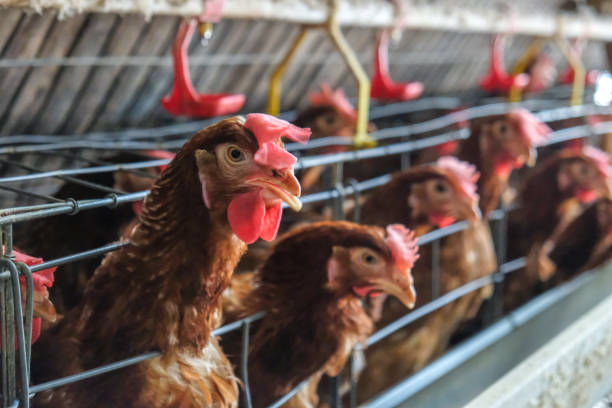
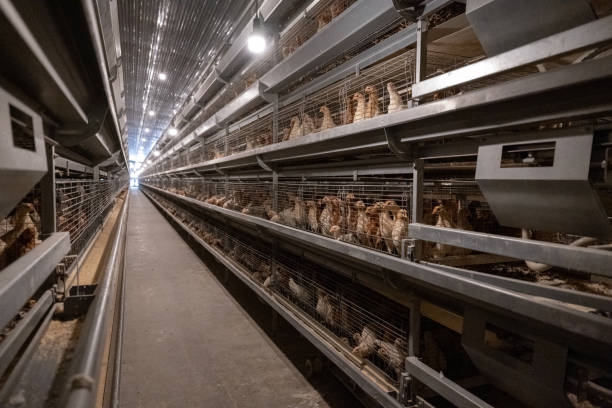
Battery cages are a type of housing system for laying hens where multiple birds are kept in individual or small group cages with wire or mesh floors. These cages are typically arranged in rows and tiers, optimizing space utilization. Battery cages offer several advantages:
* **Improved Hygiene:** The wire mesh floors allow droppings to fall through, reducing contact with the hens and minimizing the risk of disease. This contributes to better overall flock health and reduces the reliance on antibiotics.
* **Easier Management:** Individual cages allow for easier monitoring of each hen’s health and egg production. Farmers can quickly identify and address any potential problems, such as illness or reduced laying rates.
* **Increased Egg Production:** Compared to free-range or deep-litter systems, battery cages generally lead to higher egg production rates. This is due to the controlled environment, reduced stress, and optimized feeding and watering.
* **Space Efficiency:** Battery cages maximize the number of hens that can be housed in a given area, making them ideal for farmers with limited land.
* **Reduced Egg Breakage:** Eggs roll away from the hens after laying, reducing the risk of them being trampled or broken.
* **Better Feed Conversion Ratio:** The hens’ movement is restricted, leading to lower energy expenditure and a better feed conversion ratio.
**The Affordability Factor: Why Low-Cost Battery Cages Make Sense for African Farmers**
While the initial investment in a battery cage system may seem daunting, several factors contribute to their affordability for African farmers:
* **Lower Initial Investment Options:** Manufacturers like Livi Machinery recognize the need for cost-effective solutions in the African market. They offer entry-level battery cages specifically designed to be budget-friendly without compromising on essential features or durability.
* **Locally Sourced Materials:** Utilizing locally sourced materials for cage construction and accessories can significantly reduce costs. This also supports local businesses and economies.
* **Scalable Systems:** Battery cages are scalable, meaning farmers can start with a small system and gradually expand as their business grows. This allows for a phased investment and reduces the financial burden.
* **Increased Efficiency and Profitability:** While the initial cost is a factor, improvements in egg production, reduced feed waste, and better disease control quickly offset the initial investment and lead to greater overall profitability.
* **Government Support and Subsidies:** Some African governments offer subsidies or financial assistance to farmers who adopt improved poultry farming practices, including battery cage systems. Investigating these opportunities can further reduce the financial burden.
* **Focus on “Essential” Features:** Low-cost battery cage solutions often focus on providing essential features, such as durable cage construction, effective feeding and watering systems, and ease of cleaning. Omitting unnecessary features helps keep the cost down.
* **Long-Term Cost Savings:** While the initial investment may seem high, long-term cost savings due to improved feed conversion, reduced disease, and increased egg production make battery cages a cost-effective solution in the long run.
**Key Considerations When Implementing Battery Cage Systems in Africa**
Before investing in a battery cage system, African farmers should carefully consider the following:
* **Climate:** Africa’s diverse climate demands climate-appropriate solutions. Ventilation is crucial to prevent overheating, while insulation may be necessary in colder regions. Consider incorporating features like shade cloths or evaporative cooling systems in hot climates.
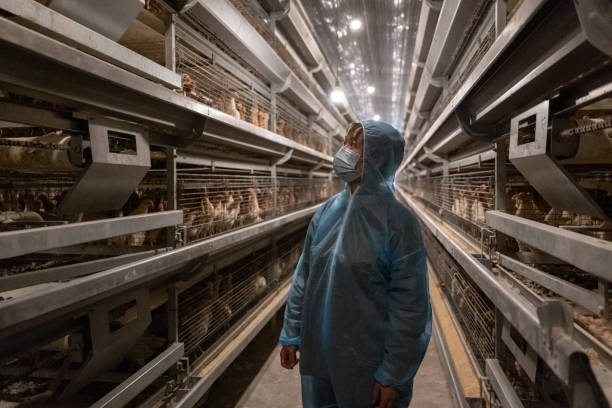
* **Biosecurity:** Implementing strict biosecurity measures is crucial to prevent disease outbreaks. This includes controlling access to the farm, providing foot baths, and regularly disinfecting equipment.
* **Feed and Water Management:** Ensure a consistent supply of high-quality poultry feed and clean water. Automatic feeding and watering systems can improve efficiency and reduce labor costs.
* **Waste Management:** Proper waste management is essential for preventing environmental pollution and maintaining a healthy environment for the hens. Consider composting or other waste treatment methods.
* **Accessibility to Veterinary Services:** Establishing a relationship with a veterinarian experienced in poultry farming is essential for dealing with health issues and ensuring the well-being of the flock.
* **Labor Availability:** Battery cage systems require labor for feeding, watering, egg collection, and cleaning. Assess the availability of labor and consider automating some tasks to reduce labor costs.
* **Local Regulations:** Be aware of any local regulations regarding poultry farming and animal welfare.
* **Sourcing Reputable Suppliers:** Choose a reputable supplier of battery cages with experience in the African market, such as Livi Machinery. Ensure the supplier offers after-sales support and technical assistance.
* **Training and Education:** Invest in training and education for farm workers on proper management practices for battery cage systems. This will help ensure optimal productivity and animal welfare.
**Maximizing Egg Production with Battery Cage Systems: Practical Tips**
To maximize egg production with battery cage systems, African farmers should implement the following practices:
* **Select Appropriate Breeds:** Choose breeds known for high egg production in cage systems, suited to the local climate. Talk to local agriculture extension officers for advice on suitable breeds.
* **Provide Proper Nutrition:** Feed hens a balanced diet formulated specifically for laying hens. Regularly monitor feed consumption and adjust the diet as needed. Supplement their diet with locally available greens or vegetables when possible.
* **Maintain Optimal Temperature and Ventilation:** Ensure a comfortable temperature and adequate ventilation to prevent heat stress and respiratory problems. Adjust ventilation rates based on temperature and humidity levels.
* **Provide Adequate Lighting:** Maintain a consistent lighting schedule to stimulate egg production. Use timer-controlled lights to ensure the hens receive the optimal amount of light each day.
* **Control Disease and Parasites:** Implement a comprehensive disease prevention program, including vaccination and regular deworming. Practice strict biosecurity measures to prevent the introduction and spread of disease.
* **Minimize Stress:** Handle hens gently and minimize noise and disturbance to reduce stress. Providing enrichment items, such as perches or pecking objects, can also help reduce stress.
* **Regularly Monitor Hens:** Observe hens daily for signs of illness or stress. Check their weight, comb color, and feather condition. Investigate any unusual behavior or drop in egg production.
* **Collect Eggs Frequently:** Collect eggs frequently to prevent breakage and maintain their quality. Store eggs in a cool, dry place to prolong their shelf life.
* **Keep Cages Clean:** Clean cages regularly to prevent the build-up of manure and reduce the risk of disease. Use a high-pressure washer to clean cages thoroughly.
* **Maintain Equipment:** Regularly inspect and maintain all equipment, including feeding and watering systems, to ensure they are functioning properly. Replace worn or damaged parts promptly.
* **Keep Records:** Keep accurate records of egg production, feed consumption, mortality, and other relevant data. This will help you identify trends and make informed management decisions. Use these records to calculate feed conversion and profitability.
* **Cull Unproductive Hens:** Regularly cull unproductive hens to improve the overall efficiency of the flock. Identify hens with low egg production or health problems and remove them from the flock.
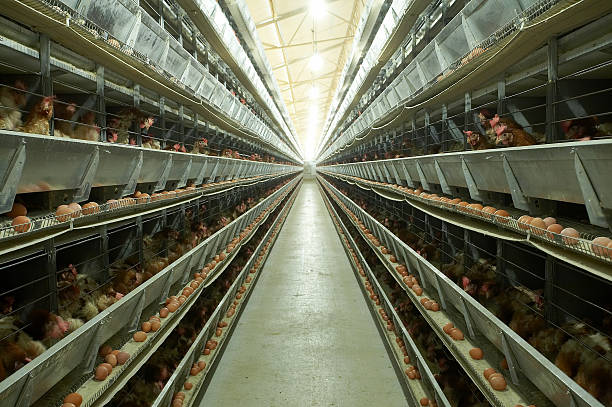
* **Optimize Stocking Density:** Ensure the hens have adequate space within the cages. Overcrowding can lead to stress and reduced egg production.
**Livi Machinery: Your Partner in Affordable Battery Cage Solutions**
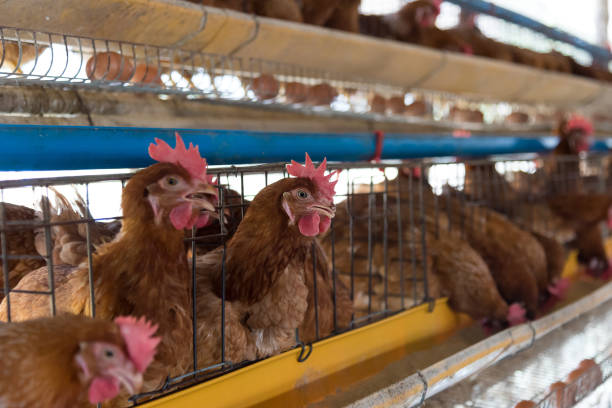
Livi Machinery is committed to providing affordable and high-quality battery cage solutions for African farmers. We offer a range of cage systems designed to meet the specific needs of the African market, including galvanized steel cages, automatic feeding and watering systems, and manure removal systems. Our cages are designed for durability, ease of use, and optimal performance. Furthermore, Livi Machinery stands behind its products with comprehensive after-sales support and technical assistance, ensuring customers receive the help they need to operate their farms successfully.
**Conclusion**
Low-cost battery cage solutions offer a practical and efficient way for African farmers to maximize egg production and improve their livelihoods. By carefully considering the factors outlined in this article and implementing best management practices, farmers can unlock the full potential of these systems and build sustainable and profitable poultry farming operations. With commitment and the right equipment, African farmers can contribute to food security and economic growth within their communities.