Understanding A-Type Chicken Cage Costs to Maximize Your Poultry Farm Profits
Understanding A-Type Chicken Cage Costs to Maximize Your Poultry Farm Profits
Embarking on a poultry farming venture? Planning to upgrade your existing setup? One of the most critical decisions you’ll face is choosing the right housing system. A-type chicken cages are a popular and efficient option, but understanding the costs associated with them is essential to maximizing your poultry farm profits. This comprehensive guide will dissect the various cost factors, helping you make informed decisions and optimize your investment.
What are A-Type Chicken Cages?
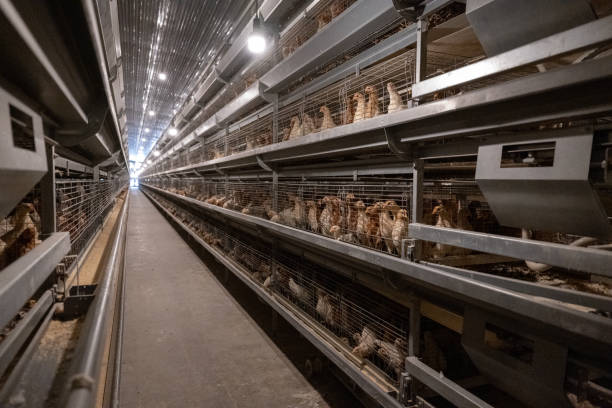
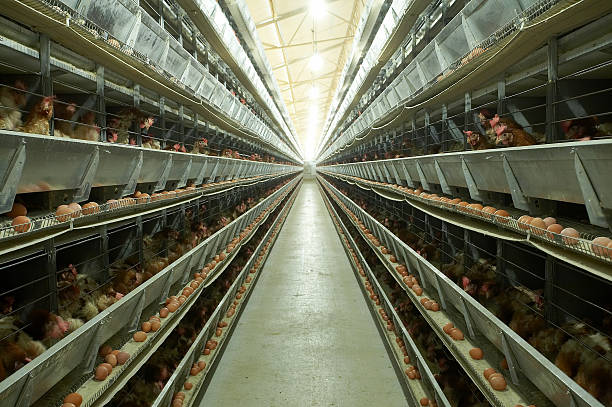
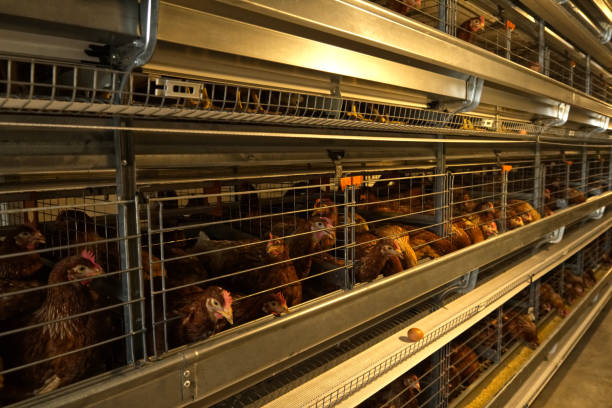
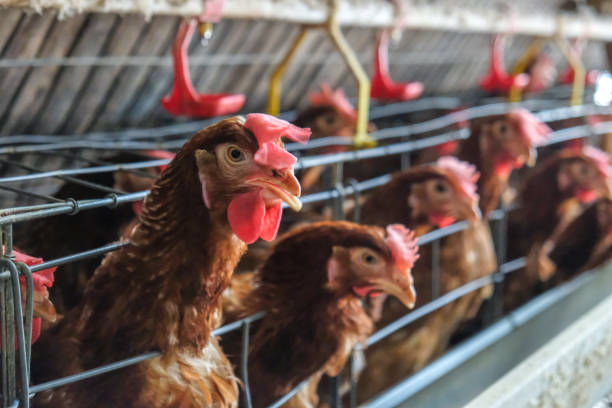
Before diving into the costs, let’s quickly define what A-type chicken cages are. These cages are designed with a sloping, A-shaped frame, typically arranged in tiers to maximize space utilization in the poultry house. They’re commonly used for raising layer chickens and offer several advantages, including:
Improved Space Efficiency: Housing more birds in a smaller area.
Easier Management: Simplified feeding, watering, and egg collection.
Better Hygiene: Reduced contact with manure, leading to healthier birds.
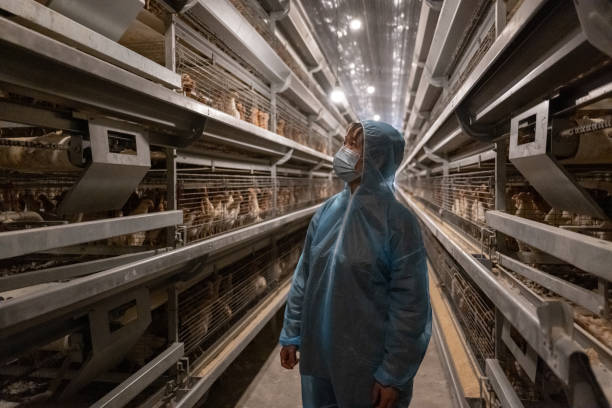
Increased Egg Production: Optimized environment for laying hens.
However, these benefits come with an initial investment, which needs careful consideration.
Breaking Down the Costs: A Detailed Look
The cost of A-type chicken cages isn’t just the price tag on the equipment. It’s a multifaceted figure encompassing various factors, some obvious and some less so. Let’s break down these costs into manageable categories:
Cage Purchase Cost
This is the most apparent cost factor. The price of A-type chicken cages varies depending on several variables:
Material: Cages are typically made of galvanized steel wire. The quality and gauge of the wire significantly impact the price. Higher-quality, thicker wire offers greater durability and longevity but comes at a higher cost.
Capacity: Cages are designed to house a specific number of birds per unit. Higher-capacity cages generally cost more but can be more cost-effective per bird in the long run.
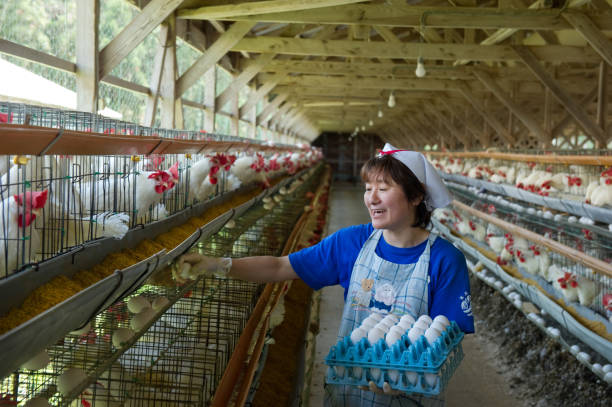
Tier Arrangement: A-type cages usually come in 3-tier or 4-tier configurations. More tiers mean more birds per set of cages and a higher initial cost.
Automation Level: Some cages come equipped with automated feeding, watering, and egg collection systems. These features increase the initial cost but can significantly reduce labor costs and improve efficiency.
Manufacturer/Supplier: Different manufacturers and suppliers offer varying price points. Researching and comparing quotes from multiple vendors is crucial to securing the best deal.
Surface Treatment: The surface treatment impacts directly the cage’s resistance to corrosion and therefore it will impact its lifespan. Different surface treatments include galvanization, electro- galvanization and PVC coating. Galvanization is considered to be the most durable and resistant of these surface treatments.
Transportation Costs
Shipping costs can significantly add to the overall expense, especially if you’re ordering cages from a distant supplier or importing them from overseas. Factors influencing transportation costs include:
Distance: The farther the cages need to be shipped, the higher the transportation costs will be.
Shipping Method: Sea freight is typically the most cost-effective option for large orders, while air freight is faster but more expensive for smaller shipments.
Weight and Volume: The weight and volume of the cages will directly impact the shipping costs.
Customs and Import Duties: Importing cages may involve customs and import duties, which need to be factored into the overall cost.
Always obtain a clear understanding of the shipping terms and associated costs before placing your order.
Installation Costs
Installing A-type chicken cages can be a complex process, especially for large-scale operations. You may need to factor in the following installation costs:
Labor Costs: Hiring skilled labor to assemble and install the cages can be a significant expense. Depending on the complexity of the installation and the size of your poultry house, you may need to hire a team of workers for several days.
Equipment Costs: You may need to rent or purchase specialized equipment to move and install the cages, such as forklifts or cranes.
Site Preparation Costs: Preparing the poultry house floor and ensuring proper leveling is crucial for successful cage installation. This may involve additional costs for concrete work or other site preparation activities.
Electrical and Plumbing Costs: If you’re installing automated feeding, watering, or egg collection systems, you’ll need to factor in the costs of electrical and plumbing work.
Carefully plan the installation process and obtain quotes from reputable contractors to ensure a smooth and cost-effective installation.
Infrastructure Costs
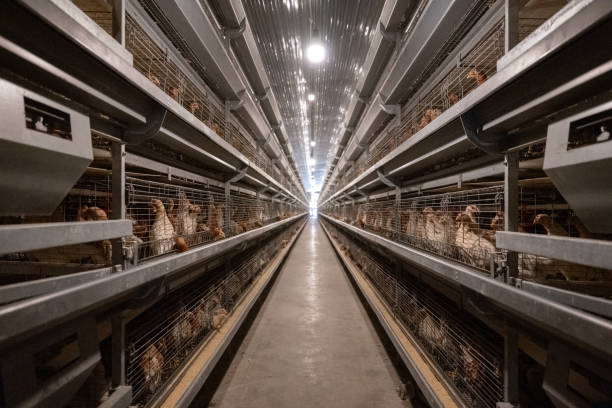
In addition to the cages themselves, you’ll need to invest in other essential infrastructure to support your poultry operation:
Poultry House: The cost of constructing or renovating a poultry house can be a significant expense. Factors influencing the cost include the size of the house, the materials used, and the complexity of the design.
Ventilation System: Proper ventilation is crucial for maintaining a healthy environment for your birds. The cost of a ventilation system will depend on the size of your poultry house and the type of system you choose (e.g., natural ventilation, mechanical ventilation).
Lighting System: Adequate lighting is essential for optimal egg production. The cost of a lighting system will depend on the size of your poultry house and the type of lighting you choose (e.g., incandescent, fluorescent, LED).
Feeding and Watering Systems: Even if your cages don’t have automated systems, you’ll still need to invest in feeders and waterers. The cost will depend on the size of your flock and the type of equipment you choose.
Manure Removal System: Efficient manure removal is essential for maintaining hygiene and preventing disease. The cost of a manure removal system will depend on the size of your operation and the type of system you choose (e.g., manual removal, automated scraper system).
Operational Costs
Once your A-type chicken cages are installed, you’ll need to consider ongoing operational costs:
Feed Costs: Feed is typically the largest operational expense in poultry farming. The cost of feed will depend on the type of feed you use, the age and breed of your birds, and the market price of feed ingredients.
Water Costs: Access to clean and reliable water is essential. The cost of water will depend on your location and the source of your water (e.g., well, municipal water supply).
Labor Costs: Even with automated systems, you’ll likely need to hire labor to manage your flock, collect eggs, and maintain the equipment.
Electricity Costs: Powering ventilation, lighting, and automated systems can result in significant electricity costs.
Veterinary Costs: Maintaining the health of your flock is crucial for optimal egg production. Veterinary costs will include vaccinations, medications, and regular checkups.
Maintenance and Repair Costs: Over time, your A-type chicken cages and related equipment will require maintenance and repairs. Budgeting for these costs is essential to prevent unexpected expenses.
Minimizing Costs and Maximizing Profits
While the initial investment in A-type chicken cages can be substantial, there are several strategies you can employ to minimize costs and maximize your poultry farm profits:
Shop Around for the Best Deals: Obtain quotes from multiple manufacturers and suppliers before making a purchase. Compare prices, quality, and warranty terms to ensure you’re getting the best value for your money.
Consider Used Equipment: Purchasing used A-type chicken cages can be a cost-effective option, especially if you’re on a tight budget. However, carefully inspect the equipment to ensure it’s in good working condition and meets your needs.
Optimize Space Utilization: Maximize the number of birds you can house in your poultry house by carefully planning the layout and arrangement of your cages.
Invest in Automation: While automated systems increase the initial cost, they can significantly reduce labor costs and improve efficiency in the long run. Evaluate your labor costs and consider investing in automated feeding, watering, and egg collection systems.
Implement Efficient Feeding Strategies: Optimize your feeding program to minimize feed waste and ensure your birds are receiving the nutrients they need for optimal egg production.
Maintain a Healthy Flock: Implement biosecurity measures to prevent disease outbreaks and maintain the health of your flock. This will reduce veterinary costs and improve egg production.
Regular Maintenance: Regularly inspect and maintain your A-type chicken cages and related equipment to prevent breakdowns and extend their lifespan.
Monitor Your Costs and Revenue: Track your expenses and revenue closely to identify areas where you can reduce costs and improve profitability.
Long-Term Value and ROI
While the initial cost of A-type chicken cages may seem high, it’s crucial to consider the long-term value and return on investment (ROI). A-type cages, when properly selected and maintained, can offer several long-term benefits:
Increased Egg Production: Optimized environment leads to higher egg yields per hen.
Reduced Labor Costs: Automation and efficient design minimize labor requirements.
Improved Efficiency: Streamlined processes lead to better overall farm efficiency.
Longer Lifespan: Durable materials and proper maintenance ensure a longer lifespan, reducing the need for frequent replacements.
Better Bird Health: Reduced disease incidence leads to lower veterinary costs and higher productivity.
By carefully considering the costs and benefits, and by implementing effective management strategies, you can maximize your poultry farm profits and achieve a strong ROI on your A-type chicken cage investment.
Conclusion
Investing in A-type chicken cages is a significant decision that requires careful planning and consideration. By understanding the various cost factors, from the initial purchase price to ongoing operational expenses, you can make informed decisions and optimize your investment for maximum profitability. Remember to shop around for the best deals, consider used equipment, optimize space utilization, invest in automation, implement efficient feeding strategies, maintain a healthy flock, and regularly maintain your equipment. With careful planning and execution, A-type chicken cages can be a valuable asset to your poultry farm, helping you achieve your business goals and maximize your returns. Remember to consult with experienced poultry professionals and conduct thorough research before making any major investment decisions. Your success in poultry farming depends on a well-informed and strategic approach.