A-Type Chicken Cage Price Guide for African Poultry Farmers
A-Type Chicken Cage Price Guide for African Poultry Farmers
For African poultry farmers looking to boost their egg production or broiler yields, A-type chicken cages represent a significant investment. Understanding the pricing structure and factors that influence the cost of these cages is crucial for making informed purchasing decisions and maximizing profitability. This guide aims to provide a comprehensive overview of A-type chicken cage prices in the African market, helping farmers navigate the options and choose the best solution for their specific needs.
What are A-Type Chicken Cages?
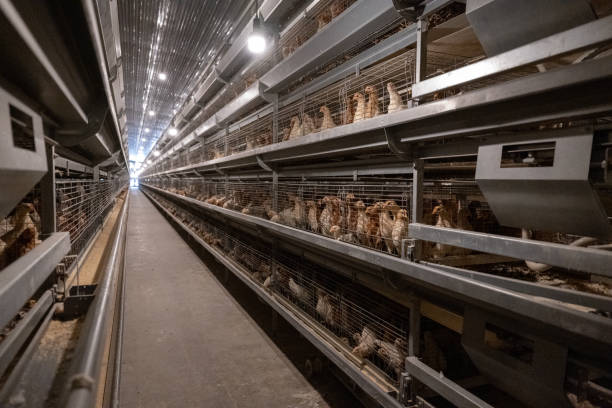
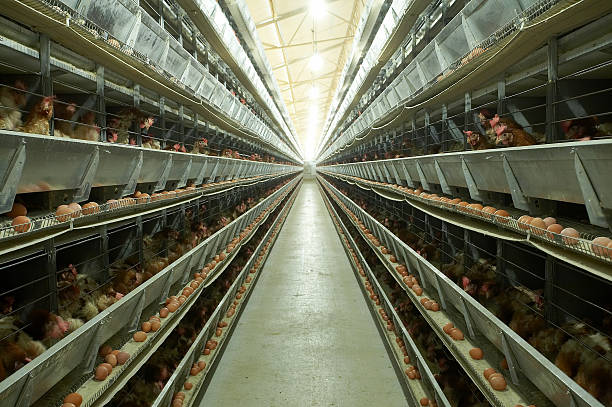
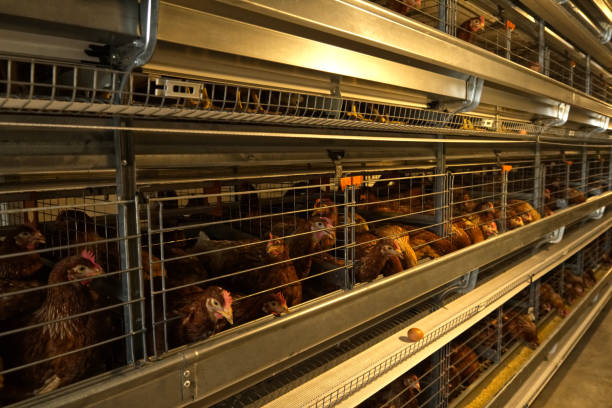
Before diving into pricing, it’s essential to understand what A-type chicken cages are and why they’re a popular choice. These cages are designed with a distinctive “A” shape, offering a tiered system for housing chickens. They are primarily used in two main applications:
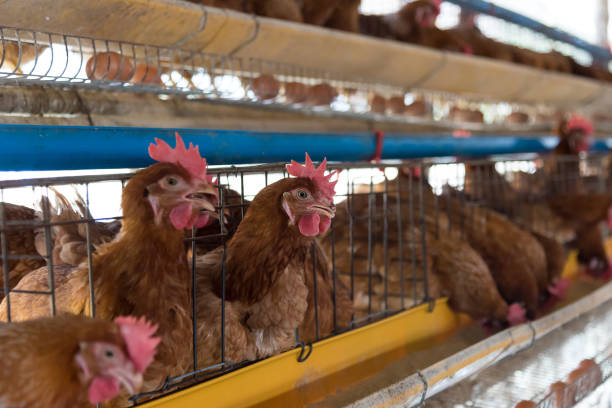
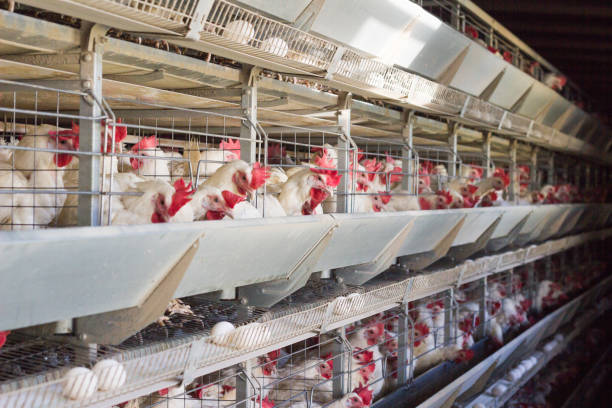
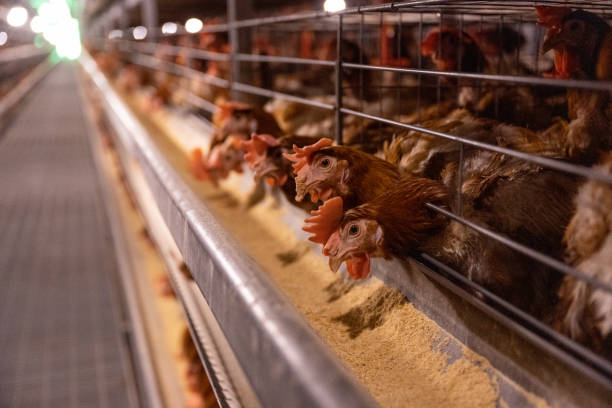
Layer Cages: Designed for egg-laying hens, these cages provide individual or small-group compartments, allowing for efficient egg collection and monitoring.
Broiler Cages: Used for raising meat chickens (broilers), these cages offer sufficient space for growth and easy access for feeding and cleaning.
Benefits of Using A-Type Chicken Cages
A-type chicken cages offer several advantages that make them a worthwhile investment for poultry farmers in Africa:
Increased Space Utilization: The tiered design maximizes the number of chickens that can be housed in a given area, improving space efficiency.
Improved Hygiene: Cages separate chickens from their droppings, reducing the risk of disease and improving overall flock health.
Easier Management: Cages facilitate easier monitoring of individual birds, simplifying tasks like feeding, watering, and vaccination.
Reduced Labor Costs: Automated or semi-automated systems for feeding, watering, and egg collection (in layer cages) can significantly reduce labor requirements.
Higher Egg Production (for Layers): The controlled environment and reduced stress levels in cages can lead to higher egg production rates.
Faster Growth Rates (for Broilers): Controlled environment and efficient feeding contribute to faster growth rates and earlier market readiness.
Factors Influencing A-Type Chicken Cage Prices
The price of A-type chicken cages can vary considerably depending on a range of factors. Understanding these factors is key to comparing quotes and finding the best value for your money:
Material Quality:
Steel Grade: The type and thickness of steel used in construction significantly impact the price. Higher-grade steel, such as galvanized steel or stainless steel, offers greater durability and resistance to rust and corrosion, but it comes at a higher cost. Galvanization is a crucial factor, as it protects the steel from the corrosive effects of chicken manure and the humid environments often found in African poultry farms.
Wire Mesh: The quality of the wire mesh used for the cage floor and sides also affects the price. Thicker, more durable mesh provides better support for the chickens and lasts longer.
Cage Size and Capacity:
Number of Tiers: Cages with more tiers (e.g., 3-tier, 4-tier) generally cost more due to the increased material and manufacturing complexity.
Number of Birds per Cage: The designed capacity of each cage (e.g., 4 birds per cell, 5 birds per cell) influences the overall price. Larger cages or cages designed for more birds tend to be more expensive.
Overall Dimensions: The length and width of the cage system will also play a role in the price. Longer and wider systems require more materials.
Automation Level:
Manual Systems: These are the most basic and affordable, requiring manual feeding, watering, and egg collection.
Semi-Automated Systems: These incorporate some automated features, such as automatic feeding or watering, while still requiring manual egg collection.
Fully Automated Systems: These offer complete automation of feeding, watering, egg collection, and manure removal, resulting in higher upfront costs but potentially lower long-term labor expenses. The level of automation dramatically influences the price. A fully automated system will have a significantly higher price tag than a manual one.
Manufacturer and Brand:
Established Brands: Reputable manufacturers with a proven track record of quality and reliability often charge a premium for their products.
Local vs. Imported: Cages manufactured locally in Africa may be more affordable than imported cages due to lower transportation costs and potentially lower labor costs. However, imported cages may offer higher quality materials or more advanced features.
Accessories and Features:
Feeding Systems: The type of feeding system included (e.g., trough feeders, automatic feeders) affects the price.
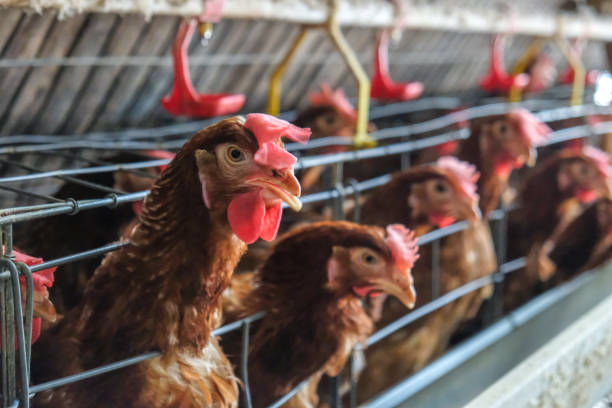
Watering Systems: Nipple drinkers, cup drinkers, and trough watering systems each have different costs.
Egg Collection Systems (for Layers): Manual egg collection trays are less expensive than automated egg collection belts.
Manure Removal Systems: Manual scraping is the cheapest option, while automated manure removal belts or flush systems add to the cost.
Quantity Purchased:
Bulk Discounts: Suppliers often offer discounts for larger orders. Buying cages for an entire farm at once can significantly reduce the per-cage price.
Transportation Costs:
Distance: The distance between the supplier and your farm will impact transportation costs, especially for bulky items like chicken cages.
Shipping Method: Shipping by sea is generally more affordable than air freight, but it takes longer.
Installation Costs:
Complexity: The complexity of the cage system and the level of automation will influence installation costs.
Labor Rates: Local labor rates for installation will vary depending on the region.
Currency Exchange Rates:
Fluctuations: For imported cages, fluctuations in currency exchange rates can impact the final price. A weaker local currency will make imported goods more expensive.
Market Conditions:
Supply and Demand: Like any commodity, the price of chicken cages is influenced by supply and demand. Increased demand can drive prices up, while oversupply can lead to lower prices.
Raw Material Prices: Fluctuations in the price of steel and other raw materials can directly impact the cost of manufacturing chicken cages.
Price Ranges for A-Type Chicken Cages in Africa (Estimates)
It’s difficult to provide exact prices due to the variability of the factors mentioned above. However, here are some general price ranges to give you an idea of what to expect:
Manual A-Type Layer Cages: Prices typically range from $20 to $50 per cage, depending on size, capacity, and material quality. These cages are ideal for small-scale farmers with limited budgets.
Semi-Automated A-Type Layer Cages: Prices can range from $50 to $100 per cage, incorporating features like automatic feeding or watering.
Fully Automated A-Type Layer Cages: These are the most expensive, with prices ranging from $100 to $200+ per cage, offering complete automation of most tasks.
Manual A-Type Broiler Cages: Prices generally range from $15 to $40 per cage, depending on size and material quality. Broiler cages tend to be less expensive than layer cages due to their simpler design.
Semi-Automated A-Type Broiler Cages: Prices range from $40 to $80 per cage, incorporating features like automatic feeding or watering.
Important Considerations When Purchasing A-Type Chicken Cages
Before making a purchase, consider the following:
Your Budget: Determine a realistic budget based on your financial resources and projected returns.
Flock Size: Choose cages that are appropriately sized for your current and anticipated flock size.
Climate: Consider the climate in your region and choose cages made from materials that can withstand the local weather conditions. Galvanized steel is crucial in humid environments.
Labor Availability: If labor is scarce or expensive, consider investing in more automated systems.
Supplier Reputation: Research different suppliers and choose one with a good reputation for quality, reliability, and customer service. Ask for references and check online reviews.
Warranty: Make sure the cages come with a warranty to protect against defects in materials or workmanship.
Maintenance: Understand the maintenance requirements of the cages and ensure you have the resources to keep them in good condition.
Regulations: Be aware of any local regulations regarding chicken cage sizes, spacing, and waste management.
Future Expansion: Consider your future expansion plans and choose a cage system that can be easily expanded or modified as your business grows.
Tips for Getting the Best Price on A-Type Chicken Cages
Get Multiple Quotes: Obtain quotes from several different suppliers to compare prices and features.
Negotiate: Don’t be afraid to negotiate the price, especially if you are buying in bulk.
Consider Local Manufacturers: Explore the possibility of buying cages from local manufacturers to save on transportation costs.
Look for Discounts: Ask suppliers about any available discounts, such as seasonal promotions or discounts for first-time buyers.
Plan Ahead: Order your cages well in advance of when you need them to avoid potential delays and price increases.
Inspect the Cages: Before accepting delivery, carefully inspect the cages for any damage or defects.
Read the fine print: Carefully review the terms and conditions of the sale, including warranty information, payment terms, and return policies.
Conclusion
Investing in A-type chicken cages can be a smart move for African poultry farmers looking to improve efficiency, increase production, and boost profitability. By understanding the factors that influence pricing and carefully considering your specific needs, you can make an informed decision and choose the best cage system for your farm. Remember to prioritize quality, durability, and automation features that align with your budget and long-term goals. With proper planning and research, you can find A-type chicken cages that provide excellent value and contribute to the success of your poultry business.