Unlock Your Poultry Potential: A Complete Chicken Farm Business Plan & Setup Guide for Africa
Unlock Your Poultry Potential: A Complete Chicken Farm Business Plan & Setup Guide for Africa
Poultry farming in Africa presents a massive opportunity. The demand for chicken and eggs is constantly growing, fueled by a rising population and increasing urbanization. However, success in this venture requires more than just enthusiasm; it demands a well-structured business plan and a thorough understanding of the setup process. This guide aims to provide you with the essential information needed to establish and run a profitable chicken farm in the African context.
Why Chicken Farming in Africa?
Before diving into the details, let’s briefly highlight the key factors making chicken farming an attractive prospect in Africa:
High Demand: Chicken is a staple food in many African countries, and the demand consistently outstrips supply.
Quick Turnover: Compared to other livestock, chickens have a relatively short production cycle, allowing for faster returns on investment.
Relatively Low Initial Investment (Scalable): You can start small and gradually expand your operations as your business grows, making it accessible to entrepreneurs with varying levels of capital.
Job Creation: Poultry farming can create employment opportunities in rural communities, contributing to economic development.
Nutritional Value: Chicken and eggs are excellent sources of protein and other essential nutrients, contributing to food security.
Developing Your Chicken Farm Business Plan
A comprehensive business plan is the cornerstone of any successful venture. It serves as a roadmap, outlining your goals, strategies, and financial projections. Here’s a breakdown of the key components:
Executive Summary: This is a brief overview of your entire business plan, highlighting the key aspects of your operation. It should include your mission statement, objectives, and a summary of your financial projections. Think of it as your elevator pitch.
Company Description: Provide a detailed description of your chicken farm. Include your farm name, location, legal structure (sole proprietorship, partnership, limited liability company, etc.), and a brief history (if applicable). Explain your vision for the farm and your core values.
Market Analysis: This section is crucial for understanding your target market and the competitive landscape.
Target Market: Identify your target customers. Will you be selling directly to consumers, retailers, restaurants, or wholesalers? Consider factors such as income levels, dietary preferences, and consumption patterns in your target area.
Market Size and Growth: Research the size of the poultry market in your region and its growth potential. Look for statistics on chicken meat and egg consumption to determine the demand.
Competition: Analyze your competitors. Identify existing poultry farms in your area, their strengths and weaknesses, and their market share. How will you differentiate your farm to attract customers? Will you focus on organic chicken, free-range eggs, or a specific niche market?
Pricing Strategy: Determine your pricing strategy based on your costs, competition, and target market. Will you offer competitive prices, premium pricing, or a value-based pricing model?
Products and Services: Clearly define the products and services you will offer.
Chicken Meat: Will you be raising broilers (meat chickens) or layers (egg-laying chickens)? Specify the breed of chicken you will be raising and the expected weight and quality of the meat.
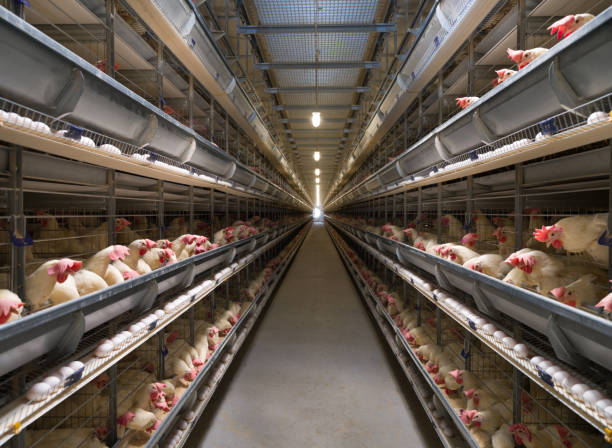
Eggs: If you are raising layers, specify the type of eggs you will be producing (brown, white, free-range, organic) and their packaging.
Other Products: Consider offering value-added products such as processed chicken products (sausages, nuggets), manure (as fertilizer), or live chickens (for breeding purposes).
Marketing and Sales Strategy: Outline how you will promote and sell your products.
Branding: Develop a strong brand identity for your farm, including a name, logo, and slogan.
Marketing Channels: Identify the most effective marketing channels for reaching your target customers. This could include:
Direct Sales: Selling directly to consumers through farmers’ markets, roadside stands, or online platforms.
Retail Outlets: Partnering with supermarkets, grocery stores, and butcher shops to sell your products.
Restaurants: Supplying chicken and eggs to local restaurants and hotels.
Wholesalers: Selling your products to wholesalers for distribution to larger markets.
Social Media Marketing: Using social media platforms to promote your farm and engage with customers.
Local Advertising: Advertising in local newspapers, radio stations, or community events.
Operational Plan: Describe the day-to-day operations of your chicken farm.
Farming System: Decide on the type of farming system you will use:
Intensive System: Chickens are housed in confined spaces, allowing for greater control over the environment and higher production rates.
Semi-Intensive System: Chickens have access to both indoor and outdoor spaces, providing a balance between production and welfare.
Extensive System (Free-Range): Chickens roam freely in pasture, offering the highest level of welfare but lower production rates.
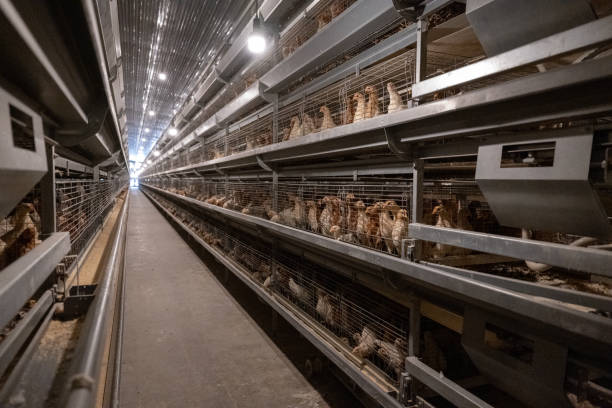
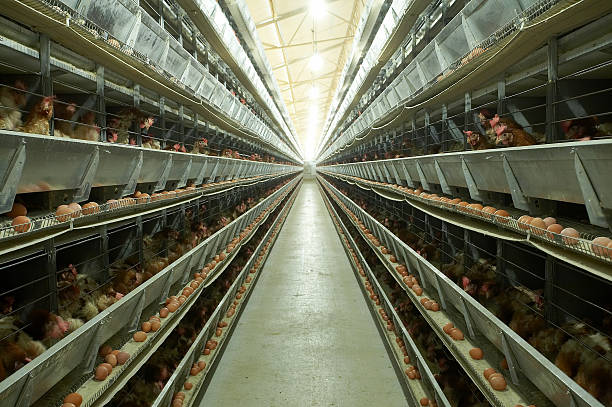
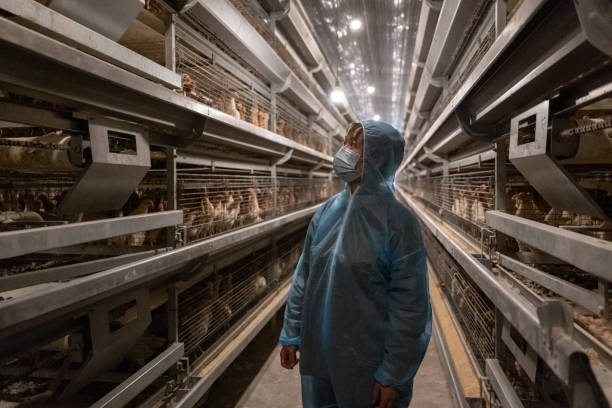
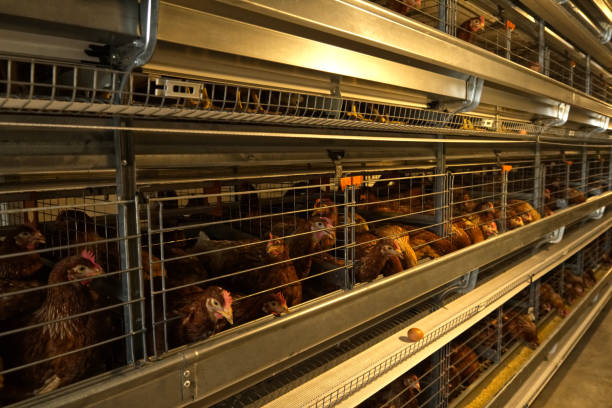
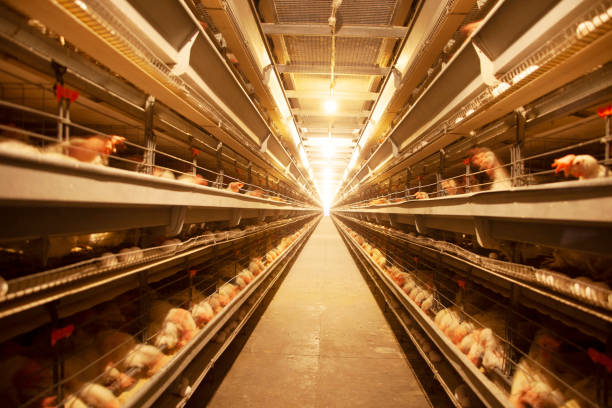
Chicken Housing: Describe the type of housing you will use for your chickens. Consider factors such as ventilation, lighting, temperature control, and biosecurity.
Feeding and Watering: Outline your feeding and watering program, including the type of feed you will use, the feeding schedule, and the water source.
Disease Management: Develop a comprehensive disease management plan, including vaccination programs, biosecurity measures, and treatment protocols.
Waste Management: Describe how you will manage chicken manure and other waste products in an environmentally responsible manner.
Staffing: Determine the number of employees you will need to operate your farm, including farm managers, laborers, and sales personnel.
Management Team: Introduce the key members of your management team and their qualifications. Highlight their experience and expertise in poultry farming, business management, or related fields.
Financial Plan: This is the most critical section of your business plan, outlining your financial projections and funding needs.
Start-up Costs: Estimate all the costs associated with setting up your chicken farm, including land, housing, equipment, chickens, feed, and other operating expenses.
Funding Sources: Identify your sources of funding, such as personal savings, loans, grants, or investors.
Revenue Projections: Forecast your sales revenue based on your production capacity, pricing strategy, and market demand.
Expense Projections: Estimate your ongoing operating expenses, including feed costs, labor costs, utilities, and marketing expenses.
Profit and Loss Statement: Develop a projected profit and loss statement to determine the profitability of your farm.
Cash Flow Statement: Prepare a cash flow statement to track the movement of cash in and out of your business.
Break-Even Analysis: Calculate your break-even point, the point at which your revenue equals your expenses.
Setting Up Your Chicken Farm: A Step-by-Step Guide
Once you have a solid business plan in place, you can begin setting up your chicken farm. Here’s a step-by-step guide:
Land Acquisition: Secure a suitable piece of land for your farm. Consider factors such as location, size, accessibility, water availability, and zoning regulations. Ensure the land is free from contamination and has good drainage.
Construction and Infrastructure: Build the necessary infrastructure for your farm, including:
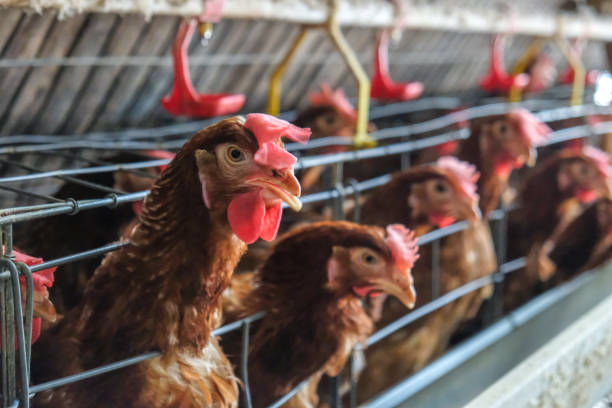
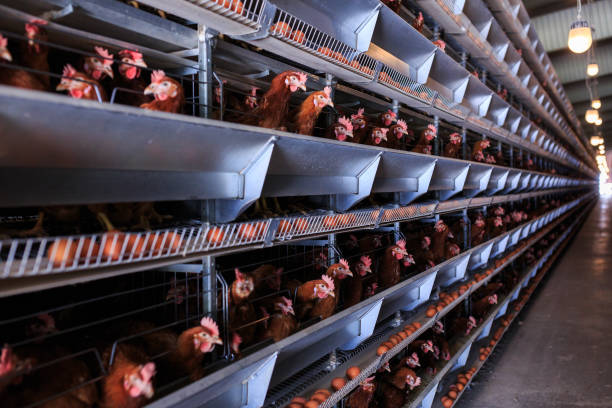
Chicken Housing: Construct chicken houses that are well-ventilated, well-lit, and protected from predators and the elements. Consider using local materials to reduce construction costs. Livi Machinery is a great option for laying chicken cages and broiler cages.
Feeding and Watering Systems: Install feeding and watering systems that are efficient, hygienic, and easy to maintain.
Storage Facilities: Build storage facilities for feed, equipment, and other supplies.
Waste Management System: Install a waste management system that is environmentally sound and effective.
Office and Living Quarters: Construct an office and living quarters for farm staff.
Equipment Procurement: Purchase the necessary equipment for your farm, including:
Feeders and Drinkers: Select feeders and drinkers that are appropriate for the age and type of chickens you are raising.
Incubators and Hatchers (if applicable): Purchase incubators and hatchers if you plan to breed your own chickens.
Egg Collection Equipment (for layers): Invest in egg collection equipment to minimize breakage and improve efficiency.
Cleaning and Disinfection Equipment: Purchase cleaning and disinfection equipment to maintain hygiene and prevent disease.
Transportation Equipment: Acquire transportation equipment for transporting chickens, eggs, and feed.
Chicken Procurement: Purchase healthy chicks or pullets (young hens) from a reputable source. Choose breeds that are well-suited to your climate and market demands.
Feeding and Watering Management: Implement a feeding and watering program that meets the nutritional needs of your chickens. Provide fresh, clean water at all times.
Health Management: Implement a comprehensive health management program to prevent and control diseases. Vaccinate your chickens against common diseases and practice strict biosecurity measures.
Waste Management: Manage chicken manure and other waste products in an environmentally responsible manner. Consider using manure as fertilizer for crops.
Record Keeping: Maintain accurate records of all aspects of your farm operations, including production, expenses, sales, and health management. This information will be invaluable for tracking your progress and making informed decisions.
Challenges and Opportunities
Poultry farming in Africa, like any business, presents its own set of challenges:
Disease Outbreaks: Disease outbreaks can decimate chicken populations and cause significant financial losses.
High Feed Costs: Feed costs can be a major expense, impacting profitability.
Market Fluctuations: Market prices for chicken and eggs can fluctuate, affecting revenue.
Lack of Access to Financing: Access to financing can be a barrier for small-scale farmers.
Climate Change: Climate change can impact feed production and chicken health.
However, these challenges are accompanied by significant opportunities:
Growing Demand: The growing demand for chicken and eggs presents a huge opportunity for expansion.
Government Support: Many African governments are supporting the poultry industry through subsidies, training programs, and infrastructure development.
Technological Advancements: Technological advancements in poultry farming are improving efficiency and reducing costs.
Access to Information: Access to information and training resources is improving, empowering farmers to adopt best practices.
Tips for Success
Start Small and Scale Up: Don’t try to do too much too soon. Start with a small flock and gradually expand your operations as you gain experience and build capital.
Focus on Quality: Produce high-quality chicken and eggs to attract customers and build a strong reputation.
Manage Costs Effectively: Keep a close eye on your expenses and identify ways to reduce costs without compromising quality.
Build Relationships: Build strong relationships with your suppliers, customers, and other stakeholders.
Stay Informed: Stay up-to-date on the latest trends and technologies in poultry farming.
Seek Advice: Don’t be afraid to seek advice from experienced poultry farmers, agricultural extension officers, and other experts.
Conclusion
Poultry farming in Africa offers a promising path to economic empowerment and food security. By developing a comprehensive business plan, implementing best practices, and overcoming the challenges, you can unlock your poultry potential and build a thriving chicken farm. Embrace innovation, stay adaptable, and never stop learning. The opportunities are there for those who are willing to work hard and smart. Remember, success in poultry farming is a journey, not a destination. Good luck!