Why Automatic Chicken Cage Equipment is the Future of Poultry Farming in Africa
Why Automatic Chicken Cage Equipment is the Future of Poultry Farming in Africa
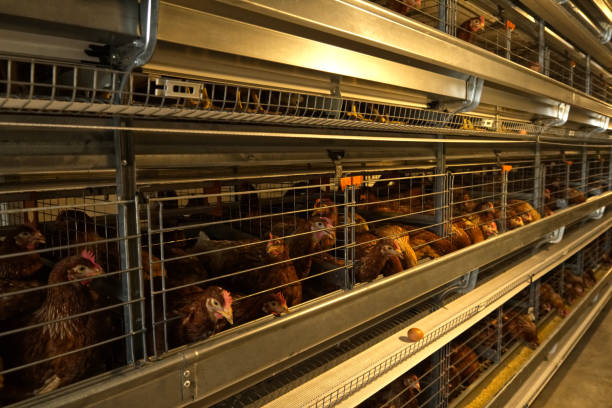
Africa’s poultry industry has immense potential for growth and development. As the continent’s population continues to rise, so does the demand for poultry products like eggs and meat. To meet this increasing demand and improve efficiency, many farmers are turning to automatic chicken cage equipment. This technology offers a range of benefits that make it an essential tool for modern poultry farming in Africa. Let’s delve into why automatic chicken cage equipment is revolutionizing the industry and setting the stage for a more sustainable and profitable future.
**Meeting the Growing Demand for Poultry Products**
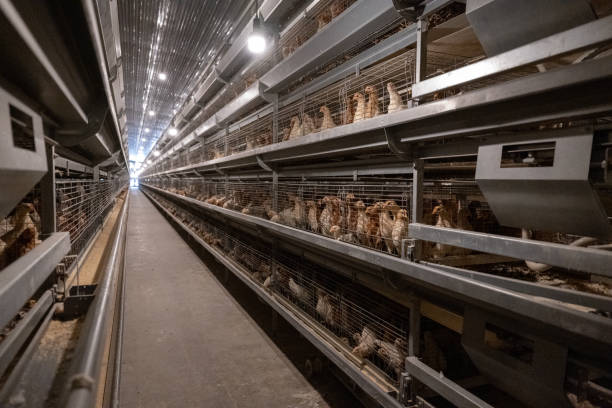
Africa’s population is projected to double by 2050, leading to an unprecedented demand for food, including poultry. Traditional farming methods often struggle to keep up with this rapid growth. Automatic chicken cage equipment provides a solution by significantly increasing productivity. These systems allow for a greater number of chickens to be housed and managed in a smaller space, optimizing resource utilization and boosting overall output.
**Enhanced Efficiency and Productivity**
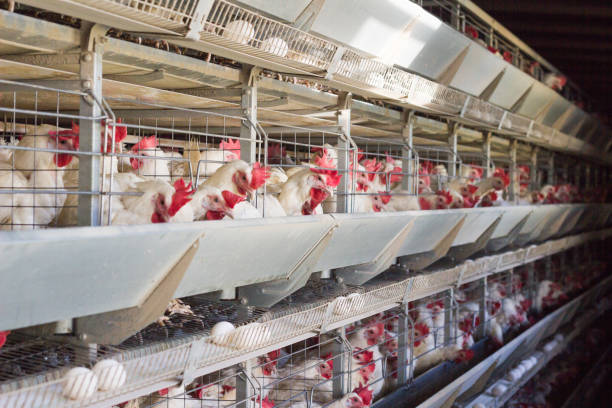
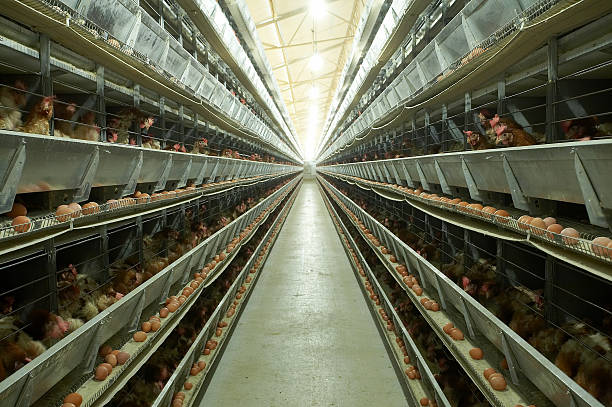
Automation is key to maximizing efficiency in poultry farming. Automatic chicken cage systems streamline various processes, such as feeding, watering, egg collection, and waste removal. This reduces the need for manual labor, allowing farmers to focus on other critical aspects of their operations, such as health management and strategic planning.
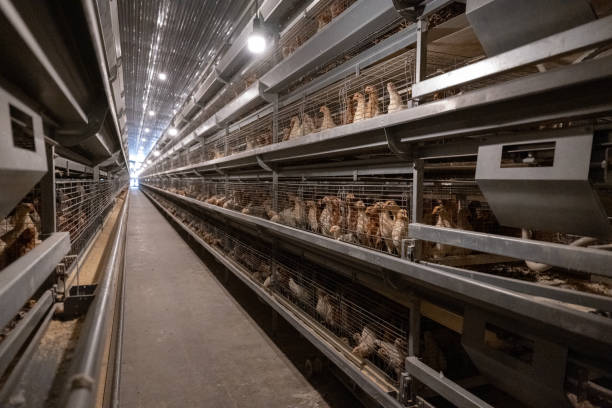
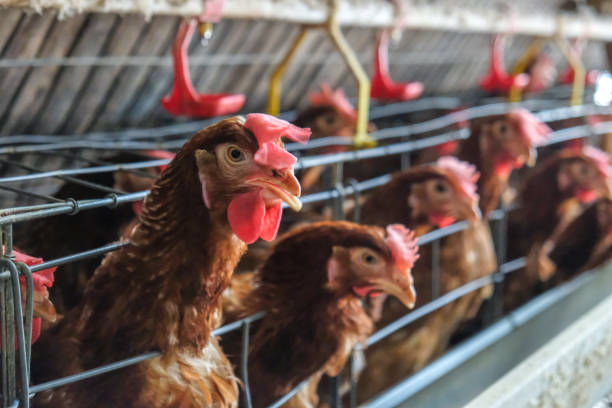
Automatic feeding systems ensure that chickens receive the right amount of feed at the right time, minimizing waste and promoting optimal growth. Similarly, automated watering systems provide a constant supply of fresh, clean water, contributing to the birds’ overall health and well-being. Egg collection is made easier and more efficient with automated systems, reducing the risk of damage and contamination. Waste removal systems help maintain a clean and hygienic environment, reducing the spread of diseases and improving air quality.
**Improved Bird Health and Welfare**
The health and welfare of chickens are paramount for successful poultry farming. Automatic chicken cage systems contribute to a healthier environment by reducing stress and the risk of disease. These systems often come with features like climate control, which helps maintain optimal temperature and humidity levels, creating a comfortable and stress-free environment for the birds.
Proper ventilation systems ensure fresh air circulation, reducing the build-up of harmful gases like ammonia. Regular waste removal minimizes the risk of bacterial growth and the spread of diseases. By promoting a clean and comfortable environment, automatic chicken cage equipment helps improve bird health, leading to higher productivity and reduced mortality rates.
**Reduced Labor Costs and Increased Profitability**
Labor costs can be a significant burden for poultry farmers, especially in regions where labor is expensive or scarce. Automatic chicken cage equipment significantly reduces the need for manual labor, leading to substantial cost savings. This allows farmers to allocate resources to other areas of their business, such as marketing and expansion.
The increased efficiency and productivity of automatic systems also translate into higher profitability. By producing more eggs or meat with fewer resources, farmers can improve their bottom line and achieve a better return on investment. The long-term cost savings and increased revenue make automatic chicken cage equipment a worthwhile investment for poultry farmers in Africa.
**Sustainable Farming Practices**
Sustainability is becoming increasingly important in agriculture, and poultry farming is no exception. Automatic chicken cage equipment can contribute to more sustainable practices by optimizing resource utilization and reducing waste. Efficient feeding and watering systems minimize the consumption of these resources, while waste management systems can be used to recycle manure into valuable fertilizer.
By reducing the environmental impact of poultry farming, automatic chicken cage equipment helps create a more sustainable and responsible industry. This is not only beneficial for the environment but also enhances the reputation and marketability of poultry products.
**Precision Control and Monitoring**
Modern automatic chicken cage systems are equipped with advanced sensors and control systems that allow farmers to monitor and manage various aspects of their operations in real-time. These systems can track temperature, humidity, feed consumption, water usage, and egg production, providing valuable insights into the performance of the flock.
By analyzing this data, farmers can make informed decisions about feed formulations, climate control settings, and other management practices. This level of precision control helps optimize productivity and minimize waste, leading to a more efficient and profitable operation.
**Durability and Reliability**
Poultry equipment needs to be durable and reliable to withstand the harsh conditions of farm environments. Automatic chicken cage systems are typically constructed from high-quality materials that are resistant to corrosion and wear. This ensures that the equipment lasts for many years, providing a reliable return on investment.
Reputable suppliers offer comprehensive warranties and technical support to ensure that their equipment operates smoothly and efficiently. Regular maintenance and timely repairs can further extend the lifespan of automatic chicken cage systems, maximizing their value.
**Customizable Solutions for Different Farming Needs**
Every poultry farm is unique, with different needs and requirements. Automatic chicken cage equipment is available in a variety of configurations to suit different farm sizes, climates, and management practices. Farmers can choose from a range of cage designs, feeding systems, watering systems, and waste removal systems to create a customized solution that meets their specific needs.
Some systems are designed for small-scale farms, while others are suitable for large commercial operations. The flexibility of automatic chicken cage equipment makes it an ideal choice for any farmer looking to improve efficiency and productivity.
**Integration with Smart Farming Technologies**
The future of poultry farming lies in the integration of smart farming technologies. Automatic chicken cage equipment can be seamlessly integrated with other smart farming tools, such as data analytics platforms, remote monitoring systems, and automated environmental control systems. This allows farmers to create a fully integrated and automated farming operation.
By leveraging the power of data and automation, farmers can optimize their operations, reduce waste, and improve overall efficiency. Smart farming technologies also enable farmers to make more informed decisions about their crops, improving their bottom line and helping them to achieve a more sustainable operation.
**Enhancing Food Security in Africa**
By increasing poultry production and improving efficiency, automatic chicken cage equipment can play a significant role in enhancing food security in Africa. Poultry is a valuable source of protein and other essential nutrients, and increasing its availability can help address malnutrition and improve public health.
By making poultry farming more profitable and sustainable, automatic chicken cage equipment encourages more farmers to invest in the industry. This can lead to a significant increase in poultry production, contributing to a more secure and sustainable food supply for the continent.
**Skills and Training for Successful Implementation**
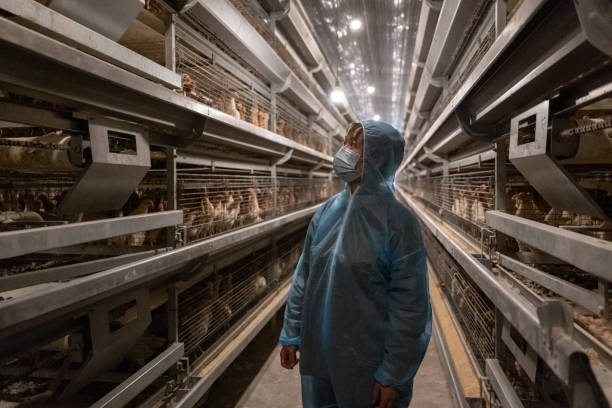
To fully realize the benefits of automatic chicken cage equipment, it is essential for farmers to receive proper training and support. This includes training on the operation and maintenance of the equipment, as well as best practices for poultry management.
Reputable suppliers typically provide training programs and ongoing technical assistance to help farmers get the most out of their investment. By equipping farmers with the knowledge and skills they need, automatic chicken cage equipment can empower them to build successful and sustainable poultry farming businesses.
**Overcoming Challenges and Promoting Adoption**
While the benefits of automatic chicken cage equipment are clear, there are also challenges to its adoption in Africa. These include the initial investment cost, lack of access to financing, and limited awareness of the technology.
To overcome these challenges, governments and industry stakeholders can play a role in providing financial incentives, promoting awareness, and supporting training programs. By working together, we can overcome these barriers and accelerate the adoption of automatic chicken cage equipment in Africa.
**The Future of Poultry Farming in Africa is Automated**
Automatic chicken cage equipment is not just a technological advancement; it is a transformative tool that can revolutionize poultry farming in Africa. By increasing efficiency, improving bird health, reducing labor costs, and promoting sustainable practices, these systems are paving the way for a more profitable and sustainable future for the industry.
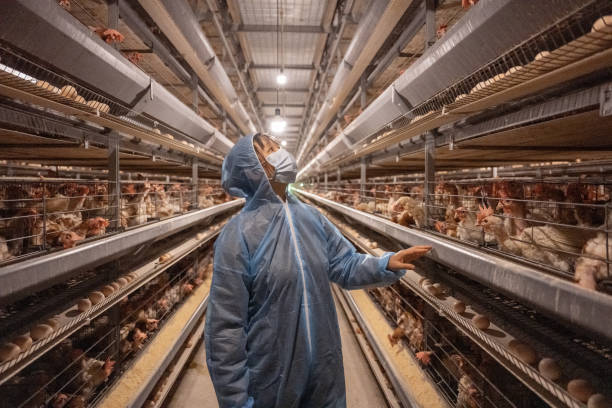
As Africa’s population continues to grow and the demand for poultry products increases, automatic chicken cage equipment will play an increasingly vital role in ensuring food security and economic development. By embracing this technology and investing in the future of poultry farming, we can unlock the immense potential of this industry and create a more prosperous and sustainable future for the continent.
In conclusion, automatic chicken cage equipment is the future of poultry farming in Africa because it adresses critical needs as the continent’s population surges. This includes production efficiency, bird welfare, sustainability, and profitability. It also contributes to food security, an increasingly important topic in modern times. Investing in this technology alongside adequate training and support proves to be a smart business decision that can benefit countless communities across Africa.