5 Essential Poultry Equipment Systems for a Commercial Chicken Farm

Commercial Farms Need Systems, Not Isolated Machines
The equipment in a commercial poultry house must support a continuous production process. Birds need reliable housing, feed and water; manure must leave the production area; eggs or broilers must move safely through the farm; and temperature and air quality must remain within manageable limits.
Buying each machine separately without a coordinated layout can create narrow aisles, conflicting conveyors, uneven ventilation and higher labor costs. The following five systems form the operating core of many modern layer and broiler farms.
1. Poultry Housing or Cage System
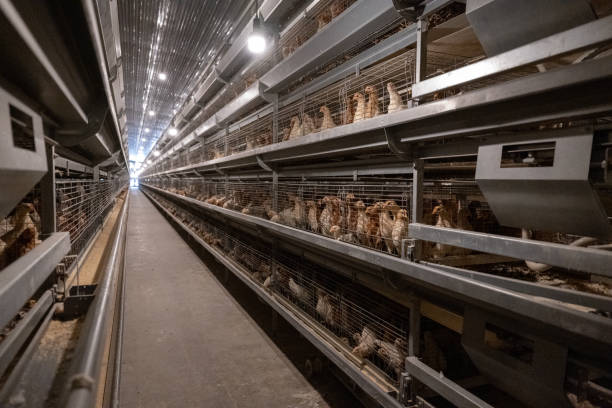
The housing system determines bird capacity, space utilization, inspection access and the automation that can be installed. Commercial layer farms commonly compare A-type and H-type battery cages, while broiler farms may use cage or floor-rearing systems.
A-Type Layer Cages
A-type cages can be suitable for small and medium farms, open or semi-open houses and projects that want to introduce automation in stages. Their stepped arrangement provides direct access but generally uses more floor area per bird than a vertical H-type layout.
H-Type Layer Cages
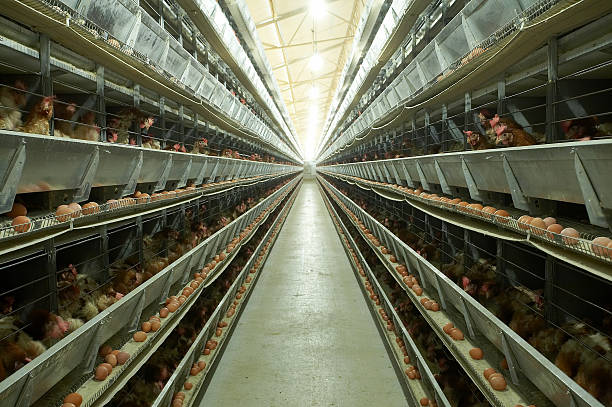
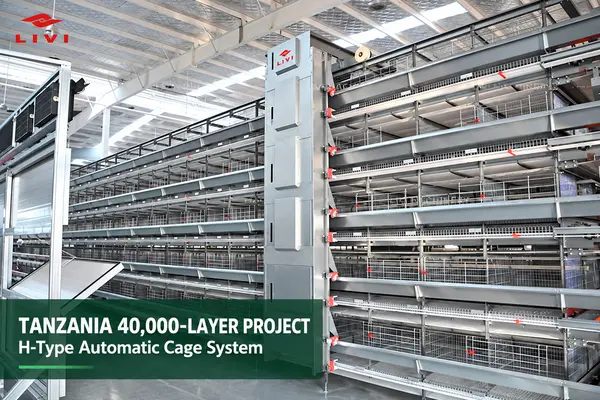
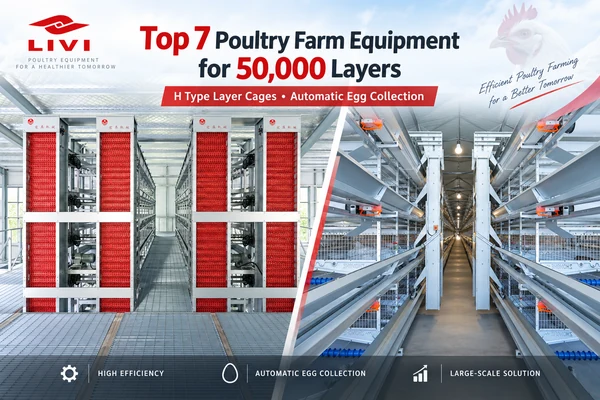
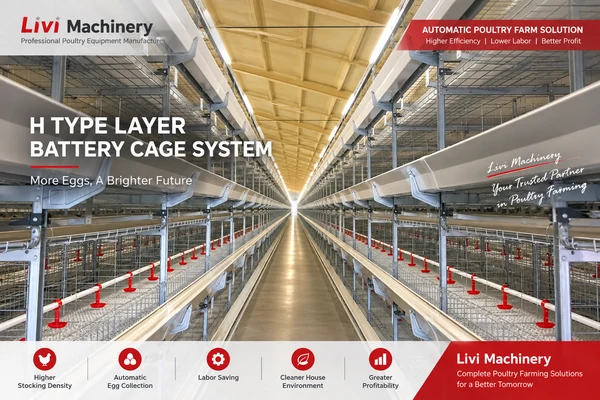
H-type cages use vertical tiers and can integrate automatic feeding, nipple drinking, manure belts and egg collection. They are often selected for medium and large commercial egg farms where building utilization and labor efficiency are priorities.
Compare LIVI’s A-type and H-type layer cages for Nigeria before deciding which layout suits the house and investment plan.
2. Automatic Feeding System
Feed represents a major share of poultry operating cost. A commercial feeding system should move feed from storage to every row and distribute it consistently without excessive spillage.
A complete system may include:
- External or internal feed silos
- Augers or conveying lines
- Traveling feeding machines or chain feeders
- Feed troughs with anti-waste edges
- Motors, sensors and control panels
The feed route should be planned before the house is built. Delivery trucks need clean access to the silo, and conveyors must avoid conflict with ventilation openings and service roads.
What to Check
Ask about distribution uniformity, motor power, daily operating time, emergency manual procedures and how the system is cleaned. For phased farms, confirm whether the silo and main conveyor can serve an additional house later.
3. Nipple Drinking and Water Management
Water failure can become an emergency more quickly than many equipment faults. A commercial drinking system should deliver clean water at stable pressure to every bird position.
The recommended package can include storage tanks, filters, medication equipment, pressure regulators, water meters, flushing components and nipple lines. The correct pressure depends on bird age, line length, cage level and drinker design.
Water Storage for Nigerian Conditions
Size storage for peak hot-weather demand, cooling-pad use and a realistic interruption period. Install house-level water meters so managers can identify leaks or unusual flock consumption early.
4. Manure Removal or Litter Management
Manure management affects ammonia, humidity, flies, worker conditions and biosecurity. The correct equipment depends on the housing system.
H-type layer cages commonly use a manure belt beneath every tier. A-type houses may use scraper systems or belts depending on the building. Floor-reared broilers require a litter plan covering bedding, moisture control and final removal.
Plan the Final Destination
The system is incomplete if manure only reaches the end of the house. Reserve an external conveyor, vehicle loading point, covered storage area, composting zone or other approved destination. Dirty traffic should not cross feed-delivery and egg-dispatch routes.
5. Ventilation and Environmental Control
Fans and cooling pads are production equipment, not optional building accessories. Temperature, humidity, air speed, dust and ammonia influence feed intake, growth, egg production and mortality.
An environmental-control package may include exhaust fans, air inlets, cooling pads, heaters where needed, sensors, lighting, alarms and an intelligent controller. The final quantity should be calculated from house dimensions, stocking density, local climate and target air exchange.
Backup Power Is Part of the System
High-density houses depend on ventilation and water. Separate essential electrical loads and size the generator for motor starting as well as normal operation. Test transfer procedures and keep fuel, belts, sensors and electrical spares available.
What About Egg Collection?
For a commercial layer farm, automatic egg collection is often the next essential system. Longitudinal belts move eggs from cage rows to an elevator or central conveyor, reducing repeated handling and helping control breakage.
The collection capacity should match peak production and the grading or packing workflow. Transfer points, belt alignment and operating speed require careful commissioning.
How to Prioritize Equipment When the Budget Is Limited
Protect systems that directly affect bird survival and daily feed and water access. A phased plan can add some automation later, but the original layout should reserve space, power and connection points.
Suggested priority order:
- Correct poultry housing and drinking system
- Designed ventilation and emergency power
- Consistent feeding equipment
- Manure or litter management
- Egg collection and centralized material handling
The order may change with flock size, labor availability and local climate. LIVI’s farm design service coordinates equipment selection with the building and operating plan.
Information Needed for an Equipment Layout
Prepare the following before requesting a quotation:
- Project country and exact location
- Layer, pullet or broiler production
- Initial and future bird capacity
- Land and poultry-house dimensions
- Open, semi-open or enclosed house preference
- Water source, storage and quality
- Voltage, grid reliability and backup plan
- Required feeding, manure and egg automation
Build a Complete Commercial Poultry System
The best equipment package is the one that keeps birds, feed, water, eggs, manure, air and workers moving safely through the farm. Review the site and house before finalizing cages or machinery.