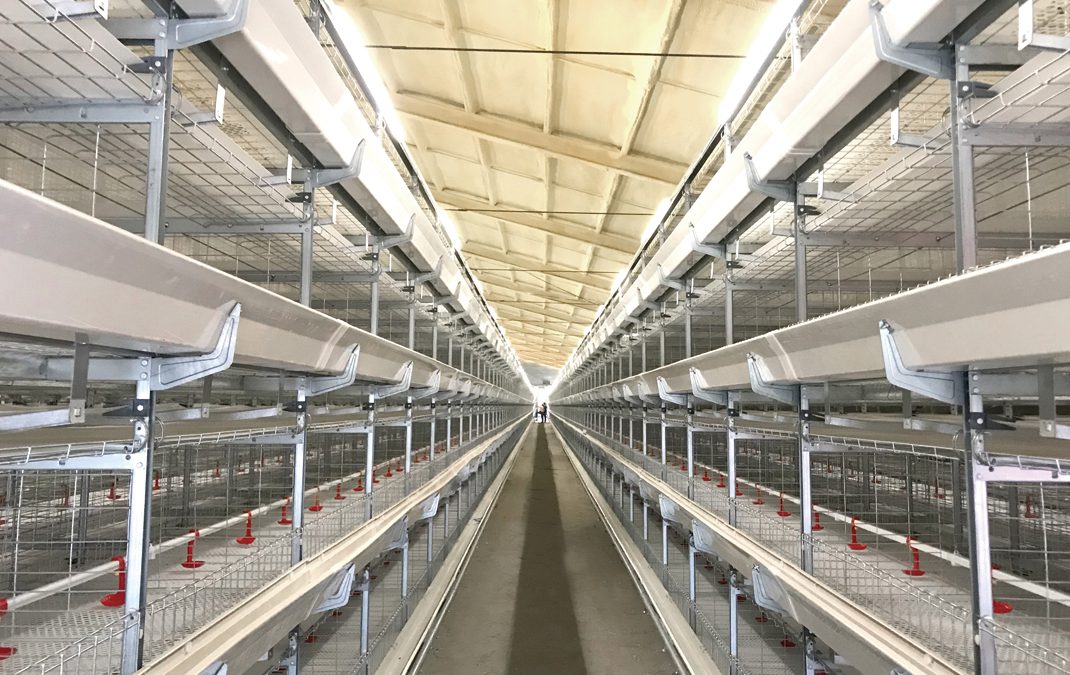
Maximize Your Poultry Farm’s Potential with Durable Chicken Cages in Kenya
Maximize Your Poultry Farm’s Potential with Durable Chicken Cages in Kenya
Kenya’s poultry industry is booming, presenting lucrative opportunities for farmers looking to tap into the growing demand for eggs and chicken meat. However, successful poultry farming requires more than just ambition; it demands strategic investments in quality infrastructure. One of the most vital investments you can make is in durable and efficient chicken cages. This article delves into how choosing the right chicken cages can significantly enhance your poultry farm’s productivity and profitability in the Kenyan context.
Why Chicken Cages are Essential for Poultry Farming in Kenya
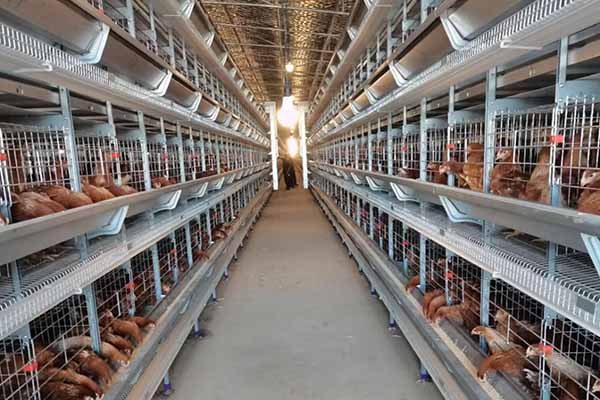
Chicken cages, particularly for layers and broilers, offer several advantages over free-range or deep litter systems, especially in a setting like Kenya where land and resources might be limited. Here’s a breakdown:
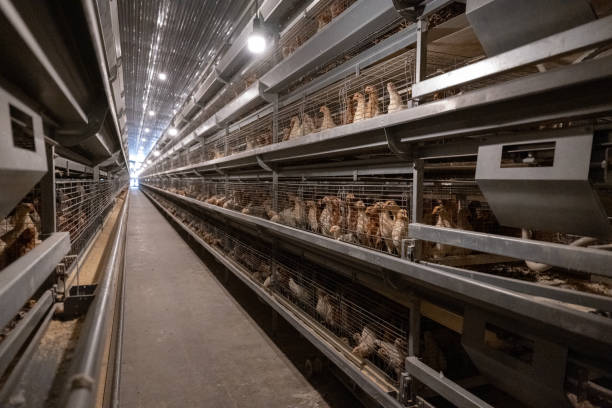
Increased Space Utilization: Cages allow you to house more birds in a given area, maximizing your production capacity without needing extensive land. This is especially crucial for farmers with limited space.
Improved Hygiene and Disease Control: With caged systems, chickens have less direct contact with their droppings, reducing the risk of disease outbreaks and improving overall hygiene. This translates to healthier birds and lower veterinary costs.
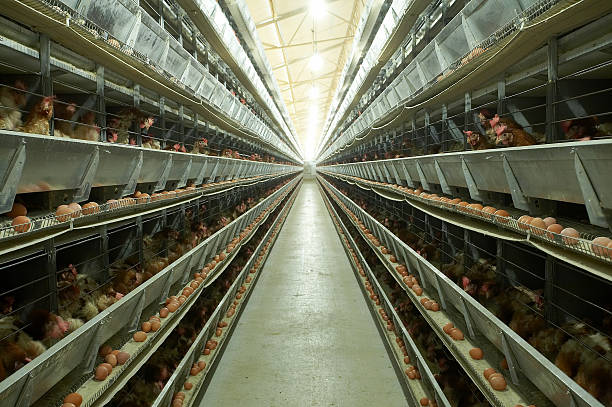
Easier Egg Collection: In layer cages, eggs roll out to collection trays, making collection simpler, faster, and reducing egg breakage. This directly increases the number of marketable eggs you get.
Better Feed Management: Cages facilitate controlled feeding, reducing feed wastage and ensuring each bird gets the required nutrients. This optimizes feed conversion ratios and lowers your feed costs, which are often the biggest expense in poultry farming.
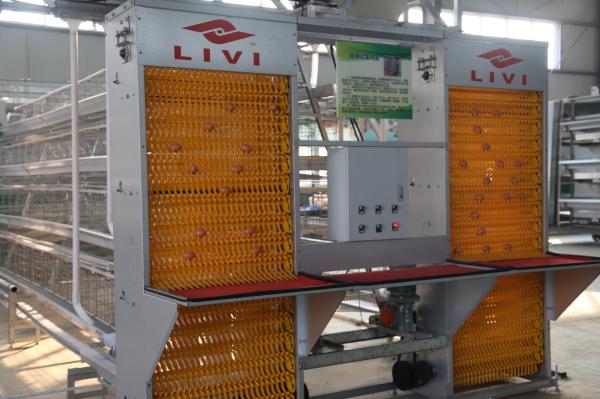
Reduced Labor Costs: Automated systems, often used in conjunction with cages, can significantly reduce the amount of labor required for feeding, watering, and egg collection. This frees up your time and resources for other important tasks.
Predator Protection: Cages offer a secure environment, protecting your chickens from predators, which can be a significant problem in some parts of Kenya.
Types of Chicken Cages Available in Kenya
The Kenyan market offers a variety of chicken cages to suit different farm sizes and production needs. Here are some of the most common types:
Layer Cages: Designed specifically for egg-laying hens, these cages typically feature sloped floors that allow eggs to roll forward for easy collection.
A-Frame Cages: These cages are arranged in an “A” shape, offering a compact and cost-effective solution for smaller farms.
H-Frame Cages: These cages are stacked vertically in an “H” shape, maximizing space utilization for larger farms. They often incorporate automated feeding, drinking, and manure removal systems.
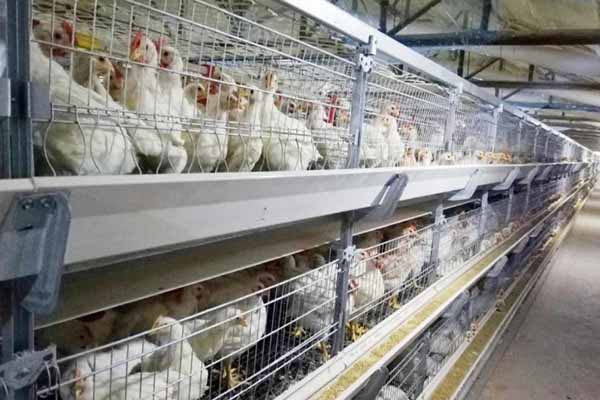
Broiler Cages: Designed for raising meat chickens, these cages are typically larger and provide more space for the birds to move around.
Flat Deck Cages: These cages are arranged in a single layer, providing easy access to the birds.
Tiered Broiler Cages: Similar to H-frame layer cages, these cages are stacked vertically to maximize space utilization.
Battery Cages: While increasingly controversial due to animal welfare concerns, battery cages are still sometimes found. They are small, individual cages typically used for layers. It’s important to be aware of evolving ethical standards and consumer preferences when considering battery cages.* Many farmers are moving towards more humane alternatives.
Factors to Consider When Choosing Chicken Cages in Kenya
Selecting the right chicken cages for your farm is a crucial decision. Here are key factors to keep in mind:
Farm Size and Capacity: Determine the number of chickens you plan to raise and choose cages that can accommodate your desired capacity.
Bird Type (Layers or Broilers): Select cages specifically designed for the type of chickens you are raising. Layer cages and broiler cages have different design features to meet the specific needs of each bird.
Material Quality and Durability: Opt for cages made from high-quality, corrosion-resistant materials that can withstand the harsh Kenyan climate. Galvanized steel is a common and durable choice.
Cage Design and Features: Consider features such as automatic feeding and watering systems, egg collection trays, and manure removal systems. These features can significantly improve efficiency and reduce labor costs.
Ventilation and Lighting: Ensure the cages provide adequate ventilation and lighting to maintain a healthy environment for the birds.
Ease of Cleaning and Maintenance: Choose cages that are easy to clean and maintain to prevent the buildup of bacteria and disease.
Cost: Compare prices from different suppliers and choose cages that offer the best value for your money. Don’t solely focus on the cheapest option; consider the long-term costs of maintenance and replacement.
Supplier Reputation and Support: Select a reputable supplier with a proven track record of providing quality products and excellent customer support. Look for suppliers who offer installation services, training, and after-sales support.
Animal Welfare: While efficiency is crucial, always consider the welfare of your birds. Ensure the cages provide adequate space and comfort to minimize stress and promote healthy growth.
Benefits of Investing in Durable Chicken Cages from Reputable Suppliers
While cheaper alternatives might seem tempting, investing in durable chicken cages from reputable suppliers offers significant long-term benefits:
Longer Lifespan: Durable cages are built to last, reducing the need for frequent replacements and saving you money in the long run.
Improved Bird Health and Productivity: High-quality cages provide a more comfortable and hygienic environment for your chickens, leading to improved health and productivity.
Reduced Maintenance Costs: Durable cages require less maintenance, saving you time and money on repairs and replacements.
Increased Efficiency: Well-designed cages can significantly improve efficiency in feeding, watering, and egg collection, reducing labor costs and increasing overall productivity.
Better Return on Investment: While the initial investment might be higher, durable chicken cages offer a better return on investment in the long run due to their longer lifespan, improved bird health, and increased efficiency.
Peace of Mind: Knowing that you have invested in quality equipment provides peace of mind and allows you to focus on other important aspects of your poultry farm.
Finding Reliable Chicken Cage Suppliers in Kenya
Kenya has a growing number of chicken cage suppliers. Here’s how to find reliable ones:
Online Research: Use online search engines to find chicken cage suppliers in Kenya. Look for suppliers with websites that provide detailed information about their products and services.
Industry Associations: Contact poultry industry associations in Kenya for recommendations on reputable suppliers.
Trade Shows and Exhibitions: Attend poultry trade shows and exhibitions to meet suppliers in person and see their products firsthand.
Referrals: Ask other poultry farmers for referrals to reliable suppliers.
Check Reviews and Testimonials: Look for online reviews and testimonials from other customers to get an idea of the supplier’s reputation.
Visit Supplier Facilities: If possible, visit the supplier’s facilities to inspect their products and assess their quality control measures.
Installation and Maintenance of Chicken Cages
Proper installation and maintenance are crucial to maximizing the lifespan and efficiency of your chicken cages.
Professional Installation: Consider hiring a professional to install your chicken cages, especially if you are using complex systems with automated features.
Regular Cleaning: Clean the cages regularly to prevent the buildup of bacteria and disease.
Routine Inspections: Inspect the cages regularly for signs of damage or wear and tear.
Prompt Repairs: Repair any damage promptly to prevent it from worsening.
Lubrication: Lubricate moving parts regularly to ensure smooth operation.
Pest Control: Implement a pest control program to prevent rodents and insects from damaging the cages and harming your chickens.
Looking towards the Future of Poultry Farming in Kenya
The Kenyan poultry industry is poised for continued growth, and investing in durable and efficient chicken cages is a key step towards maximizing your farm’s potential. By carefully considering your needs, selecting the right type of cages, and working with reputable suppliers, you can create a productive and profitable poultry farming operation that contributes to the country’s growing food security. Remember to stay updated on best practices in poultry management and animal welfare to ensure the long-term sustainability of your farm. The future of poultry farming in Kenya is bright, and with the right investments, you can be a part of it. By embracing technological advancements and focusing on ethical and sustainable practices, Kenyan poultry farmers can continue to thrive and contribute to the nation’s economic growth.