Automatic Cage System for 20,000-Bird Layer Farm
Automatic Cage System for 20,000-Bird Layer Farm
Running a large-scale layer farm with 20,000 birds is no small task. As poultry farming becomes more industrialized and competitive, efficiency, consistency, and animal welfare are becoming top priorities—especially when managing such a high volume of hens. That’s where an automatic cage system comes in. For farms aiming to maximize egg production while minimizing labor and operational stress, investing in a fully automated solution is not just smart—it’s essential.
At Livi Mechanical, we’ve helped hundreds of commercial farmers around the world modernize their operations. Our automatic cage systems are designed to support farms of all sizes, but when it comes to 20,000-bird capacity, the right setup can make the difference between breaking even and turning real profits. These systems aren’t about replacing people—they’re about making life easier, improving bird health, and increasing output per hen housed. Let’s dive into how a well-designed automated cage system can transform your layer operation.
Why Automation is a Game-Changer for Large Egg Farms
If you’re still manually feeding, watering, collecting eggs, or cleaning your barn on a 20,000-hen farm, you’re working harder than you need to—and likely sacrificing productivity along the way. Manual processes slow everything down and increase variability: feed might not be evenly distributed, water lines can get clogged unnoticed, and missed egg collections lead to breakage and waste. These small inefficiencies add up fast at scale.
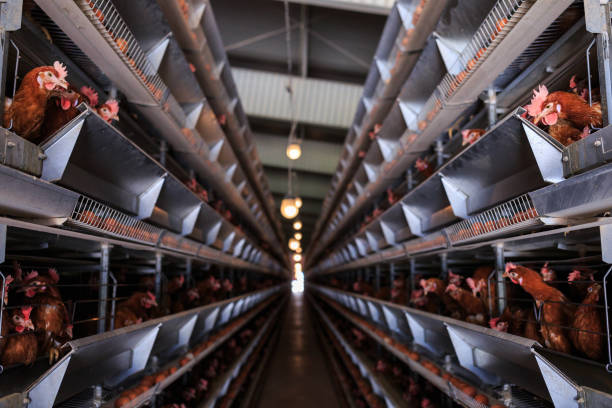
An automatic cage system streamlines every critical part of daily management. Imagine fresh feed being delivered to each tier of cages simultaneously at the same time every morning—no missed spots, no uneven distribution. Think about clean drinking water flowing through nipple drinkers that adjust to each bird’s needs, reducing spillage and wet litter. Now picture conveyor belts gently transporting eggs from nests directly to a central collection point, keeping them clean and intact without human handling.
But it goes beyond convenience. With automation, environmental control also improves significantly. Temperature, lighting, ventilation, and even manure removal can be managed automatically based on real-time conditions inside the house. This helps maintain consistent laying cycles and reduces stress-related issues like pecking or reduced egg quality. In short, automation gives you tighter control, fewer surprises, better data insights, and healthier birds—all contributing to higher profitability.
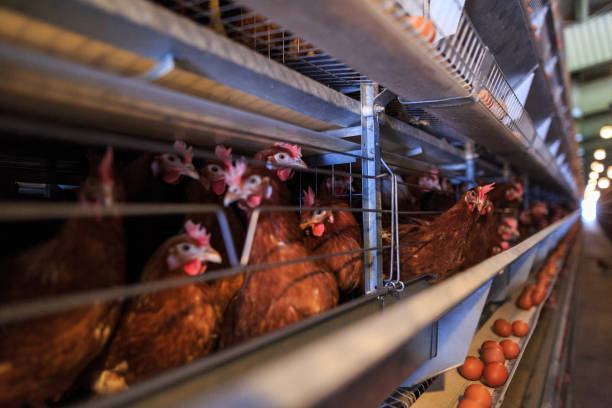
And let’s talk numbers: On a traditional non-automated farm, one worker might manage 5,000–6,000 hens if they’re efficient. But with a full automatic cage setup? The same person could easily oversee two or even three times that number. Labor costs go down. Error rates drop. Production stability increases. It’s not a luxury anymore—it’s what modern, profitable egg farming looks like.
Key Components of a Complete 20K Automated Layer System
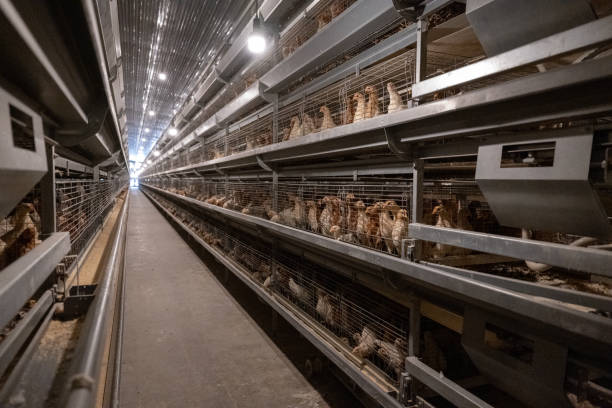
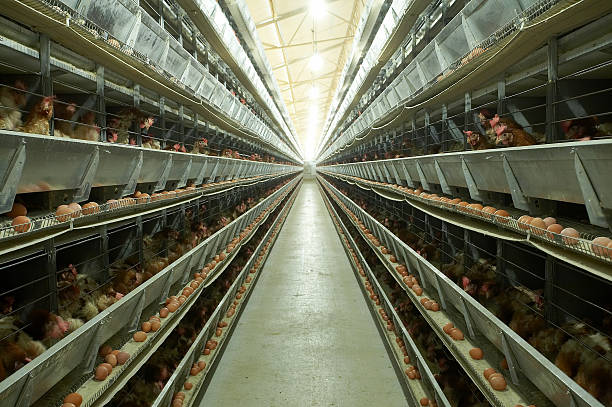
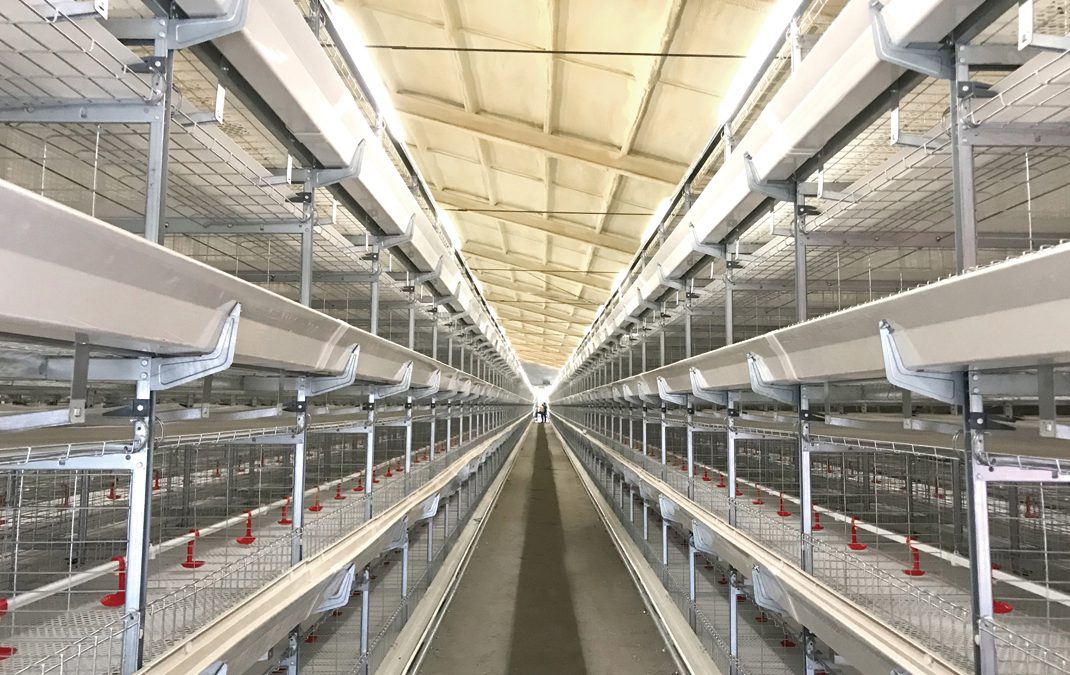
A successful automatic cage system isn’t just about putting hens in metal boxes. It’s a carefully engineered ecosystem designed to optimize space, health, hygiene, and performance across thousands of birds. For a 20,000-bird farm, the typical layout uses multi-tier A-frame designs with four to six levels of cages, allowing optimal use of vertical space. Here’s what you’ll find in a complete turnkey system:
First, the cage structure itself—galvanized steel construction ensures durability and resistance to corrosion, which is crucial in a humid, ammonia-rich environment. Each module usually holds 4–6 hens, giving enough room for movement while maximizing density. Nesting areas are integrated into the design, often with sloped bottoms so eggs roll gently away after being laid, preventing damage and contamination.
Next, feeding systems come in the form of chain or belt conveyors that run along the front of each row. Controlled by timers or sensors, they deliver precise amounts of feed at scheduled intervals, ensuring every bird gets its share. Some advanced setups even include feeding monitoring software that alerts you if there’s a blockage or delay.
Then there’s the drinking system, typically using nipple drinkers connected to a centralized water line. These prevent spillage, keep bedding drier, reduce disease risk from dirty water, and allow for medicated water delivery when needed. Pressure regulators ensure consistent flow across long lines—even in large houses over 150 meters long.
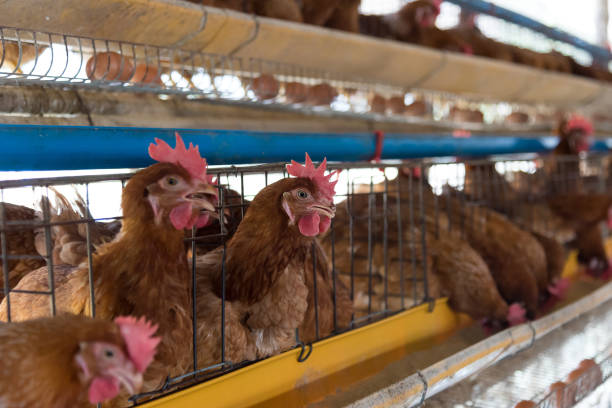
One of the most valuable features is the egg collection conveyor system. Eggs roll from nests onto small belts or rollers that feed into main collection belts running the length of the building. At the end, eggs are transferred to a packing station where staff can inspect and pack them safely. This reduces labor, prevents floor eggs, and keeps shell quality high.
And don’t forget manure removal—often overlooked until it becomes a problem. Automated scraper systems or belt manure removers eliminate waste buildup daily or weekly, depending on your preference. This drastically reduces odor, flies, ammonia levels, and labor associated with manual cleaning. Dryer litter means less footpad burn and better respiratory health for your flock.
Finally, climate control integration ties everything together. Ventilation fans, evaporative cooling pads, curtain sides, and lighting programs can all be synced to a central controller. Many of our clients use IoT-enabled panels that let them monitor barn conditions remotely via smartphone—even getting alerts if temp spikes overnight or power fails.
All these components work together seamlessly. When properly installed and maintained, you’re looking at years of reliable, low-maintenance operation with minimal downtime.
How to Choose the Right Setup for Your Farm
Not all 20,000-bird farms are created equal. Your location, housing style (tunnel-ventilated vs. natural airflow), egg market demands, budget, and labor availability all play a role in determining the best configuration. That’s why “one-size-fits-all” solutions rarely work—at least not optimally.
For example: If you’re in a hot climate like Southeast Asia or the Middle East, cooling capacity becomes critical. We recommend adding extra fogging units or upgraded tunnel fans alongside bigger evaporative pads. In colder regions, insulated side walls and recirculation fans help retain heat during winter without compromising air exchange.
Floor space and building dimensions matter too. A standard Livi-designed 20K automatic cage setup fits nicely in a shed around 130m x 14m (approx. 430ft x 46ft), arranged in double rows with central manure pits or belts. But we’ve customized layouts for narrow, long buildings or odd-shaped barns—there’s always a way to adapt.
Another consideration is phase versus single-stage housing. Some farms start pullets in grower cages before moving them to layers. Others raise them off-site and transfer only adult hens. Depending on your workflow, we can integrate starter-grower sections or focus solely on production cages.
And remember: automation doesn’t have to happen overnight. You can begin with auto-feeding and egg collection, then add manure belts or climate controls later. Our modular systems allow expansion over time, so you invest as you grow.
Still unsure what’s best for your case? That’s exactly why we offer free site assessments and virtual planning consultations. Just send us your building plans or rough sketches—we’ll provide a detailed layout, equipment list, and quote tailored to your farm.
Ready to see how much time and money you could save? Drop us a message today with your contact info and basic farm details. Whether you’re building new or upgrading old facilities, our team is here to guide you step by step—from design to installation and training.
We’ve helped farms in Nigeria, Mexico, Vietnam, Kazakhstan, and over 60 countries bring their egg production into the modern era. No matter where you are, we speak your language—both literally and technically.
Don’t stay stuck in outdated methods when technology exists to make your job easier and your profits bigger. Reach out now, and let’s build your dream egg farm together.