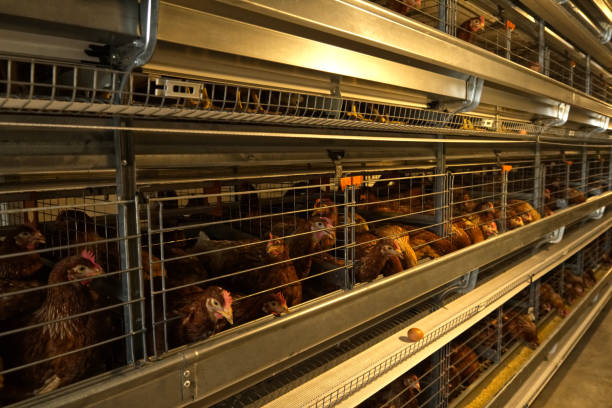
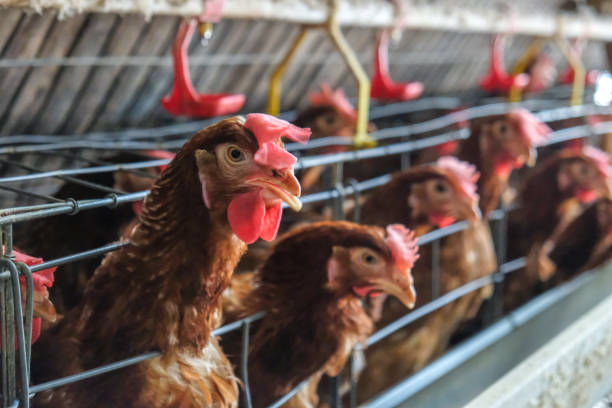
Automatic feeding and egg collection system for 20000 layers
Automatic Feeding and Egg Collection System for 20,000 Layers
Keeping a large-scale poultry operation running smoothly is no small task. For farms managing 20,000 layers, efficiency, consistency, and labor-saving solutions are absolutely critical. This is where an automatic feeding and egg collection system comes in — a game-changer for modern poultry farming.
Investing in automation isn’t just about reducing manual labor; it’s about boosting productivity, improving animal welfare, and maintaining high hygiene standards. In this article, we’ll take a detailed look at what an automatic feeding and egg collection system for 20,000 layers entails, how it works, and why it’s a smart move for large-scale egg producers.
Understanding the System: What It Is and How It Works
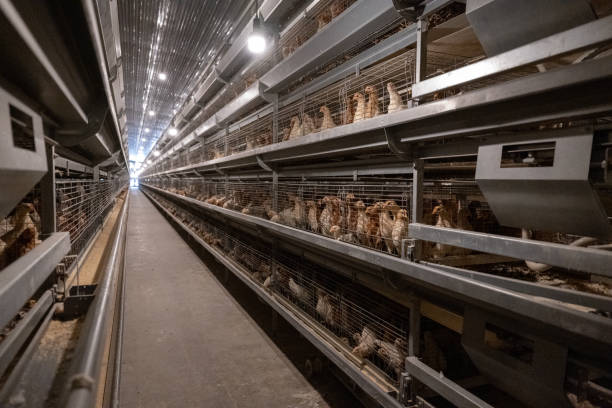
An automatic feeding and egg collection system for 20,000 layers is essentially a high-tech setup designed to automatically deliver feed to the birds and collect eggs without the need for human intervention every time. These systems are commonly installed in layer farming operations that use either conventional cage systems or more modern aviary or enriched colony setups.
The core components of the system include:
Feeding system: Consists of feed silos, augers or chain lines, and feeding troughs that distribute feed evenly to each row of cages.
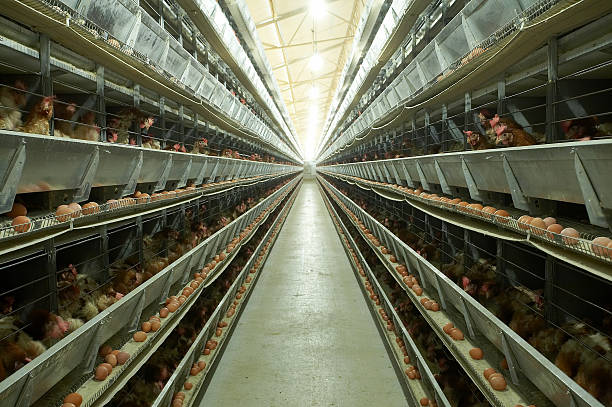
Egg collection system: Typically includes conveyor belts or rolling egg trays that transport eggs from individual cages to a central collection point.
Control unit: A centralized control panel or computer system that automates the timing and frequency of feeding and egg collection cycles.
Depending on the farm layout and poultry housing system, these components can be customized to fit multi-tier cage structures and optimize space usage. The feeding line could be either a chain-type or belt-type system, depending on the preference and design of the cages, while egg conveyor lines can be horizontal or vertical according to the structure.
Why Automation Makes Sense for 20,000 Layers
Imagine managing 20,000 hens without an automated system. Feeding alone would require a significant workforce, not to mention the daily labor involved in collecting eggs. Automation brings a level of efficiency and precision that’s nearly impossible to achieve manually.
Here’s why automation works well for large-scale layer operations:
Reduces Labor Costs and Manpower Requirements
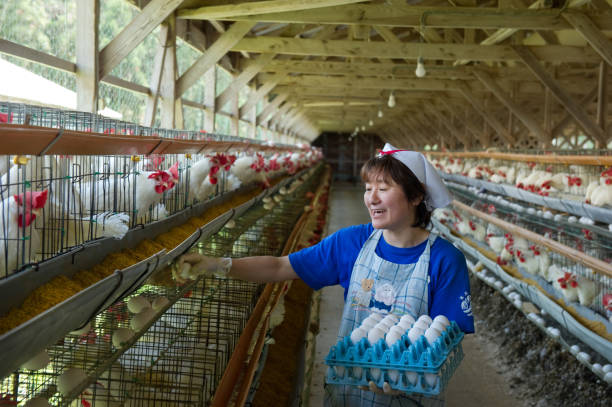
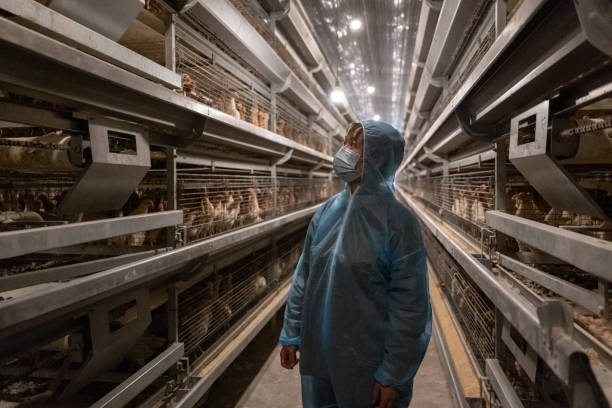
With automation, one person can manage tasks that previously required a team. The feeding and egg collection processes are handled by machines, meaning fewer workers are needed to maintain daily operations. This directly reduces labor costs and allows farm personnel to focus on other critical tasks like health monitoring, maintenance, and quality control.
Improves Feed Efficiency and Reduces Waste
Automatic feeding systems ensure that feed is delivered at the right time and in the correct amount. Precision feeding reduces waste and ensures uniform nutrition across the entire flock. This leads to better egg production rates and healthier birds.
Boosts Egg Quality and Minimizes Damage
Traditional egg collection methods often result in cracked or dirty eggs, especially when done manually. An automatic system gently transports eggs from nesting areas to collection bins, minimizing breakage and contamination. This means higher marketable egg yields and better profits.
Enhances Farm Hygiene
Automated systems are easier to clean and maintain, reducing the risk of disease outbreaks. With controlled feeding cycles and faster egg collection, there’s less opportunity for pests or bacteria to thrive in the barn environment.
Enables Real-Time Monitoring and Control
Modern systems often come equipped with digital interfaces that allow farmers to monitor the status of their flock remotely. Some advanced setups even integrate with farm management software, enabling farmers to track performance metrics and schedule maintenance automatically.
Key Features of a Well-Designed System
When choosing an automatic feeding and egg collection system for 20,000 layers, it’s not just about going big — it’s about going smart. Here are some essential features to look for:
High Capacity and Reliability
Since the system supports 20,000 birds, it must be able to handle large volumes without downtime or breakdowns. Components made from high-quality, corrosion-resistant materials are essential for long-term durability.
Customizable Layout
No two poultry farms are exactly alike. A good system should be adaptable to different barn dimensions and cage configurations. Whether you’re using A-type, H-type, or ladder-type cages, the system should be integrated smoothly.
User-Friendly Control Panel
Automation is only as good as the interface that controls it. A simple, intuitive control panel makes it easy to adjust settings like feeding times, feed quantities, and cleaning cycles. Some systems even offer mobile app integration for remote monitoring.
Easy to Maintain and Clean
Maintenance should be straightforward, with accessible components and minimal parts that require frequent replacement. The system should also allow for easy cleaning to prevent bacterial growth and maintain biosecurity.
Energy Efficiency
A modern system should be energy-efficient to reduce operational costs. Motorized units with low-power consumption and smart sensors that detect motion or absence of birds help conserve energy.
Components of the System Explained
Let’s take a closer look at the major components of an automatic feeding and egg collection system:
Feeding System
A. Feed Silos
Feed silos are large storage containers located outside the poultry house. They hold the chicken feed and are connected to internal conveying units that deliver the feed to each row of cages.
B. Chain or Belt Conveyors
Feeding lines within the poultry house can be either chain-based or belt-based. Chain systems are more common in traditional setups, while belt systems are quieter and easier to maintain. Both ensure an even flow of feed into the troughs.
C. Feeding Troughs
Installed directly in front of the cages, feeding troughs must be designed to allow easy access for hens while minimizing spillage. They should be durable and easy to clean.
D. Timing and Quantity Controls
Farmers can set the frequency and amount of feed delivered based on the age and type of birds. This helps avoid overfeeding and ensures that all hens get their share.
Egg Collection System
A. Egg Trays or Rollers
Each cage is equipped with a sloped tray or roller system that gently guides the eggs away from the hen and into collection lines. These trays are usually made of food-grade, smooth material that reduces breakage.
B. Main Conveyor belts
Eggs from individual cages drop into lateral conveyor belts that run along the length of the rows. These belts then transport the eggs to a central belt that carries them to a collection table or packing station.
C. Egg Collection Table or Packing Station
At the end of the conveyor run, a centralized collection table or automated packing station gathers the eggs for grading, cleaning, and packaging.
D. Manual Backup Options
In case of a power outage or mechanical failure, having a manual override or secondary collection method ensures that eggs don’t remain in the cages for extended periods.
How the System Operates Day-to-Day
Operating an automatic feeding and egg collection system for 20,000 layers is surprisingly straightforward once it’s set up correctly. Here’s a typical day in the life of a modern layer farm using this technology:
Morning:
The automatic feeding system starts early, delivering breakfast to all cages simultaneously.
Feed is distributed evenly, and the system checks for any blockages or faults.
After feeding, the waste collection system might activate (if integrated) to remove droppings and maintain cleanliness.
Midday:
The egg-laying time peaks, and eggs roll gently into the collection trays.
Conveyor belts operate at regular intervals to keep the flow of eggs steady and prevent congestion.
Afternoon:
Any maintenance checks are scheduled during this time.
Staff monitor the control panel for any error messages or performance data.
Evening:
The second feeding session runs automatically, ensuring birds have enough food for the night.
The final egg collection happens before lights out, and the system powers down quietly.
Choosing the Right System for Your Operation
Selecting the right automatic feeding and egg collection system isn’t just about numbers — it’s about finding a solution that aligns with your long-term goals, barn layout, and budget. Here are some considerations:
Scale and Future Expansion
While you might be setting up for 20,000 layers now, plan for possible expansion. A scalable system can accommodate additional cages or even integrate broiler systems in the future if you decide to diversify.
Type of Housing System
Your choice of cages — conventional, enriched, or aviary — directly affects the kind of feeding and egg collection system you’ll need. Make sure the automation is compatible with your cage type.
Brand Reputation and After-Sales Service
Invest in a reputable supplier like Livi Machinery, with a proven track record in manufacturing and supporting large-scale poultry systems. Ensure they offer local service and spare parts availability.
Budget and Financing Options
While automated systems require a significant upfront investment, they offer long-term savings and ROI. Explore financing options or partnerships to make the transition more manageable.
Integration with Other Systems
Modern poultry houses often include ventilation systems, manure removal, and climate control. The best automation setups are those that can interface with other farm systems for centralized management.
Case Study: A Real-World Example of Success
A farm in Eastern Europe recently upgraded its existing 20,000-layer setup with a fully automatic feeding and egg collection system from Livi Machinery. The farm was facing high labor costs, inconsistent feeding times, and egg damage due to manual collection.
After installing the new system:
Labor costs decreased by 45%.
Egg breakage dropped from 8% to under 2%.
Daily efficiency improved significantly with real-time data on feed consumption and laying rates.
The farm owner reported better flock health, improved egg quality, and increased profits within just a few months of installation.
Conclusion: Automation is the Future of Poultry Farming
For any serious poultry farmer aiming to scale to 20,000 layers, automation isn’t just an upgrade — it’s a necessity. An automatic feeding and egg collection system ensures that your operation runs smoothly, profitably, and sustainably.
At Livi Machinery, we understand the challenges of modern poultry farming — and we design our systems to meet them head-on. Whether you’re building a new facility or modernizing an existing one, our team is here to provide tailored, reliable, and innovative solutions for your 20,000-layer operation.
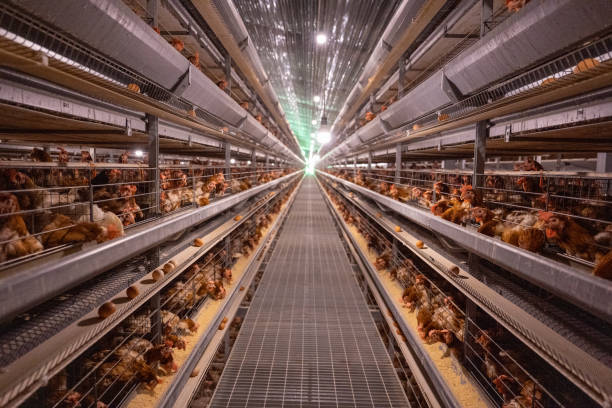
Take your farm to the next level. Invest in automation today, and reap the rewards for years to come.