Automatic Layer Cages for Poultry Farms in Uganda
Automatic Layer Cages for Poultry Farms in Uganda
Poultry farming has become a rapidly growing sector in Uganda, driven by rising demand for eggs and chicken meat. Entrepreneurs and small-to-medium-scale farmers are increasingly investing in modern farming methods to improve productivity and profitability. One of the most effective ways to boost egg production while reducing labor and feed waste is by using automatic layer cages. These advanced systems are transforming traditional poultry farming across East Africa — and Ugandan farms are no exception.
For farmers in Uganda looking to scale up their operations, automatic layer cages offer a smart solution that maximizes output with minimal daily effort. At Livi Mechanical Manufacturing from Zhengzhou, China, we specialize in designing and producing high-performance automated laying hen systems tailored for tropical climates like Uganda’s. Our cages are not only durable and cost-effective but also designed to enhance bird welfare, maintain hygiene, and streamline egg collection. With proper installation and support, these systems can revolutionize how Ugandan farmers manage their flocks.
Why Automatic Layer Cages Are Ideal for Uganda’s Growing Poultry Industry
Uganda’s climate presents unique challenges for poultry farming — high humidity, temperature fluctuations, and seasonal disease outbreaks. Traditional free-range or deep-litter systems often lead to higher mortality rates, inconsistent egg yields, and increased labor demands. This is where automation comes in as a game-changer.
Automatic layer cages eliminate many of the pain points associated with manual management. For instance, an automatic feeding system ensures each hen receives consistent nutrition throughout the day without requiring multiple staff visits. Similarly, automated watering lines prevent contamination and wastage, two major issues in areas where clean water access can be limited. Most importantly, auto egg collection belts mean eggs are gathered quickly and cleanly, reducing breakage and lowering labor costs significantly.
We’ve worked with several Ugandan clients who upgraded from conventional setups to our full-line automatic layer cage systems. Many reported a 20–30% increase in egg production within just three months, along with noticeable improvements in bird health and lower feed conversion ratios. The controlled environment provided by well-ventilated, tiered cage systems helps reduce stress and minimize aggressive behavior among hens, which directly impacts laying performance.
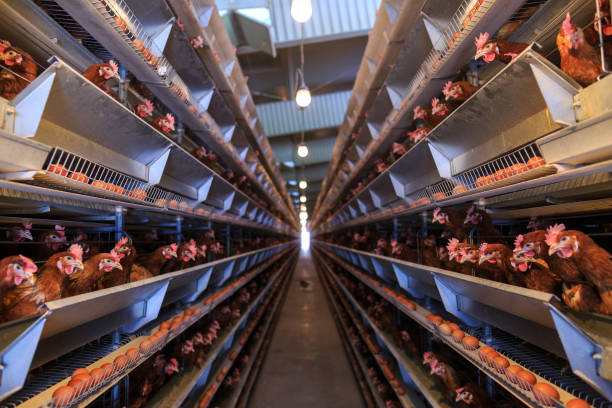
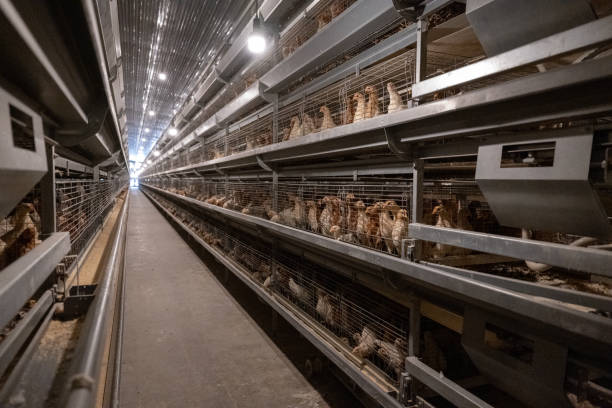
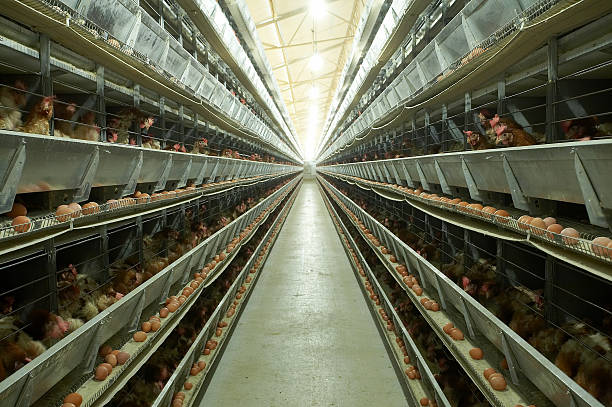
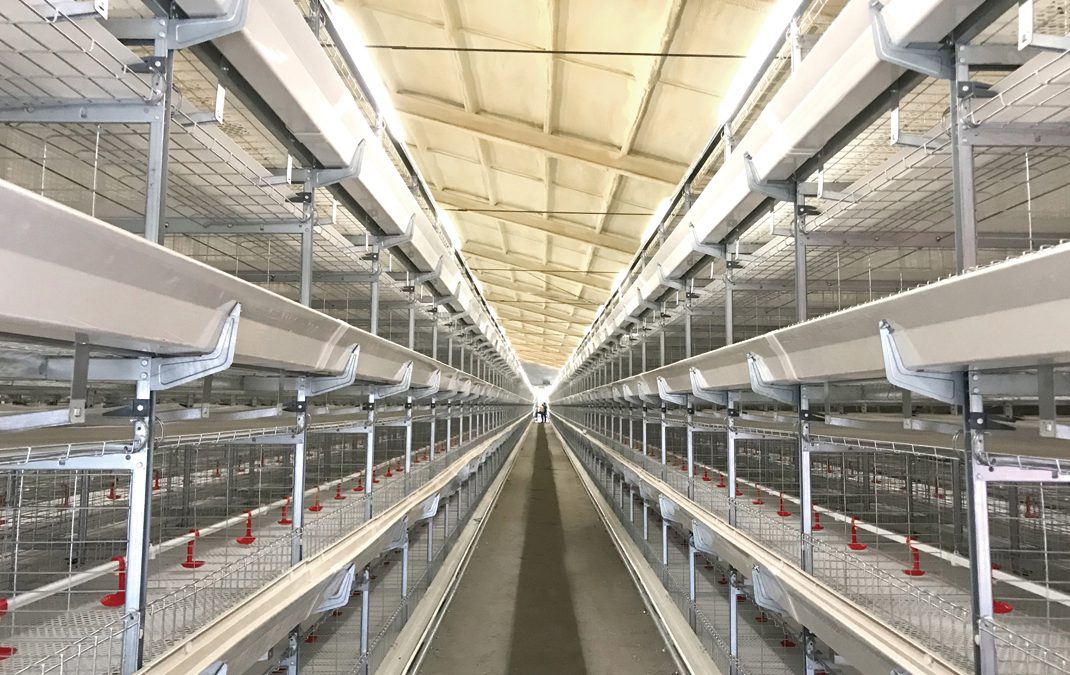
Moreover, land availability is often limited for commercial farms in densely populated regions like central Uganda. Automatic layer cages allow vertical stacking — commonly 2 to 4 tiers high — enabling farmers to house more birds in less space. This compact design supports intensive farming practices without sacrificing animal welfare when properly managed.
Key Features That Make Livi’s Cages Perfect for Ugandan Farms
When choosing automatic layer cages, it’s essential to consider durability, ease of maintenance, and suitability for local conditions. That’s exactly what sets Livi apart. All our cages are built using hot-dipped galvanized steel, which resists rust and corrosion — critical for humid environments like those around Lake Victoria. Unlike cheaper wire mesh alternatives, our materials won’t degrade after a year of use, meaning your investment lasts longer and performs better over time.
Each system includes precision-engineered components such as:
Auto Feeding Lines: Driven by chain or belt mechanisms, these deliver feed evenly to all levels of the cage, ensuring every bird gets equal access.
Drinking Water Systems: Equipped with nipple drinkers that prevent spillage and keep bedding dry, improving overall farm hygiene.
Egg Collection Belts: Gently transport laid eggs to one end of the house, where they can be collected safely without damage.
Manure Removal Belts or Scrapers: Keep droppings separated from the birds, reducing odor, flies, and ammonia buildup — key for maintaining good respiratory health in flocks.
Ventilation & Cooling Options: Optional tunnel ventilation fans and pad systems help regulate temperature during hotter months, especially important in northern Uganda.
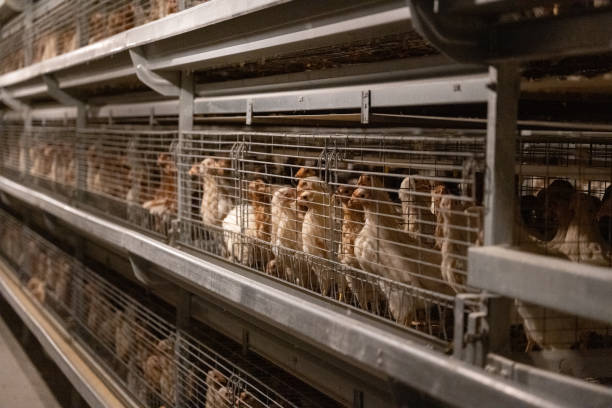
We also customize cage sizes and configurations based on the customer’s barn dimensions and flock size — whether you’re building a new poultry house or retrofitting an existing structure. Whether you need a 5,000-bird setup or a 50,000-bird fully automated facility, we can design a turnkey solution that integrates seamlessly into your operation.
Our engineering team conducts thorough site assessments (via photos, videos, or drone footage if needed) before manufacturing begins. Once shipped from China via sea freight to Mombasa or Dar es Salaam ports, our technicians can assist with on-site assembly and training — something many Ugandan importers appreciate since reliable technical guidance isn’t always easy to find locally.
How Automation Improves Profitability and Sustainability
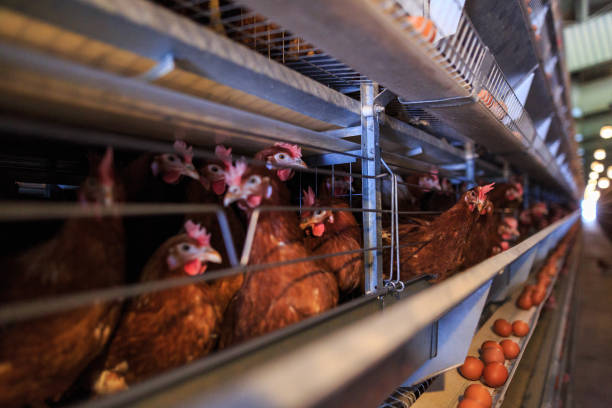
Switching to automatic layer cages isn’t just about convenience — it’s a strategic move toward sustainable, profitable farming. Let’s look at real-world benefits:
First, labor savings are immediate. On average, one worker can manage up to 10,000 caged layers with automation, whereas the same number would require four or five people under manual systems. In countries like Uganda, where skilled farm labor is both scarce and expensive, this reduction in manpower translates directly to lower operating costs.
Second, feed efficiency improves dramatically. Because feeding is timed and evenly distributed, there’s little room for overfeeding or competition among birds. Studies show that automated systems can reduce feed waste by up to 15%, saving tens of thousands of shillings annually even on mid-sized farms.
Third, biosecurity is enhanced. Closed-cage environments limit contact between wild birds, rodents, and your flock — reducing disease transmission risks. Combined with regular manure removal, this leads to healthier birds and fewer medication expenses.
And let’s not forget consistency. Eggs arrive on the belt at predictable times every morning, making packing, grading, and delivery schedules easier to plan. Customers — including supermarkets, hotels, and distributors — value reliability, so consistent supply strengthens business relationships.
Some farmers worry that automation might be too complex or costly upfront. But here’s the truth: although initial investment is higher than basic cages, the return on investment usually pays off within 12 to 18 months through improved productivity and reduced losses. Plus, we offer flexible payment terms, shipping options, and extended warranties so you can make the transition smoothly.
Start Your Modernization Journey Today
If you’re ready to take your poultry farm in Uganda to the next level, now is the perfect time to explore automatic layer cages built for African conditions. Whether you’re expanding your current operation or starting fresh, Livi provides end-to-end support — from design and manufacturing to shipping and installation guidance.
We’ve helped dozens of African poultry farmers modernize their facilities with trusted equipment that stands up to tough climates and heavy daily use. And because we manufacture in-house, we control quality at every stage, ensuring you get exactly what you need — nothing more, nothing less.
Want to see how an automatic layer cage system could work on your farm? Simply share your barn measurements, target flock size, and preferred layout (battery-style, H-type, etc.), and we’ll send you a customized proposal with pricing, timeline, and photos of similar projects.
Leave us your WhatsApp number or email address, and one of our experts will reach out within 24 hours. You’ll get clear answers, zero pressure, and practical solutions tailored to your goals. Thousands of satisfied customers around the world trust Livi for their poultry needs — join them today and start building the future-proof farm you’ve always envisioned.