Bangladesh Poultry Cage Manufacturers: Comparing Options & Finding the Best Fit
Bangladesh Poultry Cage Manufacturers: Comparing Options & Finding the Best Fit
Bangladesh’s poultry industry is booming, and for good reason. Eggs and chicken are staples in the Bangladeshi diet, making poultry farming a profitable venture. But success in poultry farming hinges on several factors, and one of the most significant is choosing the right poultry cage system. With numerous Bangladesh poultry cage manufacturers vying for your business, navigating the market can feel overwhelming. This comprehensive guide will help you compare options, understand key considerations, and ultimately find the best fit for your specific needs.
Why Choose Poultry Cages? Understanding the Benefits
Before diving into the manufacturers, let’s clarify why poultry cages are so popular in modern poultry farming. While some farmers prefer free-range systems, cages offer distinct advantages, especially when scaling up operations:
Increased Efficiency: Cages optimize space utilization, allowing you to house more birds in a given area. This translates to higher production output and potentially greater profits.
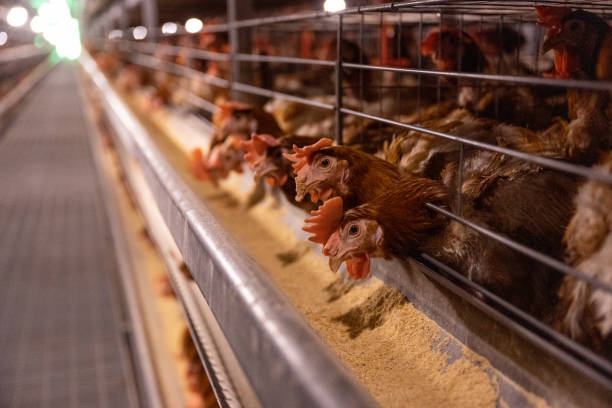
Improved Hygiene: With proper design and management, cages can reduce contact between birds and their droppings, minimizing the risk of disease spread and improving overall hygiene. Easy waste removal systems are crucial for this.
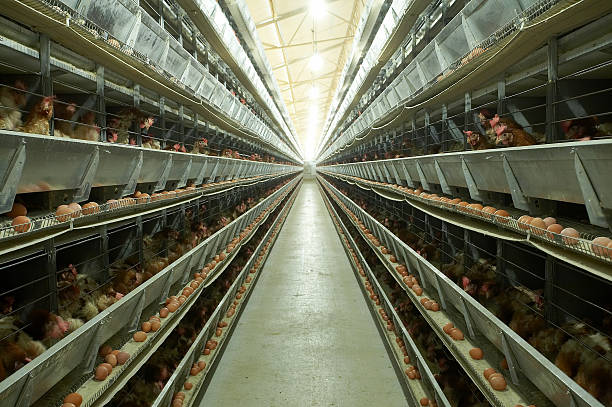
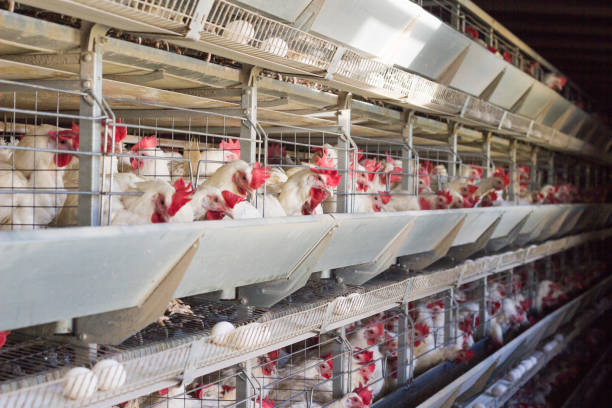
Better Egg Collection: Cage systems, particularly those with automated egg collection, streamline the egg gathering process, saving time and labor.
Enhanced Bird Management: Cages allow for easier monitoring of individual birds, making it simpler to identify and isolate sick or underperforming chickens.
Reduced Feed Waste: Well-designed cage feeders minimize feed spillage, ensuring that feed resources are used efficiently.
Climate Control: Housing chickens in cages within poultry houses makes it easier to control environmental factors like temperature and humidity, leading to more consistent egg production.
Predator Protection: Cages offer a secure barrier against predators, safeguarding your flock from losses.
Types of Poultry Cages Available in Bangladesh
Understanding the different types of poultry cages is crucial for making an informed decision. Here’s a breakdown of the most common options:
Layer Cages (Egg-Laying Hens): Layer cages are specifically designed for egg-laying hens. These are further divided into:
A-Frame Cages: A-frame cages are a traditional and cost-effective option. They are typically arranged in rows, forming an A-shape.
H-Frame Cages: H-frame cages offer a more space-efficient design, often with multiple tiers. They are suitable for larger-scale operations.
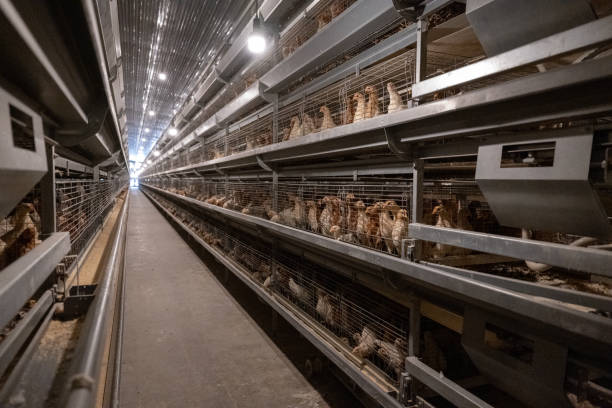
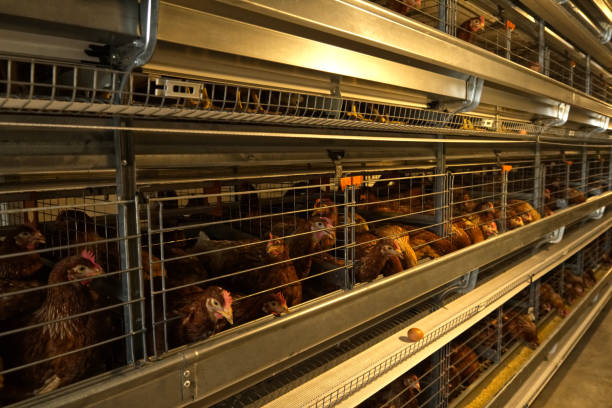
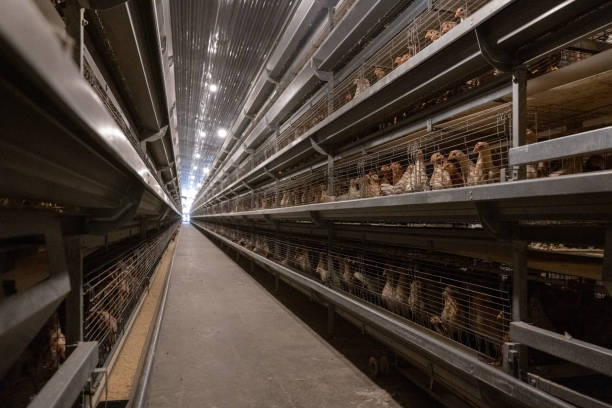
Stacked Cages (Multi-Tier): Stacked cages maximize space utilization by arranging cages in multiple tiers, one above the other. These systems often incorporate automated feeding, watering, and manure removal.
Broiler Cages (Meat Chickens): Broiler cages are designed for raising meat chickens. They typically provide more floor space per bird and are built to withstand the rapid growth rate of broilers.
Chick Cages (Baby Chicks): Chick cages are smaller cages specifically designed for housing young chicks. They provide a safe and controlled environment for the chicks to grow and develop.
Within each of these types, you’ll find variations in terms of construction material, cage size, and automation features. Common materials include galvanized steel wire mesh and plastic.
Key Factors to Consider When Choosing a Manufacturer
Selecting the right Bangladesh poultry cage manufacturer is paramount. Here’s a checklist of essential factors to consider:
Reputation and Experience: Look for manufacturers with a proven track record and positive reviews from other poultry farmers. How long have they been in business? Can they provide references?
Product Quality: The quality of the cages directly impacts the health and productivity of your birds. Inquire about the materials used, the manufacturing process, and the durability of the cages. Are they using high-quality galvanized steel to prevent rust and corrosion? Is the cage design bird-friendly, minimizing the risk of injuries?
Customization Options: Every poultry farm is unique. Can the manufacturer customize the cage system to meet your specific needs, such as the number of tiers, the size of the cages, and the type of automation?
Price and Value: While price is a factor, focus on value for money. Cheaper cages might seem appealing initially, but they could cost you more in the long run due to poor durability, increased maintenance, and reduced bird performance.
Automation Features: Consider the level of automation you need. Automated feeding, watering, and manure removal systems can significantly reduce labor costs and improve efficiency.
After-Sales Service: Does the manufacturer offer after-sales service, including installation, maintenance, and repair? A reliable after-sales service is crucial for ensuring the long-term performance of your cage system.
Compliance with Standards: Ensure that the cages meet relevant safety and animal welfare standards.
Manufacturing Capacity: If you have a large-scale operation, ensure the manufacturer has the capacity to fulfill your order within your required timeframe.
Location and Logistics: Consider the manufacturer’s location and its proximity to your farm. This can impact shipping costs and delivery times.
Warranty: A solid warranty indicates the manufacturer’s confidence in the quality of their products.
Comparing Bangladesh Poultry Cage Manufacturers
Now, let’s explore how to compare different Bangladesh poultry cage manufacturers effectively. Here’s a step-by-step approach:
Create a Shortlist: Based on online research, industry recommendations, and trade shows, compile a list of potential manufacturers.
Contact Each Manufacturer: Reach out to each manufacturer and request detailed information about their products, services, and pricing.
Request Quotes: Obtain detailed quotes from each manufacturer, specifying your requirements and desired level of automation.
Visit Their Facilities (If Possible): If feasible, visit the manufacturers’ facilities to assess their production capabilities and quality control processes firsthand.
Evaluate Product Samples: Request product samples to evaluate the quality of the cages and their suitability for your needs.
Check References: Contact previous customers of each manufacturer to gather feedback on their experiences.
Compare Quotes and Features: Conduct a thorough comparison of the quotes and features offered by each manufacturer, considering factors such as price, quality, automation, and after-sales service.
Negotiate Terms: Negotiate the terms of the contract with your preferred manufacturer, including payment terms, delivery schedules, and warranty provisions.
Make Your Decision: Based on your evaluation and negotiation, select the manufacturer that best meets your needs and budget.
Common Pitfalls to Avoid
Choosing a poultry cage manufacturer is a significant investment. Avoid these common pitfalls:
Focusing Solely on Price: As mentioned earlier, prioritizing the lowest price can be a costly mistake in the long run.
Ignoring Quality: Compromising on quality can lead to frequent repairs, reduced bird performance, and increased mortality rates.
Neglecting After-Sales Service: A lack of after-sales support can leave you stranded if issues arise with your cage system.
Failing to Customize: Choosing a one-size-fits-all solution without considering your specific needs can lead to inefficiency and reduced productivity.
Skipping Due Diligence: Rushing into a decision without thoroughly researching and evaluating potential manufacturers can result in a poor choice.
Overlooking Bird Welfare: Always prioritize bird welfare. The cage design should allow for comfortable movement, access to food and water, and minimize stress.
The Importance of Cage Design and Bird Welfare
While efficiency and profitability are essential, never overlook the importance of bird welfare. Choose cage systems that prioritize the well-being of your chickens. Here are some key considerations:
Adequate Space: Ensure that the cages provide sufficient space for the birds to move comfortably and exhibit natural behaviors.
Proper Ventilation: Good ventilation is crucial for maintaining air quality and preventing respiratory problems.
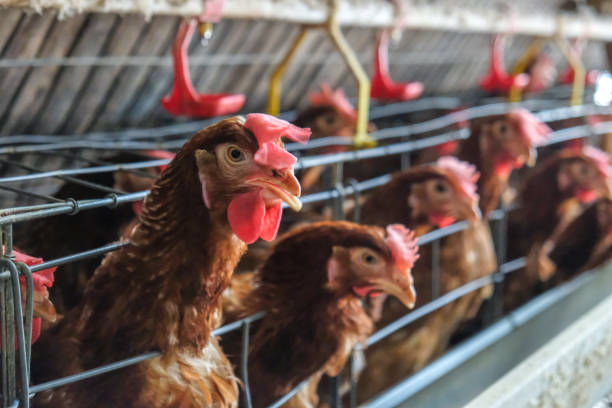
Comfortable Flooring: The cage floor should be designed to prevent injuries and foot problems. Consider options like plastic mesh or slatted floors.
Easy Access to Food and Water: Ensure that the birds have easy and constant access to fresh food and water.
Minimize Stress: Design the cages to minimize stress factors such as overcrowding, excessive noise, and sudden movements.
Enrichment: While cages can be restrictive, consider incorporating enrichment elements such as perches or pecking objects to improve the birds’ quality of life.
The Future of Poultry Cages in Bangladesh
The poultry industry in Bangladesh is constantly evolving, and the future of poultry cages will likely be shaped by several factors:
Increasing Automation: Automation is poised to become even more prevalent, driven by the need to reduce labor costs and improve efficiency. Expect to see more fully automated feeding, watering, egg collection, and manure removal systems.
Emphasis on Bird Welfare: Growing consumer awareness of animal welfare issues will likely drive demand for more bird-friendly cage designs.
Sustainable Practices: Poultry farmers will increasingly adopt sustainable practices, such as using energy-efficient equipment and managing waste responsibly.
Technological Advancements: Advances in sensor technology and data analytics will enable farmers to monitor bird health and performance more effectively, leading to improved management practices.
Government Regulations: Stricter government regulations related to animal welfare and environmental protection could influence the design and operation of poultry farms.
Conclusion
Choosing the right Bangladesh poultry cage manufacturer is a critical decision that can significantly impact the success of your poultry farming venture. By carefully considering the factors outlined in this guide, conducting thorough research, and prioritizing quality and bird welfare, you can make an informed choice that sets you up for long-term profitability and sustainability. Don’t rush the process, ask plenty of questions, and remember that the right cage system is an investment in the future of your farm. Remember to look for manufacturers who offer comprehensive solutions, from initial consultation to installation and ongoing support. With the right partner, you can build a thriving poultry business that meets the growing demand for eggs and chicken in Bangladesh.