Battery Cage Cost Breakdown: Understanding Prices in Nigeria
Battery Cage Cost Breakdown: Understanding Prices in Nigeria
For aspiring and established poultry farmers in Nigeria, understanding the cost breakdown of battery cages is crucial for making informed investment decisions. Battery cages, designed to house chickens in a controlled environment for efficient egg production, represent a significant upfront investment. This article dives deep into the various factors influencing the price of battery cages in Nigeria, providing a comprehensive guide to help you budget effectively and optimize your purchasing power.
What are Battery Cages?
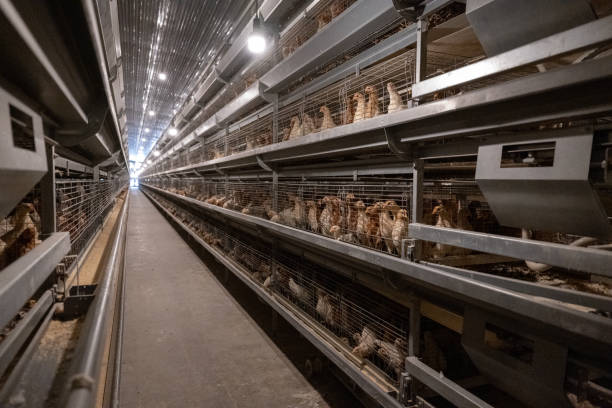
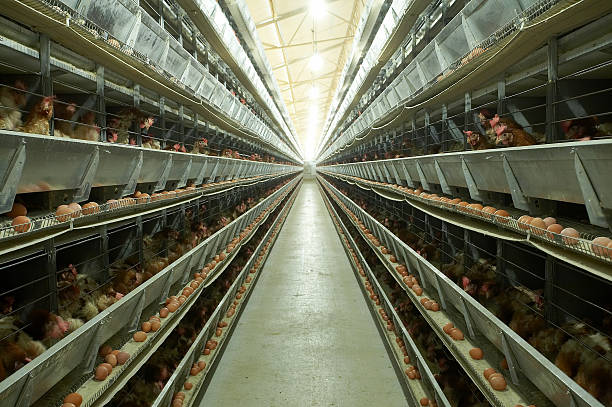
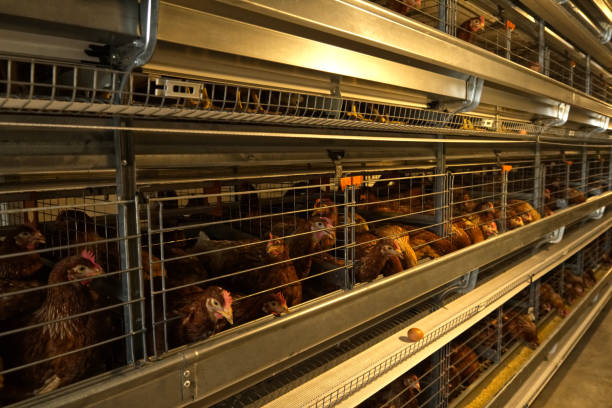
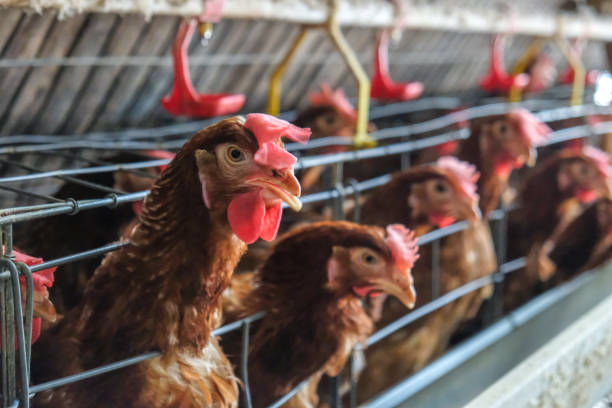
Before delving into the costs, let’s clarify what battery cages actually are. Battery cages are a system of housing poultry, primarily laying hens, in rows and columns of identical cages connected together. They are designed to maximize space utilization and streamline egg collection and management. Each cage typically houses multiple hens, depending on the size and design.
Why Choose Battery Cages?
While battery cages have sparked ethical debates regarding animal welfare, their popularity in Nigeria stems from their numerous advantages:
Increased Egg Production: Controlled environments and ease of management often lead to higher egg yields compared to free-range or deep litter systems.
Space Efficiency: Battery cages allow farmers to house a significantly larger number of birds in a smaller area, maximizing productivity per square meter.
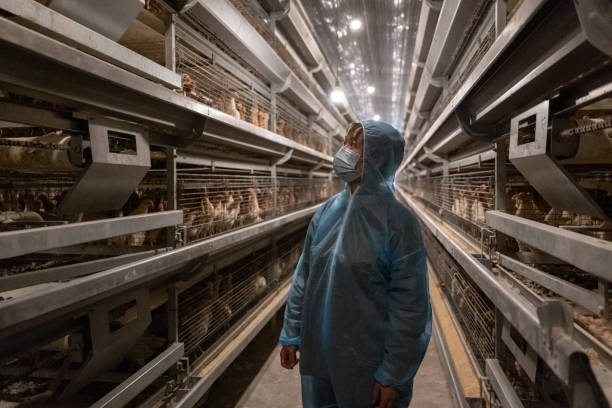
Improved Disease Control: Individual cages limit direct contact between birds, reducing the spread of diseases and the need for extensive medication.
Easier Management: Feeding, watering, and egg collection are streamlined, reducing labor costs and improving overall farm efficiency.
Reduced Egg Breakage: Eggs roll out of the cages and are collected, minimizing breakage and loss.
Factors Influencing Battery Cage Prices in Nigeria
Several key factors contribute to the overall cost of battery cages in Nigeria. Understanding these factors is essential for comparing quotes from different suppliers and making a cost-effective purchase.
Cage Material and Construction Quality
The type of material used in constructing the cages significantly impacts the price. Common materials include:
Galvanized Steel: This is the most common material due to its durability and resistance to rust and corrosion. Galvanization involves coating the steel with a layer of zinc, protecting it from the elements. The thickness and quality of the galvanization will influence the price; thicker coatings offer better protection and longevity.
Stainless Steel: Stainless steel is a premium option known for its exceptional corrosion resistance and hygienic properties. It is more expensive than galvanized steel but offers a longer lifespan and is easier to clean and disinfect.
Wire Mesh Gauge: The thickness of the wire mesh used in the cages also affects the price. Thicker, heavier-gauge wire is more durable and can withstand the wear and tear of daily use.
Cage Capacity and Dimensions
The number of birds the cage is designed to hold (its capacity) and its overall dimensions directly influence the price. Cages with higher capacity and larger dimensions naturally require more materials in construction, leading to higher costs. Standard cage sizes vary, but typically accommodate between 3 to 5 birds per tier.
Tier System and Configuration
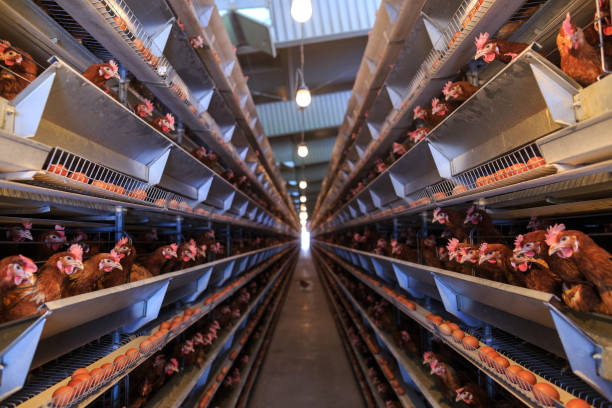
Battery cages are available in various tier configurations, typically ranging from 3 to 5 tiers. Higher tier systems maximize vertical space utilization but also require stronger support structures, increasing the cost. The configuration refers to how the cages are arranged within the system, such as A-frame or H-frame designs. A-frame cages are generally more affordable but may require more manual labor, while H-frame cages offer better accessibility and automation options.
Automation Features
The level of automation incorporated into the battery cage system significantly impacts the price. Automated features can greatly reduce labor costs and improve efficiency. Common automation features include:
Automatic Feeding System: This system delivers feed to each cage automatically at pre-determined intervals, ensuring consistent feeding and reducing labor requirements.
Automatic Drinking System (Nipple Drinkers): Nipple drinkers provide a constant supply of fresh water to the birds, minimizing water wastage and improving hygiene.
Automatic Manure Removal System: This system efficiently removes manure from under the cages, reducing ammonia build-up and improving air quality.
Automatic Egg Collection System: This system conveys eggs from the cages to a central collection point, reducing egg breakage and labor costs.
The more automated features included in the system, the higher the upfront cost. However, these features can lead to significant long-term savings in labor and operational expenses.
Supplier and Brand Reputation
The supplier and brand reputation also influence battery cage prices. Established brands with a proven track record of quality and reliability often charge a premium. It’s essential to research different suppliers, compare their offerings, and read customer reviews to ensure you are dealing with a reputable company that provides quality products and excellent after-sales service. Choosing a trusted supplier can save you money in the long run by minimizing maintenance costs and ensuring the longevity of your investment.
Import Duties and Transportation Costs
For battery cages imported from other countries, import duties and transportation costs can significantly impact the final price. These costs can vary depending on the country of origin, shipping method, and import regulations. It’s vital to factor in these additional expenses when budgeting for your battery cage system. Consider working with a local supplier who can handle the import process and provide clear estimates of all associated costs.
Installation Costs
Installation costs are often overlooked but can represent a significant expense. The complexity of the installation process depends on the size and configuration of the battery cage system and the level of automation involved. Consider obtaining quotes from qualified installers and factor these costs into your overall budget. Proper installation is crucial for ensuring the optimal performance and longevity of your battery cage system.
Location and Accessibility
The location of your farm and its accessibility can influence the price of battery cages, particularly if transportation costs are high. Suppliers located further away may charge higher delivery fees, and difficult-to-access locations may require specialized transportation, further increasing costs. Consider sourcing your battery cages from suppliers located closer to your farm to minimize transportation expenses.
Approximate Price Ranges in Nigeria (Estimates)
Providing precise price figures for battery cages in Nigeria is challenging due to the fluctuating nature of the market and the variations in specifications. However, here are some approximate price ranges to give you a general idea:
Manual Battery Cages (3-tier, Galvanized Steel): NGN 50,000 – NGN 150,000 per unit (housing approximately 90-150 birds)
Semi-Automated Battery Cages (3-tier, Galvanized Steel, Automatic Feeding & Drinking): NGN 150,000 – NGN 300,000 per unit (housing approximately 90-150 birds)
Fully Automated Battery Cages (4-tier, Galvanized Steel, Automatic Feeding, Drinking, Manure Removal & Egg Collection): NGN 300,000 – NGN 600,000+ per unit (housing approximately 120-200 birds)
Note: These are estimates only, and actual prices may vary. It is crucial to obtain quotes from multiple suppliers to get accurate pricing information. These costs usually do not include the poultry house.
Tips for Negotiating Battery Cage Prices
Get Multiple Quotes: Obtain quotes from at least three different suppliers to compare prices and specifications.
Negotiate Based on Volume: If you are purchasing a large quantity of cages, you may be able to negotiate a discount.
Consider Payment Options: Ask about payment plans or financing options that may be available.
Inquire about Warranties and After-Sales Service: Ensure the supplier offers a warranty on their products and provides excellent after-sales service.
Don’t Be Afraid to Walk Away: If you are not comfortable with the price or terms offered by a supplier, don’t be afraid to walk away and explore other options.

Look for promotions: Keep an eye out for seasonal sales or promotions that can help you save money.

Making an Informed Decision
Investing in battery cages is a significant financial commitment for any poultry farmer. By understanding the factors influencing prices, getting multiple quotes, and negotiating effectively, you can make an informed decision that aligns with your budget and business goals. Remember to prioritize quality, durability, and after-sales service to ensure a successful and profitable poultry farming operation. Ultimately, the right battery cage system will contribute to increased efficiency, higher egg production, and a more sustainable business.